Frequently Asked Questions
Do defensive, thorny plants actually stop burglars?
Yes, they act as a highly effective psychological and physical deterrent. An opportunistic burglar is looking for the path of least resistance. Faced with the choice of pushing through a painfully dense Pyracantha bush or moving on to an easier target down the street, they will almost always choose the latter. Defensive landscaping makes your home a difficult, unappealing target.
How do I prune overgrown shrubs without killing them?
The secret is avoiding severe “heading cuts” that chop the plant off in a straight line, which often leads to weak, unsightly regrowth. Instead, use “thinning cuts.” Reach deep into the shrub and cut selected branches all the way back to the main trunk. This reduces the overall height and bulk of the plant while preserving its natural shape and allowing sunlight to penetrate the interior foliage. Never remove more than one-third of a healthy shrub’s total mass in a single season.
What are the best low-allergen plants for creating an indoor window screen?
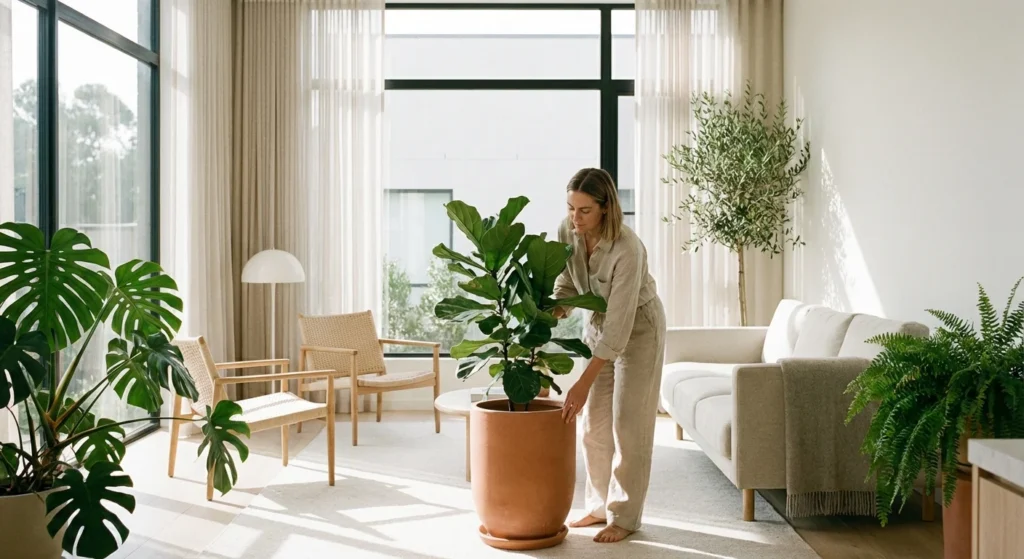
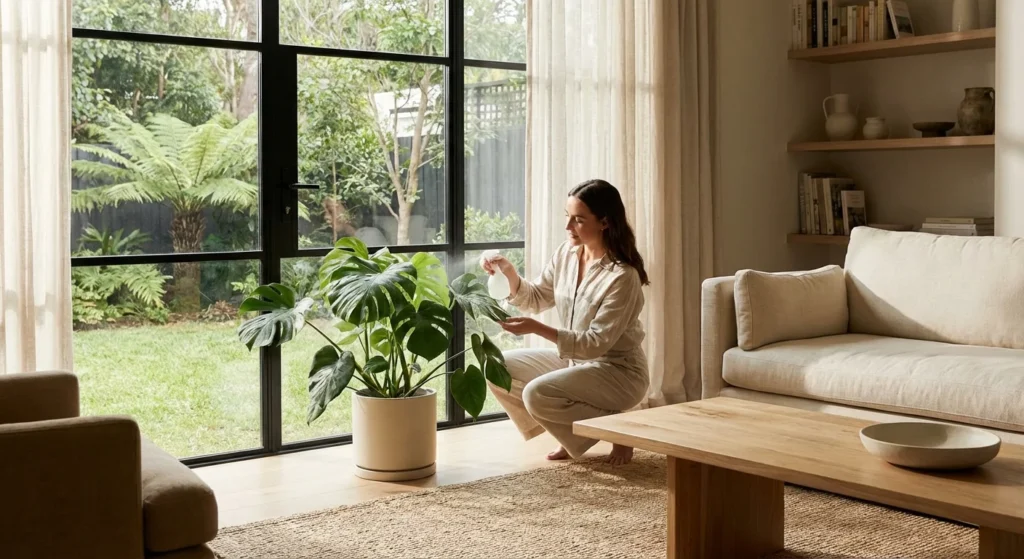
If you want to obscure the view of your valuables from the street without triggering seasonal allergies, avoid flowering plants that produce heavy pollen. Excellent low-allergen options include the Zamioculcas zamiifolia (ZZ Plant), Dracaena marginata, and various species of Philodendron. These plants boast large, broad leaves for maximum visual screening and rely primarily on foliage rather than blooms, keeping your indoor air quality pristine.
Can landscaping really impact neighborhood crime rates?
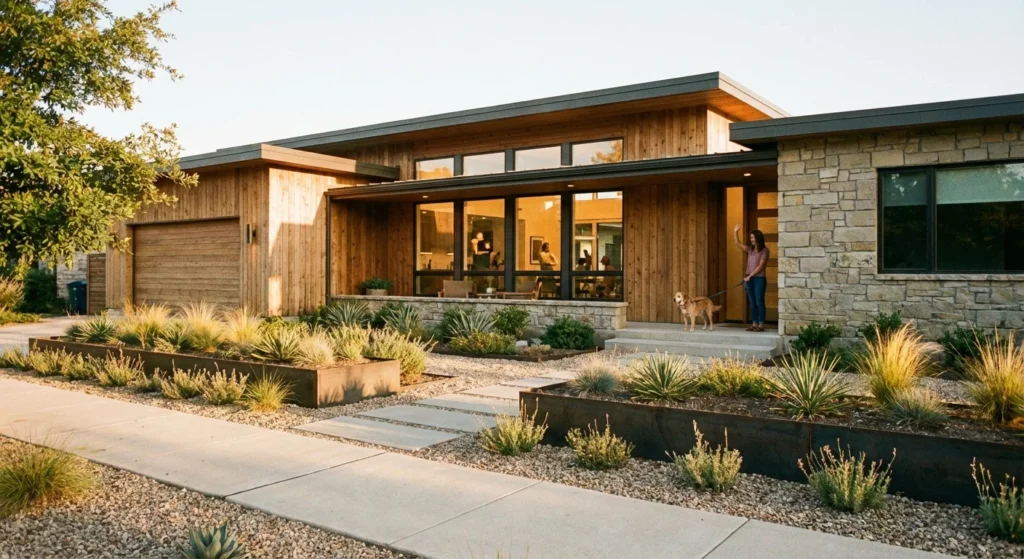
Absolutely. Properties that exhibit high levels of maintenance signal to criminals that the neighborhood is vigilant. When a block features well-lit homes, clear sightlines, and thriving gardens, it creates a unified front of territorial reinforcement. Intruders prefer neglected, isolated areas where their presence will go unnoticed.