Budget, Time, & Skill Considerations
Securing your landscape does not require a massive, immediate financial investment; it is a project you can tackle in phases based on your budget and gardening experience.
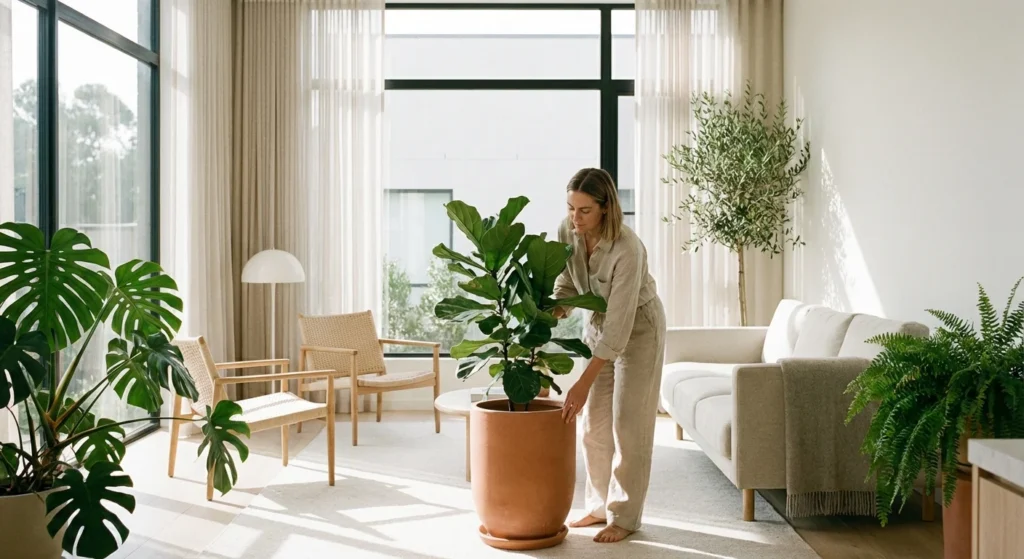
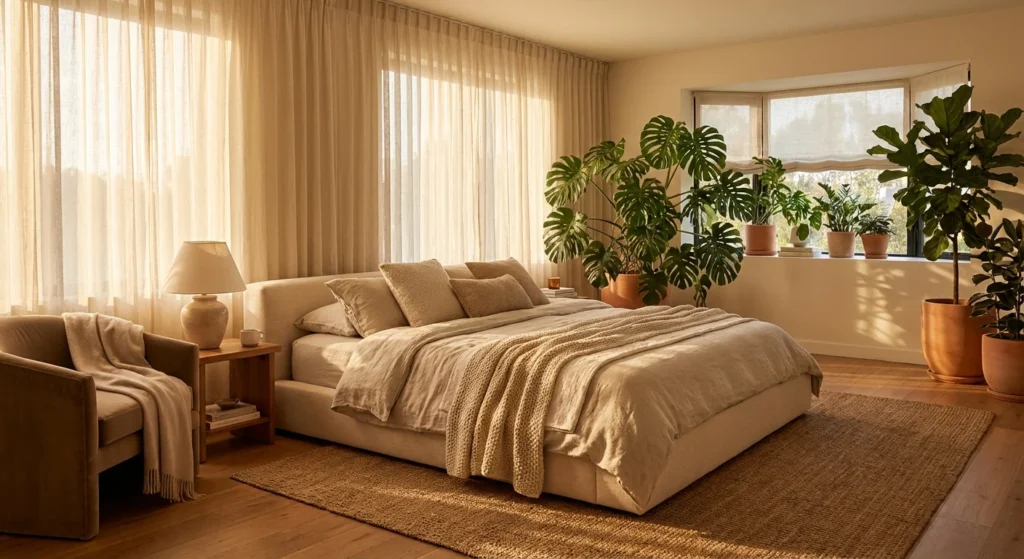
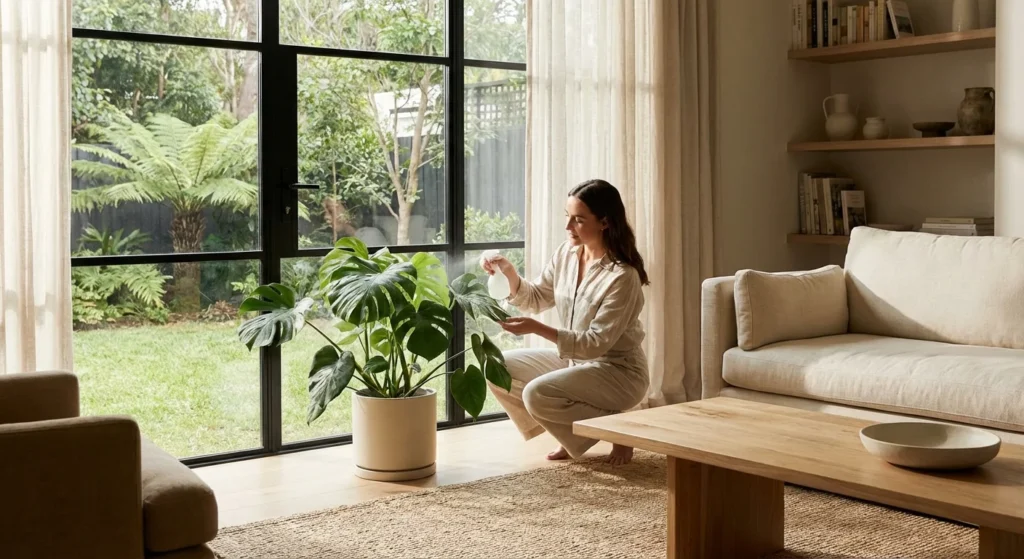
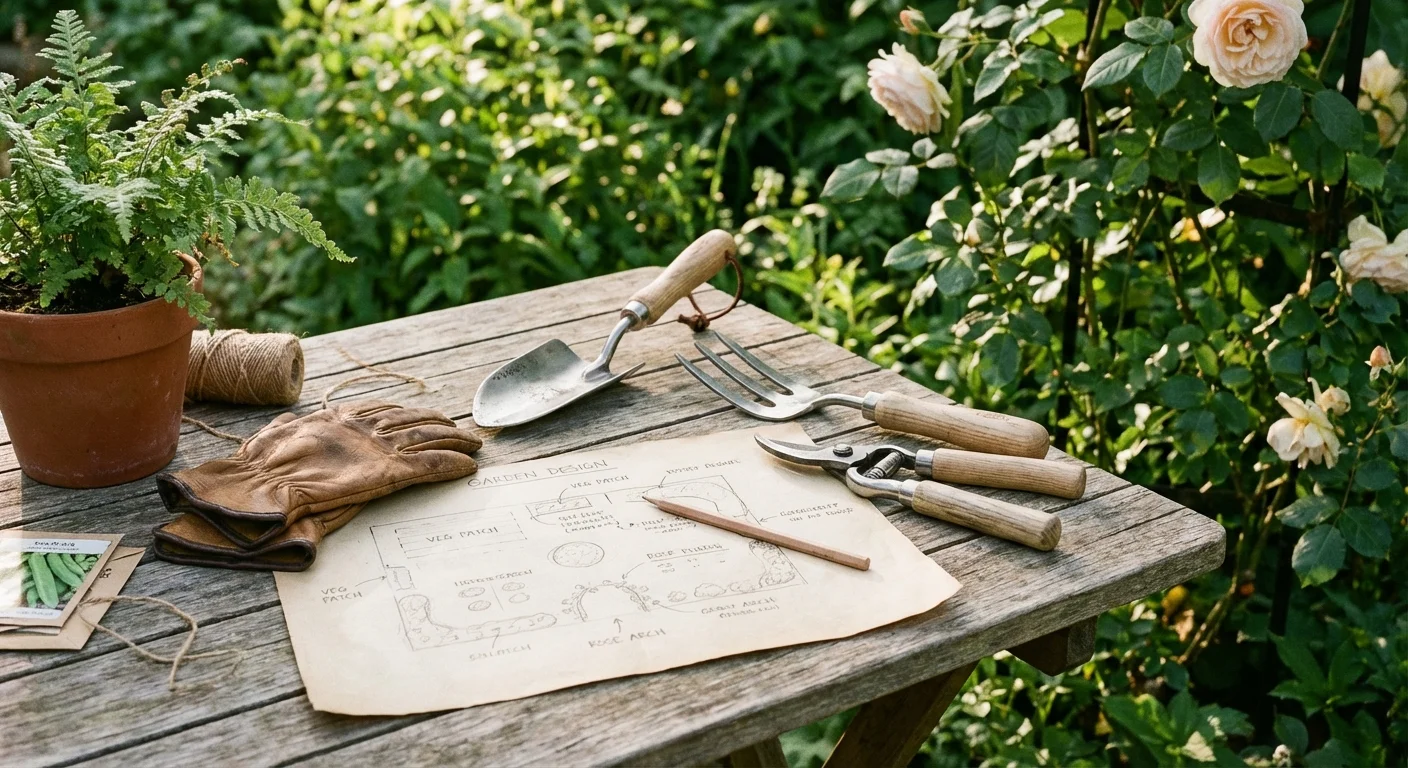
Budget: The most cost-effective step is simply pruning the plants you already have. A good pair of bypass hand pruners and a sturdy folding saw will cost you under $60 and instantly improve your sightlines. If you are investing in defensive plants like Shrub Roses or Holly, expect to spend between $30 and $80 per mature shrub at your local nursery. Automated drip irrigation kits for your porch plants range from $40 to $100 and pay for themselves by saving the lives of your expensive seasonal containers. Purchasing large indoor plants for privacy screens is the most variable cost; a small Ficus might cost $25, while a mature, six-foot specimen can run upwards of $200.
Time and Skill: Routine pruning and installing a basic drip-line are highly accessible weekend DIY projects. Most homeowners can trim foundation shrubs and set up automated watering in a single Saturday. Planting a defensive hedge requires more physical labor—digging trenches, amending soil, and mulching—but remains a beginner-friendly landscaping task. However, if you have large, mature trees with branches hanging over your roof or blocking high-mounted security lights, you should hire a certified arborist. Climbing ladders with chainsaws is dangerous and best left to the professionals.
For authoritative guidance, refer to cooperative extension resources like the PennState Extension and the Clemson Home & Garden Information Center. Botanical gardens and university horticulture programs are also excellent references.