Smart Strategies & Upgrades
To effectively burglar-proof your landscape, you need to identify the exact signals your property might be broadcasting. Here are six distinct vulnerabilities intruders look for, along with the horticultural upgrades and design strategies you need to neutralize them.
1. Overgrown Foundation Plantings Providing Cover
Burglars look for ground-floor windows hidden behind dense, overgrown shrubs. A massive, unpruned yew or arborvitae planted directly in front of a window provides a comfortable, hidden workspace where an intruder can pry open a sash or break glass without being seen from the street. This is one of the most common landscaping mistakes homeowners make.
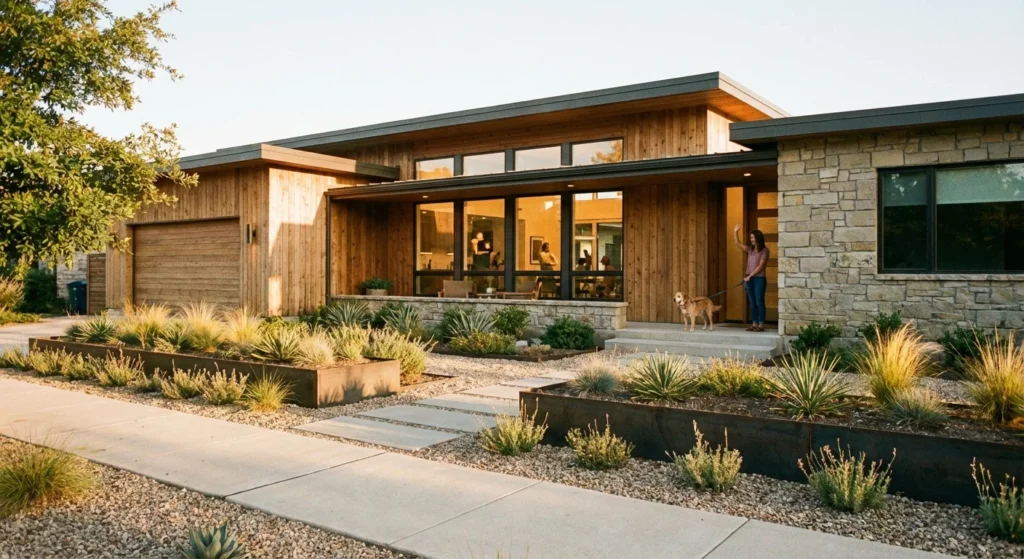
The Upgrade: Adopt the two-foot, six-foot rule for foundation plantings. Shrubs placed near windows should be kept trimmed to a maximum height of two feet, while tree canopies should be pruned so their lowest branches are at least six feet off the ground. This creates a clear window of visibility. Replace oversized, leggy evergreens with dwarf varieties that naturally max out at three feet tall. Low-growing species like dwarf boxwoods or creeping junipers maintain a tidy aesthetic without providing a screen for criminals. From a horticultural perspective, aggressive pruning to reduce height also improves airflow around your home’s foundation, reducing the risk of powdery mildew on your plants and moisture damage to your siding.
2. The “Empty Home” Signal of Neglected Porch Plants
Nothing advertises a vacant home quite like a collection of bone-dry, wilted container plants on the front porch. Opportunistic thieves monitor neighborhoods for exactly these subtle cues. If your hanging Boston ferns are crispy and your patio petunias are drooping, an intruder will logically assume you have been out of town for days.
The Upgrade: If you travel frequently or are setting up a low-maintenance home to ensure senior safety for an aging parent, you must remove the burden of daily watering. Invest in high-quality self-watering planters equipped with hidden reservoirs. Better yet, install a simple, automated drip irrigation system connected to your outdoor spigot. Running a discreet quarter-inch drip tube up to your hanging baskets ensures your foliage stays vibrant and lush, even during a two-week vacation. Additionally, transition your front-porch containers to drought-tolerant species. Sedums, portulaca, and ornamental grasses require significantly less water and remain looking robust even if you miss a watering cycle. A vibrant, thriving porch signals an active, occupied home.
3. Unobstructed Window Access Lacking Defensive Plants
A bare patch of mulch beneath a ground-floor bedroom window is an open invitation. Intruders look for easy, pain-free access points. If they can walk right up to the glass without navigating a physical barrier, your home becomes an attractive target.
The Upgrade: Plant a defensive barrier. Thorny, prickly, or dense shrubs planted under vulnerable windows act as a powerful physical and psychological deterrent. Shrubs like Japanese Barberry (check your local extension for non-invasive cultivars), Pyracantha (Firethorn), Shrub Roses, or dense Hollies offer spectacular visual interest while packing a painful punch for anyone trying to push through them. When planting these defensive species, ensure your soil is well-draining loam amended with organic compost. Space the root balls far enough from the foundation to allow the mature plant to thrive without trapping moisture against your house. Note for pet owners: Consider your pets’ habits before planting defensive barriers. Avoid highly toxic plants like certain cycads or oleanders if your dogs are prone to chewing foliage, and place thorny plants slightly back from designated dog runs to prevent eye injuries.
4. Visible Valuables from the Street
While you want to keep your exterior sightlines clear, you do not want to put your high-end electronics, artwork, or other valuables on display. Burglars often simply walk down the sidewalk and look into large, uncovered living room windows to inventory your possessions. While closing heavy drapes is an option, it blocks natural light and makes the house look closed off.
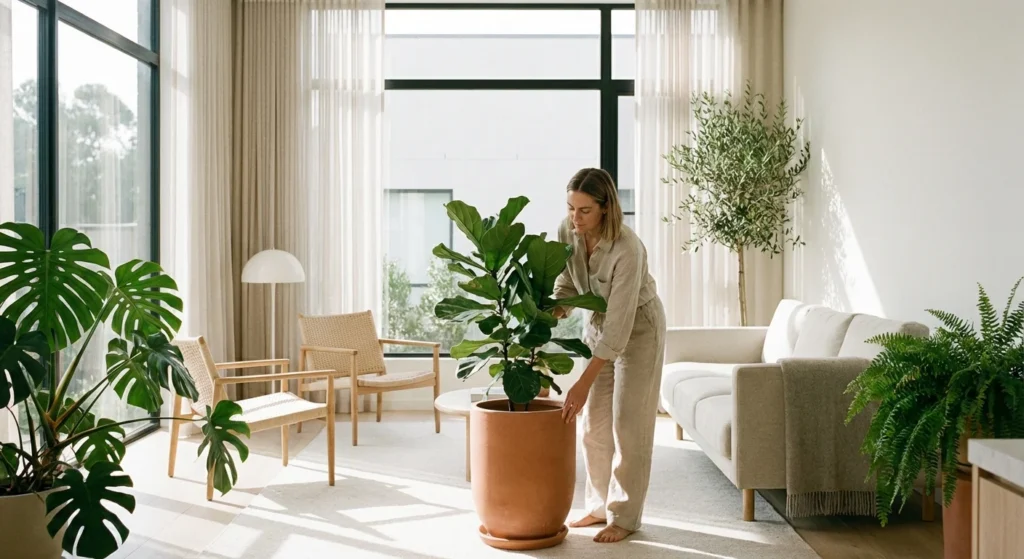
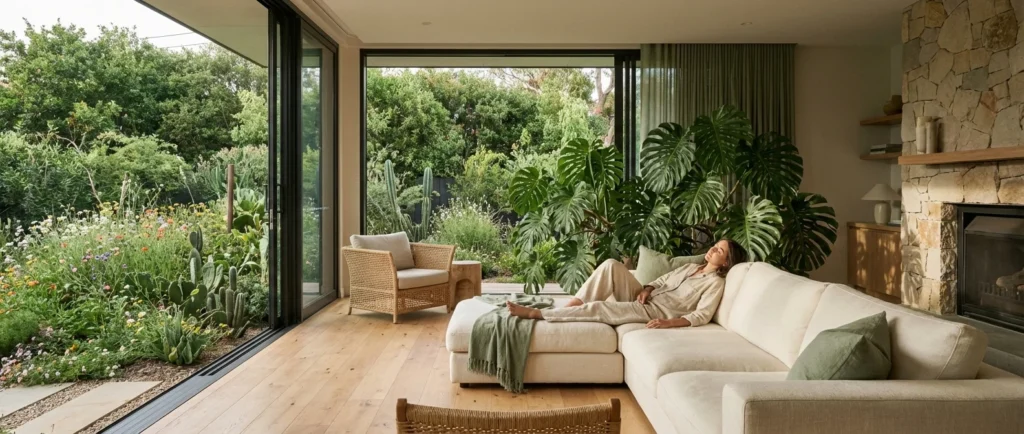
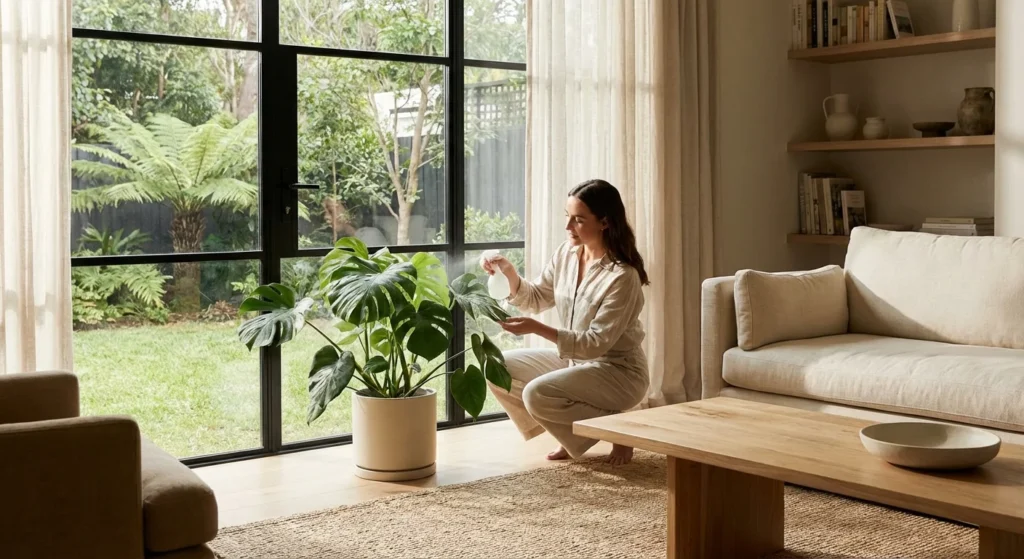
The Upgrade: Utilize large indoor houseplants to create a living, semi-transparent privacy screen. By grouping lush, broad-leafed plants in front of your street-facing windows, you obscure the view from the outside while still allowing sunlight to flood your interior space. A mature Monstera deliciosa, an imposing Ficus lyrata (Fiddle Leaf Fig), or a dense cluster of Areca palms provide excellent visual disruption. To keep these indoor screens thriving, ensure you match the plant to the window’s light exposure—use low-light tolerant Snake Plants (Sansevieria) for north-facing windows and sun-loving Birds of Paradise (Strelitzia) for south-facing exposures. Water these large indoor specimens thoroughly only when the top two inches of soil feel dry to the touch.
5. Security Lights Blocked by Tree Canopies
Motion-sensor lights are a cornerstone of home security, but they are completely ineffective if a burglar can move underneath them hidden by a shadow. Intruders look for properties where fast-growing shade trees or aggressive climbing vines have swallowed up exterior lighting and security cameras.
The Upgrade: Conduct a nighttime audit of your exterior lighting. Walk your property after dark and identify areas where foliage blocks the illumination. You will likely need to perform directional pruning on your mature trees. Remove any branches that cast dense shadows over pathways or driveways. If you have vines like English Ivy or Virginia Creeper growing on your exterior walls, keep them aggressively trimmed away from light fixtures and camera lenses. Structural Caution: Climbing vines with aerial roots can damage brick mortar and pull down gutters. Consider replacing clinging wall vines with a sturdy trellis system placed a few inches away from the wall; this protects your home’s exterior and allows you to easily prune the plant away from your security tech.
6. Unsecured Side Gates Masked by Greenery
A side yard gate hidden behind a sprawling mock orange bush or draped in unkempt wisteria provides an intruder with a secluded spot to defeat your locks. They know that once they get through that gate, they have unrestricted, unseen access to your backyard and rear entry doors.
The Upgrade: Clear the perimeter around your access points. Your side gate should be highly visible from the street or your front windows. Remove any overgrown shrubs that flank the gate. If you want greenery in this area, opt for low ground covers like creeping thyme or decorative gravel beds that make noise when walked upon—crunchy gravel is a fantastic, low-tech auditory alarm. Ensure the gate itself is secured with a heavy-duty padlock and that the hinges are tightly fastened. By combining a visible, sturdy gate with low-profile landscaping, you eliminate the intruder’s opportunity to work in secret.