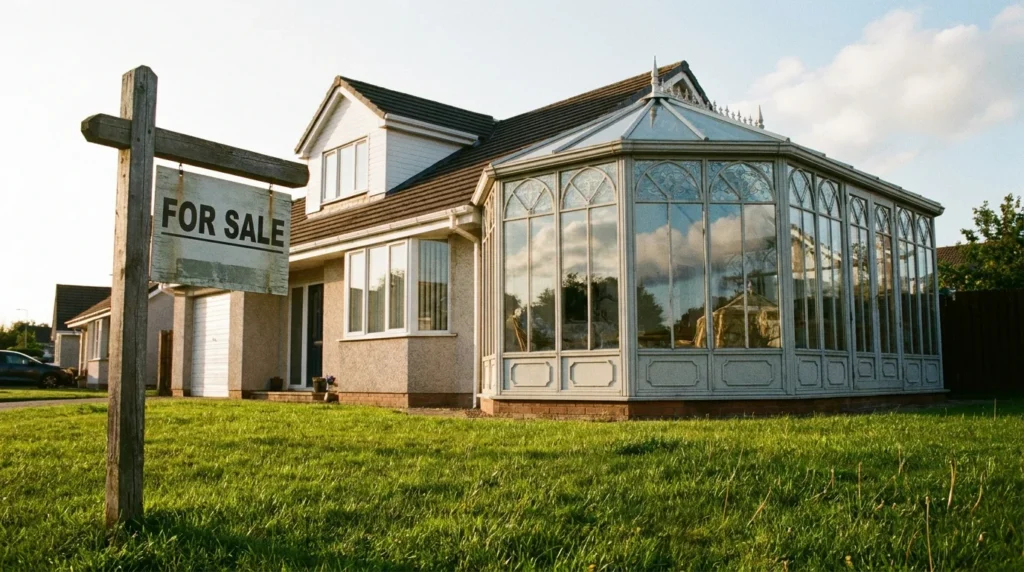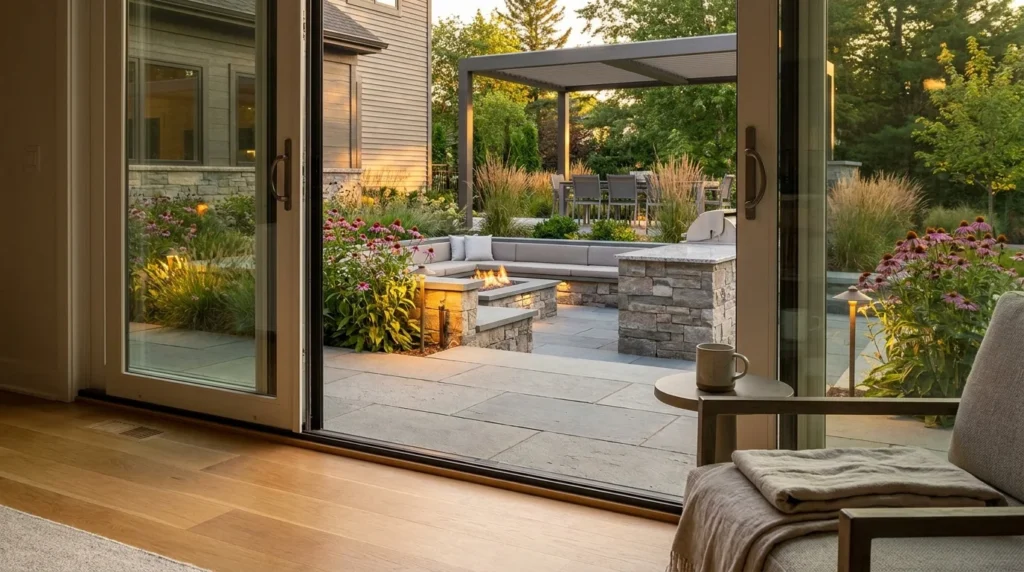
You pour time, energy, and resources into making your home a beautiful sanctuary. From cultivating the perfect front porch container garden to designing a lush backyard oasis, your landscaping choices reflect your personal style and love for nature. However, the very features that make your property feel like a private, leafy retreat can inadvertently send an invitation to opportunistic intruders. Cultivating a stunning garden and maintaining robust home security do not have to be competing goals. By understanding how an intruder evaluates a property, you can use brilliant design and strategic horticulture to protect your space.
Intruders typically seek out properties that offer easy access, plenty of cover, and clear indicators that the homeowners are either away or unobservant. They rely on the landscape to provide them with a tactical advantage. The good news is that you can flip the script. By blending crime prevention principles with smart gardening techniques, you can turn your botanical borders into a formidable line of defense.
Whether you want to protect your family, enhance senior safety for aging relatives, or simply do your part to deter neighborhood crime, your landscaping is your first line of defense. We are going to explore the specific vulnerabilities intruders look for from the sidewalk and provide actionable, plant-focused solutions to secure your perimeter without sacrificing your home’s curb appeal.
Setting the Stage
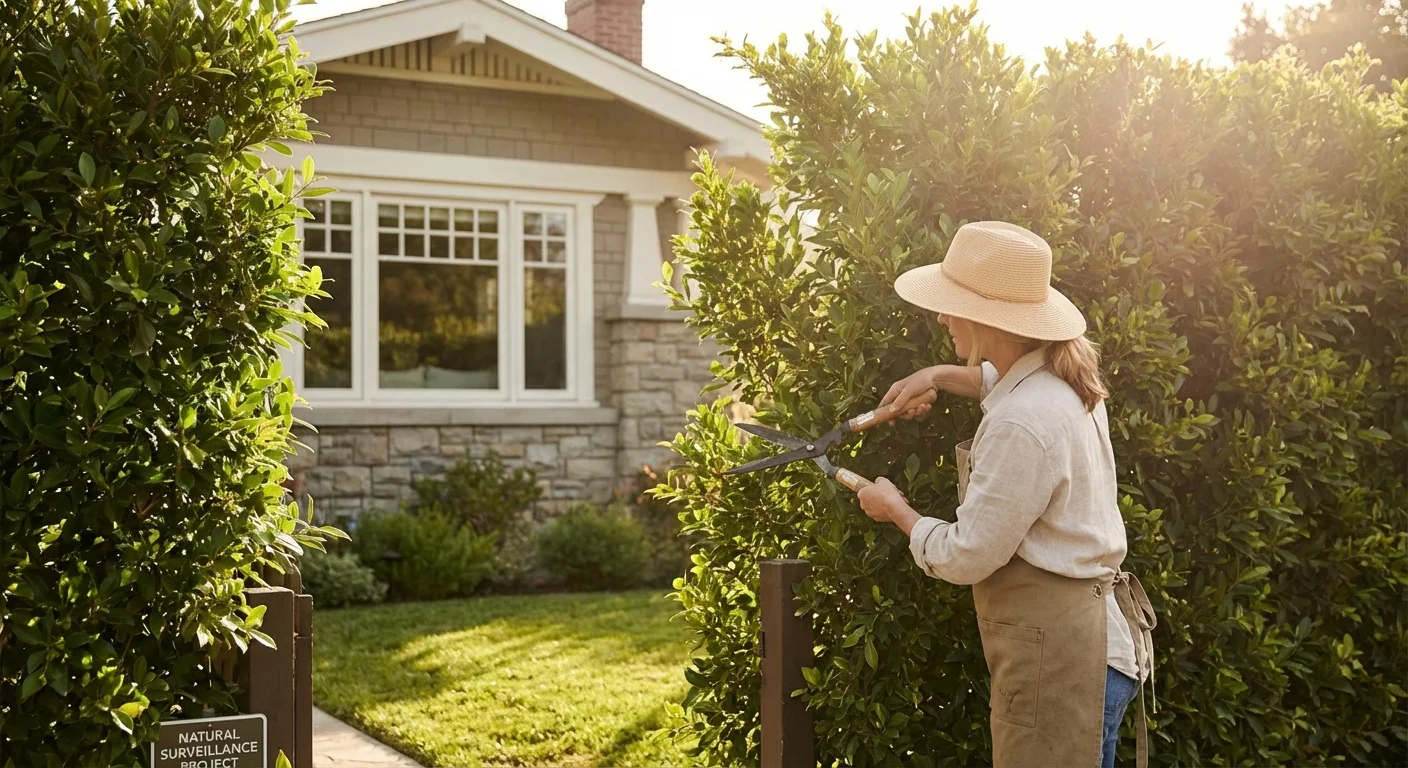
Every home tells a story to the street. A well-maintained landscape suggests active, observant homeowners who care about their property and are likely to notice something amiss. Conversely, unkempt foliage, shadowed corners, and neglected planters communicate a lack of attention—or worse, an empty house. Law enforcement and security professionals refer to the practice of using environmental design to reduce crime as CPTED; Crime Prevention Through Environmental Design. This methodology relies heavily on natural surveillance, territorial reinforcement, and access control.
Natural surveillance means keeping sightlines open so that neighbors and passersby can easily spot unusual activity. Intruders hate feeling exposed. When you intentionally design your outdoor spaces to eliminate dark, hidden pockets, you strip away the cover they rely on. Territorial reinforcement involves creating a clear distinction between public space and private property, often achieved through low hedges, decorative fencing, or thoughtfully placed border plants. Access control physically guides people to the main entrance while naturally blocking off side windows and private gates.
Embracing these concepts requires a shift in how you evaluate your yard. Instead of simply looking at color palettes and bloom times, you must also consider mature plant height, foliage density, and the placement of thorny or impenetrable species. The goal is to cultivate a living perimeter that welcomes guests, supports local pollinators, and subtly but effectively turns away anyone with malicious intent. A secure home is a comfortable home; integrating these protective measures directly contributes to long-term burglary prevention.