Budget, Time, & Skill Considerations
Transforming your living room into a pristine, breathable environment does not require an exorbitant budget, but it does demand a strategic allocation of time and the right tools. Establishing a consistent home care schedule prevents dust from building up to unmanageable levels, ultimately saving you time in the long run. Dedicate just fifteen minutes twice a week to surface-level maintenance, such as wiping down the television, vacuuming the main rug, and dusting your most prominent houseplants. Reserve one hour at the end of the month for deeper tasks, like washing throw pillow covers, vacuuming the upholstery, and utilizing the extension wand on the ceiling fan.
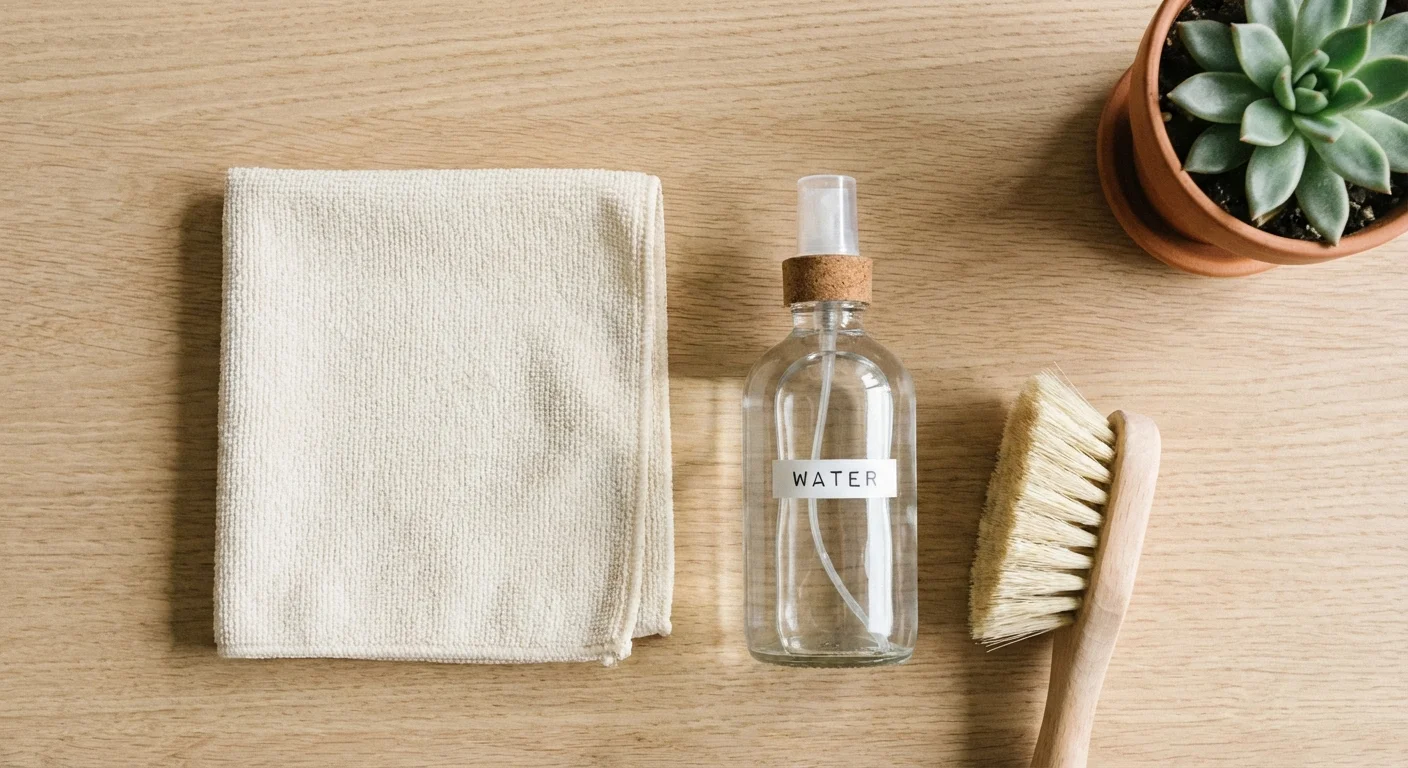
Investing in the proper equipment pays massive dividends for both your physical comfort and your indoor air quality. Allocate between twenty and thirty dollars for a premium bundle of reusable microfiber cloths; their statically charged, split-fiber design grabs and holds dust far better than traditional cotton rags or disposable paper towels. If you are serious about long-term allergy relief, upgrading to a vacuum with a sealed HEPA filtration system is a non-negotiable expense. Quality HEPA vacuums typically range from two hundred to five hundred dollars. For households prioritizing senior health and aging in place, look for ultra-lightweight cordless models that prevent wrist strain and eliminate the tripping hazards associated with heavy power cords.
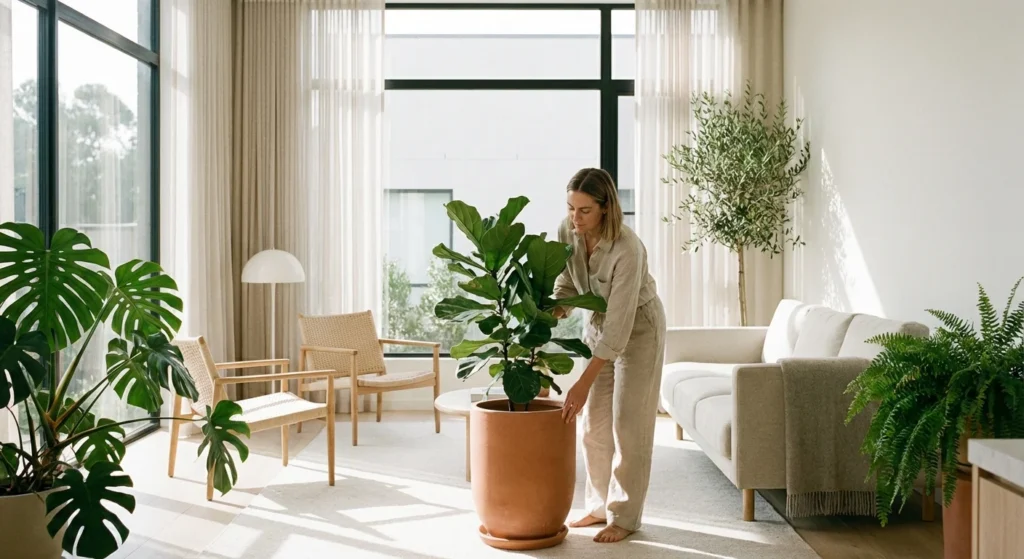
Finally, consider adding a standalone HEPA air purifier to your living room. A reliable unit costs between one hundred and three hundred dollars and works around the clock to scrub floating particulates from the environment before they have a chance to settle on your Fiddle Leaf Fig or your fabric sofa. While these upgrades represent an upfront financial commitment, the resulting reduction in allergy symptoms, the extended lifespan of your electronics, and the vibrant health of your indoor plants make it a highly worthwhile investment.