Takeaway & Next Steps
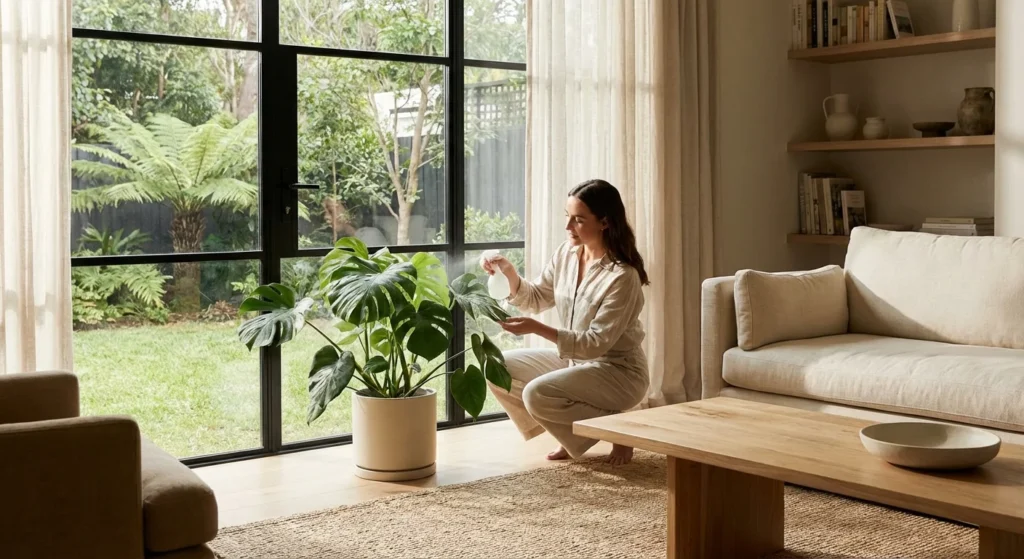
Eradicating the hidden dust in your living room requires a shift in perspective. By looking beyond the obvious surfaces and targeting the overlooked zones—the broad leaves of your houseplants, the high ceiling fixtures, the porous upholstery, the dark recesses beneath heavy furniture, and the statically charged electronics—you take absolute control over your indoor air quality. Implementing these actionable strategies transforms your daily cleaning routine from a tedious chore into a powerful act of proactive home care.
As you gather your microfiber cloths and optimize your cable management, remember that maintaining a pristine space directly benefits the respiratory health of your family, the safety of your pets, and the biological vitality of your indoor garden. Prioritize lightweight, ergonomic tools to support long-term mobility, and consider structural design upgrades like floating cabinets to permanently eliminate stubborn dust traps.
For authoritative guidance, refer to cooperative extension resources like the PennState Extension and the Clemson Home & Garden Information Center. Botanical gardens and university horticulture programs are also excellent references.
Disclaimer: This article is for informational purposes only and does not replace advice from licensed landscape designers, arborists, or contractors. Always confirm local regulations and consult professionals before using chemicals or making structural changes.