Frequently Asked Questions
How can I find strategies to lower energy bills seniors can manage without strenuous physical labor?
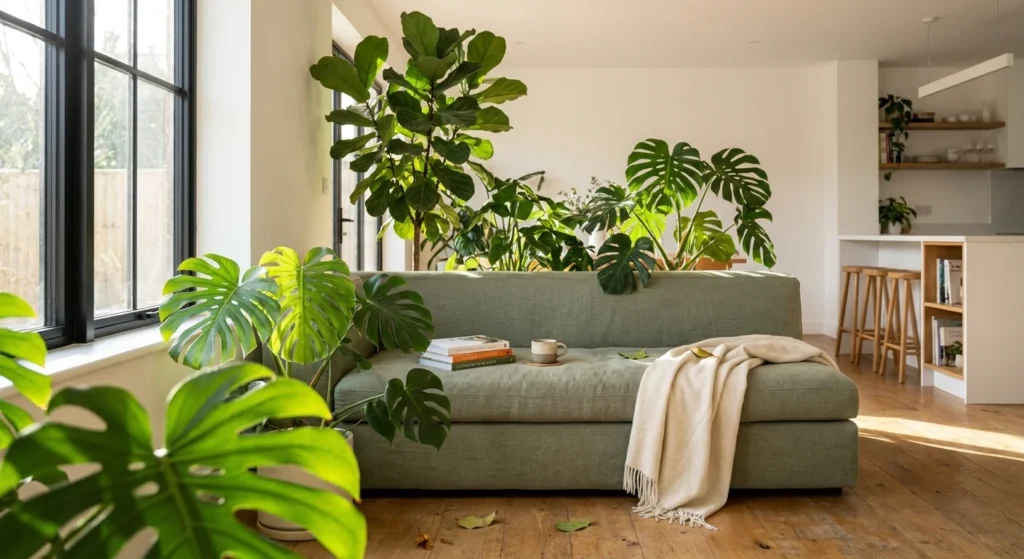
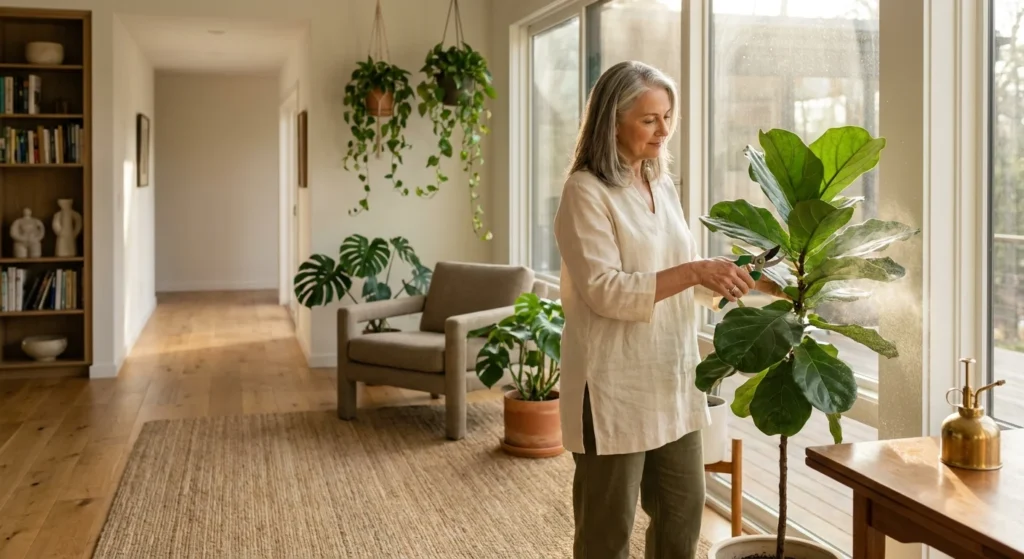
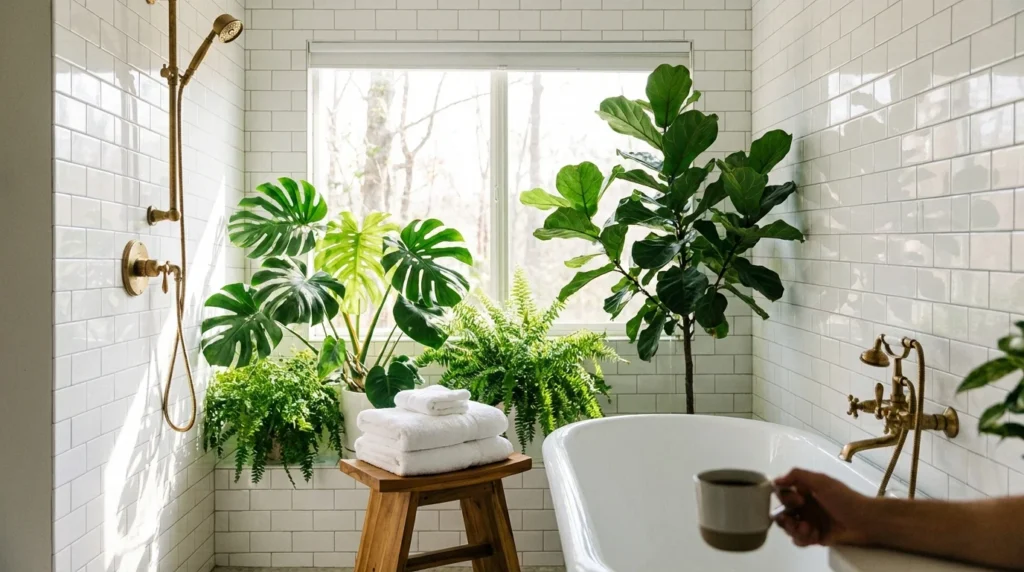
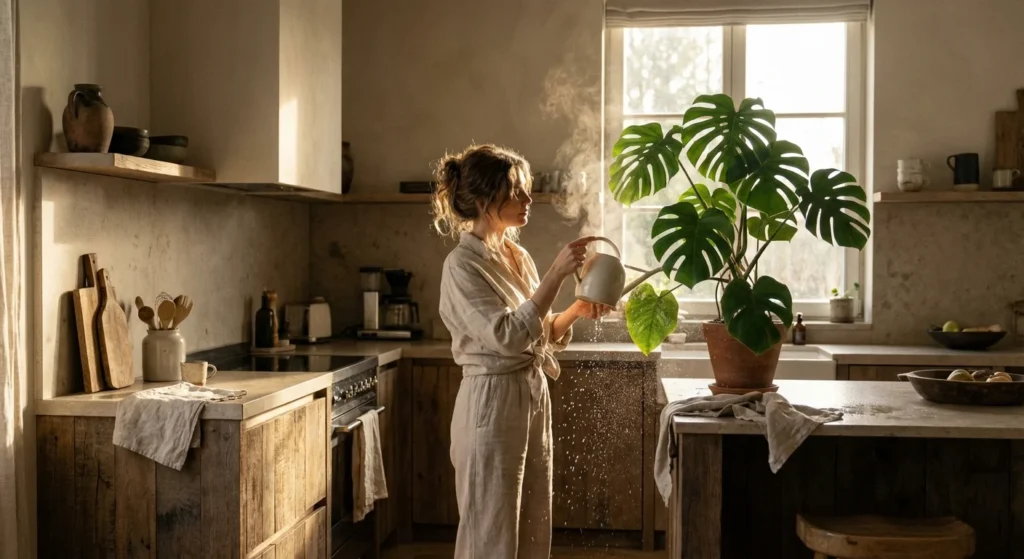
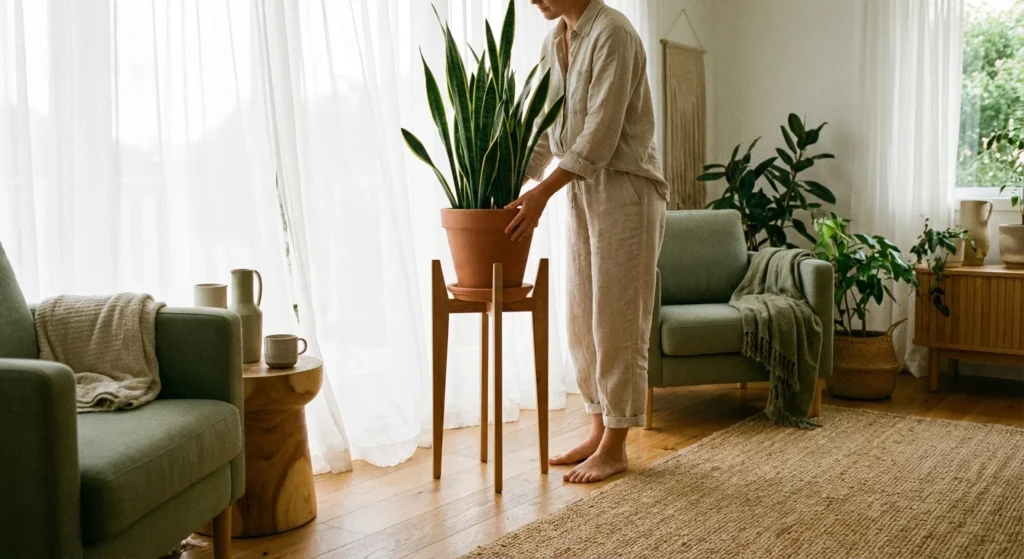
The most effective, low-labor strategies involve automation and microclimate management. Installing a smart thermostat with voice activation allows for precise, effortless temperature control. Additionally, bringing a few easy-care, non-toxic houseplants indoors can naturally balance humidity levels, making the ambient air feel significantly more comfortable without requiring heavy lifting or home construction.
Do shade trees and windbreaks really reduce utility costs?
Yes; strategic landscaping dramatically alters the microclimate immediately surrounding your home. By blocking harsh summer sun from hitting your windows and deflecting bitter winter winds away from your exterior walls, trees reduce the workload on your HVAC system. Studies consistently show that homes with mature, well-placed landscaping use up to 25% less energy for heating and cooling compared to homes fully exposed to the elements.
Can indoor plants genuinely help me save on heating cooling?
While houseplants will not replace your furnace or air conditioner, they manipulate indoor thermodynamics through transpiration. By releasing moisture into dry winter air, plants increase indoor humidity. Because humid air retains heat better than dry air, you can comfortably lower your thermostat by a few degrees without feeling cold. This slight adjustment translates to noticeable savings on your monthly heating bill.
What are some fast, efficient home tips for a drafty room?
The fastest way to address a drafty room is to locate and seal air leaks. Use a lit incense stick near window frames and baseboards; if the smoke wavers, you have found a draft. Apply weatherstripping to the window sashes and run a bead of clear silicone caulk along the stationary trim. Additionally, hanging heavy, thermally insulated curtains can physically block cold glass from chilling the warm air inside your room.
How do I ensure the trees I plant do not damage my property?
Always respect structural cautions when planting. Research the mature width of the tree’s canopy and root system before digging. As a general rule, plant large trees at least 20 feet from your home’s foundation, driveway, and underground utility lines. Choosing native species suited to your specific soil composition will also promote healthy, downward root growth rather than aggressive, shallow spreading.