Budget, Time, & Skill Considerations
Taking control of your home’s energy consumption is an investment that requires thoughtful planning. You do not need an unlimited budget to make meaningful changes, but understanding the time and financial commitments involved helps you prioritize your projects effectively.
Landscaping investments offer some of the highest long-term returns, though they require patience. Purchasing a young, 5-foot deciduous shade tree typically costs between $50 and $150. Planting it is an intermediate-level DIY project that will take a solid weekend afternoon. You will need to dig a hole twice as wide as the root ball, amend the soil composition, and apply a thick layer of organic mulch. While the tree will not shade your roof immediately, its value compounds annually. Within five to seven years, that same tree will provide substantial canopy coverage, actively lowering your summer cooling costs.
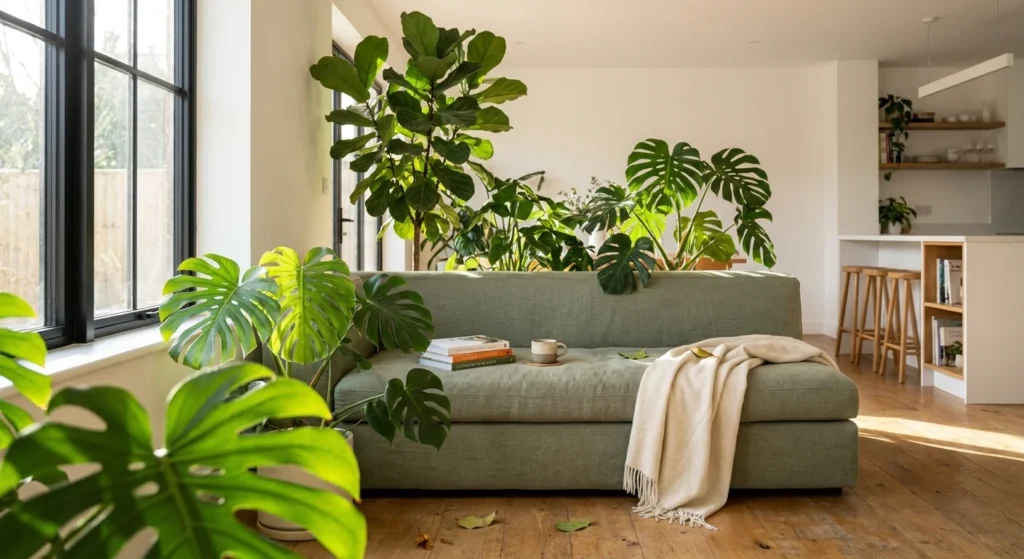
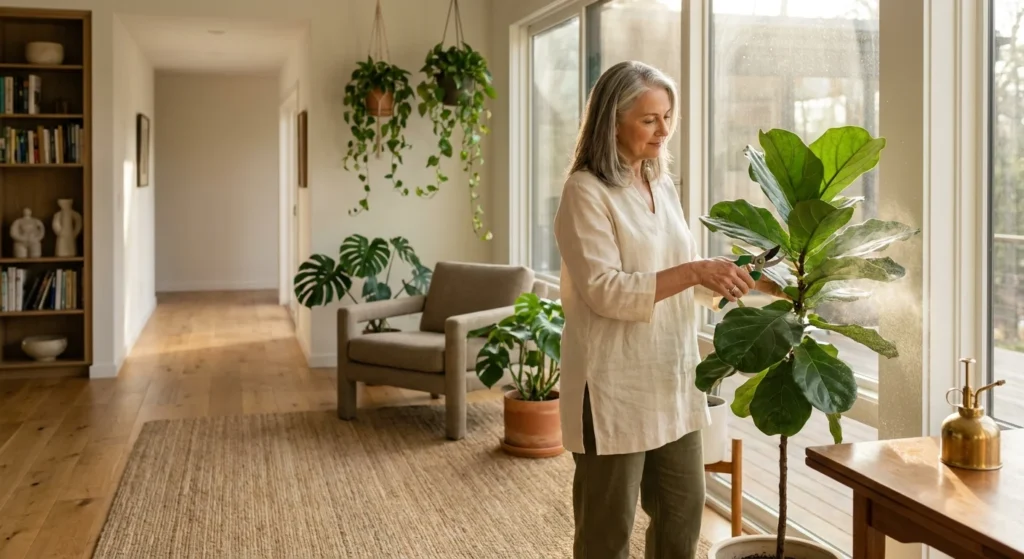
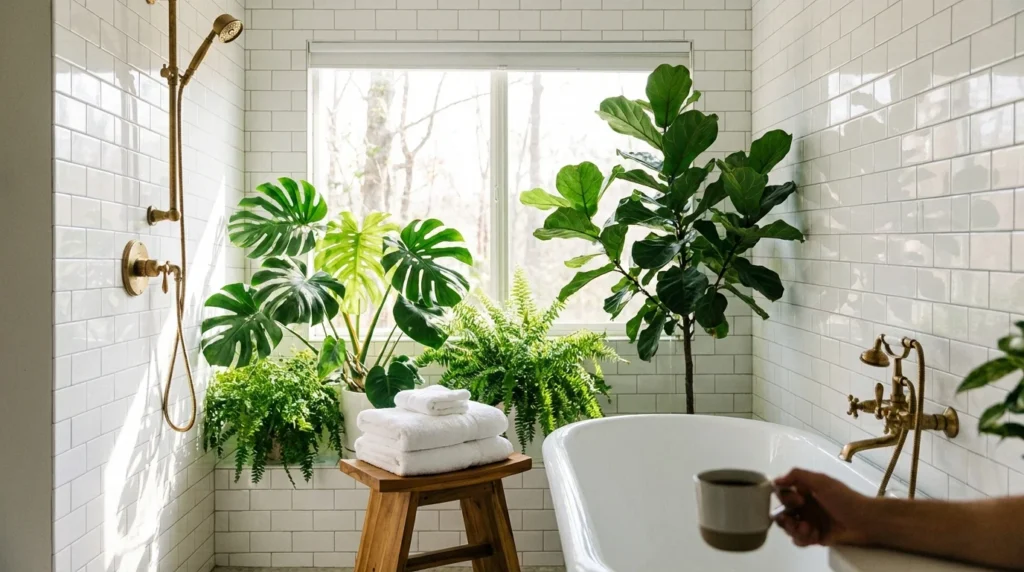
Indoor plant curation is a highly accessible, low-cost strategy. A collection of mature, pet-safe, humidity-boosting houseplants will cost between $100 and $200. Setting them up requires minimal physical effort and zero specialized skills. Your primary investment is the ongoing time required to monitor light levels and maintain a proper watering cadence.
Sealing your home’s envelope is another highly cost-effective weekend project. A professional-grade caulking gun, several tubes of silicone caulk, and a roll of weatherstripping will rarely exceed $50. Applying these materials requires beginner to intermediate DIY skills and a steady hand. The energy savings from sealing drafts often cover the cost of the materials within the first two months of peak winter or summer weather.
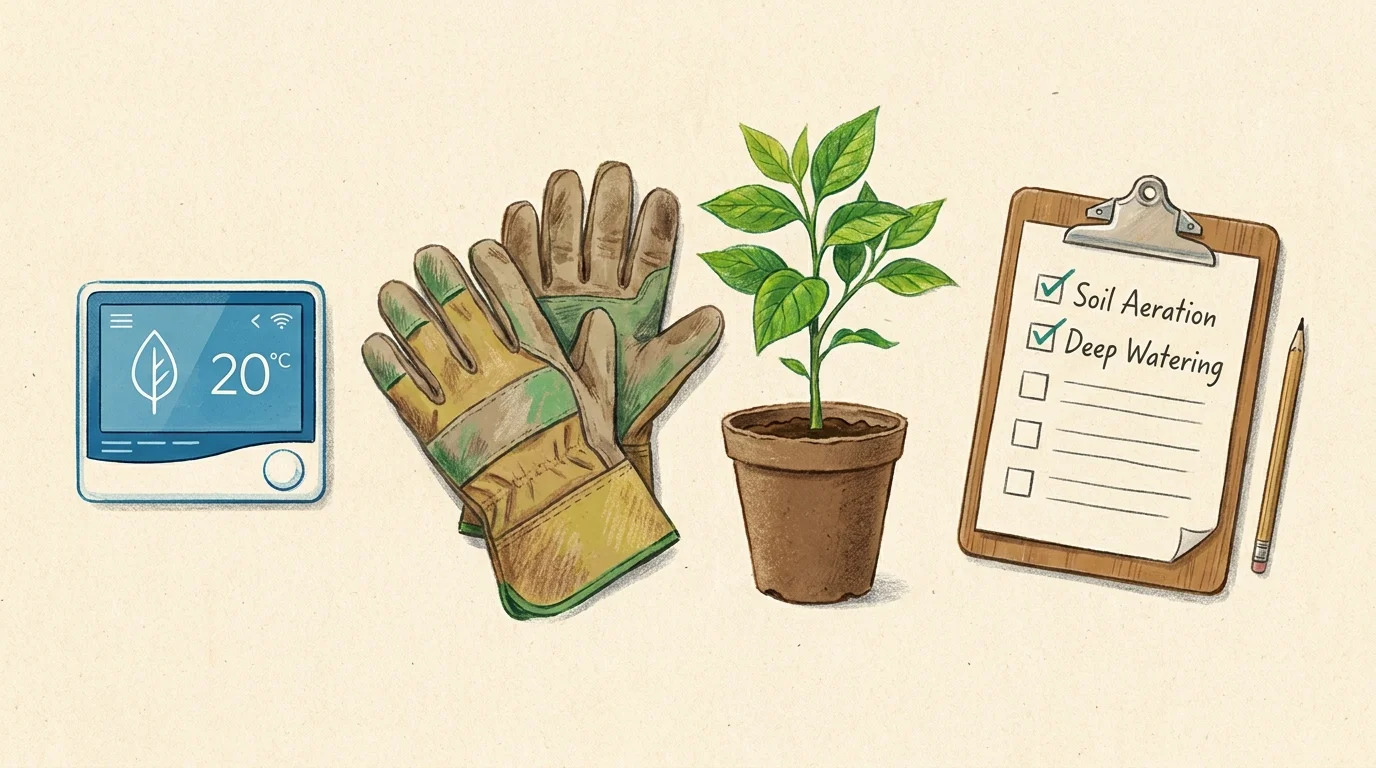
Upgrading to a smart thermostat requires a moderate upfront cost, generally ranging from $100 to $250 depending on the model and its accessibility features. Installation is relatively straightforward if you have a modern HVAC system with a C-wire, taking an intermediate DIYer about an hour to complete. However, if your home’s wiring is outdated, you should hire a licensed electrician. While paying a professional adds $100 to $200 to the total cost, it ensures the system operates safely and effectively.