Frequently Asked Questions
How do I upgrade my style trends without spending a fortune?
Focus on editing before adding. The most impactful interior design shift you can make is removing visual clutter. Clear away the disposable fast-fashion decor and heavy drapery. Once your space is streamlined, invest in a few high-quality, long-lasting elements, such as a beautifully glazed ceramic planter or a thriving, air-purifying houseplant. Propagating plants you already own is a completely free way to expand your indoor garden; simply take stem cuttings from trailing plants like Pothos or Philodendron, root them in a glass jar of water, and pot them in fresh soil once the roots reach two inches in length.
What are the best low-maintenance plants for a home refresh?
If you want the visual impact of lush foliage without a demanding care schedule, look toward epiphytic plants or tough succulents. The Jade Plant (Crassula ovata) and the Ponytail Palm (Beaucarnea recurvata) store water in their leaves and trunks, respectively, making them incredibly drought-tolerant. They thrive on neglect, requiring water only when their soil is completely dry to the bottom of the pot. Always ensure they sit in a sunny, south-facing window to maintain their vibrant growth.
How do I ensure my new decorating choices are safe for allergies?
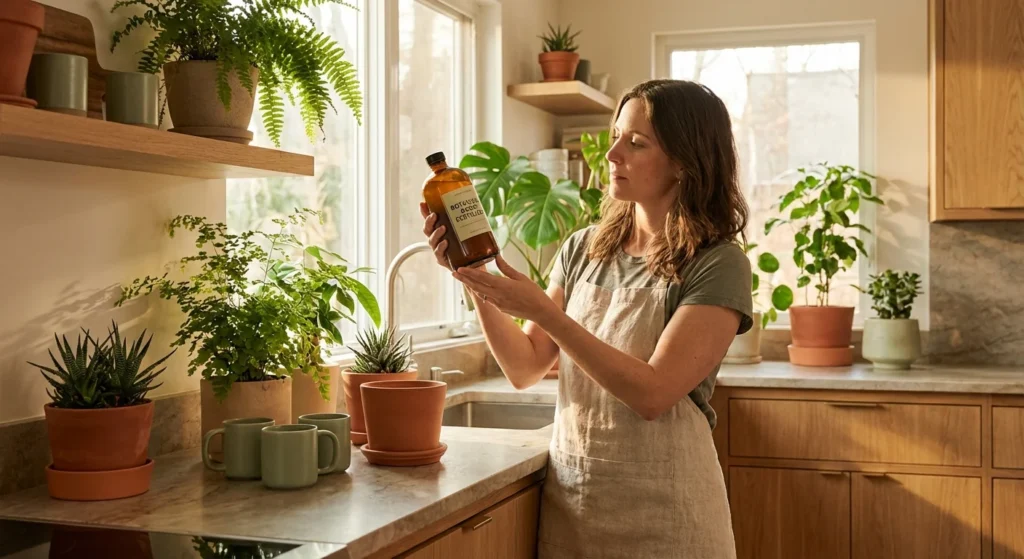
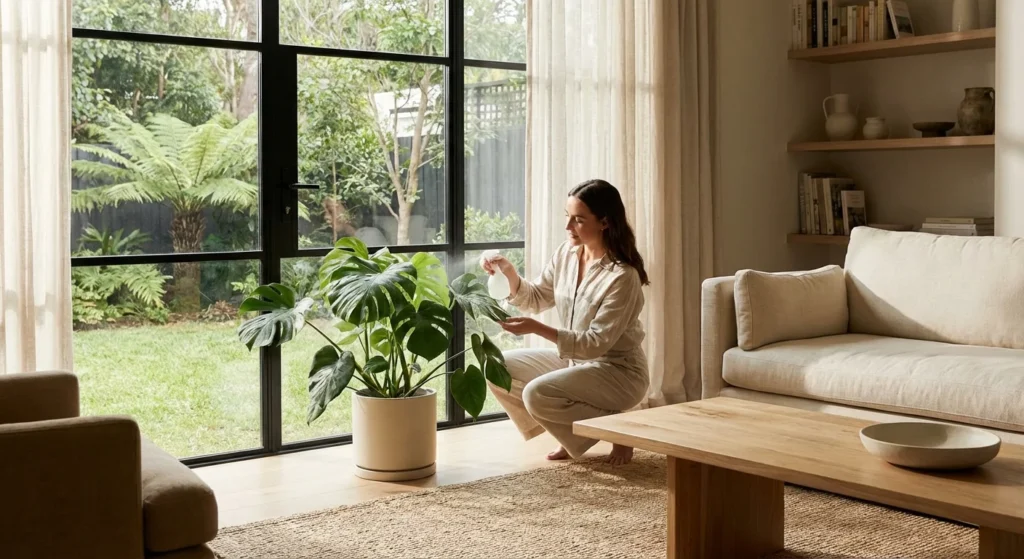
If you suffer from seasonal or indoor allergies, integrating nature into your home requires a strategic approach. Avoid bringing heavily pollinating flowering plants indoors. Instead, rely on broad-leaf foliage plants that do not produce airborne pollen. Airborne dust is a common allergen trigger, and broad leaves can collect household dust over time. Make it a habit to wipe your plant leaves bi-weekly with a damp microfiber cloth. This practice not only reduces ambient allergens but also unclogs the plant’s stomata, maintaining optimal transpiration rates and photosynthetic efficiency.
Can I integrate aging-in-place features without making my home look clinical?
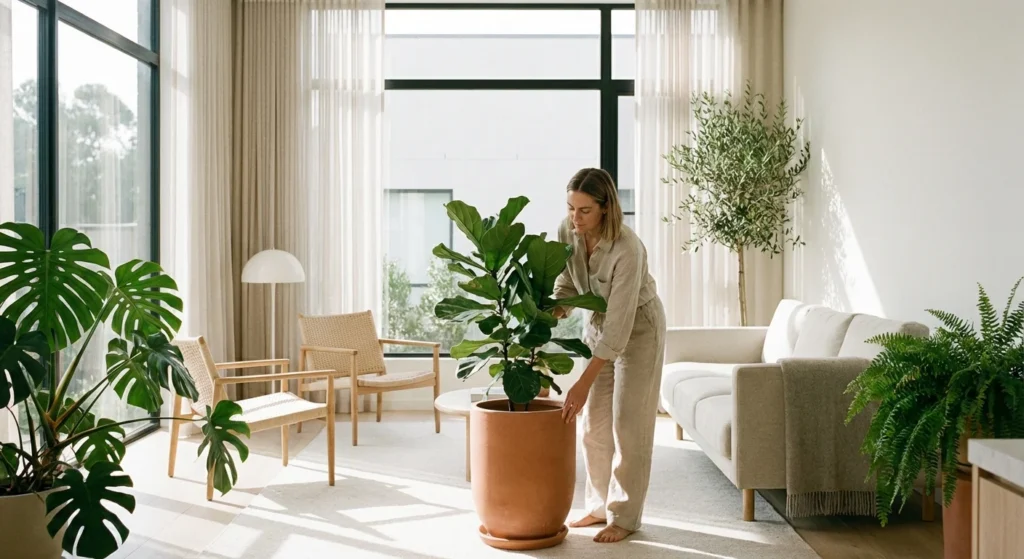
Absolutely. Universal design principles integrate seamlessly into modern, beautiful homes. Opt for slip-resistant, low-pile rugs secured firmly with heavy-duty rug pads to prevent tripping. Choose firm, supportive armchairs upholstered in luxurious, easy-to-clean fabrics rather than sterile vinyl. Keep your pathways wide and clear of floor-dwelling pots by utilizing elevated plant stands made of warm woods or sleek metals. Aging-in-place is fundamentally about reducing daily friction; when your environment supports your mobility effortlessly, it inherently feels more relaxing and aesthetically pleasing.