Smart Strategies & Upgrades
Letting go of past decorating tips opens up exciting possibilities for your home refresh. Here are seven outdated decorating trends to phase out, along with practical, nature-inspired upgrades to elevate your living spaces.
1. The Sterile, All-White Hospital Aesthetic
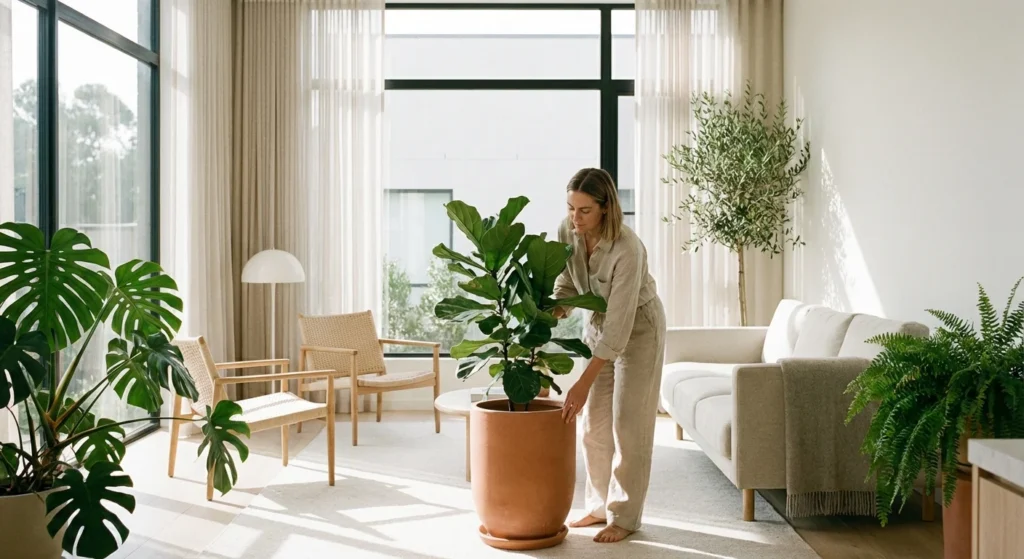
For years, stark white walls, white furniture, and white rugs dominated social media feeds. While intended to look clean and minimalist, this trend often results in spaces that feel clinical and anxiety-inducing. You should transition toward warm, earthy palettes that reflect the outdoors—think terracotta, soft sage, and warm ochre. To break up the monotony of a pale room, introduce large statement plants. A mature Ficus audrey or a towering White Bird of Paradise (Strelitzia nicolai) adds immediate architectural interest and organic color. Place these large specimens near an east-facing or south-facing window, as they require bright, indirect light to thrive. Ensure you use a loamy, well-draining soil mix amended with plenty of perlite to prevent root rot in heavy indoor pots.
2. Plastic Botanicals and Faux Foliage
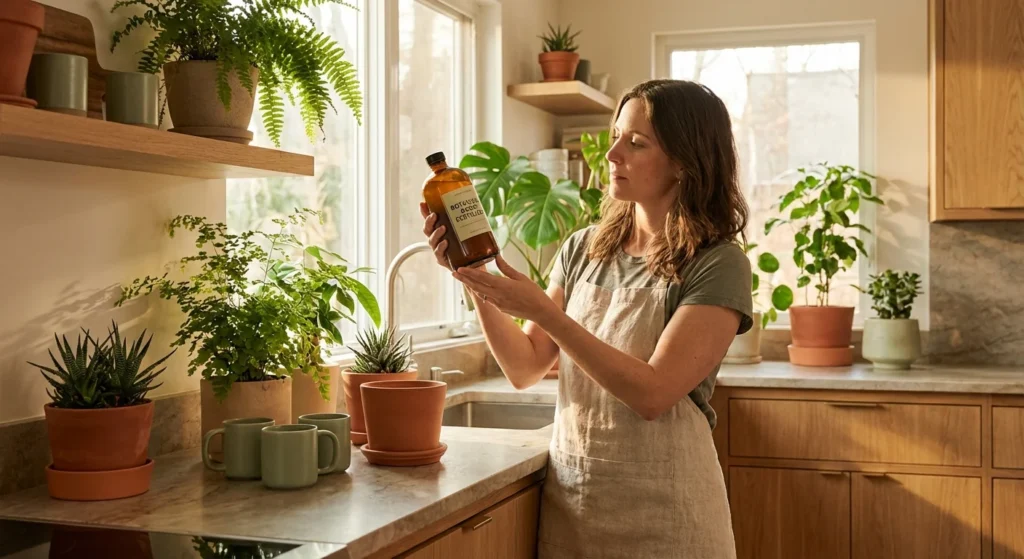
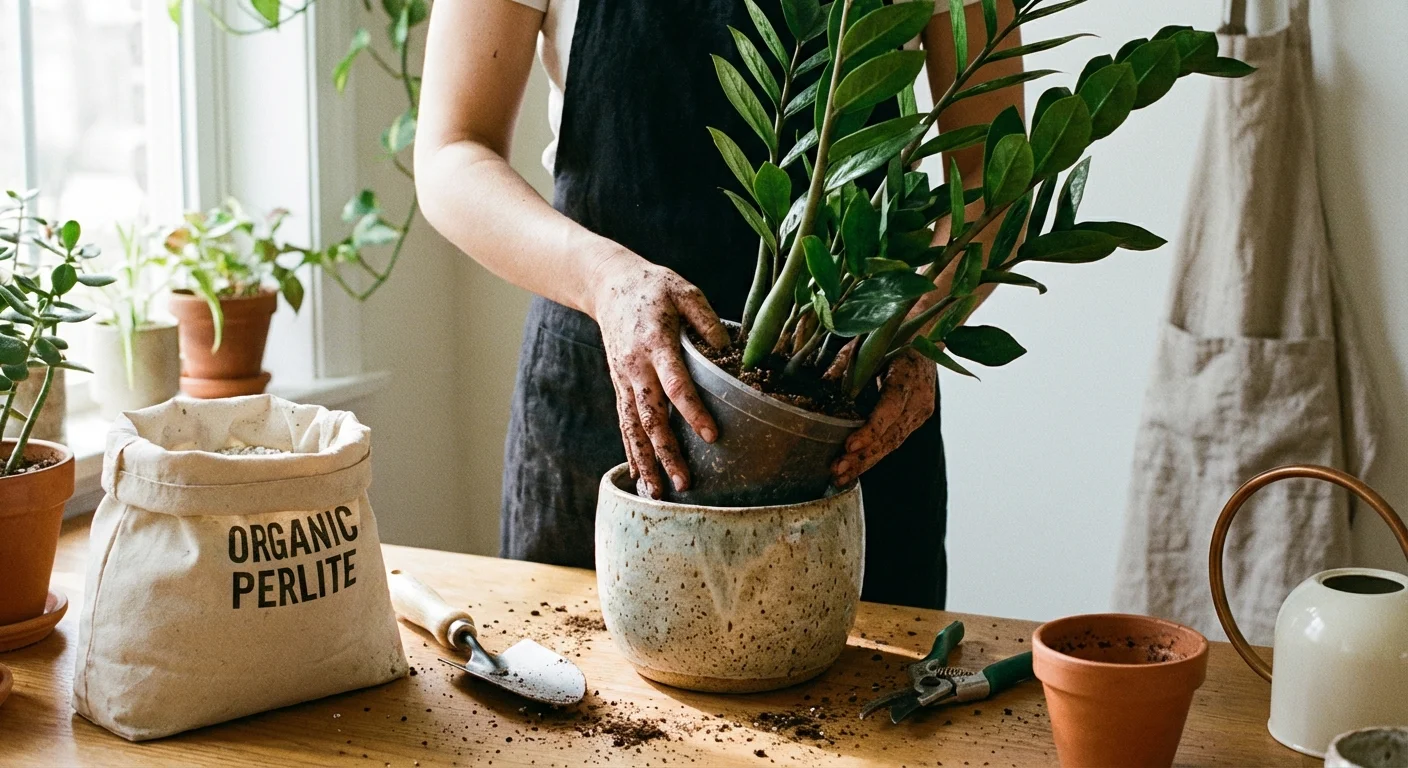
Artificial plants collect stubborn dust and offer none of the air-purifying benefits of real greenery. It is time to retire the fake fiddle leaf figs and embrace the satisfaction of horticulture. If you previously relied on faux plants because you worried about maintenance, switch to resilient, forgiving species. The ZZ Plant (Zamioculcas zamiifolia) and the Snake Plant (Sansevieria) tolerate low light and only require a deep watering once every three to four weeks using the soak-and-dry method. Pet Safety Note: Both ZZ plants and Snake plants are toxic to cats and dogs if ingested. If you have curious pets, opt for completely safe alternatives like the striking Calathea genus, the resilient Cast Iron Plant (Aspidistra elatior), or the classic Boston Fern. These pet-safe options provide stunning visual texture without the veterinary risk.
3. Heavy, Light-Blocking Window Treatments
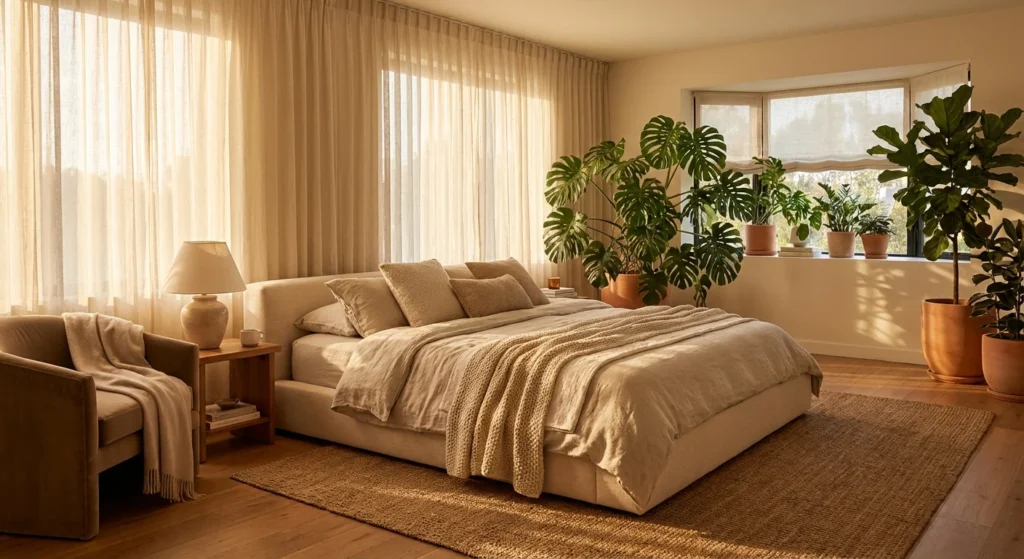
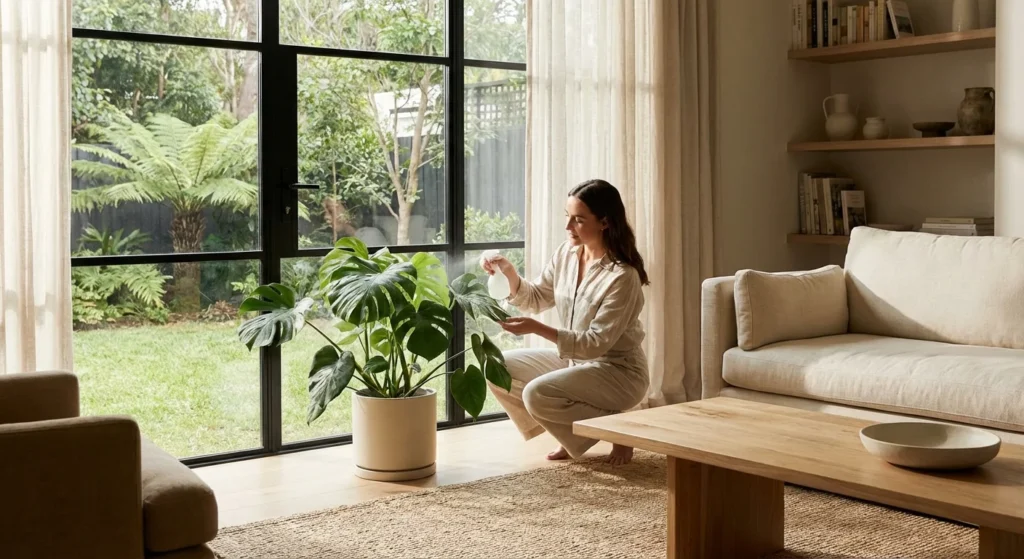
Thick, dark drapery and elaborate valances make rooms feel smaller and drastically reduce the natural light available to you and your houseplants. Outdated decor often relies on these heavy fabrics to frame a window, but they stifle the room’s energy. Swap them out for sheer linen panels, natural woven shades, or leave architecturally beautiful windows completely bare. Maximizing sunlight is critical for plant health. By allowing bright, dappled light to filter through a sheer curtain, you create the perfect microclimate for understory tropical plants like the Monstera deliciosa or trailing Philodendrons. Adjusting your window treatments effectively doubles the usable footprint for your indoor garden.
4. Uncomfortable, Rigid Replica Furniture
The obsession with unyielding, low-profile mid-century modern replica seating looks impressive in photographs but fails the test of daily life. Furniture must support your body. As interior design trends shift toward long-term livability and aging-in-place, prioritize pieces with proper ergonomic support, higher seat decks, and firm cushions that make sitting and standing effortless. Pair a comfortable, high-quality reading chair with a sturdy side table. This table can hold your morning coffee alongside a moisture-loving Maidenhair Fern. When selecting supportive furniture, choose performance fabrics that resist water spots, making your routine plant care and misting stress-free.
5. Disposable, Fast-Fashion Decor Objects
Mass-produced, cheap trinkets clutter your shelves and quickly lose their appeal. Instead of filling your bookcases with meaningless filler, curate living displays that evolve over time. Terrariums are excellent replacements for static knickknacks. You can build a stunning enclosed ecosystem using a glass apothecary jar. Start with a base layer of horticultural gravel for drainage, add a thin layer of activated charcoal to keep the environment sweet and prevent bacterial growth, and top it with a high-quality indoor potting mix. Plant moisture-loving miniature ferns or Fittonia (nerve plants) inside. Living decor requires your engagement, transforming a dusty shelf into a captivating, breathing focal point.
6. Cluttered, Obstructed Walkways
Filling every empty corner of a room with floor vases, magazine racks, or clusters of small plant pots creates a chaotic visual landscape and introduces serious trip hazards. Navigability is a cornerstone of aging-in-place design; you should always maintain clear, wide pathways (ideally 36 inches or more) through every room. To achieve a lush look without compromising your floor plan, move your greenery vertically. Install secure ceiling hooks and suspend hanging baskets filled with trailing Spider Plants (Chlorophytum comosum) or cascading Pothos. Structural Caution: Wet soil is incredibly heavy. Always use a stud finder to anchor ceiling hooks directly into structural joists rather than relying solely on drywall toggles. Wall-mounted planters also draw the eye upward, making the ceiling feel higher while keeping your floors safely clear.
7. High-Maintenance, Delicate Surfaces
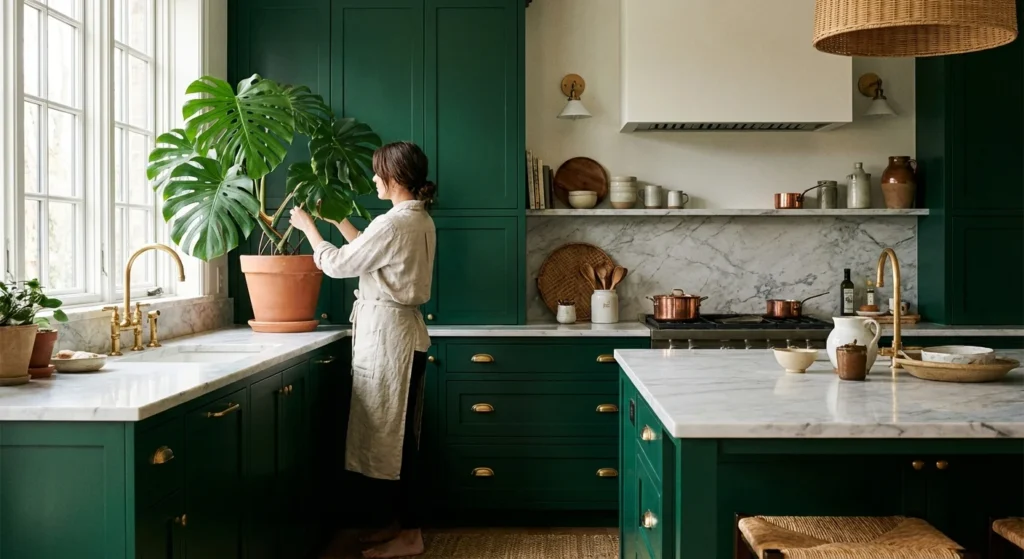
Porous marble countertops, untreated wood consoles, and easily stained rugs are beautiful but highly impractical for a home filled with life, pets, and plants. Water spills and soil overflows happen to the most experienced indoor gardeners. Retiring these delicate surfaces in favor of durable, life-proof materials significantly reduces your daily stress. Opt for sealed quartz, tempered glass, or properly finished hardwoods that wipe clean in seconds. When placing heavy ceramic pots on any flooring or furniture, always use deep, waterproof saucers and elevate the pots slightly with cork trivets. This simple practice ensures adequate airflow beneath the container and protects your upgraded surfaces from insidious moisture rings.