Frequently Asked Questions
What is the best pathway material for accommodating a cane or walker?
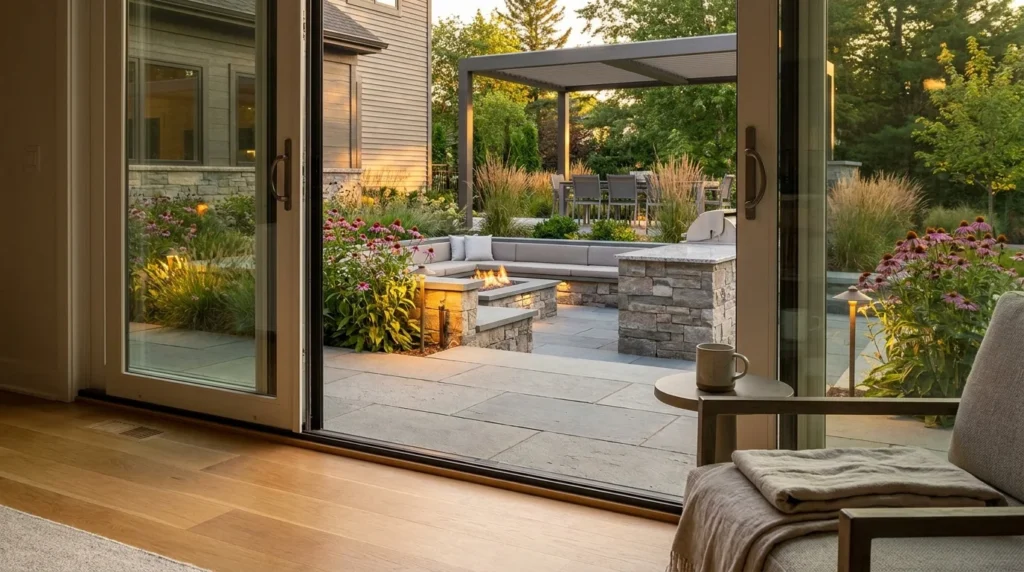
Brushed concrete and tightly laid, large-format paving stones are the superior choices. They provide a continuous, flat surface with enough microscopic texture to prevent slipping. Avoid cobblestones, stamped concrete with deep grooves, and loose materials like pea gravel or crushed granite, as wheels and canes easily sink into or catch on these irregular surfaces.
How can I safely manage aggressive weeds without bending over?
Prevention is the most effective strategy. Apply a thick, three-inch layer of organic hardwood mulch across your beds to suppress weed germination and retain soil moisture. For the stray weeds that do emerge, invest in a long-handled, ergonomic stand-up weeder. This tool allows you to extract the weed entirely by the root while remaining comfortably upright. Avoid relying on harsh chemical herbicides, which can introduce toxic runoff into your environment and pose risks to visiting pets.
Are solar lights reliable enough to function as primary safety lighting?
While solar technology has improved immensely, its reliability depends entirely on your yard’s light levels. If your pathways receive six to eight hours of direct, unobstructed sunlight daily, high-quality lithium-ion solar lights will perform adequately. However, in heavily shaded gardens or during the short, overcast days of winter, solar panels often fail to gather enough energy to last through the night. For critical walkways and staircases, low-voltage hardwired LED systems remain the safest, most dependable option.