Budget, Time, & Skill Considerations
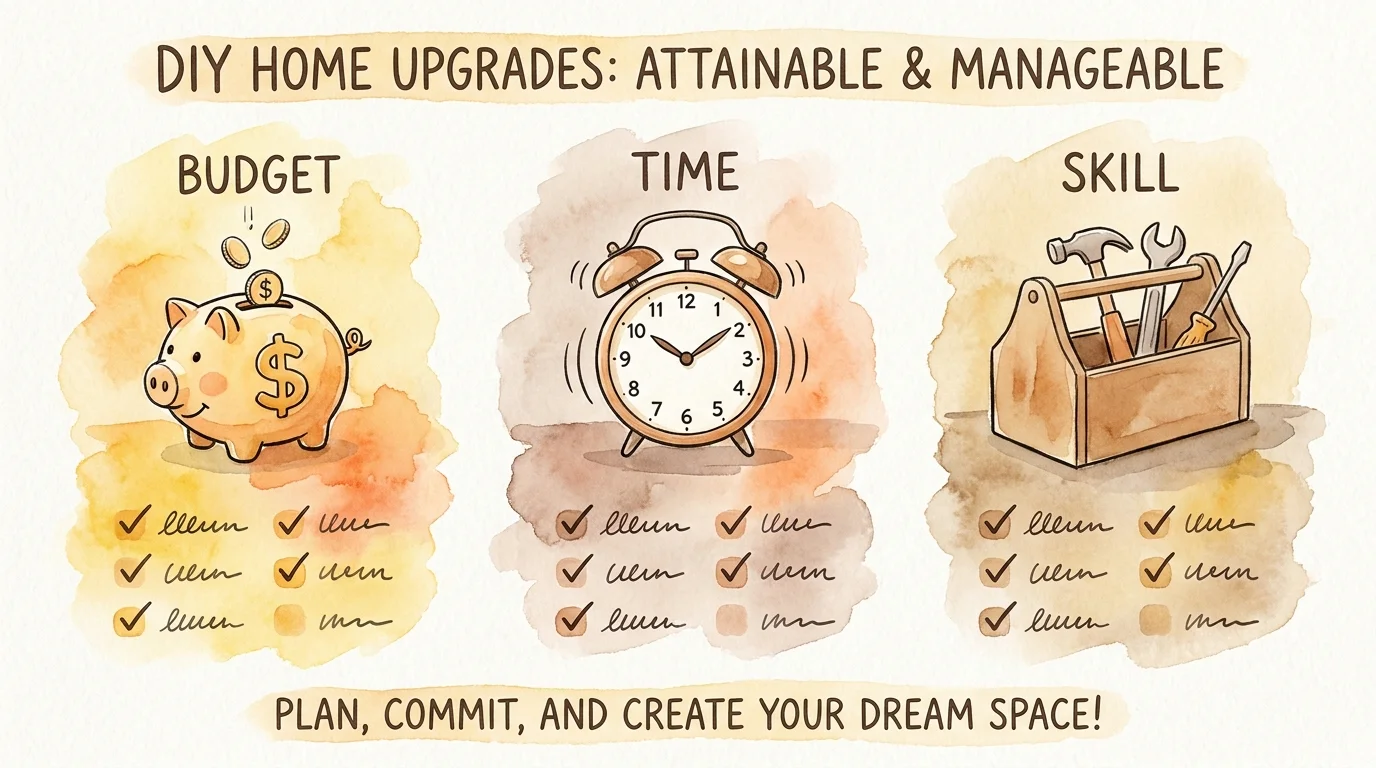
Executing these safety upgrades requires a realistic assessment of your budget, physical capabilities, and timeline. While some modifications are simple weekend projects, others demand professional expertise to ensure long-term structural integrity.
Installing low-voltage lighting and setting up basic drip irrigation timers are highly accessible DIY tasks. Manufacturers design these systems specifically for easy, plug-and-play installation without the need for an electrician. Building raised beds from prefabricated kits also falls comfortably within a beginner’s skill set, typically taking just a few hours to assemble and fill.
However, projects involving significant hardscaping—such as pouring brushed concrete walkways, leveling sunken pavers, or anchoring heavy metal handrails into deep footings—should generally be outsourced. Improperly installed handrails or unevenly poured concrete can create hazards worse than the original problem. Hiring licensed landscape contractors guarantees that the work meets local building codes and ADA accessibility standards.
View these investments through the lens of long-term savings. The cost of a professionally installed slip-resistant walkway is dramatically lower than the medical expenses associated with an outdoor fall. Taking a phased approach allows you to spread out the financial impact while immediately addressing the highest-risk areas of your property.
For authoritative guidance, refer to cooperative extension resources like the PennState Extension and the Clemson Home & Garden Information Center. Botanical gardens and university horticulture programs are also excellent references.