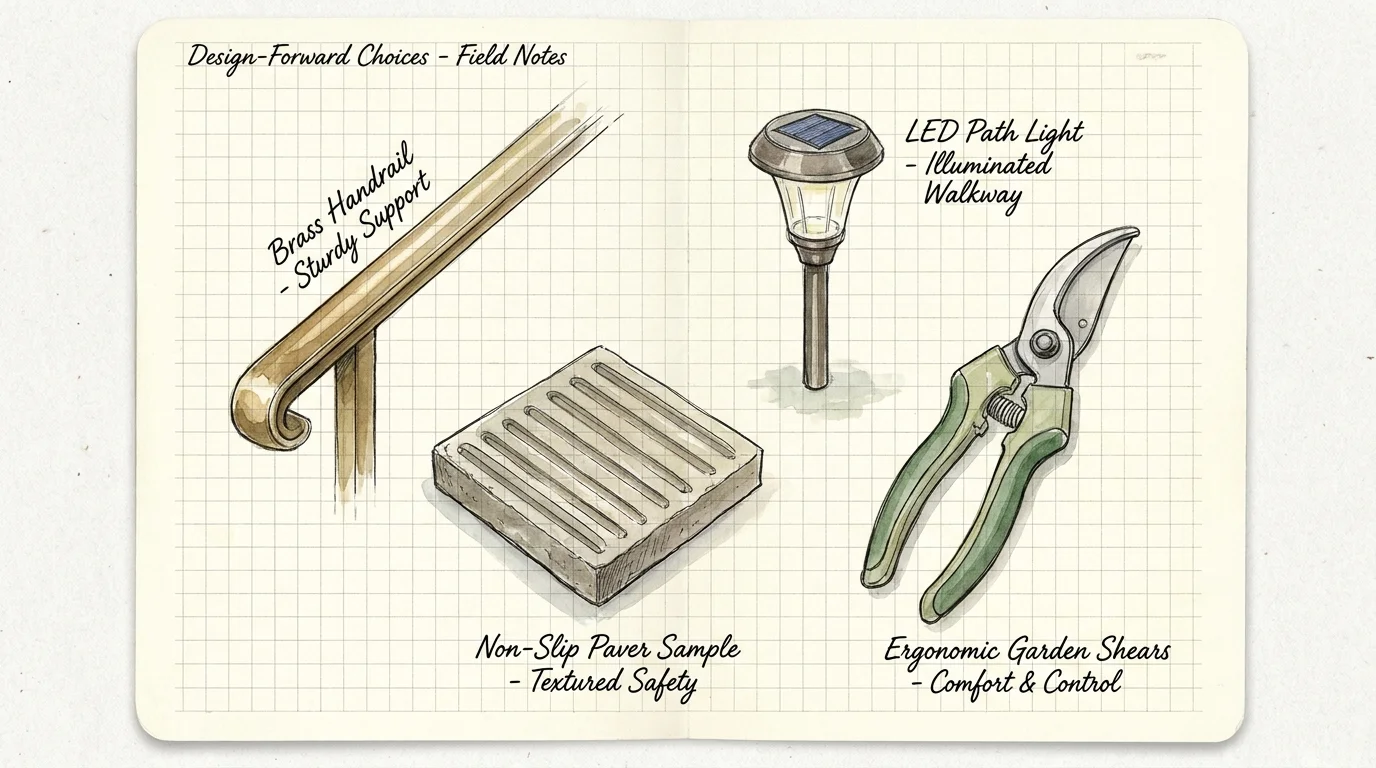
Smart Strategies & Upgrades
Improving your exterior environment involves blending hardscape modifications with intelligent horticultural practices. The following seven upgrades address the most common residential hazards while enhancing the visual appeal of your gardens.
1. Illuminate the Landscape for Evening Strolls
Proper lighting serves as the first line of defense against nighttime accidents. Aging eyes require more time to adjust to sudden shifts between bright light and darkness, making consistent, ambient illumination crucial. Shadows cast by poorly placed spotlights can create optical illusions, making a flat pathway look like a dangerous drop-off.
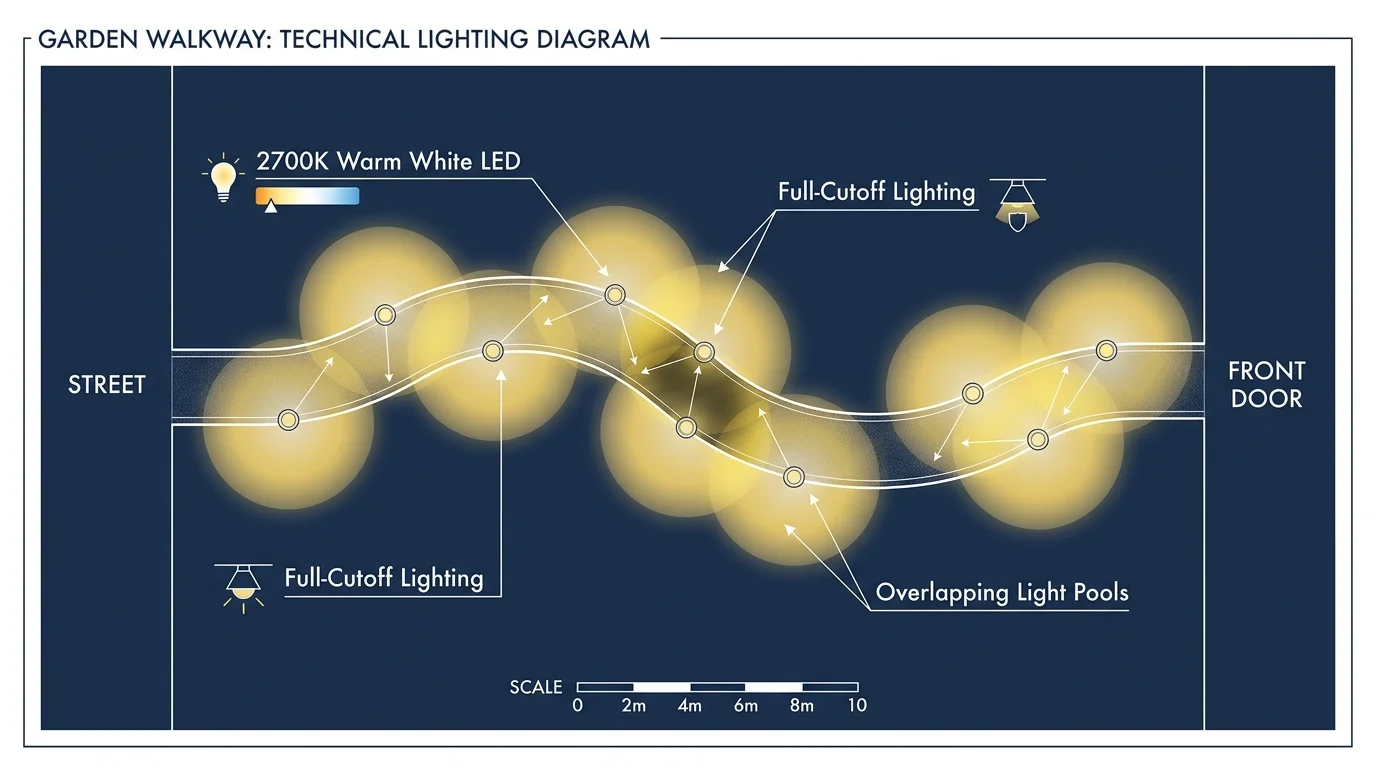
Upgrade your exterior with low-voltage LED path lights that direct illumination downward. This technique—often referred to as full-cutoff lighting—prevents blinding glare while clearly defining the edges of walkways. Aim for warm white bulbs with a color temperature of around 2700K. This soft glow accurately renders the colors of your foliage and flowers without creating a harsh, institutional feel. Ensure fixtures are spaced closely enough so that their light pools overlap, creating a seamless visual guide from the street to your front door.

2. Level and Texturize Walkways
The ground beneath your feet must offer reliable traction in all weather conditions. Loose gravel, uneven flagstones, and smooth concrete that becomes slick when wet are primary culprits for yard accidents. If you want to successfully prevent outdoor falls, you must address these surface irregularities immediately.
Replace shifting materials with ADA-compliant pavers or brushed concrete, which provides a subtle texture that grips footwear. Pay close attention to environmental factors that degrade traction. Overhanging tree canopies block sunlight and reduce air circulation, creating the perfect damp environment for slippery moss and algae to thrive on your paths. By pruning back adjacent shrubs to increase light levels and applying pet-safe horticultural vinegar to mossy patches, you structurally and organically improve the safety of your walkways.
3. Construct Ergonomic Raised Garden Beds
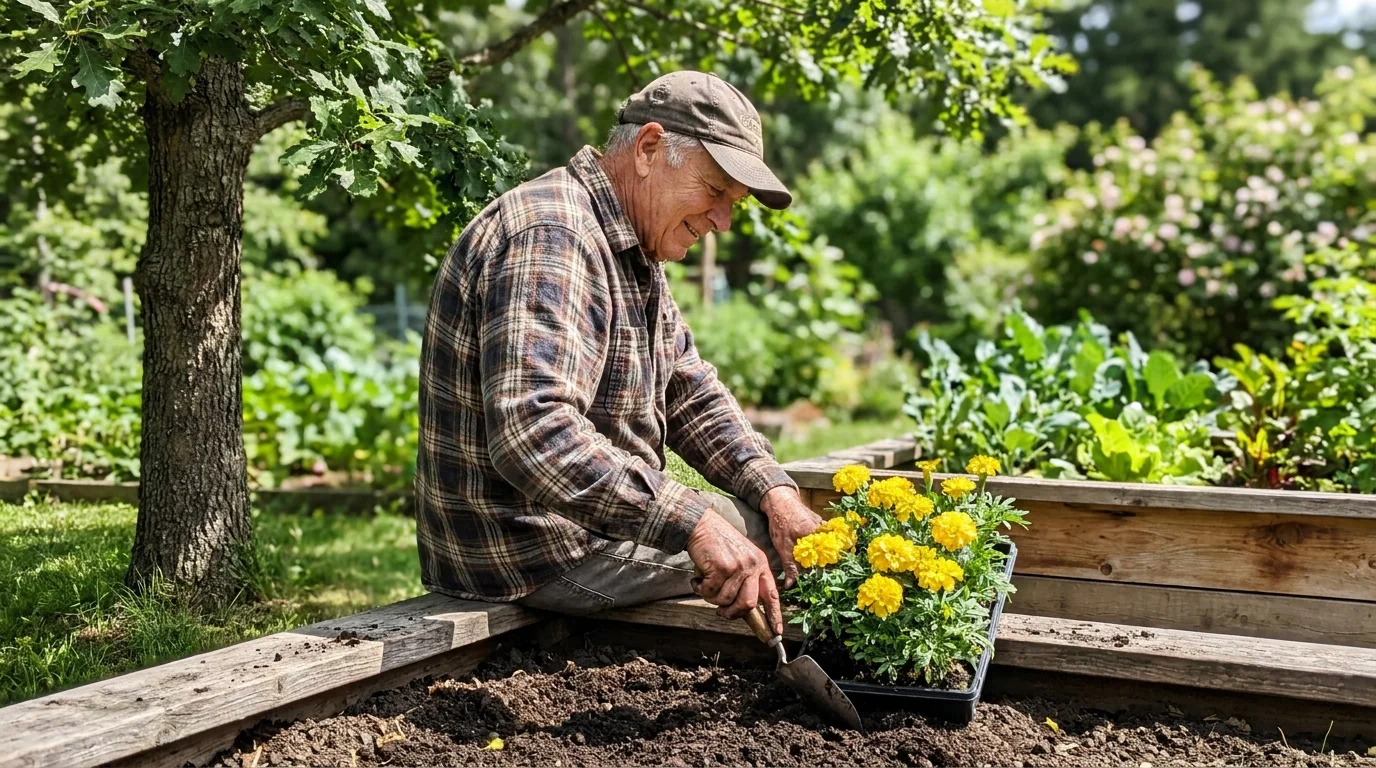
Gardening should engage the senses, not strain the lower back. Ground-level beds require deep bending and kneeling, which stresses joints and compromises balance. Transitioning to raised garden beds brings the soil—and the joy of planting—directly to your fingertips.
Design your raised beds to sit between 24 and 32 inches high. This elevation allows you to tend to your vegetables or flowers while standing comfortably or seated on a sturdy stool. Because raised beds drain much faster than in-ground plots, their soil composition requires special attention. Fill them with a lightweight, nutrient-dense mixture of one-third high-quality topsoil, one-third rich organic compost, and one-third perlite or coarse sand. This blend ensures excellent aeration and prevents the soil from compacting over time, making it effortless to plant seeds and pull weeds.
4. Integrate Sturdy, Weather-Resistant Handrails
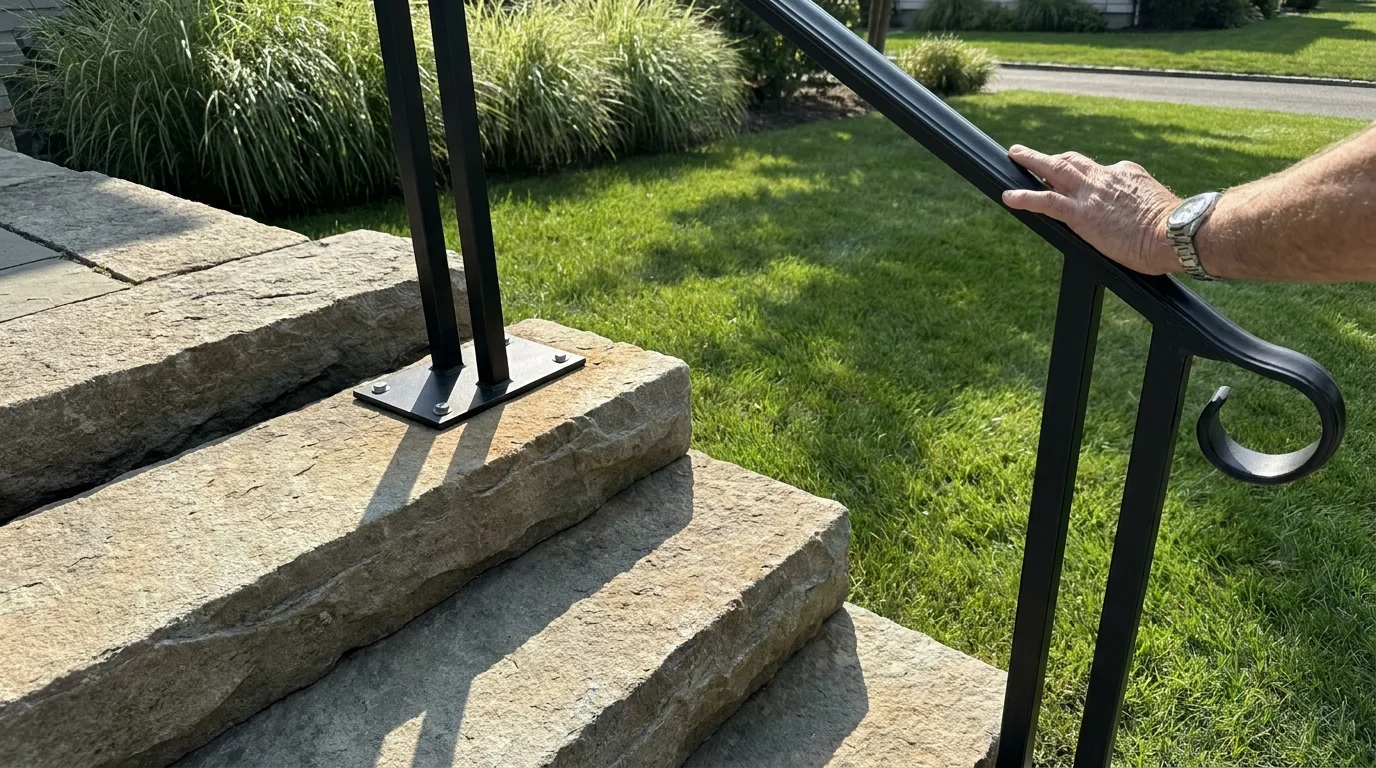
Even minor changes in elevation pose significant mobility challenges. A single, low-profile step leading to a porch or a slight grade change in a garden path demands structural support. Installing handrails is a non-negotiable upgrade for comprehensive property safety.
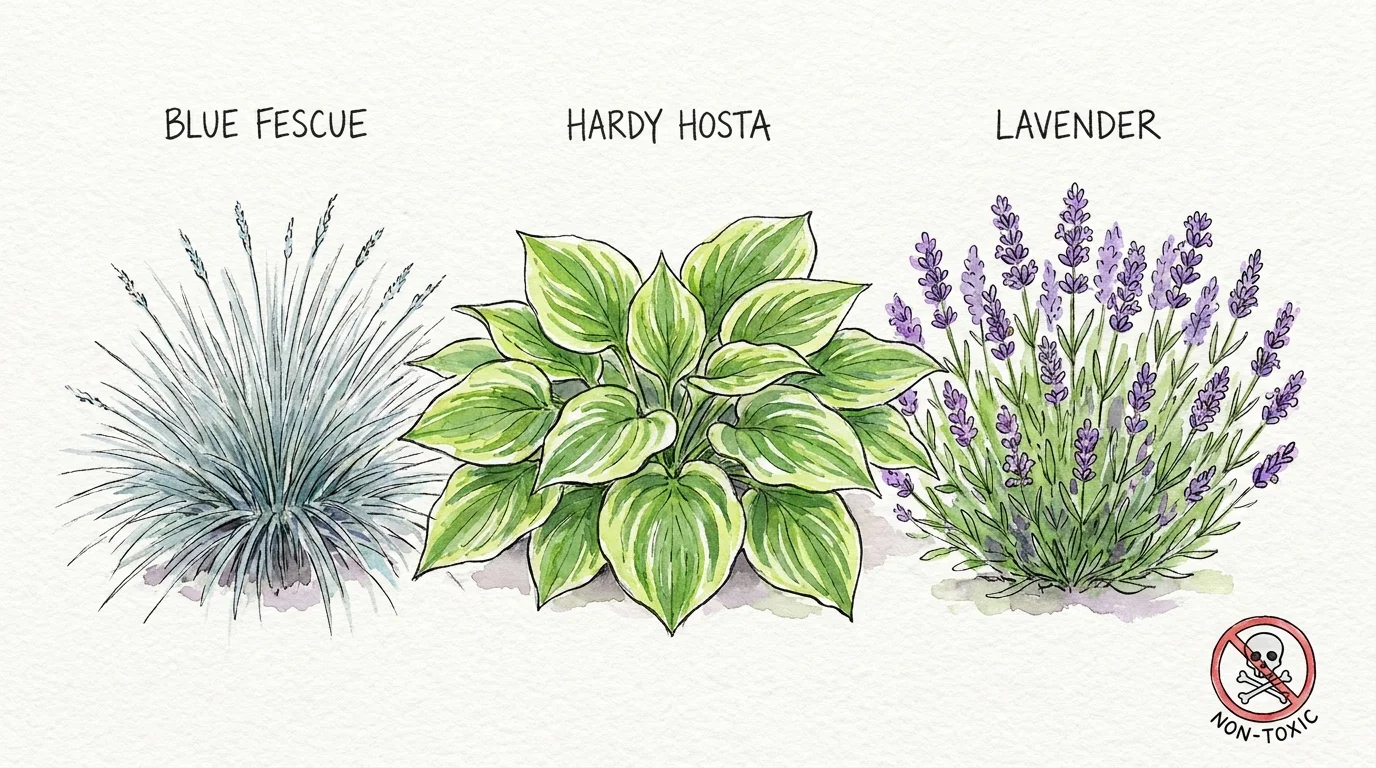
Select handrails made from durable, weather-resistant materials like powder-coated aluminum or galvanized steel. These metals withstand harsh elements without splintering or rotting like traditional wood. It is an absolute structural caution that handrails must be anchored into solid concrete footings, never just packed into topsoil. When planting near these transition zones, choose thornless, non-toxic varieties. Avoid aggressive, spiky plants like barberry or shrub roses near stairs; instead, soften the metal hardware with gentle, cascading ornamental grasses or trailing sweet potato vines.
5. Transition to Low-Maintenance, Non-Toxic Plantings
An overgrown garden quickly becomes a hazardous obstacle course. High-maintenance shrubs that require frequent ladder-climbing to sheer, or plants that constantly drop slippery fruit and large seed pods, dramatically increase the workload and risk level of your yard. Emphasizing safe garden tips means curating a landscape that works for you, rather than the other way around.
Swap out demanding exotic plants for resilient native perennials that naturally thrive in your local soil and climate. Natives require less fertilizer, survive seasonal droughts, and generally resist local pests. Additionally, prioritize pet safety and allergen control. If dogs or grandchildren frequently visit, eliminate highly toxic species such as sago palms, foxglove, and oleander. To minimize airborne allergens, opt for insect-pollinated flowers—like coneflowers and salvias—over wind-pollinated plants that produce heavy pollen loads.
6. Automate Irrigation to Eliminate Hose Hazards
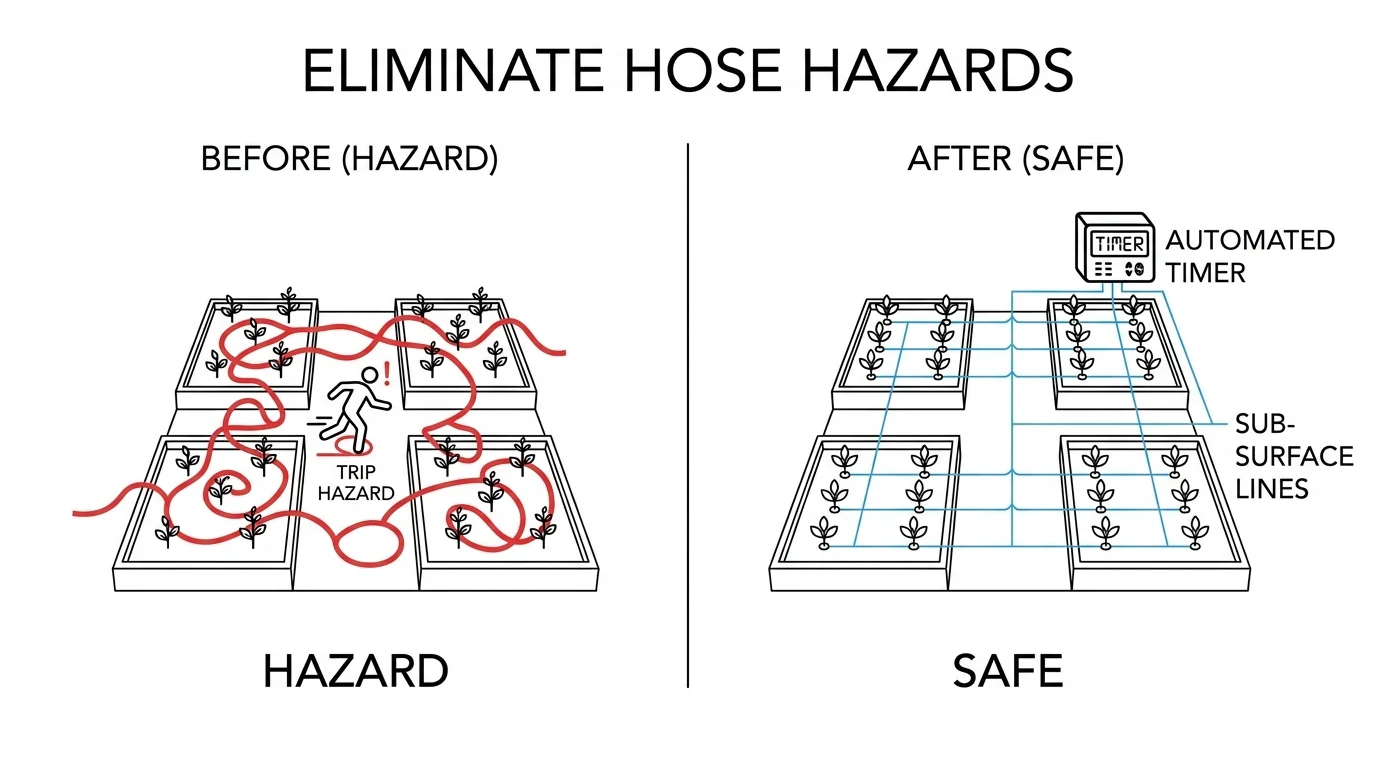
Dragging fifty feet of heavy, water-filled rubber hose across the lawn is an arduous task that introduces a massive tripping hazard. Green hoses easily blend into the grass, catching the feet of unsuspecting walkers. Upgrading your watering methodology is essential for maintaining yard safety 60+ homeowners can rely on.
Install a targeted drip irrigation system connected to an automated, weather-sensing smart timer. Drip lines deliver water directly to the root zone of your plants. This method drastically reduces water waste, lowers your utility bills, and keeps water off the foliage—which prevents fungal diseases like powdery mildew. More importantly, it keeps water off your hardscaping, reducing the chance of slippery puddles and algae growth on your patios.
7. Designate Shaded, Accessible Resting Zones
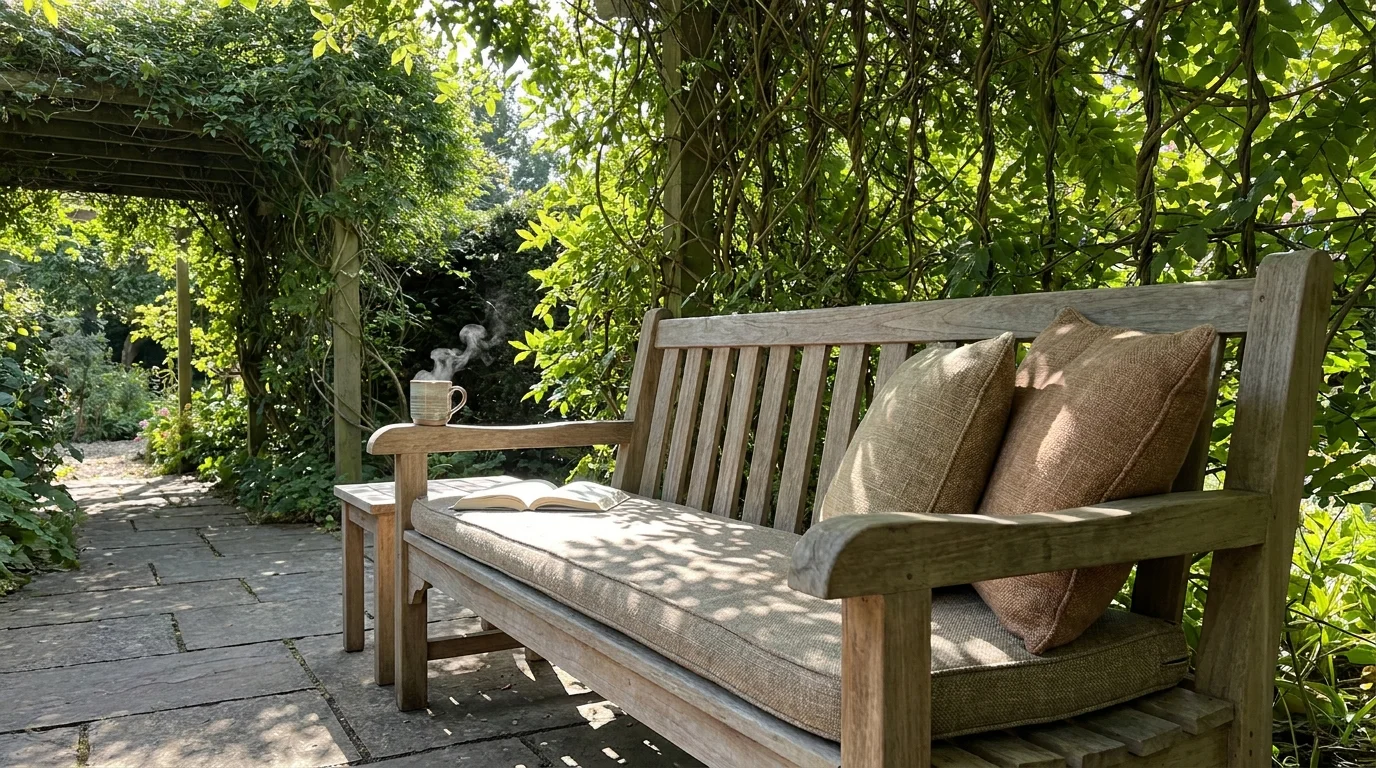
Stamina fluctuates, and the ability to sit down and rest gracefully is vital during long afternoons outdoors. A beautifully designed garden incorporates built-in pauses. Creating inviting resting areas ensures that you never feel stranded far from the house.
Place sturdy teak or metal benches with solid armrests throughout your yard. Armrests are critical, as they provide the necessary leverage to help you stand back up safely. Position these seating areas in dappled shade to protect against overheating and sunburn. Surround your resting spots with a sensory garden to elevate the experience; plant fragrant, non-toxic herbs like lemon balm, lavender, or rosemary nearby. This thoughtful design choice turns a functional safety requirement into a deeply therapeutic garden feature.