Frequently Asked Questions
How do I make my existing large floor plants safer without throwing them away?
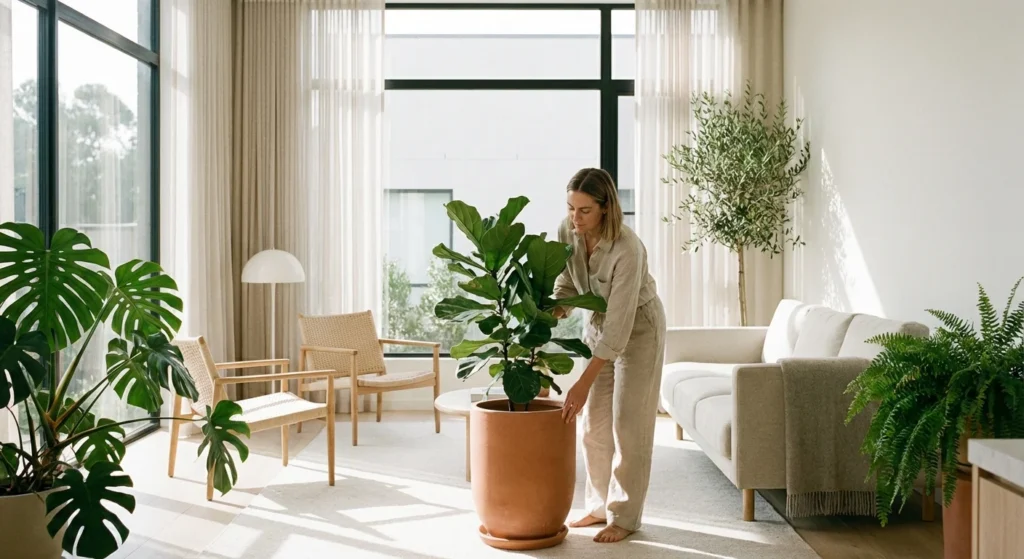
You never have to abandon your mature, beloved plants to achieve a safer home. The most effective strategy is to reduce their physical weight and improve their mobility. First, gently unpot the plant and remove excess, compacted soil. Repot the plant into an inexpensive, lightweight plastic nursery pot using a highly aerated soil mix containing plenty of perlite and pumice. Next, place this plastic pot inside your decorative heavy planter, but leave the heavy planter permanently stationed on a heavy-duty rolling caddy equipped with locking casters. When it is time to clean the floor, you can simply unlock the wheels and glide the massive plant across the room with zero lifting.
What are the best low-maintenance plants for a safe, senior living environment?
When curating a low-maintenance, high-reward indoor garden, focus on drought-tolerant and forgiving species. Sansevieria, commonly known as snake plants, thrive on neglect and require watering only once every few weeks, minimizing your labor. Zamioculcas zamiifolia, or the ZZ plant, is another architectural stunner that tolerates low light and infrequent watering. For a softer aesthetic, consider the cast iron plant; true to its name, it withstands almost any indoor condition without shedding messy leaves or demanding a rigid care schedule. These robust varieties provide the psychological benefits of greenery without the physical demands of high-maintenance tropicals.
Do smart home systems really improve home safety for those who are not tech-savvy?
Absolutely. Modern smart home ecosystems are designed with intuitive, user-friendly interfaces that prioritize automation over constant manual adjustment. Once a smart lighting hub or a smart irrigation timer is initially configured—a process that usually takes less than fifteen minutes via a smartphone application—it runs autonomously in the background. You do not need to interact with the technology daily. The system simply knows to turn on the hallway lights at dusk and water your indoor drip-line on Tuesday mornings. This invisible assistance drastically reduces your mental load and physical risk, making technology one of the most reliable allies in fall prevention and home accessibility.