Budget, Time, & Skill Considerations
Implementing smart upgrades for safer living at home requires realistic planning. Not every modification demands a general contractor or a massive budget; many high-impact safety improvements can be accomplished over a single weekend.
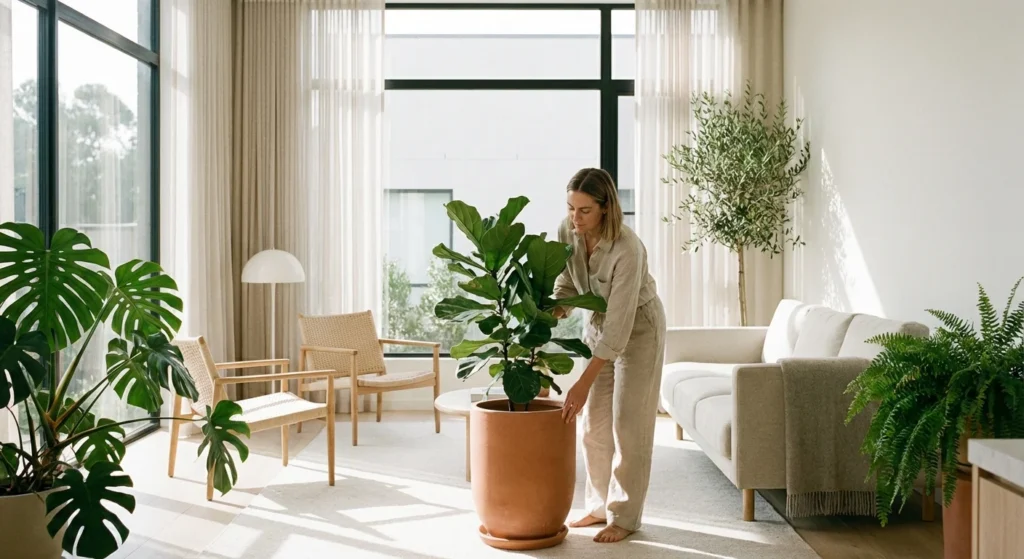
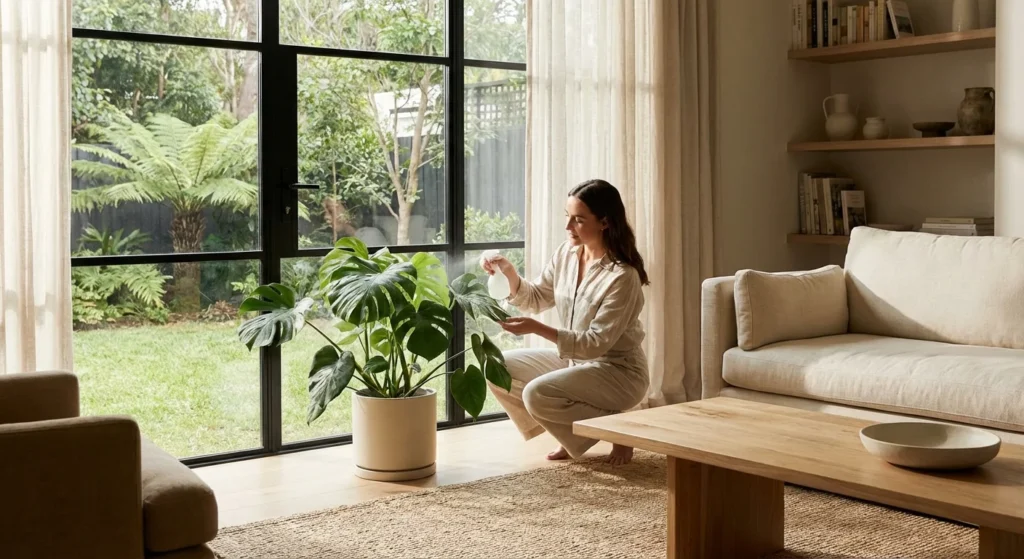
If you are working with a modest budget and limited time, begin with immediate DIY solutions. Swapping out your traditional light bulbs for automated smart LED bulbs takes mere minutes and instantly enhances pathway visibility. Repotting your heaviest plants into lightweight fiberglass containers and utilizing rolling plant caddies are affordable, low-skill projects that yield immediate ergonomic benefits. Upgrading to self-watering pots or installing a few aesthetic cable concealers along your baseboards are also excellent, cost-effective steps toward a safer home.
For a moderate investment of time and funds, you can tackle organizational and structural improvements. Installing secure, heavy-duty floating shelves or wall-mounted trellises requires basic carpentry skills and the proper tools. Whenever you mount hardware to hold damp soil and heavy ceramics, structural cautions are paramount. Always use a stud finder to anchor your brackets directly into the wood framing of your walls; drywall anchors alone will inevitably fail under the sheer weight of a watered plant, creating a dangerous falling hazard.
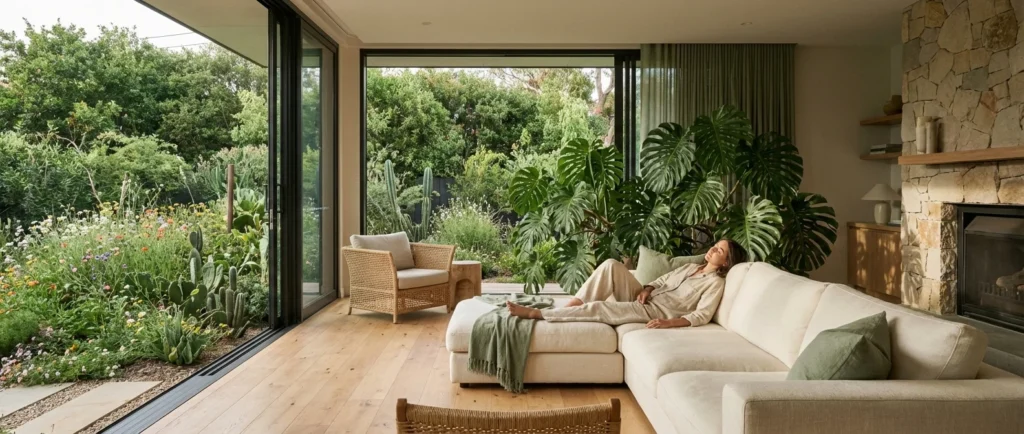
High-budget, comprehensive upgrades generally require professional execution. Replacing slick tile with premium slip-resistant luxury vinyl plank flooring or installing zero-threshold sliding glass doors are investments in your property’s long-term value and your ultimate safety. When planning these larger renovations, consult with contractors who specialize in aging-in-place design to ensure every modification meets optimal safety standards while preserving the architectural beauty of your home.