Pouring thousands into a massive outdoor kitchen won’t guarantee a return on investment, but focusing on functional backyard upgrades that buyers actually crave instantly boosts your home value. The modern real estate market prioritizes outdoor living spaces that feel like effortless extensions of the home rather than high-maintenance burdens. Whether you plan to sell next spring or want to enjoy your property for another decade, understanding these hidden preferences allows you to spend your renovation budget wisely. Today’s buyers secretly look for native privacy screens, smart irrigation, and zoned entertaining areas offering immediate relaxation without constant upkeep. Strategically updating your yard with these nine practical features secures a commanding edge over competing homes while elevating your daily life.
1. Drought-Tolerant Native Landscaping
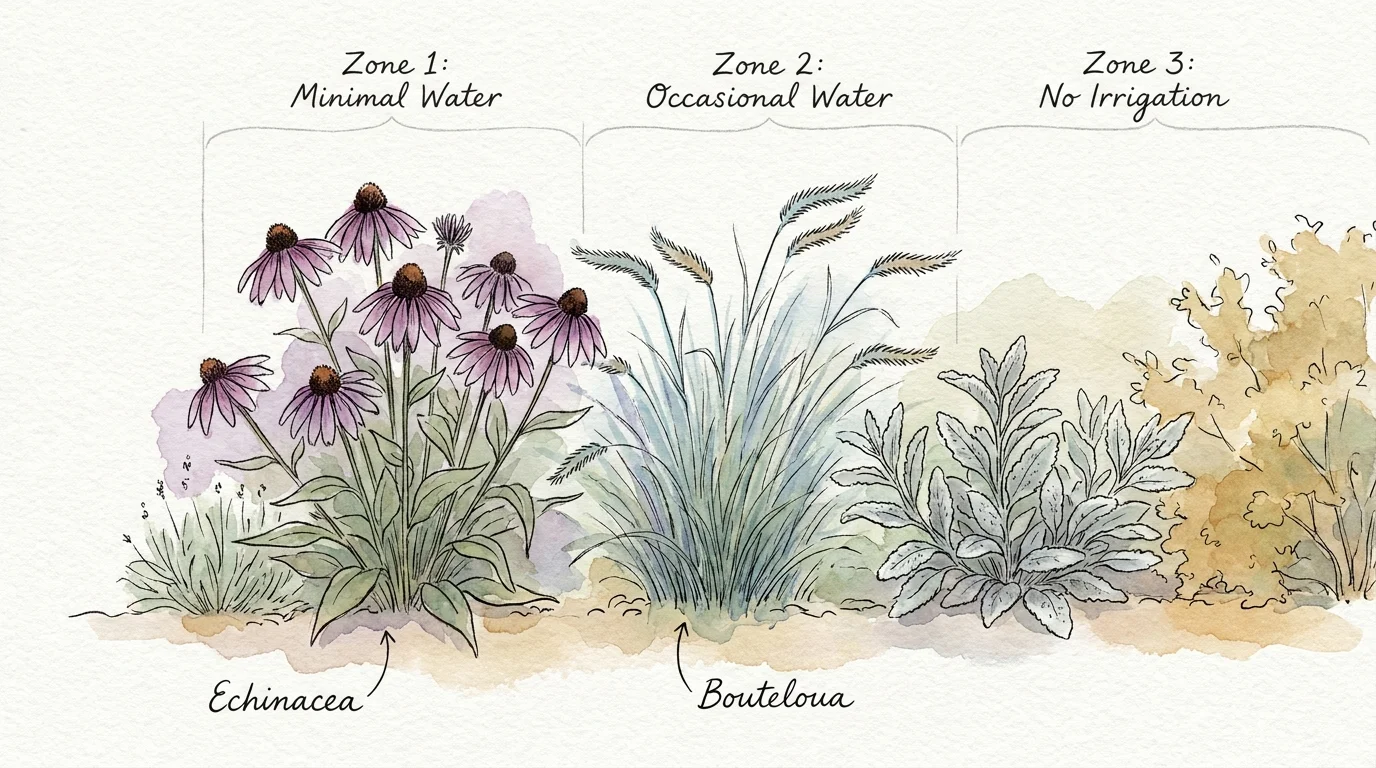
Lush, emerald-green lawns covering every square inch of a property are no longer the ultimate real estate status symbol. Today, design-forward homeowners actively seek out yards that look beautiful without requiring endless weekends of mowing, fertilizing, and watering. Transitioning a portion of your yard to drought-tolerant, native landscaping is an aesthetic choice that pays massive dividends by lowering utility bills and reducing maintenance anxiety for future owners.
Native plants naturally thrive in your local climate, meaning they possess built-in resistance to regional pests and require significantly less supplemental watering once established. When you group plants with similar water and sunlight needs—a technique known as hydrozoning—you create a resilient landscape that practically cares for itself. Instead of fighting your soil type to keep exotic plants alive, leverage the power of regional flora. If you are unsure where to begin selecting native species for your specific region, the Missouri Botanical Garden Plant Finder provides an exceptional database to identify hardy, beautiful options that will thrive in your exact hardiness zone.
2. Layered Living Privacy Screens
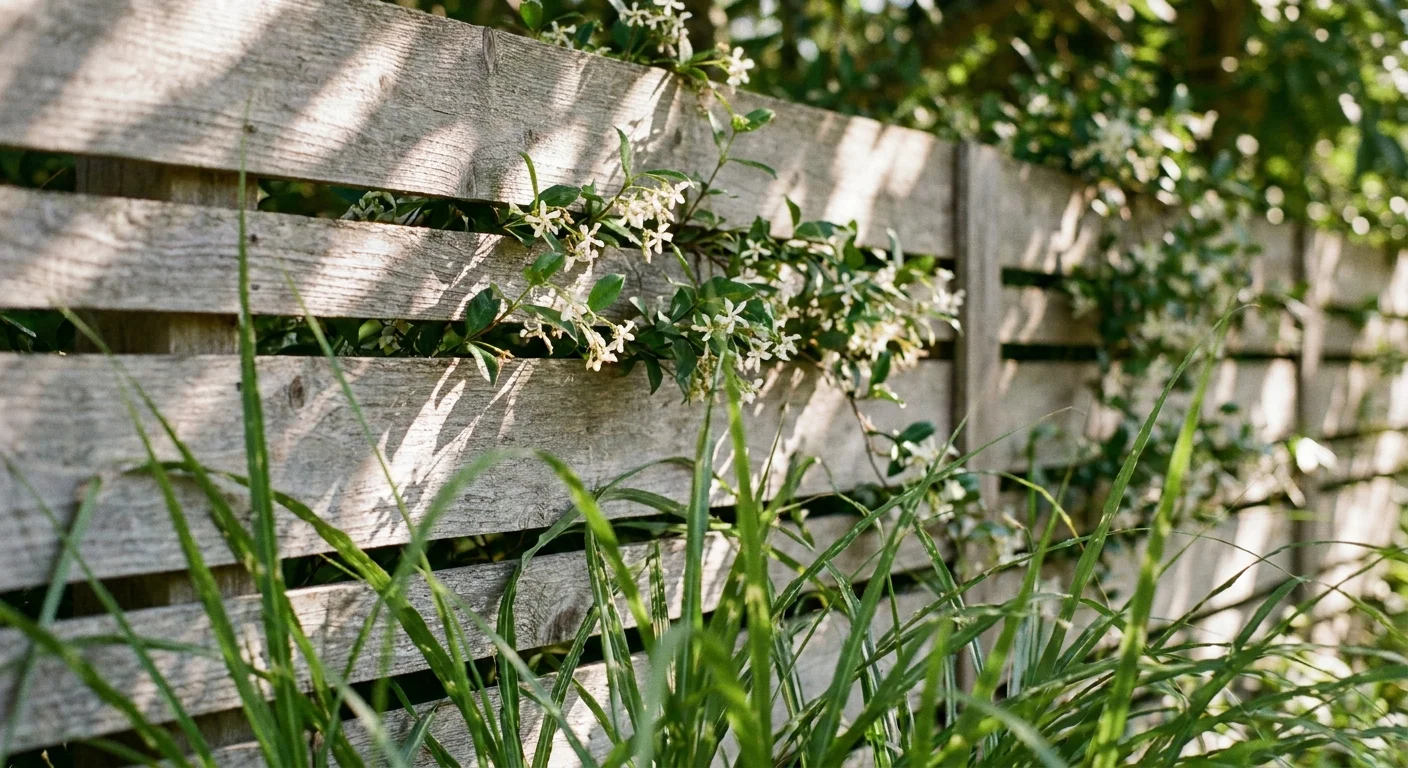
Fences define property lines, but living privacy screens create secluded sanctuaries. Buyers eagerly pay a premium for backyards that shield them from the watchful eyes of neighbors; however, harsh structural fences can sometimes feel restrictive. A layered living screen blends hardscaping with strategic planting to create a soft, lush barrier that dampens street noise and provides a verdant backdrop for outdoor living.
The secret to a successful privacy screen lies in mixing textures and heights. Planting a single, rigid row of Arborvitae can look artificial and leaves you vulnerable if one tree falls ill. Instead, create a staggered planting arrangement. Mix fast-growing evergreens with ornamental grasses and flowering shrubs to create depth. For tighter urban spaces where a thick hedge won’t fit, buyers love modern horizontal-slat wooden fences softened by climbing vines like Star Jasmine or native Clematis.
| Privacy Feature | Installation Cost | Maintenance Level | Value Add Appeal |
|---|---|---|---|
| Mixed Evergreen Border | Moderate | Low (once established) | High; creates a natural oasis and dampens neighborhood noise |
| Horizontal Slat Fence | High | Moderate (requires staining) | High; provides instant, modern architectural appeal |
| Trellis with Climbing Vines | Low | Moderate (requires pruning) | Medium; excellent for tight patios and urban spaces |
3. Strategic Low-Voltage Landscape Lighting
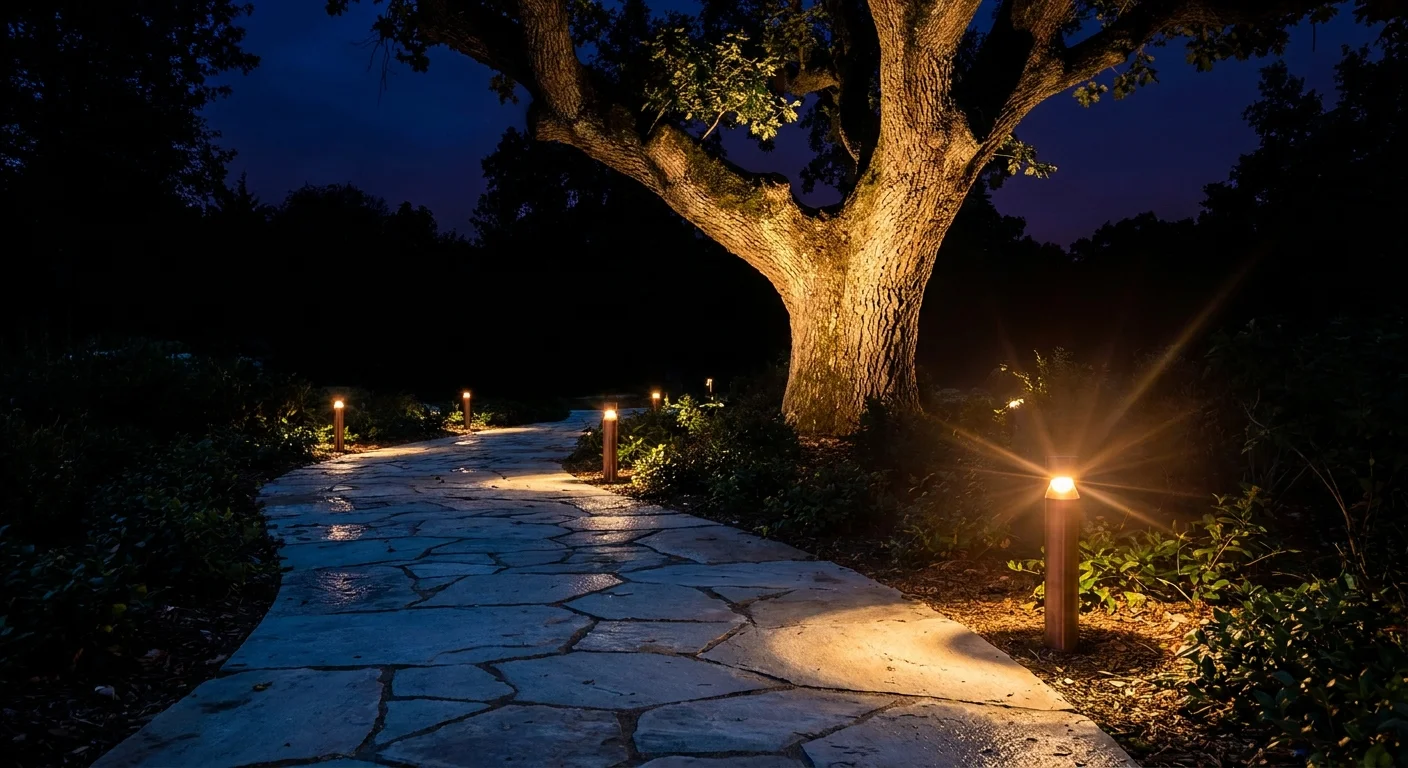
A beautifully designed backyard loses all its charm the moment the sun goes down if you lack proper illumination. Flimsy, plastic solar lights shoved haphazardly along a walkway signal cheapness, whereas a hardwired, low-voltage LED landscape lighting system screams custom luxury. Thoughtful lighting transforms a dark, uninviting yard into an enchanting evening retreat, effectively doubling the amount of time you can spend enjoying your outdoor spaces.
When installing landscape lighting, aim for subtlety. You want to see the effect of the light, not the fixture itself. Use soft uplighting to highlight the architectural canopy of mature trees, gently wash textured brick or stone retaining walls with warm light, and ensure all changes in elevation—like deck stairs and patio drop-offs—are clearly illuminated for safety. Buyers immediately recognize professional lighting as a premium upgrade that enhances both nighttime aesthetics and home security.
4. Dedicated Pet-Friendly Zones
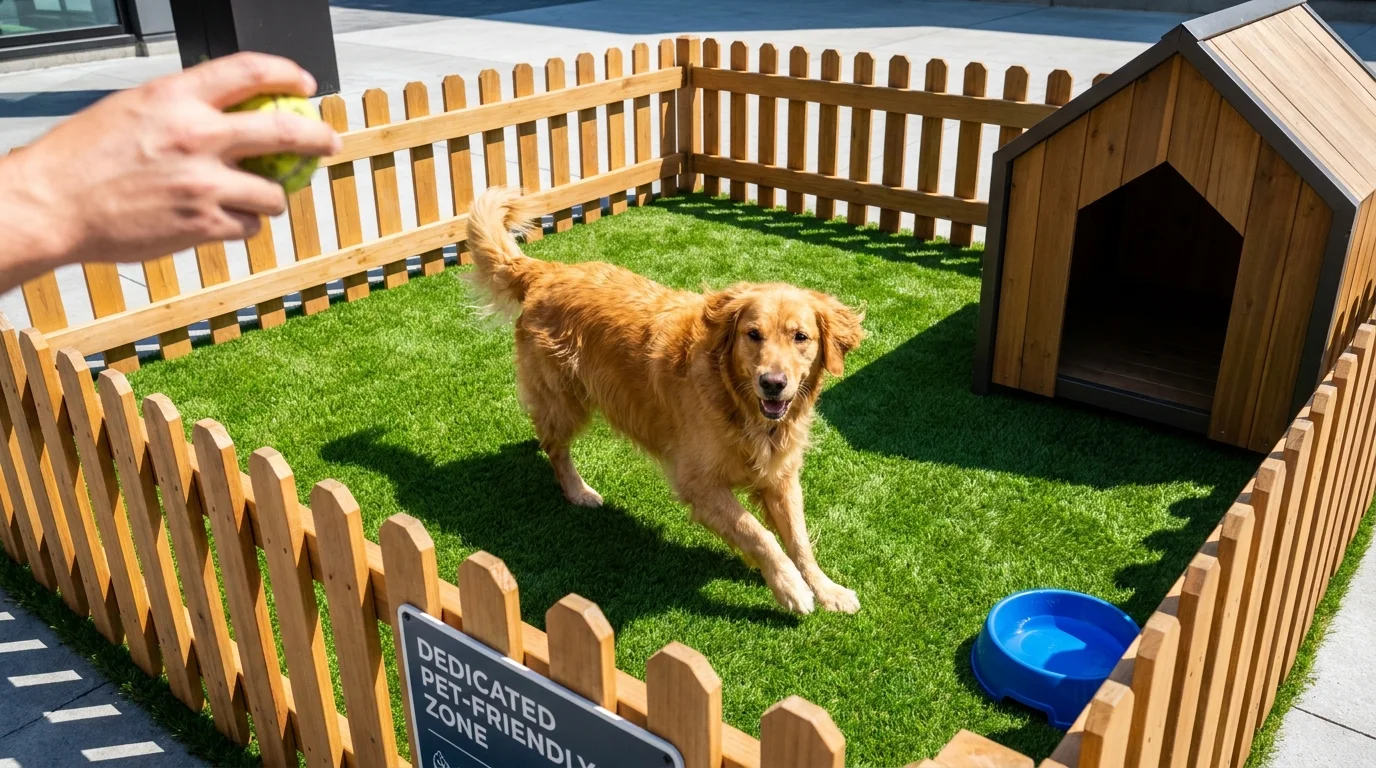
With pet ownership steadily rising, millions of buyers evaluate homes through the eyes of their canine companions. A yard that accommodates dogs without sacrificing human design aesthetics is a massive, often overlooked selling point. A well-designed pet zone prevents the familiar frustration of muddy paws tracking across freshly cleaned hardwood floors.
Creating a pet-friendly backyard doesn’t mean giving up on landscaping; it simply requires strategic zoning. Consider dedicating a side yard to high-quality artificial turf or smooth river rock where dogs can relieve themselves without destroying your primary lawn. Ensure your perimeter fencing is secure, buried slightly below grade to deter diggers, and completely free of toxic vegetation. Before adding new ornamentals to your yard, cross-reference your selections with the ASPCA Animal Poison Control database to guarantee you aren’t inadvertently planting severe hazards like Sago Palms, Foxgloves, or toxic lilies.
5. Zoned Entertaining Spaces
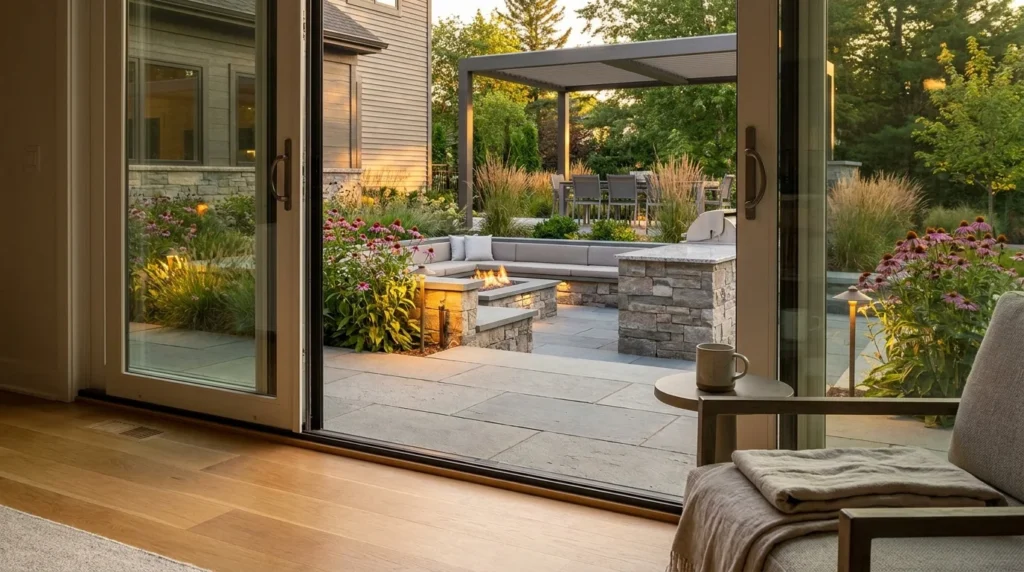
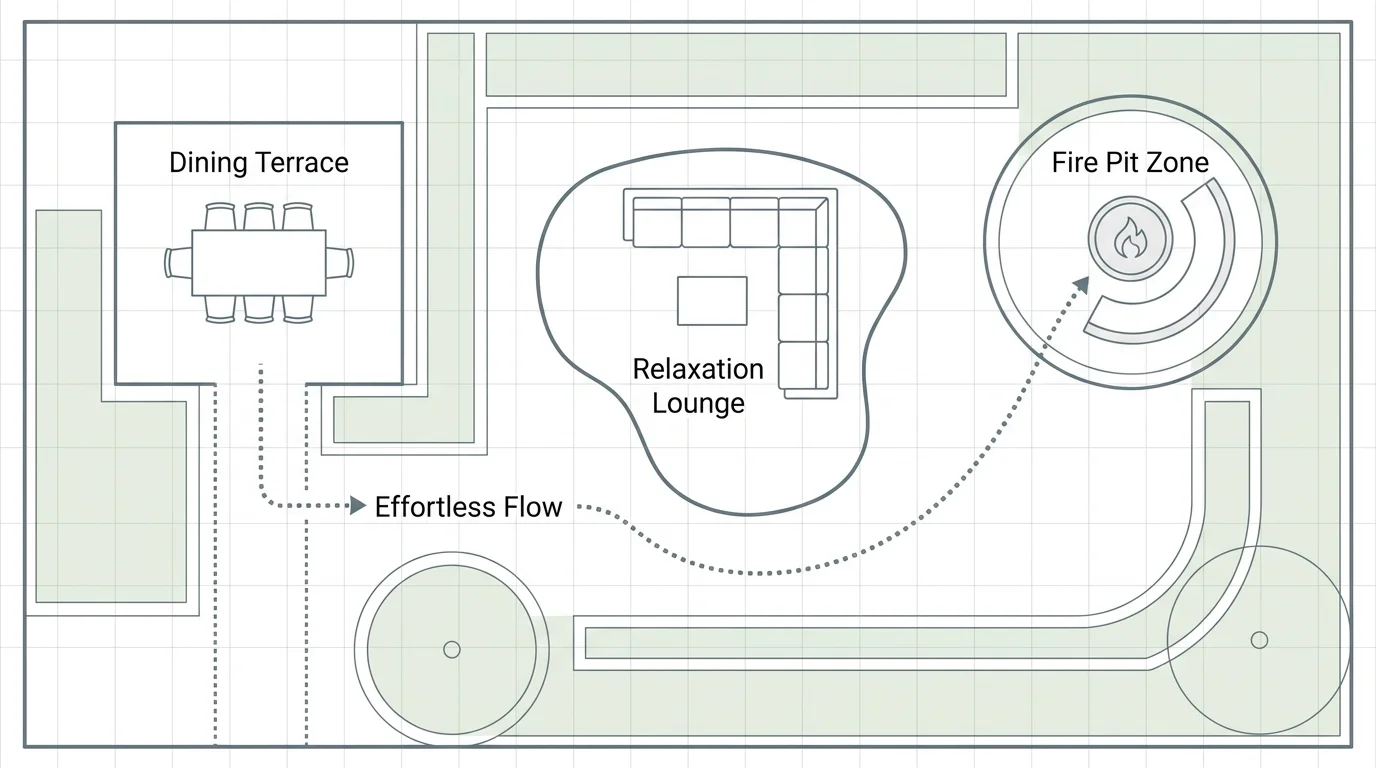
A flat, expansive concrete slab off the back door lacks imagination and purpose. Buyers are captivated by backyards that mimic interior floor plans, featuring distinct “rooms” dedicated to different activities. By establishing separate zones for dining, lounging, and cooking, you create a dynamic environment that feels significantly larger than its actual square footage.
You can define these outdoor rooms without building physical walls. Use a stylish outdoor rug and a grouping of comfortable club chairs to anchor a conversation area. Shift the flooring material from wood decking to natural flagstone to delineate the transition from the dining space to the fire pit zone. Even strategic container plantings can act as visual dividers. When a buyer walks into a zoned backyard, they instantly envision themselves hosting summer barbecues and quiet morning coffees, forming an emotional connection to the property.
6. Integrated, Low-Smoke Fire Features
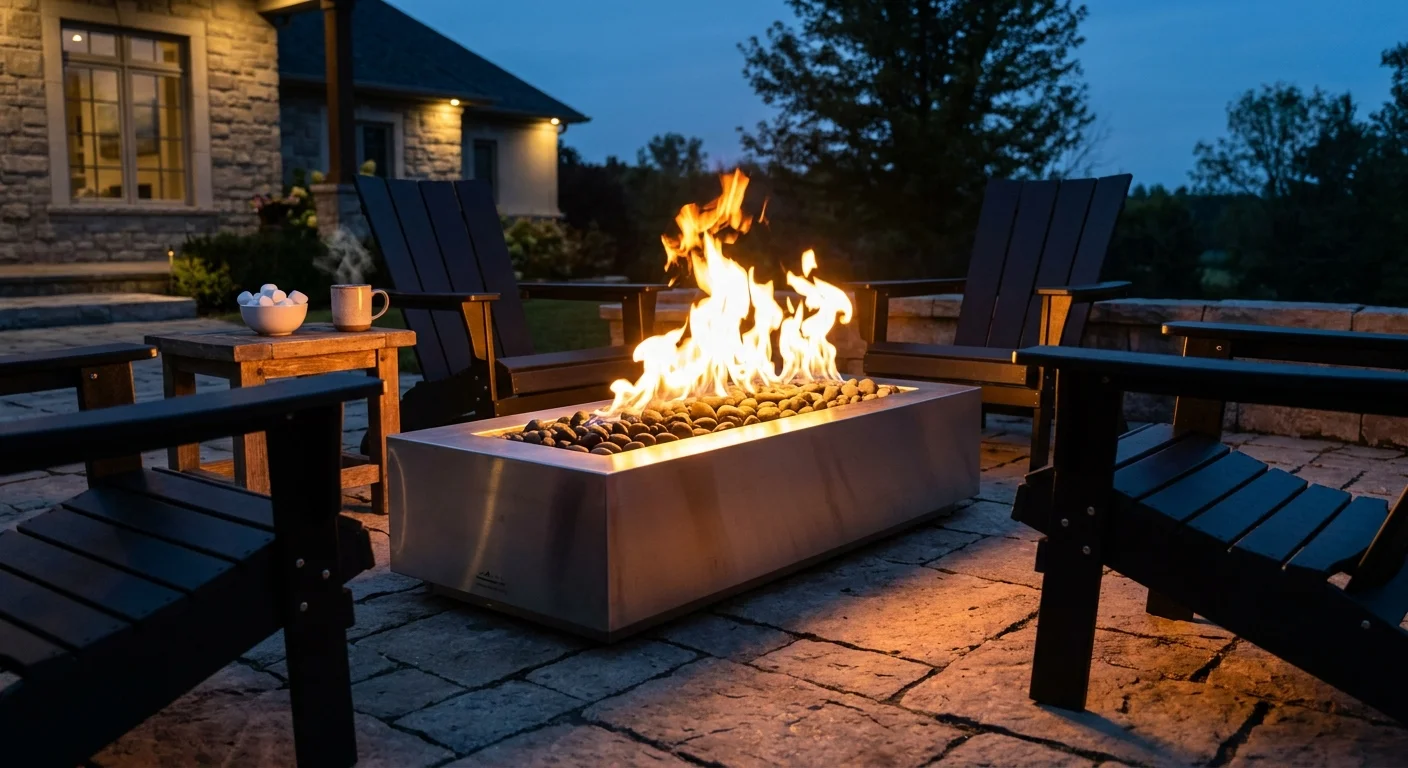
Few backyard features command as much attention as a glowing fire pit; it acts as a natural gathering point that extends patio season well into the brisk autumn months. However, a rusty, portable metal bowl sitting on a scorched patch of grass detracts from your home’s aesthetic. Modern buyers strongly prefer integrated fire features that look intentional and require minimal effort to operate.
Plumbed natural gas fire pits or propane-fueled fire tables are highly desirable because they offer instant ambiance at the flip of a switch without the smoke, ash, and flying embers associated with traditional wood-burning setups. If you prefer the crackle of real wood, invest in a smokeless stainless steel insert surrounded by custom masonry. Surrounding the fire feature with built-in seating or high-quality Adirondack chairs completes the aesthetic, offering a turnkey relaxation zone.
7. Automated Smart Irrigation
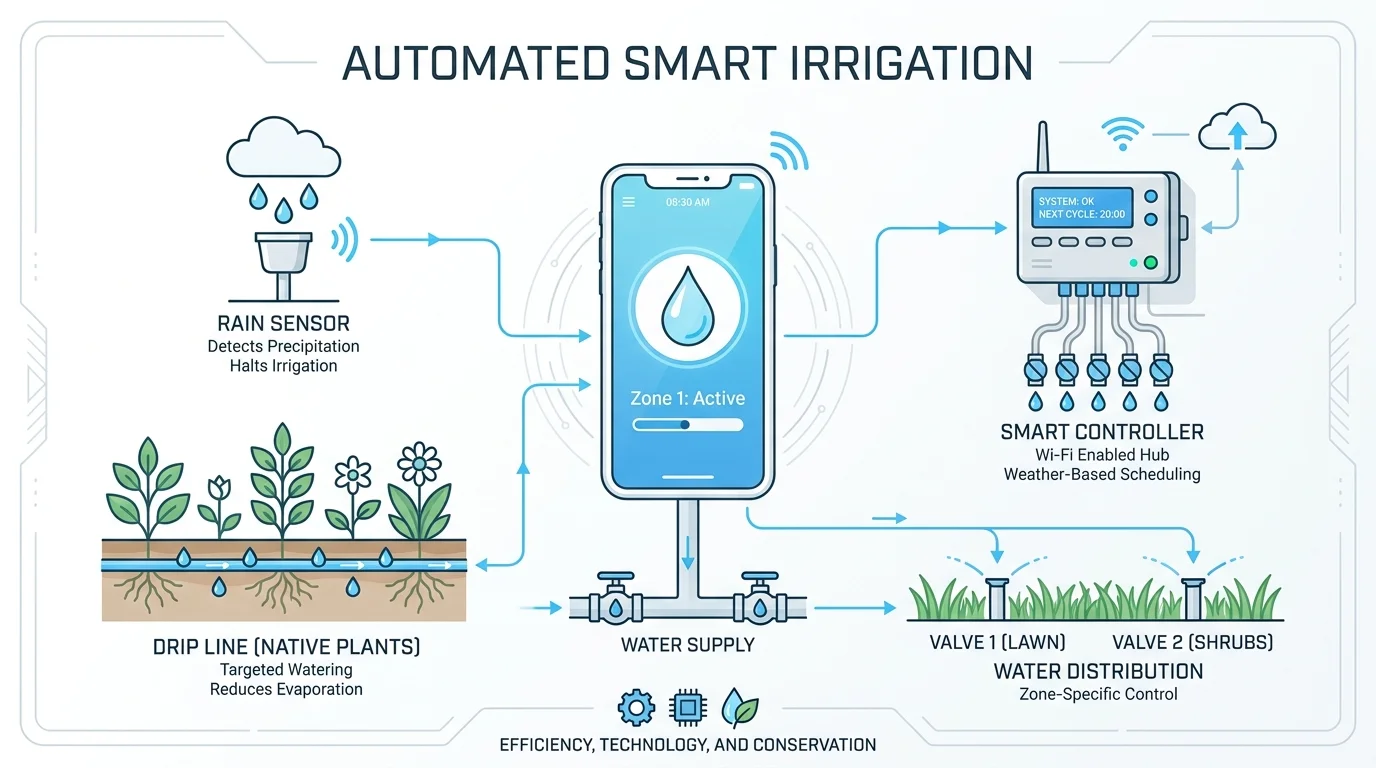
Beautiful landscaping requires water, but nobody wants to spend their evenings dragging a heavy, tangled hose across the lawn. Integrating smart home technology into the garden is a highly coveted upgrade. Automated, weather-based irrigation controllers take the guesswork out of plant care and appeal to eco-conscious buyers looking to minimize water waste.
Modern irrigation systems connect directly to local weather station data via Wi-Fi, automatically skipping watering cycles on rainy days and increasing moisture output during unseasonable heat waves. Equipping garden beds with drip irrigation lines rather than traditional overhead sprinklers delivers water directly to the plant’s root zone, significantly reducing evaporation and preventing fungal foliage diseases. Highlighting an ENERGY STAR certified smart controller during a home showing instantly communicates that the property is thoroughly modernized and efficiently maintained.
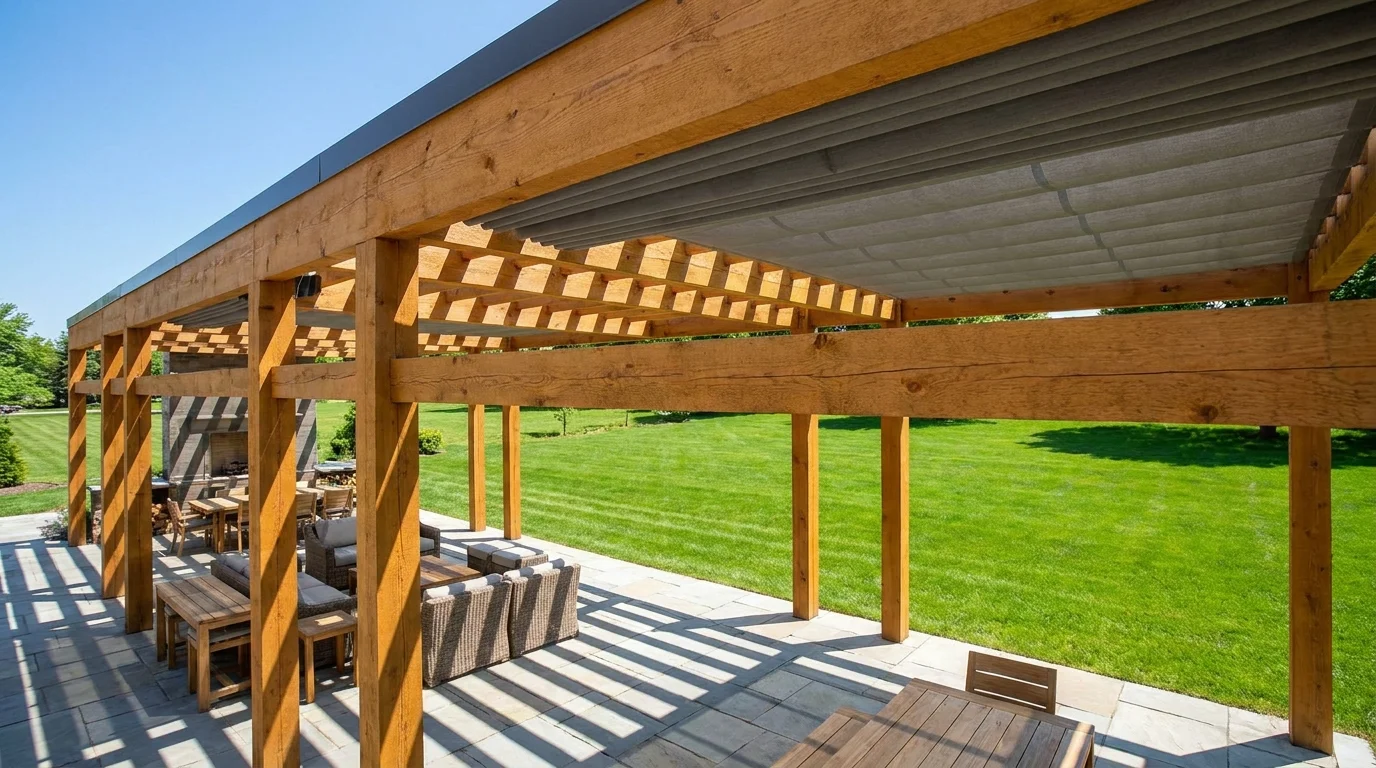
8. Substantial Shade Structures
A south-facing patio bathed in glorious sunshine is wonderful in early spring, but it quickly becomes an unusable oven during the peak of summer. Buyers look for substantial, well-built shade structures that provide immediate relief from the elements. A high-quality pergola, pavilion, or custom shade sail installation anchors an outdoor living room and makes the space comfortable regardless of the time of day.
When selecting a shade structure, prioritize durability and architectural harmony with your main house. Flimsy, pop-up fabric gazebos offer zero real estate value; instead, opt for cedar pergolas with louvered roofs or motorized retractable awnings that allow you to control the exact amount of sunlight filtering through. For incredible inspiration on integrating these structures into your existing landscape, Better Homes & Gardens offers an array of architectural guides that demonstrate how to match rooflines and materials to your home’s exterior.
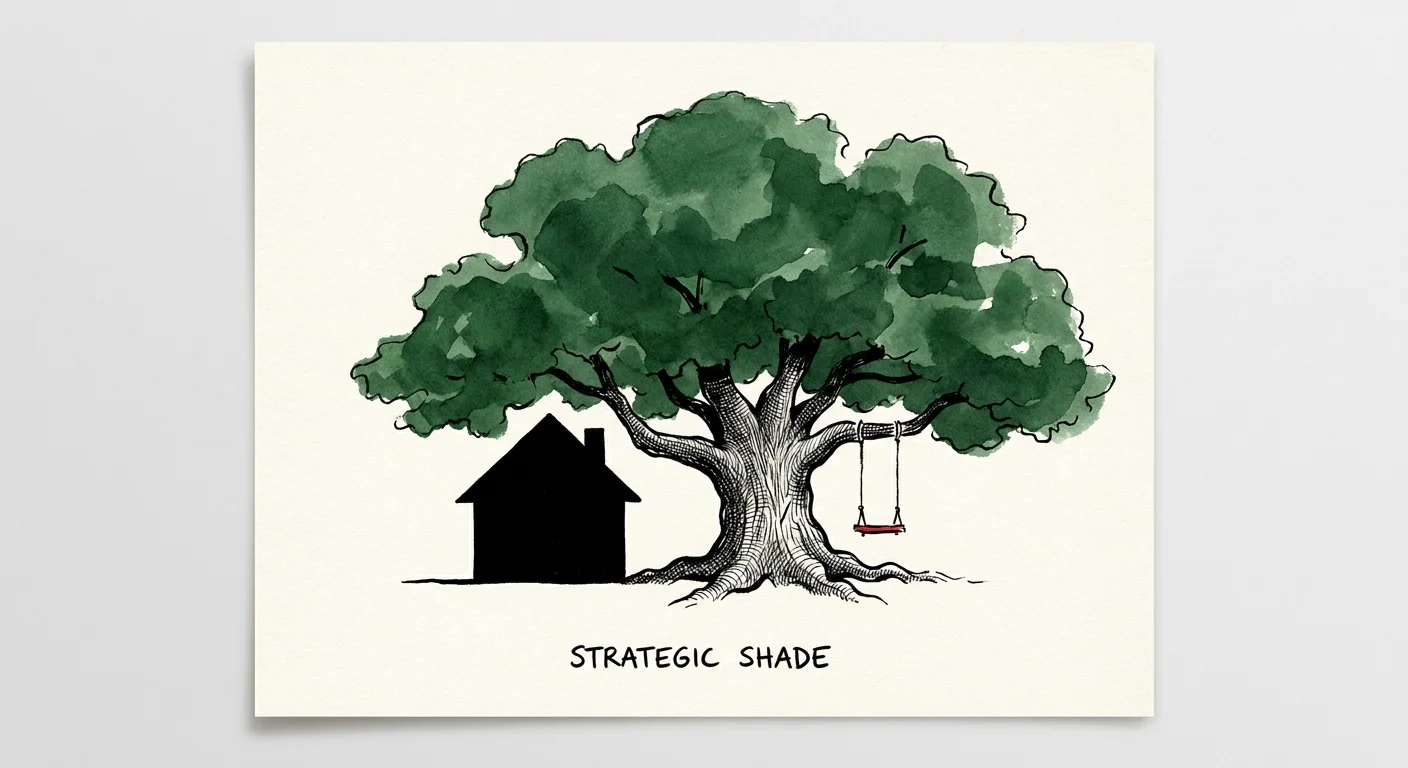
9. Mature, Strategically Placed Trees
While you can install a patio in a week, you cannot rush the majestic growth of a large shade tree. Mature trees are one of the few backyard features that genuinely appreciate in value over time, providing critical shade, improving air quality, and establishing a sense of permanence that new-build neighborhoods distinctly lack.
“The best time to plant a tree was 20 years ago. The second best time is now.” — Chinese Proverb
If your yard is currently a blank slate, prioritizing tree planting should be your first move. Select species known for strong branch structures and appropriate mature sizes for your lot. Plant deciduous trees on the southern and western sides of your home to provide cooling shade during the summer while allowing warming sunlight to penetrate the windows after the leaves drop in winter. Buyers subconsciously equate large, healthy trees with a stable, well-loved property.
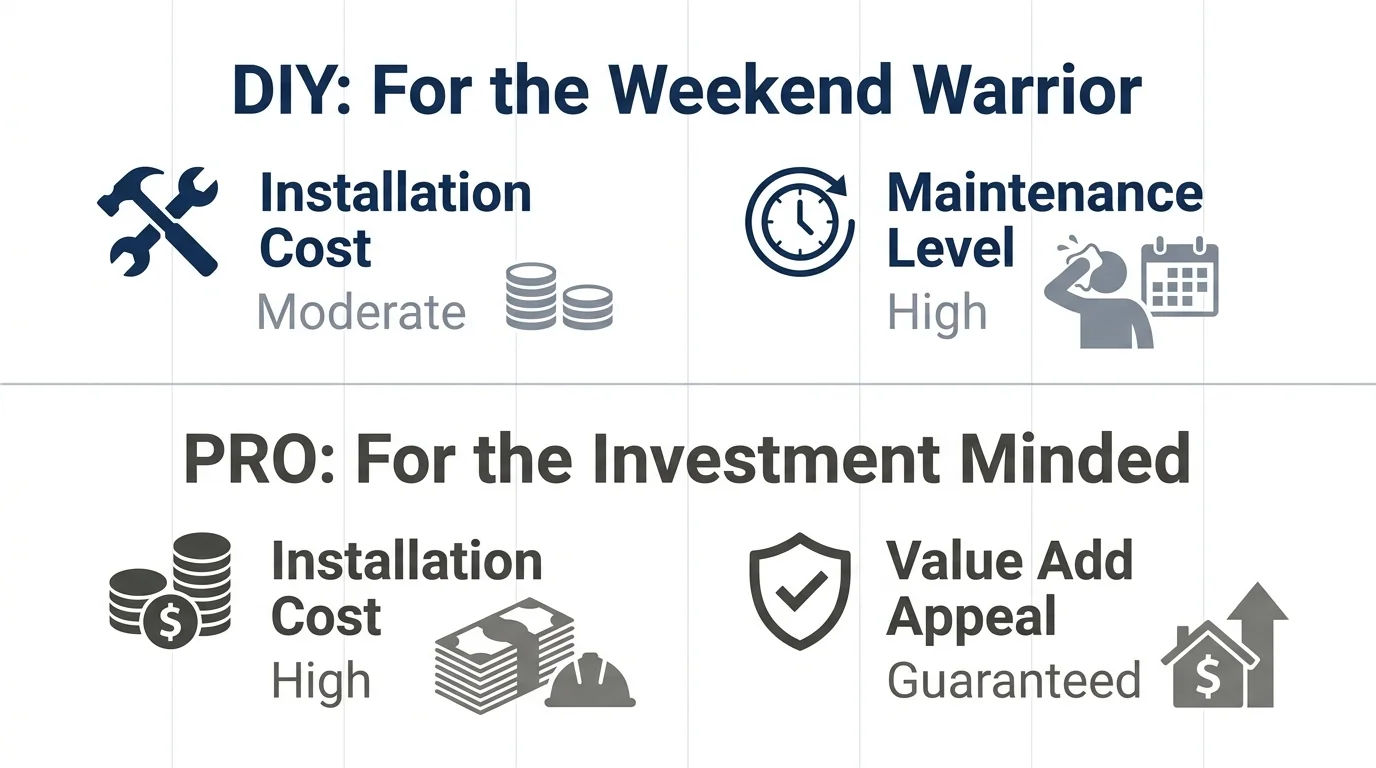
DIY vs. Hiring a Pro
Transforming your backyard is incredibly rewarding, but knowing when to roll up your sleeves and when to call a professional protects your safety and your home’s value. Shoddy craftsmanship on permanent outdoor features acts as a massive red flag to home inspectors and potential buyers.
- Projects Perfect for DIY: Planting native shrubs and perennials, installing mulch or decorative rock, setting up low-voltage plug-and-play landscape lighting, and creating zoned seating areas using outdoor furniture and planters. These tasks require sweat equity but pose very little structural risk.
- Projects That Demand a Pro: Hardscaping (pouring concrete, building structural retaining walls, or laying large paver patios) requires heavy machinery and precise grading to ensure proper water drainage away from your foundation. Additionally, running natural gas lines for fire pits, upgrading electrical panels for heavy-duty outdoor heaters, and planting large caliper mature trees should always be handled by licensed, insured professionals.

Value Killers: Backyard Features That Turn Buyers Away
Just as certain upgrades make buyers swoon, other backyard additions quietly sabotage your property’s appeal. The ultimate value killer is hyper-personalization combined with high maintenance. Massive, complex water features like koi ponds or multi-tiered waterfalls often terrify buyers who immediately envision expensive pump repairs, algae blooms, and drowning hazards for young children.
Similarly, sprawling built-in outdoor kitchens outfitted with pizza ovens, beer taps, and specialized griddles rarely yield a strong return on investment unless you live in a luxury market with year-round mild weather. These massive installations dominate the yard, leaving no room for varied activities. Finally, unpermitted DIY structures—such as poorly framed sheds or wobbly deck extensions—create major headaches during the appraisal and inspection process. Buyers prefer a clean, modest patio over a massive, structurally unsound deck any day of the week.
Frequently Asked Questions
How much does professional landscaping actually increase home value?
While exact figures vary wildly based on your local real estate market, well-executed landscaping can increase a home’s perceived value by 5% to 12%. More importantly, an attractive, low-maintenance backyard drastically reduces the amount of time a property sits on the market, encouraging stronger, faster offers.
Should I remove my swimming pool before listing my home?
This depends entirely on your climate and neighborhood. In warm-weather states like Florida or Arizona, a pool is often an expected feature. However, in cooler climates or dense neighborhoods with small lots, an aging pool is frequently viewed as a liability and a maintenance nightmare. If the pool requires a $20,000 resurfacing and new equipment, filling it in might be the more profitable choice.
What is the most cost-effective backyard upgrade I can do this weekend?
Deep cleaning and defining edges. Power wash your existing patio and walkways to remove years of grime, add a fresh two-inch layer of dark mulch to your garden beds, and use a half-moon edger to create crisp, clean lines between the grass and the planting zones. This instantly makes the entire yard look professionally manicured for the cost of a few bags of mulch.
Are outdoor kitchens worth the financial investment?
Keep it simple to maximize your return. A built-in gas grill with a few feet of durable stone countertop and weatherproof storage cabinets appeals to almost everyone. Expanding beyond the basics into sinks, refrigerators, and specialized cooking appliances introduces plumbing and electrical complexities that buyers rarely want to pay a premium to inherit.
Planning Your Next Backyard Upgrade
Transforming your backyard into a highly desirable oasis doesn’t require a total demolition or a bottomless budget. By focusing on practical, lifestyle-enhancing upgrades like smart irrigation, intentional lighting, and drought-tolerant planting, you create a space that looks magnificent and functions effortlessly. Start by evaluating how you actually use your yard today, and select one zone to optimize this season. Whether you are installing a modern privacy screen or mapping out a dedicated pet area, your efforts will compound, leaving you with a property that feels like a true retreat.
Plant care requirements vary by climate, soil, and growing conditions. Always confirm plant toxicity with your veterinarian if you have pets or young children.
Last updated: May 2026. Plant care guidance reflects current horticultural best practices—always observe your specific plant’s signals.