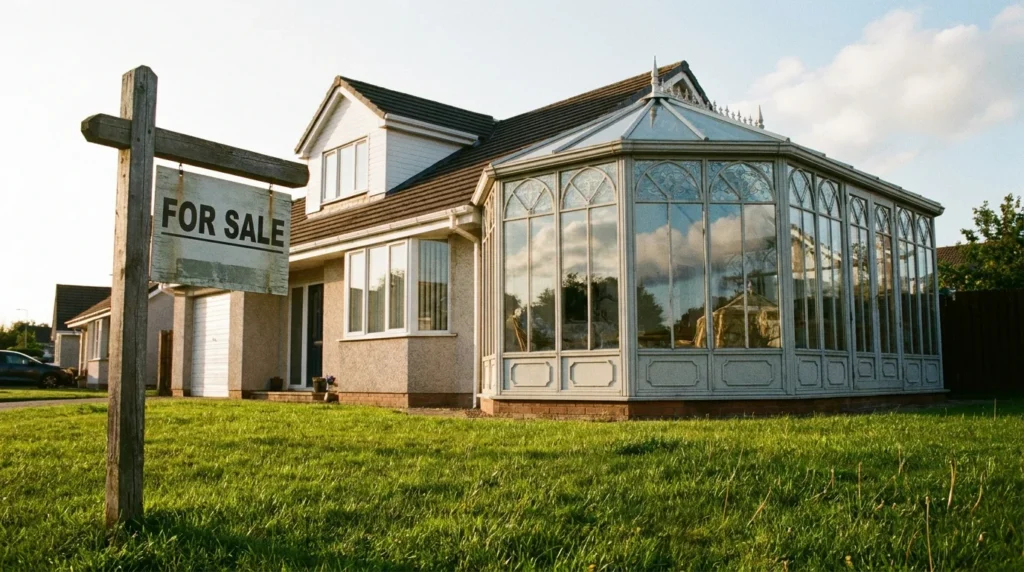
Pouring your budget into home improvement feels rewarding, but you need to know which upgrades actually deliver a solid return on investment. Before you finalize blueprints or break ground on a luxury addition, you must understand the difference between upgrading for personal comfort and renovating for future resale value. Many ambitious remodeling tips fail to account for how future buyers perceive overly personalized spaces. A lavish swimming pool or a highly specific botanical garden overhaul might bring you immense joy, but they often become glaring home value mistakes when it is time to sell. By evaluating your renovation ROI before you buy materials, you protect your equity and ensure your beautiful property remains a sound financial asset.
Setting the Stage
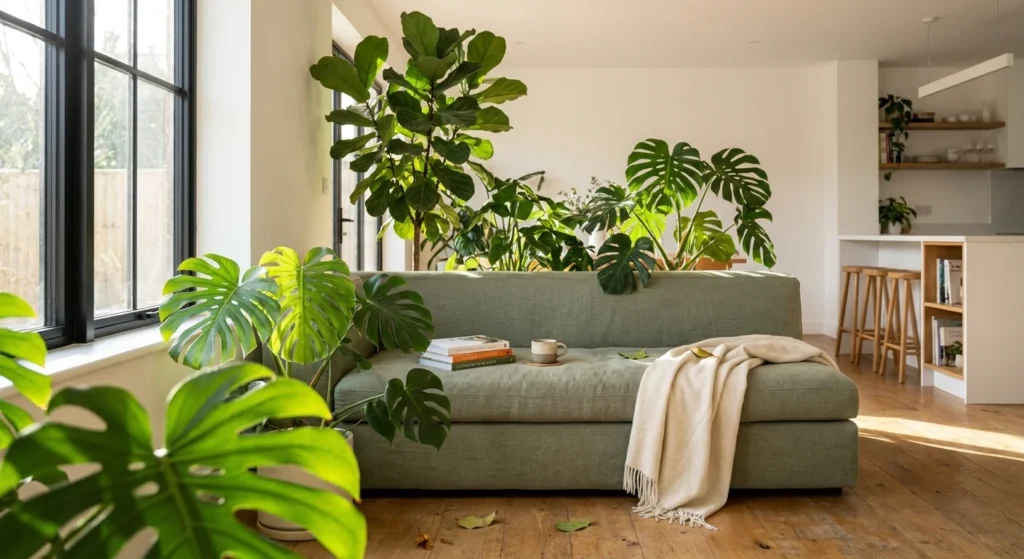
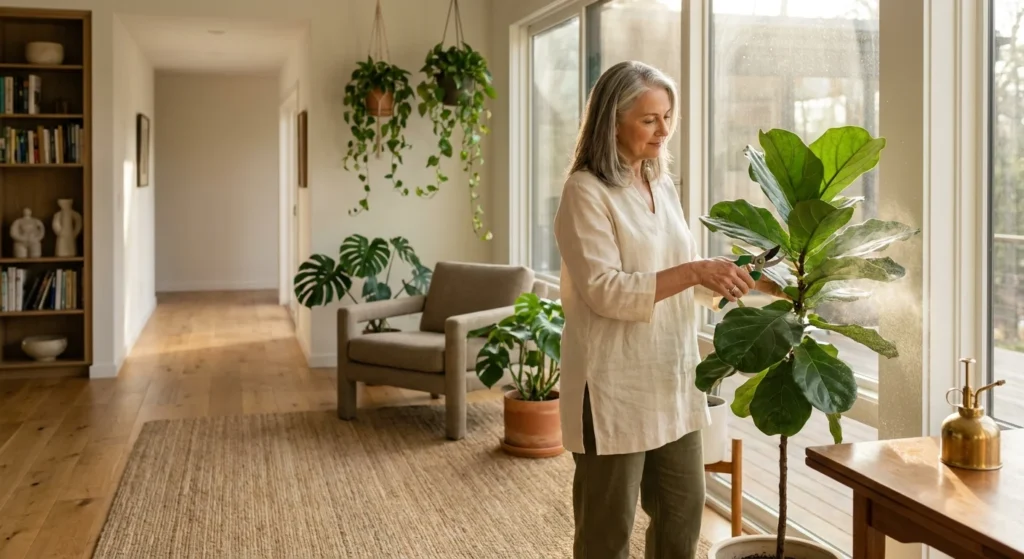
We all view our homes as personal sanctuaries; they are the spaces where we cultivate our passions, nurture our families, and build our lives. As a plant enthusiast, you likely envision a home brimming with natural light, optimized humidity zones, and seamlessly integrated indoor-outdoor living spaces. Designing a house that supports both your well-being and your botanical collection requires thoughtful planning. You naturally want to mold your environment to fit your exact lifestyle, whether that means establishing an elaborate greenhouse attached to your kitchen or reconfiguring your floor plan to accommodate aging-in-place design principles.
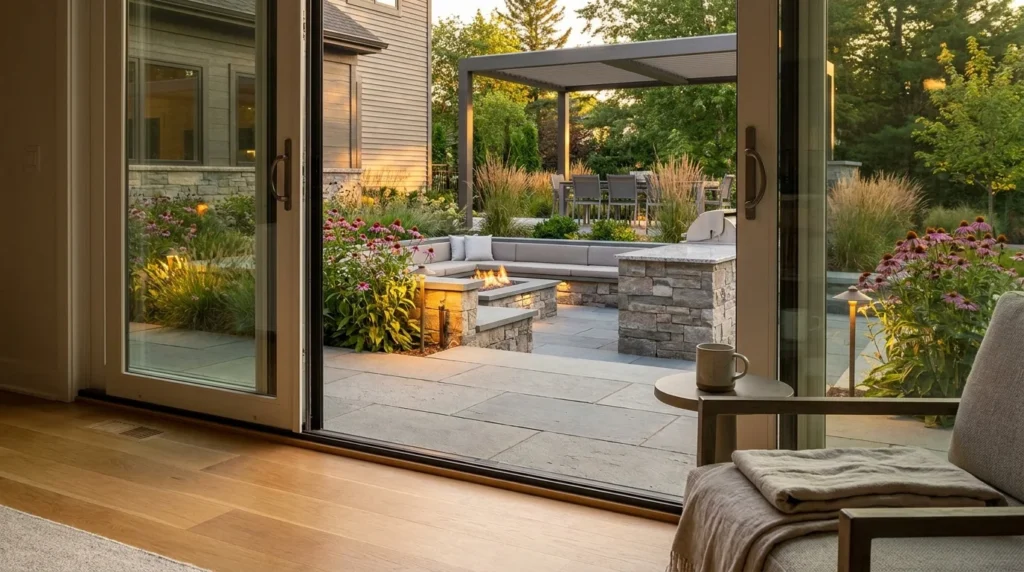
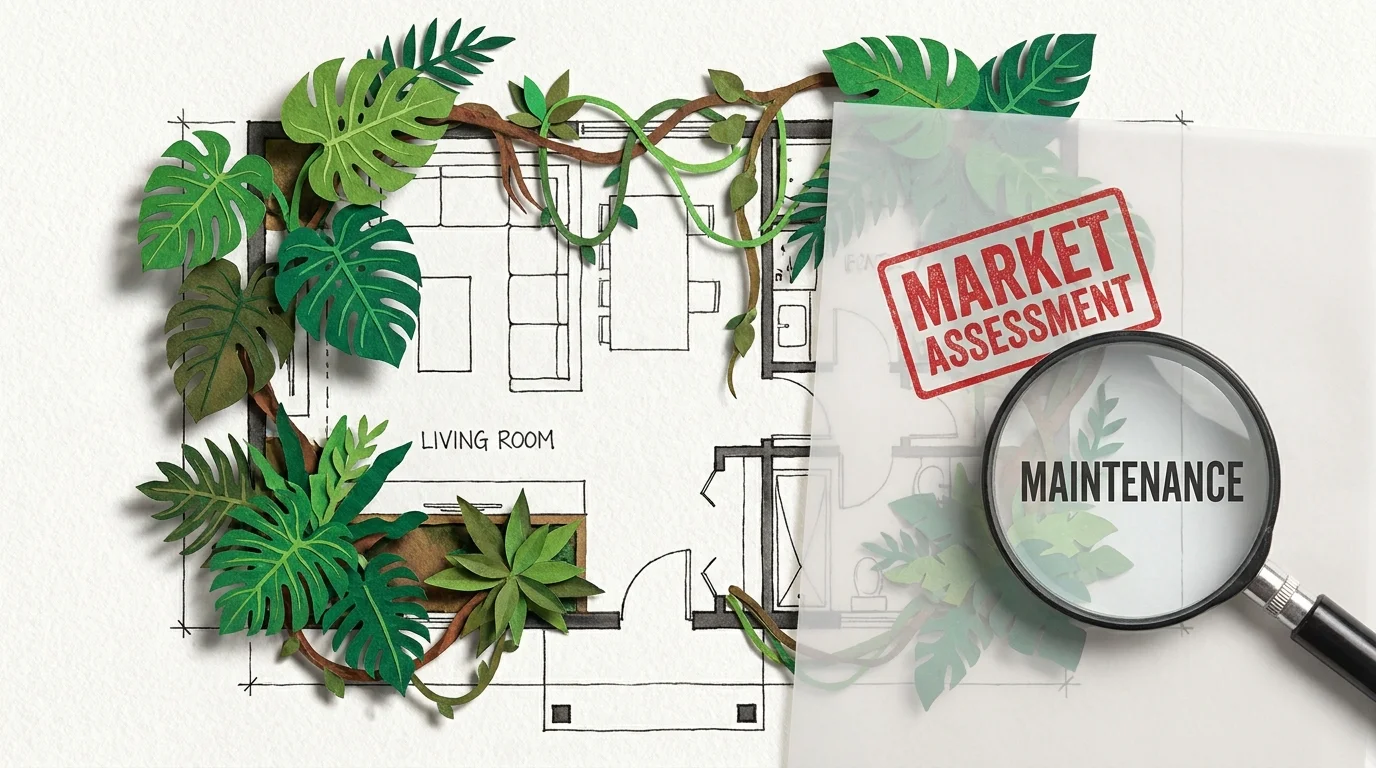
However, the real estate market operates on a completely different frequency. Future buyers do not evaluate a home based on how well it accommodates a collection of rare Philodendrons or how perfectly the custom patio suits your specific daily routine. They look at square footage, bedroom counts, structural integrity, and the perceived burden of future maintenance. When you customize a space too heavily, you narrow the pool of potential buyers. What feels like a luxurious upgrade to you often looks like an expensive demolition project to the next owner.
Balancing your personal joy with long-term financial prudence requires restraint. You can absolutely create a thriving, beautiful, and comfortable home without resorting to bad renovations that drain your bank account. The secret lies in making flexible design choices. When you understand how the market responds to certain heavy-handed modifications, you can pivot your strategy. You protect your investment by leaning into upgrades that offer broad appeal while using non-permanent, styling-focused methods to express your unique personality and horticultural passions.