Smart Strategies & Upgrades
To keep your property competitive, you must identify which popular projects consistently yield poor financial returns. Rather than abandoning your design dreams, you can utilize smart strategies that offer similar benefits without the permanent structural consequences. Here are seven specific projects to rethink before you hire a contractor.
1. Lavish Sunrooms and Glass Conservatories
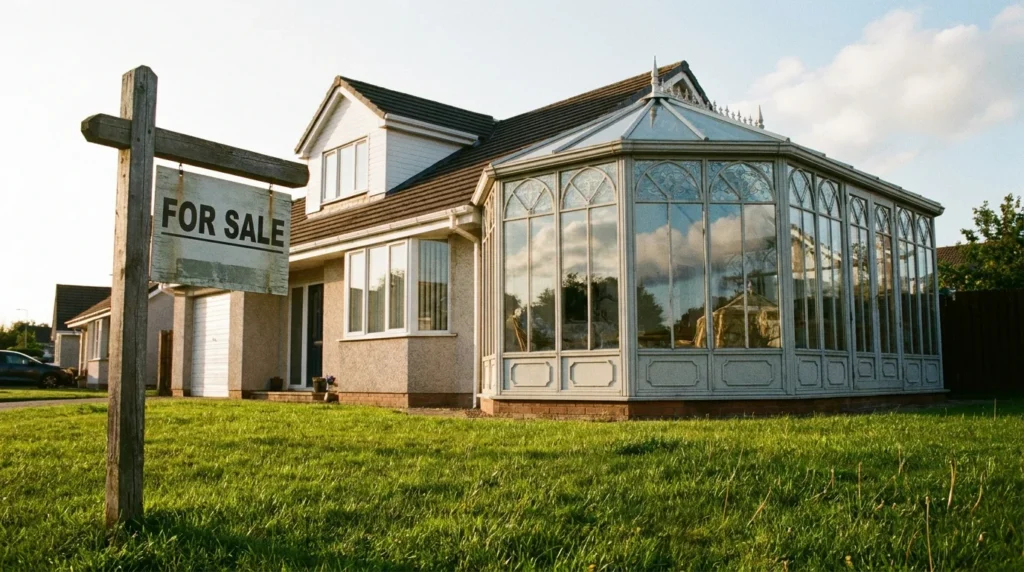
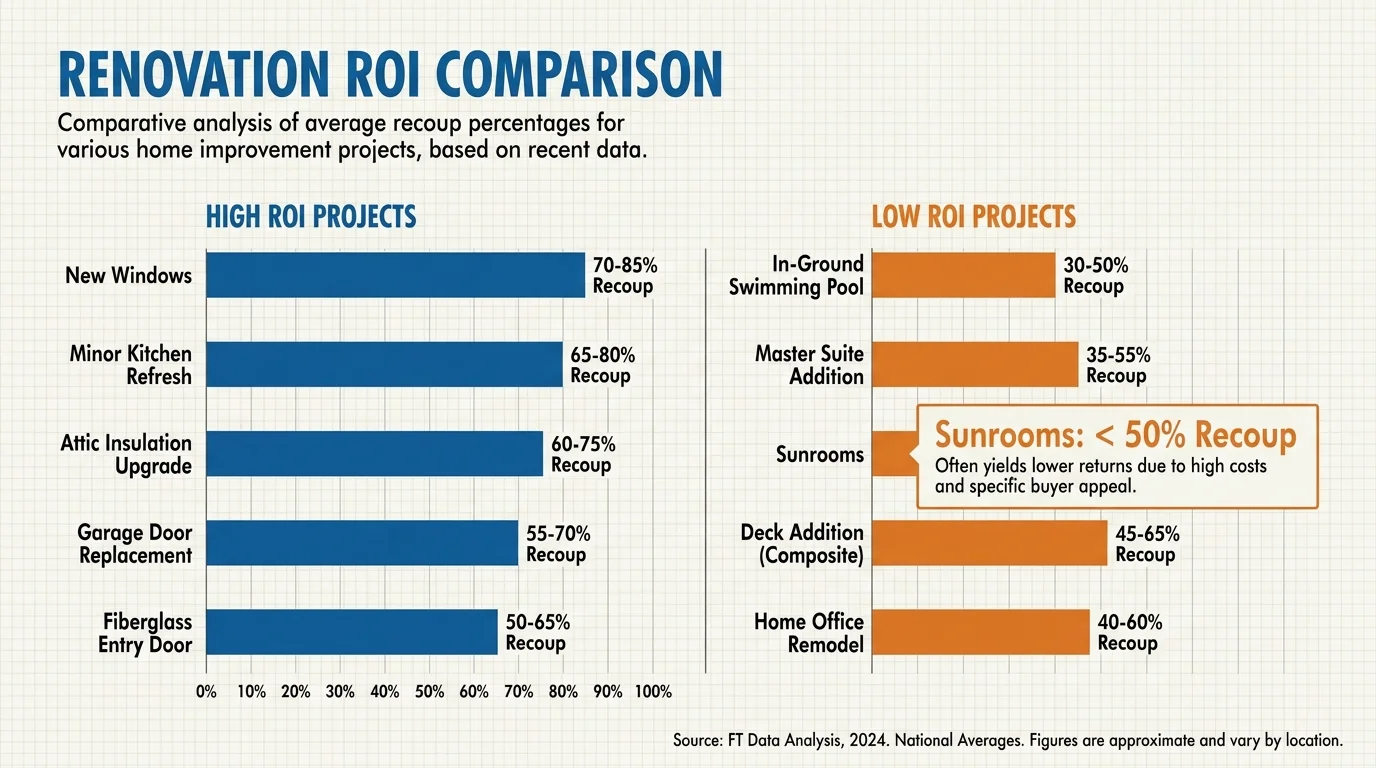
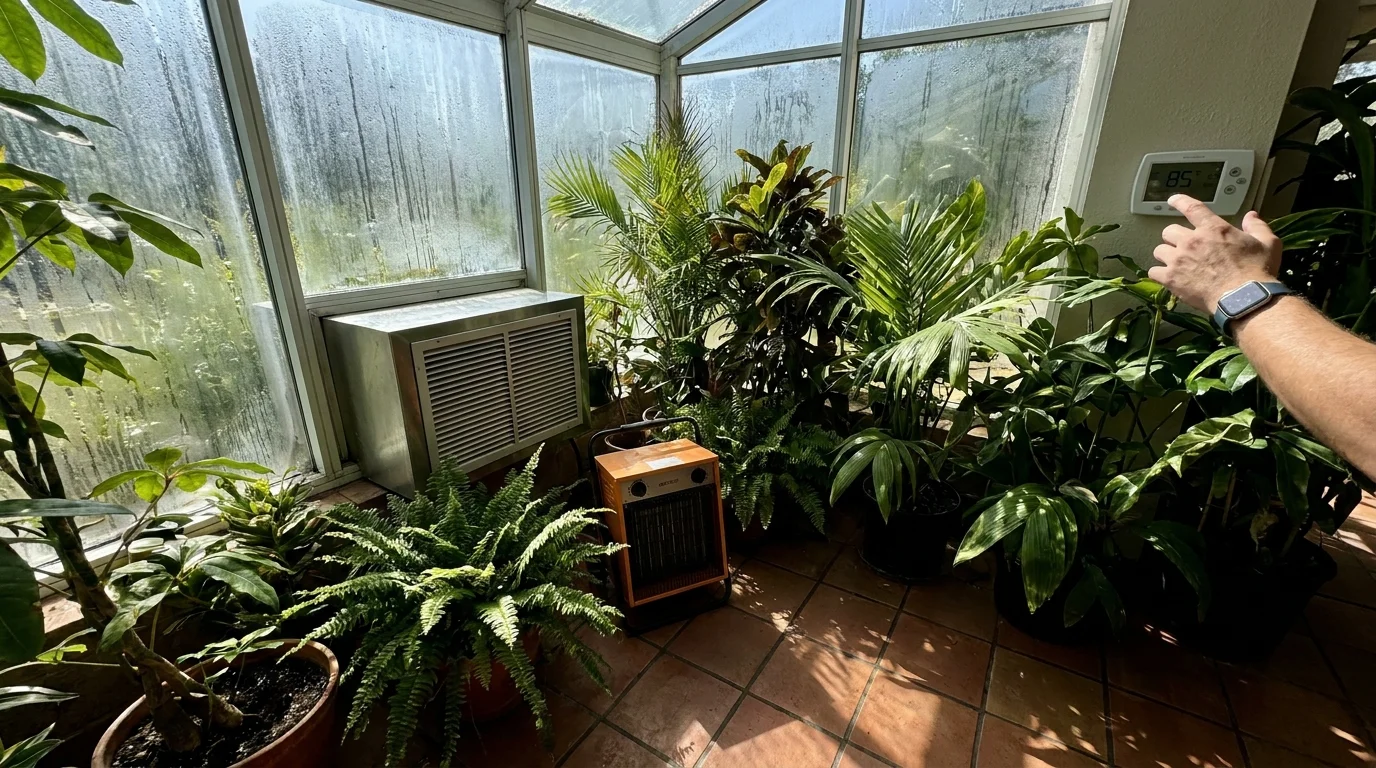
Many plant lovers dream of attaching a Victorian-style glass conservatory to their home. You picture your delicate orchids and thriving tropicals basking in optimal light levels year-round. Unfortunately, appraisers and prospective buyers rarely share this enthusiasm. Sunrooms rank notoriously low for renovation ROI; homeowners typically recoup less than fifty percent of their initial investment. These glass-heavy additions create massive energy inefficiencies. Keeping a sunroom warm enough for tropical plants during winter—and cool enough for human comfort during summer—puts immense strain on your central HVAC system. Buyers immediately calculate those inflated utility bills. Instead of building a permanent sunroom, you achieve better financial returns by installing enlarged, energy-efficient windows in your existing living room. This upgrade provides ample photosynthetically active radiation for your indoor jungle without expanding the structural footprint.
2. Highly Specialized Custom Landscaping
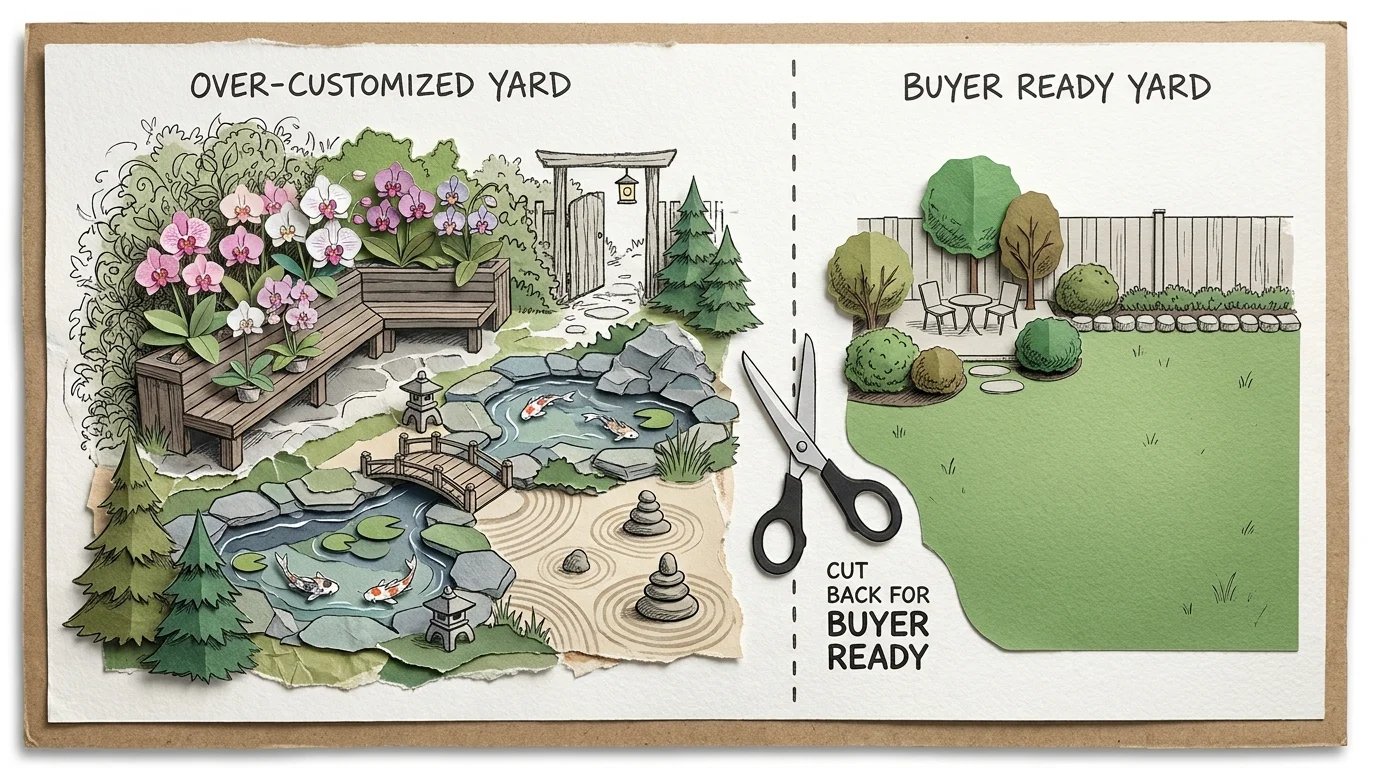
You might love the idea of transforming your backyard into a highly manicured, exotic botanical garden featuring cascading koi ponds, massive rock formations, and rare specimen trees. However, extensive custom landscaping frightens away buyers who lack a green thumb. High-maintenance gardens require strict watering cadences, precise soil composition amendments, and expensive professional arborists. Furthermore, dense, exotic planting beds introduce significant allergen considerations; heavy pollen-producing species can make the outdoor space miserable for sensitive individuals. Always prioritize pet safety as well, as many exotic ornamental plants are highly toxic to dogs and cats. For a better return on your landscaping budget, stick to native, drought-tolerant perennials that require minimal upkeep. You can easily satisfy your desire for exotic flora by maintaining a rotating collection of high-quality container gardens on your patio.
3. Built-In Indoor Planters and Atriums
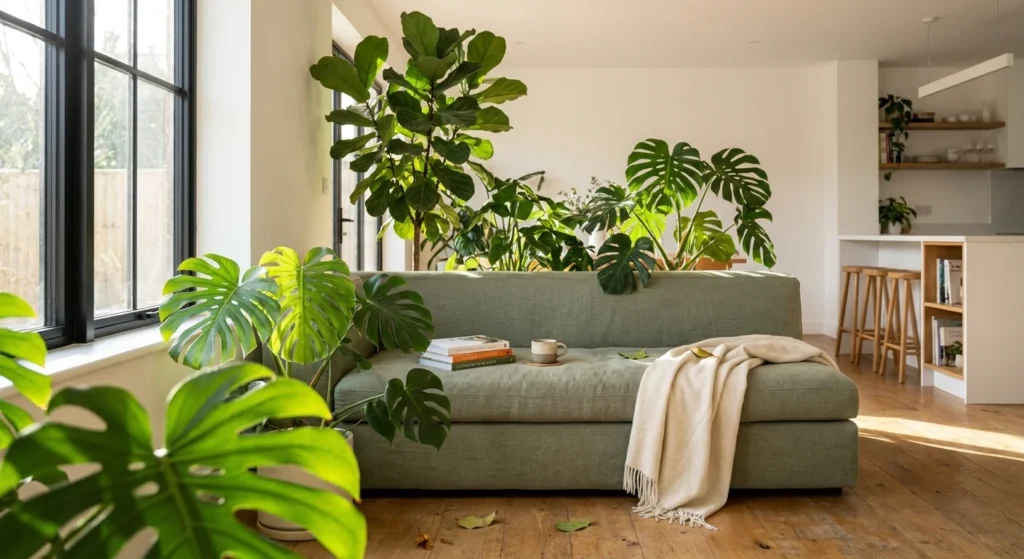
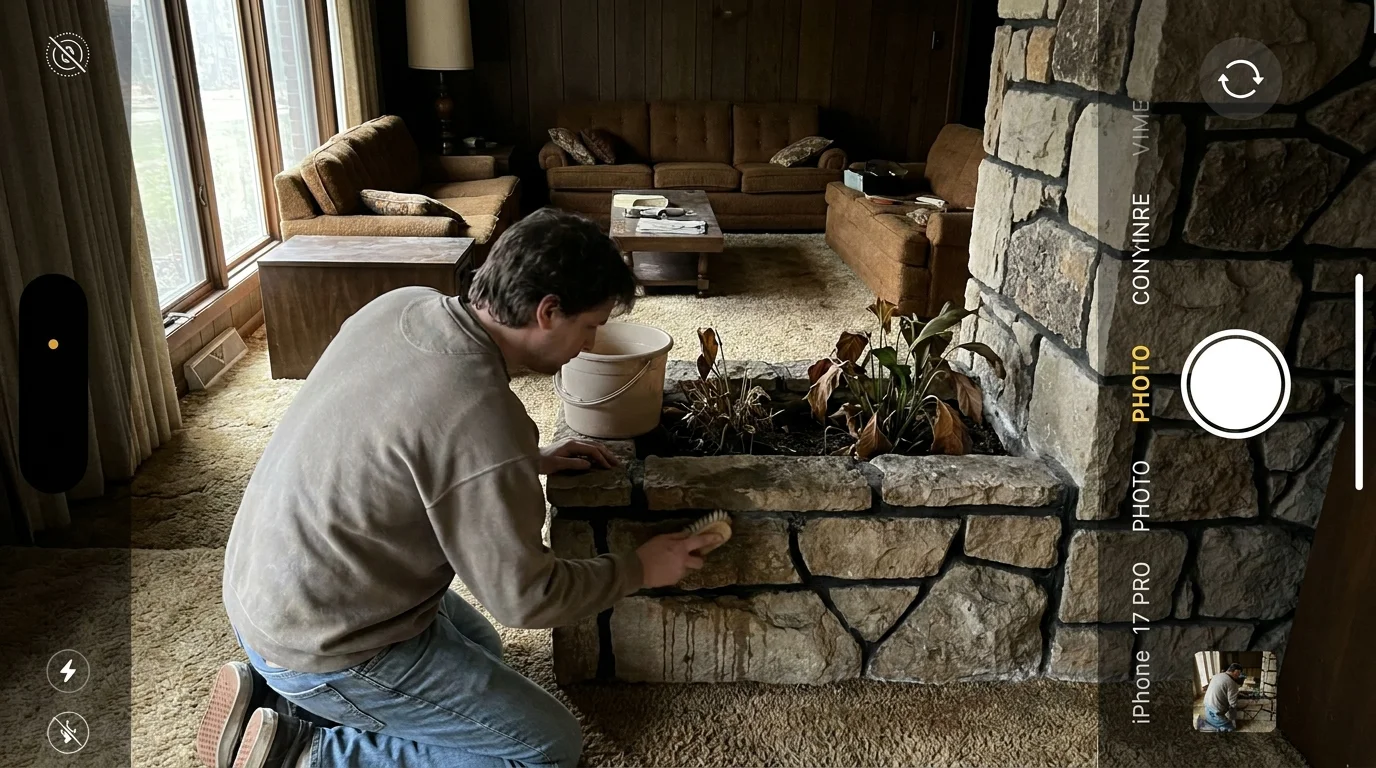
Integrating nature directly into the architecture of your home sounds like a biophilic design dream. Installing built-in concrete or brick planters in a foyer or sunken living room was a popular mid-century trend that occasionally resurfaces. Today, buyers view permanent indoor soil beds as major liabilities. These features require significant structural cautions. Without flawless waterproofing and commercial-grade drainage systems, built-in planters inevitably leak, causing catastrophic moisture damage to your subfloors. Stagnant soil encourages root rot and harbors relentless infestations of fungus gnats. Removing a built-in concrete atrium costs thousands of dollars in masonry demolition. You can create the exact same lush, architectural aesthetic by clustering oversized, lightweight fiberglass pots filled with a well-draining aerated soil mix.
4. Garage Conversions
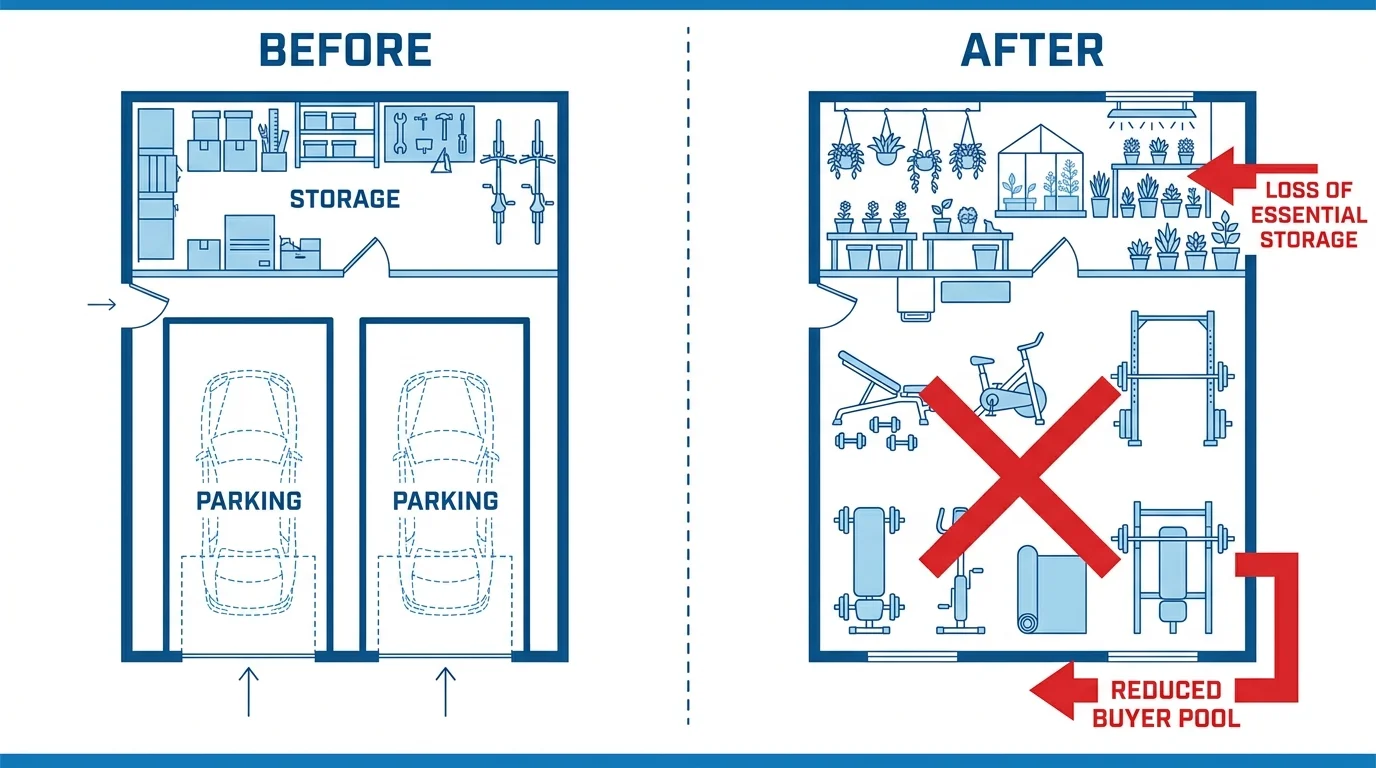
Converting a garage into an expansive home gym, a dedicated potting shed, or a massive home theater frequently tops the list of home value mistakes. You gain a few hundred square feet of living space, but you completely eliminate covered parking and essential utility storage. In most suburban and rural housing markets, buyers consider an intact garage a non-negotiable requirement. They need space to protect their vehicles from the elements, store lawnmowers, and organize outdoor equipment. Reversing a garage conversion requires rebuilding the track system, reinstalling heavy garage doors, and repouring a sloped concrete floor. If you desperately need more functional space for your hobbies, invest in a high-quality, detached shed or an outdoor studio that leaves your primary garage intact.
5. Over-the-Top Primary Suite Expansions
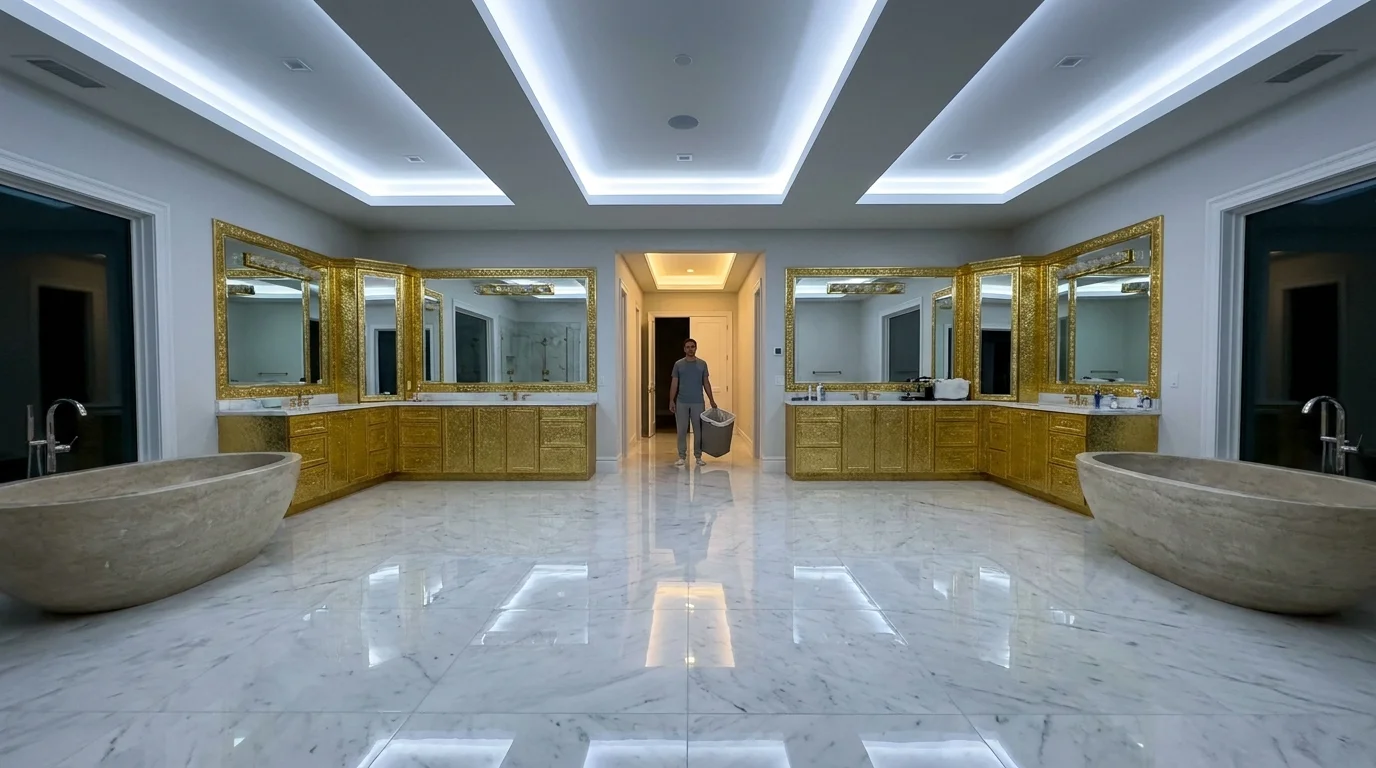
Knocking down a wall to combine two smaller bedrooms into one massive luxury primary suite feels incredibly rewarding in the short term. You gain room for a spa-like bathroom, a massive walk-in closet, and a sitting area. However, reducing your home’s total bedroom count actively destroys its market value. Real estate search engines filter properties heavily based on the number of bedrooms. By dropping from a four-bedroom to a three-bedroom home, you automatically exclude growing families from ever seeing your listing. If you plan to incorporate aging-in-place ideas, focus on widening doorways, reinforcing bathroom walls for future grab bars, and upgrading lighting on the main floor rather than permanently cannibalizing essential sleeping quarters.
6. Extensive Wall-to-Wall Carpeting
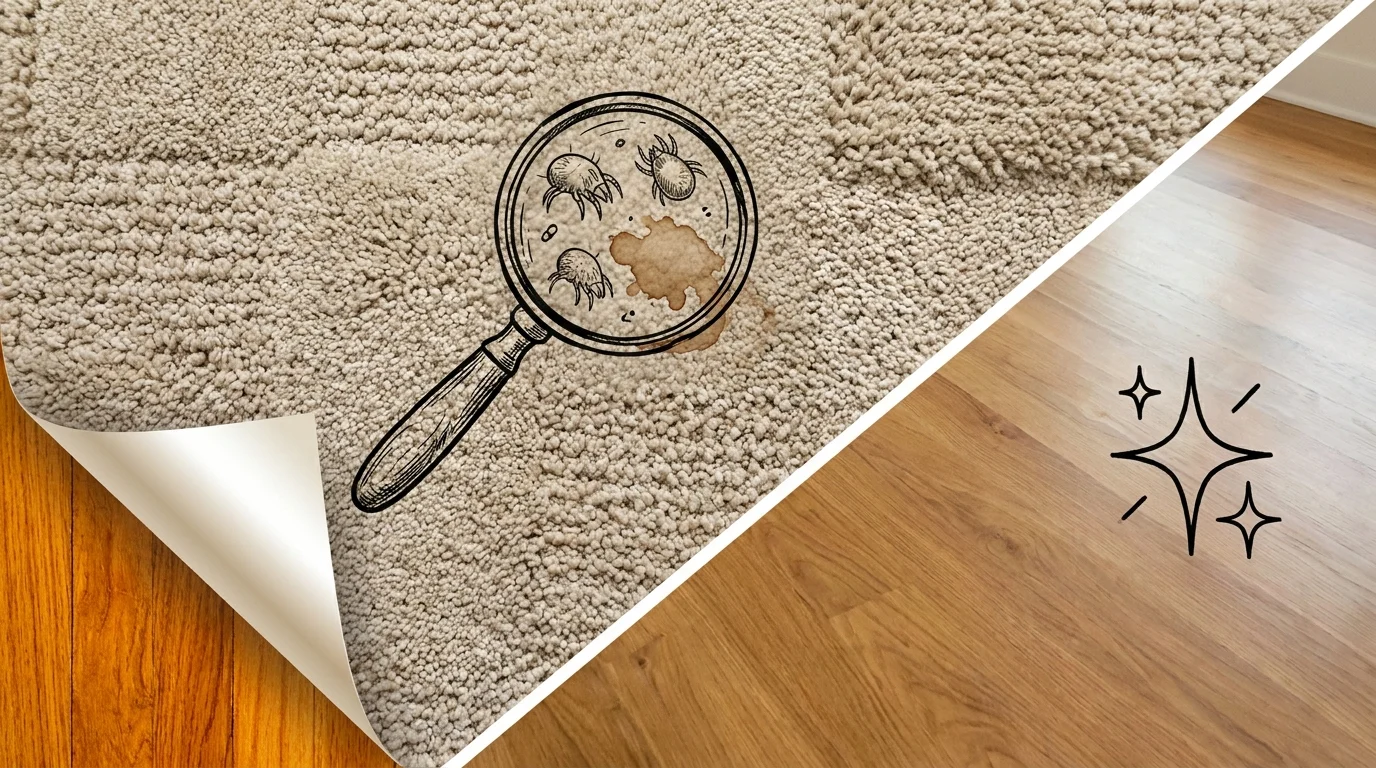
While plush carpeting feels wonderful under bare feet on a cold morning, covering your entire home in wall-to-wall carpet significantly reduces its appeal. Modern buyers strongly prefer hard flooring surfaces like authentic hardwood, luxury vinyl plank, or large-format tile. Carpeting acts as a massive sponge for allergens; it traps dust mites, heavy pollen tracked in from the garden, and pet dander deep within its fibers. For plant enthusiasts, carpeting presents an additional hazard. Accidental water spills during your weekly watering routine quickly lead to trapped moisture and severe mold growth beneath the carpet pad. If you crave softness and acoustic dampening, invest in durable, waterproof hard flooring and layer it with stylish, washable area rugs.
7. Extravagant Swimming Pools
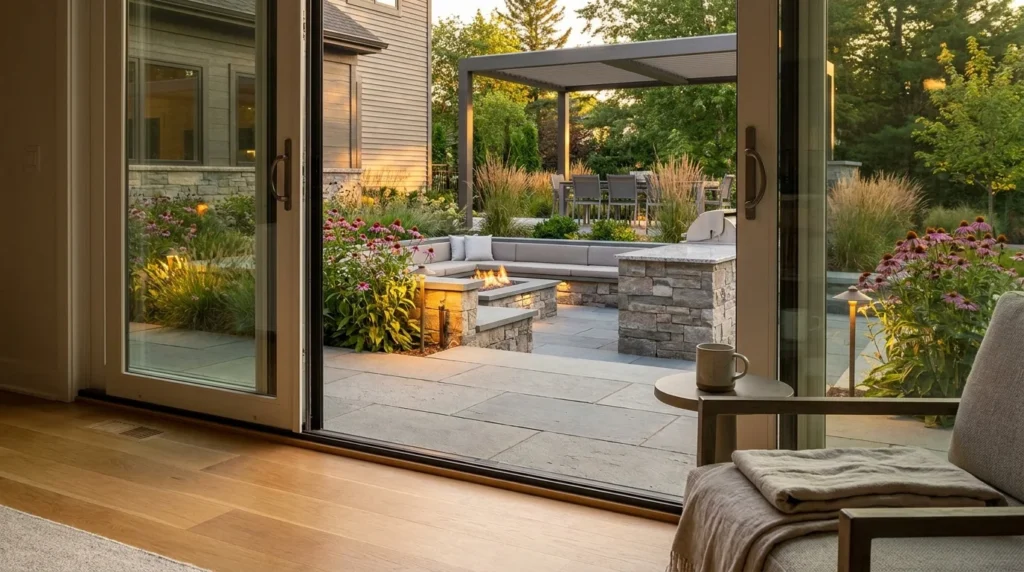
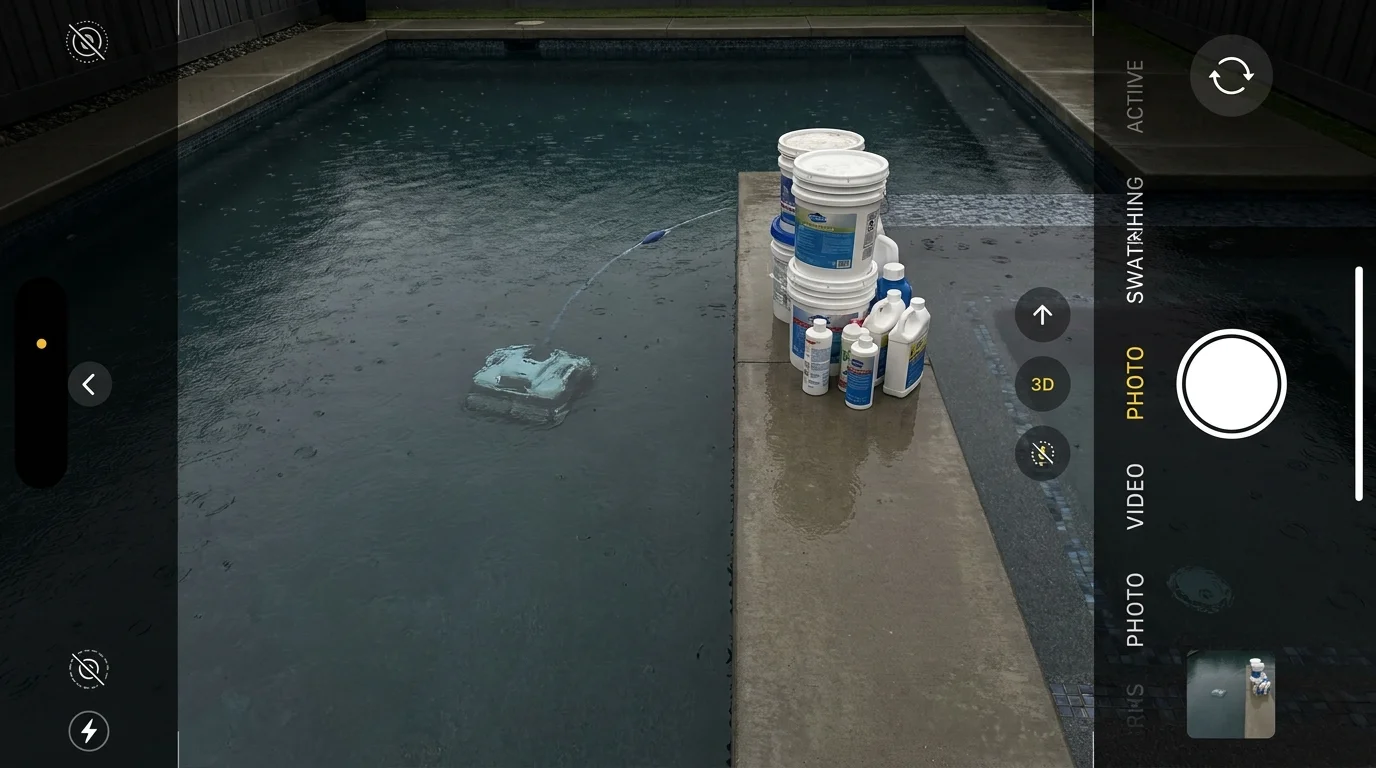
An in-ground swimming pool represents the ultimate luxury for some homeowners, yet it stands out as one of the most polarizing features in residential real estate. Depending on your climate, a pool can actually detract from your property value. Potential buyers instantly tally up the expensive maintenance requirements, the increased homeowner’s insurance premiums, and the severe liability risks. Families with young children often pass on homes with pools entirely due to safety concerns. Maintaining proper chemical balances requires substantial time and money, detracting from the energy you could spend tending your garden. If you live in a region with short summers, a pool offers very little practical utility. Enhance your outdoor comfort instead by building a beautiful, structurally sound composite deck or a covered pergola surrounded by lush, pet-safe greenery.