Frequently Asked Questions
How do I choose plants that are safe for my pets while updating my decor?
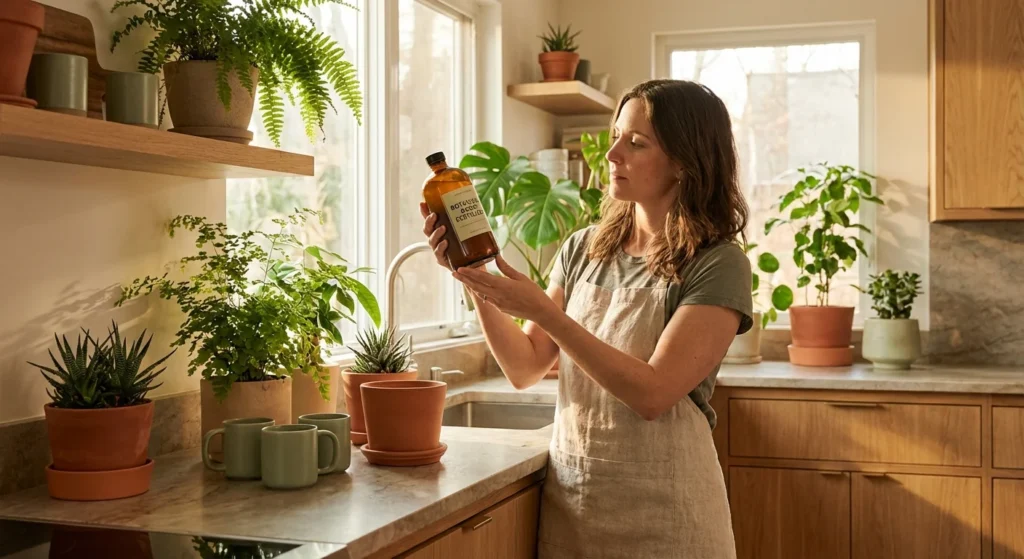
When introducing live greenery into a home with cats or dogs, always cross-reference your choices with the ASPCA toxic plant list. Avoid popular but toxic species like lilies, philodendrons, and sago palms. Instead, opt for visually striking, non-toxic varieties such as the Boston Fern, African Violets, Peperomias, or the fascinating Maranta (Prayer Plant). Elevating your plants on sturdy wall shelves also adds an extra layer of protection.
Will swapping my heavy curtains for sheers harm my low-light plants?
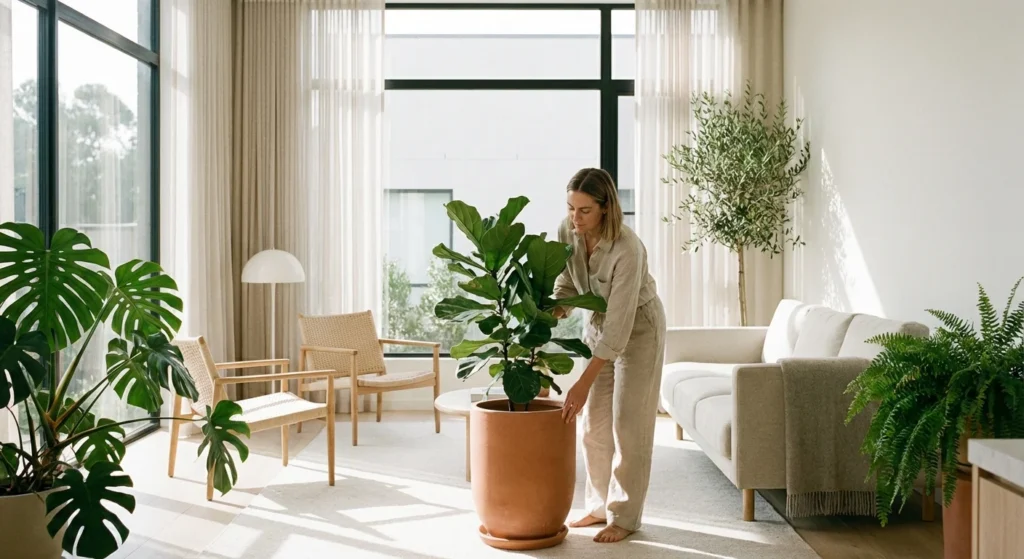
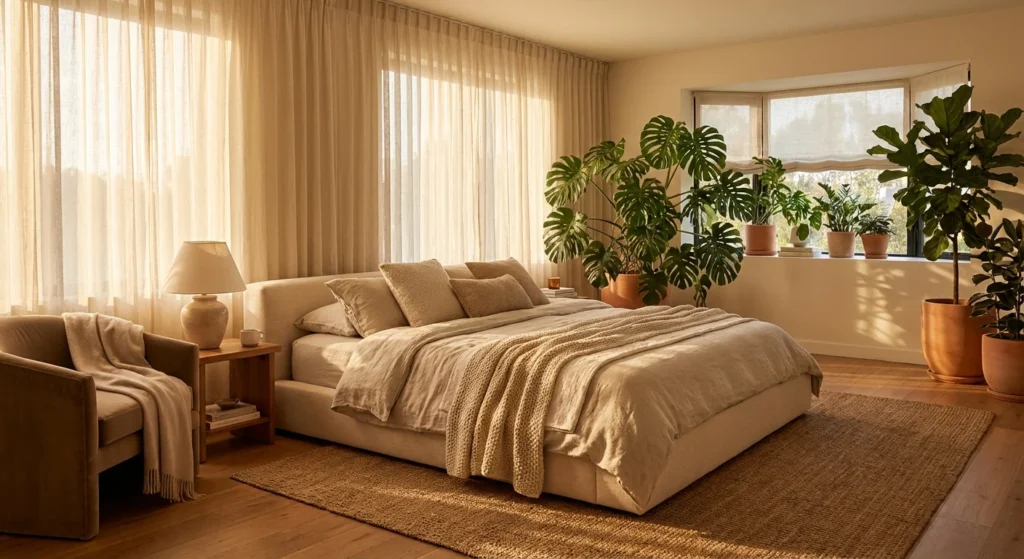
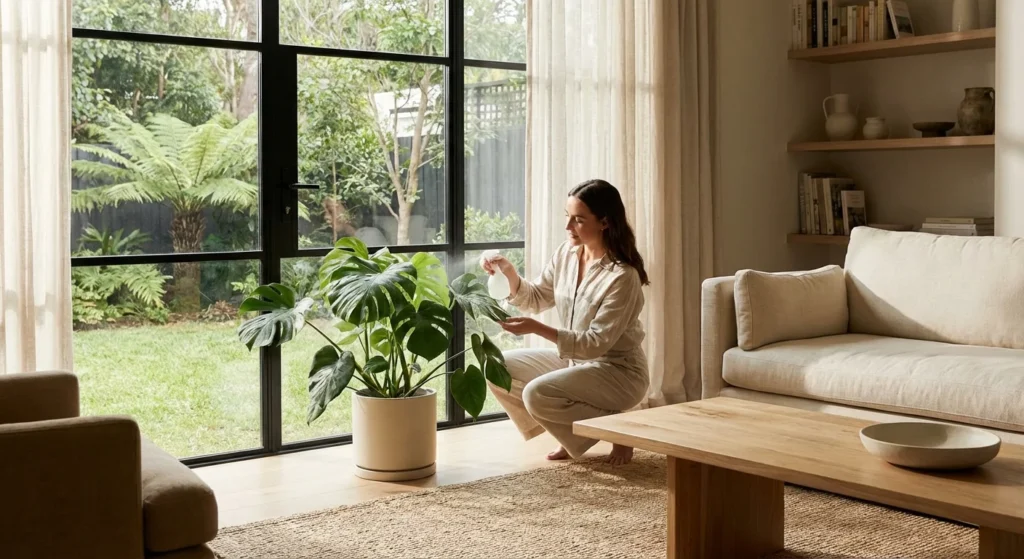
No; in fact, it will likely help them thrive. The term “low light” in horticulture does not mean “no light.” Most indoor tropical plants adapted to the forest floor prefer bright, indirect sunlight. Sheer curtains act as excellent diffusers, softening harsh, direct sun rays that might scorch delicate leaves while still allowing plenty of photosynthetically active radiation (PAR) to reach your greenery.
What is the best way to incorporate grow lights without making my living room look like a commercial greenhouse?
Modern grow light technology has advanced significantly. You no longer need bulky, industrial purple lights dangling from the ceiling. Purchase full-spectrum LED grow bulbs that screw directly into standard E26 lamp sockets. Place them in stylish mid-century modern floor lamps, track lighting, or articulated wall sconces. Many of these bulbs emit a pleasant, warm white light that perfectly mimics natural sunshine and blends beautifully with traditional home decor.
How can I make my living room safer for aging-in-place without sacrificing aesthetic appeal?
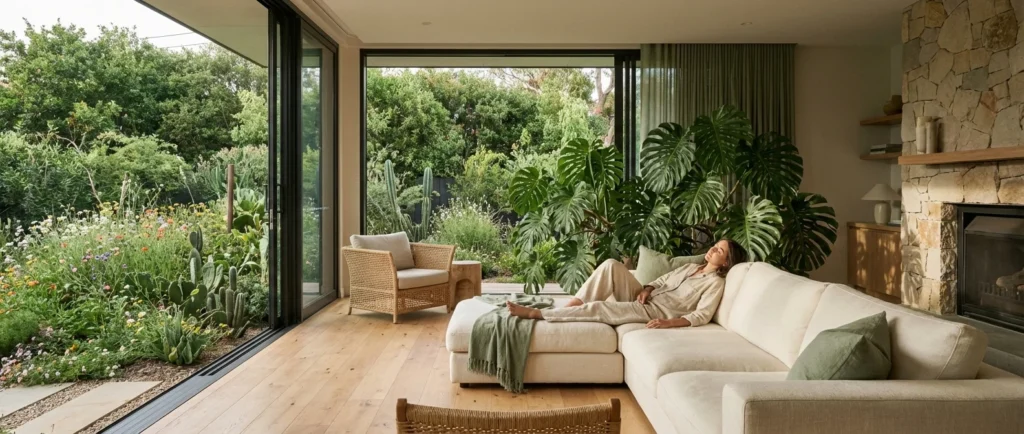
Aging-in-place design is inherently elegant because it champions clean lines, thoughtful organization, and ample space. Focus on creating clear, wide pathways free of trailing electrical cords or bulky ottomans. Secure all low-pile area rugs with high-quality, slip-resistant rug pads. Choose seating with firm support and armrests to assist with standing, and ensure your space benefits from bright, layered lighting to reduce eye strain and prevent accidental trips.