Smart Strategies & Upgrades
1. Dust-Catching Faux Foliage
Nothing dates a living room quite like a plastic fern or a silk ficus tree fading quietly in a dimly lit corner. In the past, faux plants offered an easy way to fill empty space, but they quickly become static dust collectors that contribute nothing to your indoor air quality or aesthetic depth. Artificial foliage lacks the dynamic growth, color variation, and textural richness that real plants bring into a room.
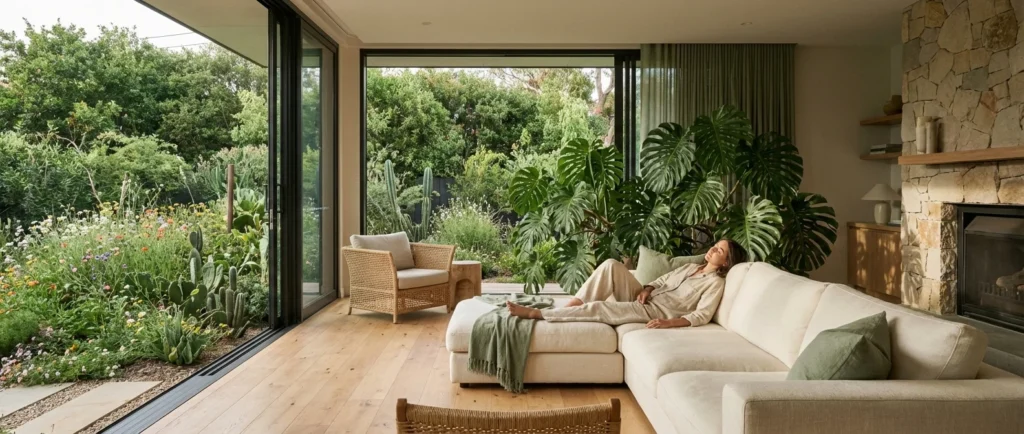
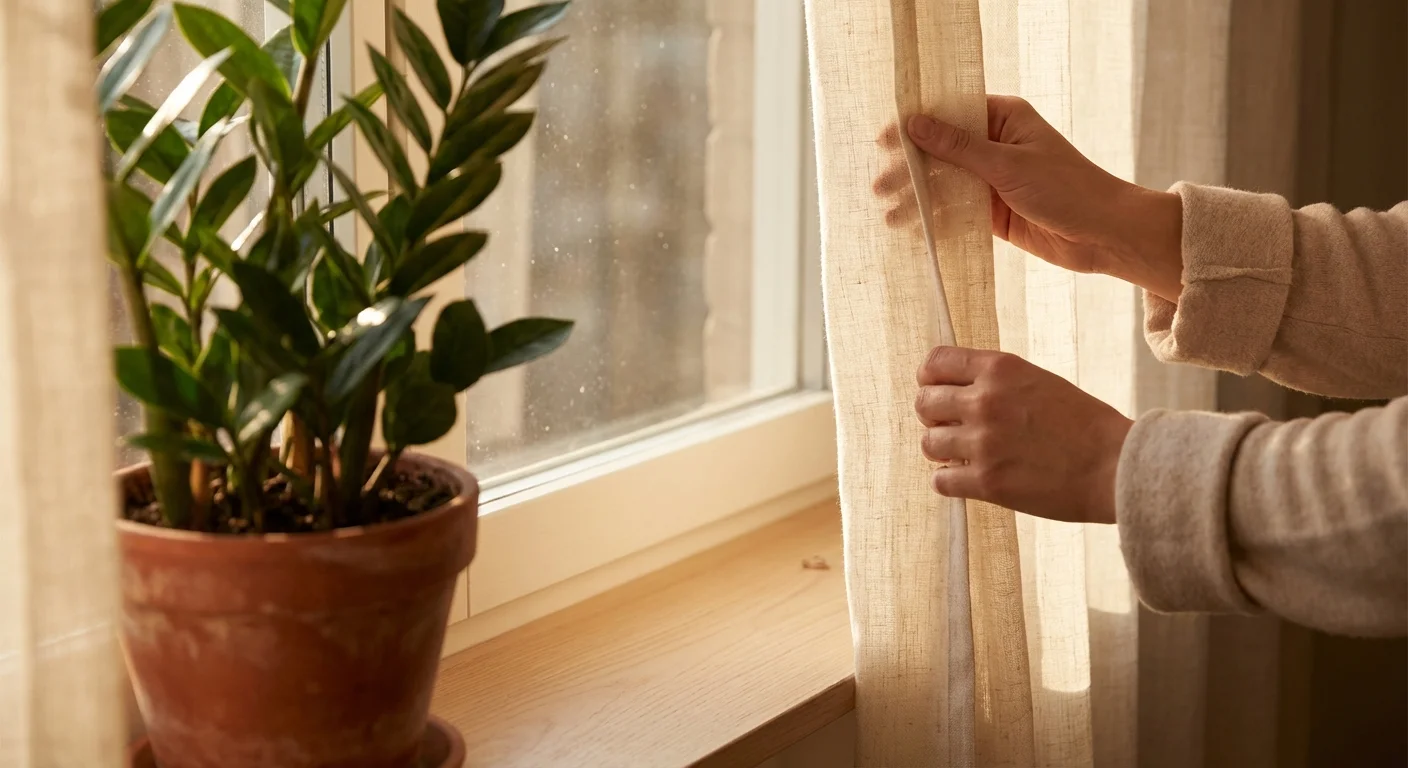
Replace synthetic greenery with low-maintenance, air-purifying live plants. If you fear the responsibility of live plants, start with highly resilient species like the ZZ Plant (Zamioculcas zamiifolia) or the classic Snake Plant (Sansevieria trifasciata). These structural beauties thrive in varying light conditions and require infrequent watering. To set your new live plants up for success, use a well-aerated potting mix containing chunky cocoa coir, perlite, and a dash of horticultural charcoal; this composition ensures roots receive adequate oxygen while preventing waterlogged conditions. Establish a simple watering cadence—allowing the top two inches of soil to dry completely before providing a thorough soaking. If you share your home with curious pets, skip the toxic ZZ plant and opt for pet-safe alternatives like a vibrant Calathea or a cascading Spider Plant.
2. Heavy, Light-Blocking Drapery
Thick, dark window valances and heavy brocade curtains once signified luxury and provided necessary draft insulation. Today, these imposing window treatments simply make living rooms feel claustrophobic, visually shrinking your square footage and starving your houseplants of vital sunlight. Heavy drapery acts as a barrier between you and the natural world, disrupting the organic flow of light that dictates a healthy circadian rhythm.
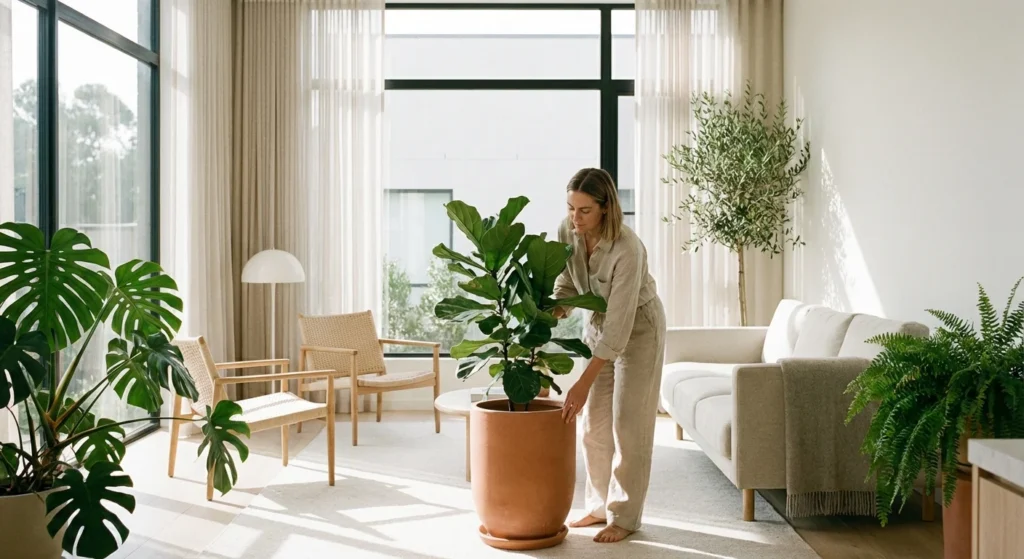
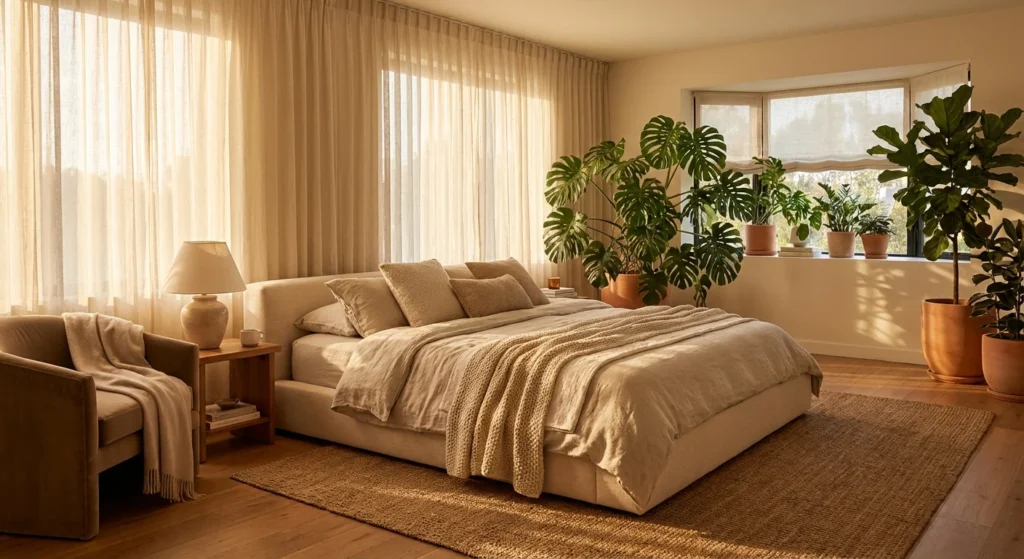
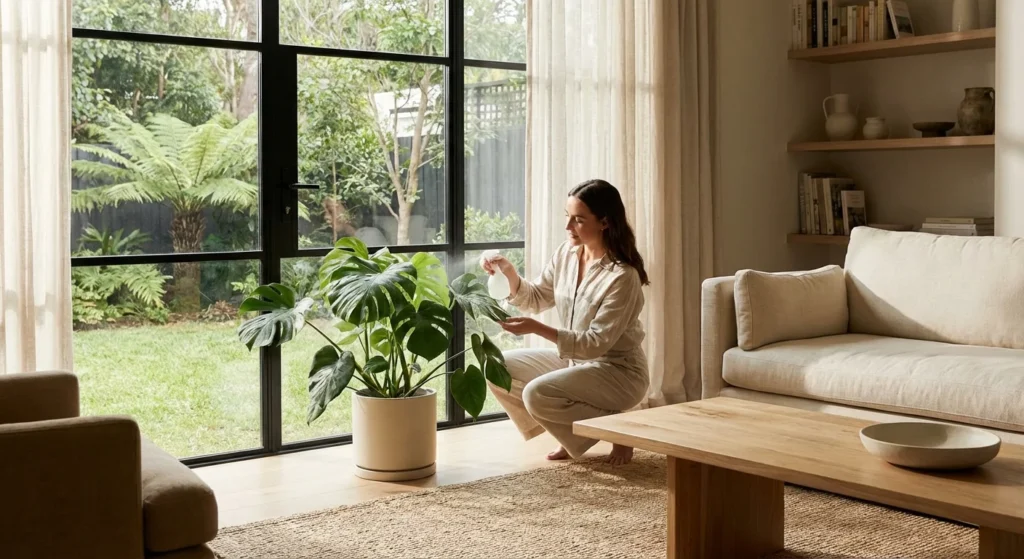
Upgrade to sheer, light-filtering curtains or streamlined, automated cellular shades. Automated window treatments offer exceptional aging-in-place benefits, allowing you to adjust privacy and light levels with a remote control rather than struggling with tangled cords or reaching over furniture. By allowing bright, indirect light to pour into your space, you instantly modernize the room and create the perfect microclimate for tropical favorites like the Monstera deliciosa or a towering Bird of Paradise. Measuring your natural light with a simple foot-candle meter will reveal just how dramatically removing heavy drapes improves the growing conditions in your living room.
3. Matching, Unwieldy Furniture Sets
Purchasing an entire matching suite of living room furniture—sofa, loveseat, armchair, and ottoman all wrapped in the exact same upholstery—was the standard approach for years. This “showroom” aesthetic now feels rigid, unimaginative, and overly formal. Furthermore, these matching sets often feature deep, oversized, floor-hugging silhouettes that present significant mobility challenges. Deep, overly soft sofas that swallow you whole become increasingly difficult to exit as the years pass.
Curate a thoughtful mix of seating options that vary in texture, color, and structural support. Combine a streamlined, firm leather sofa with supportive upholstered armchairs. When selecting new pieces, prioritize ergonomics; opt for seating with firmer cushions, supportive armrests, and a seat height of 18 to 20 inches to support healthy posture and effortless standing. Mixing furniture styles allows you to tailor your seating to different activities—reading, conversing, or tending to your indoor garden—while giving your room a collected, personalized charm over time.
4. Wall-to-Wall High-Pile Carpeting
Expanses of high-pile, synthetic wall-to-wall carpeting trap common household allergens, dust mites, and pet dander. From a functional standpoint, thick carpet creates a serious hazard for individuals utilizing mobility aids like walkers or wheelchairs. For the indoor gardener, wall-to-wall carpet presents an anxiety-inducing nightmare; accidental spills of damp potting soil or errant drips from a watering can quickly lead to stubborn stains and potential mold growth.
Transition to resilient hard-surface flooring such as solid hardwood, engineered wood, or high-quality luxury vinyl plank (LVP). LVP beautifully mimics natural wood while providing exceptional water resistance, making it an ideal foundation for homes heavily populated with humidifiers and lush tropical plants. Soften these hard surfaces strategically with low-pile, washable area rugs. Washable rugs offer the perfect compromise—they define conversation areas, provide warmth underfoot, minimize tripping hazards, and go straight into the washing machine after a messy repotting session.
5. Low-Hanging, Single-Source Lighting
Relying solely on a central overhead ceiling fixture—often a dated “boob light” or a heavy, ornate chandelier—casts harsh, unappealing shadows and leaves the corners of your room in gloomy darkness. This single-source lighting strategy flattens the visual depth of your space, makes reading difficult, and deprives your corner-dwelling plants of the energy they need to photosynthesize effectively.
Implement a layered lighting plan that incorporates ambient, task, and accent lighting. Install sleek wall sconces, adjustable floor lamps, and under-cabinet illumination. Layered lighting dramatically improves visibility, reducing the risk of falls and making your living room safer and more comfortable as you age. For your botanical companions, seamlessly integrate full-spectrum LED grow bulbs into your decorative light fixtures. Select smart grow bulbs with a color temperature between 5000K and 6500K for daytime vegetative growth; you can then program them to shift to a warm, relaxing 2700K in the evening when it is time to wind down.
6. Cluttered, Floor-Hugging Display Shelves
Low, open bookcases crammed with assorted knick-knacks create immense visual clutter that distracts from the architectural features of your room. Functionally, storing cherished items near the floor forces you to bend, stoop, and squat—movements that often become uncomfortable or painful over time. Floor-hugging shelves also place fragile decor and potentially toxic houseplants directly within reach of playful toddlers and curious pets.
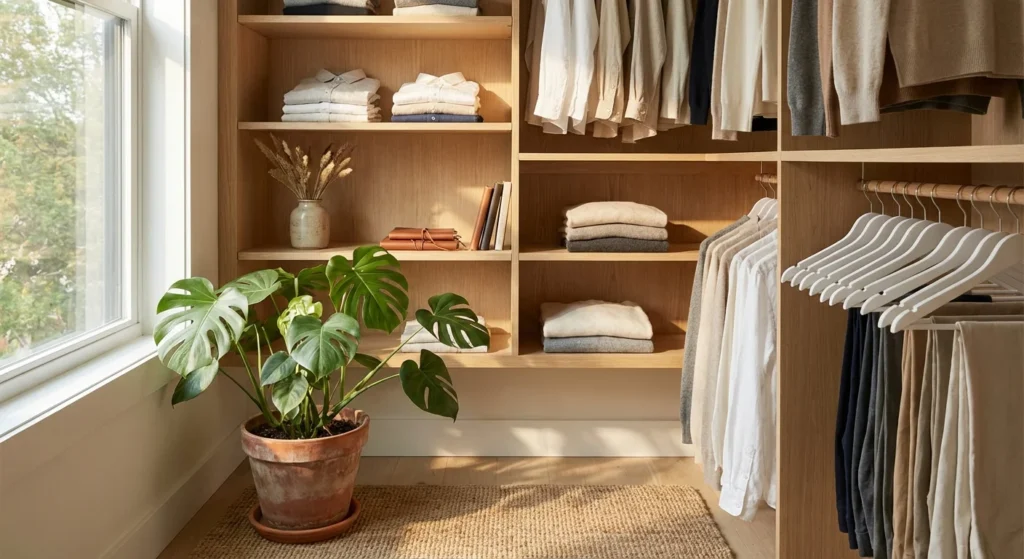
Elevate your displays by installing sturdy floating shelves or custom built-in cabinetry at eye level. Drawing the eye upward makes your ceilings appear higher and gives the entire room a cleaner, more expansive feel. Ensure your shelving is properly anchored to wall studs, especially if you plan to display heavy ceramic pots filled with moist soil. Eye-level shelves create the perfect stage for trailing vines like the Golden Pothos (Epipremnum aureum) or the delicate String of Hearts (Ceropegia woodii). You get to enjoy the cascading beauty of their foliage without straining your back or worrying about your golden retriever treating them like a midday snack.