Budget, Time, & Skill Considerations
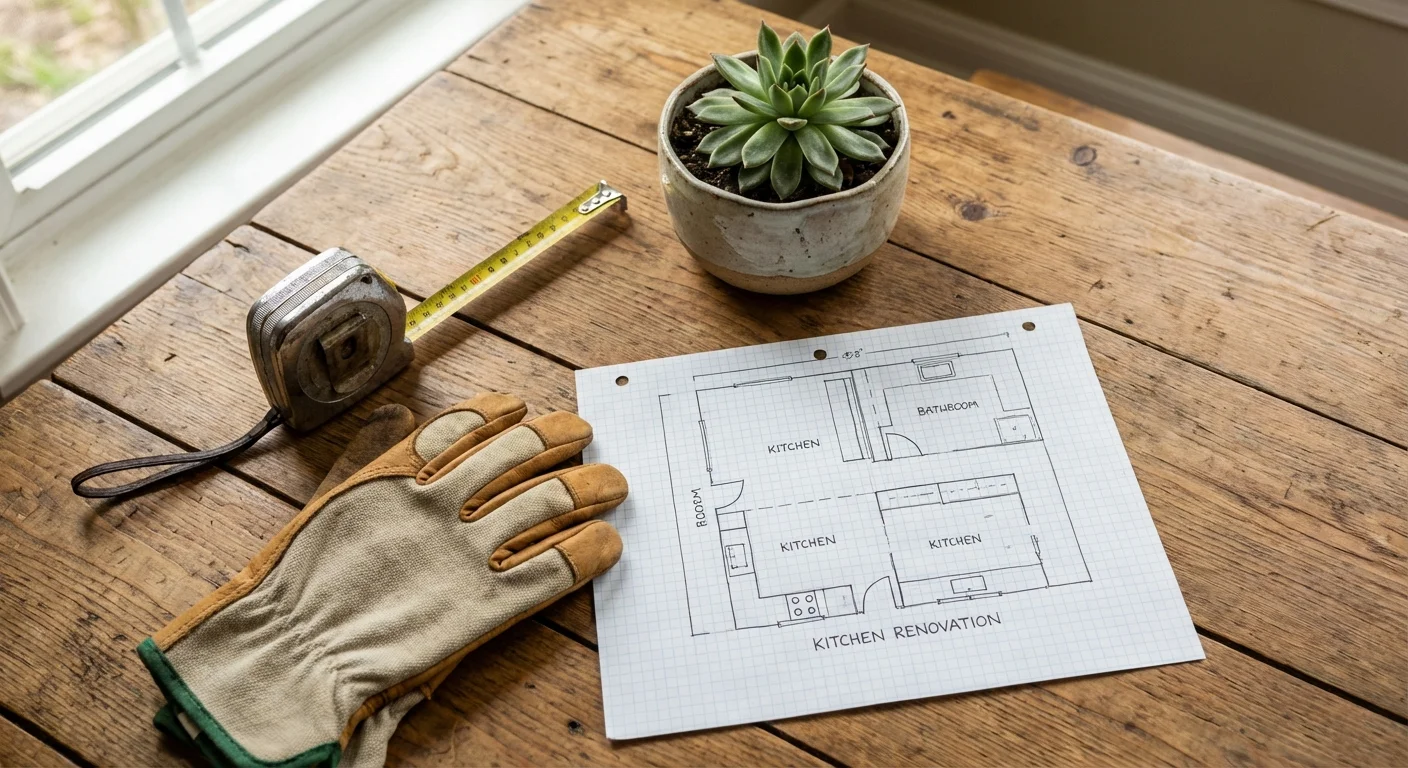
Rushing into a kitchen overhaul without a realistic assessment of your budget and skills sets you up for profound disappointment. Fixing deep-rooted kitchen mistakes later always costs more than planning correctly from the start. A proactive approach serves as the ultimate money saving strategy.
Simple aesthetic adjustments require minimal time and financial investment. Swapping out a toxic plant for a pet-safe fern costs less than thirty dollars and takes five minutes. Upgrading your under-cabinet lighting to full-spectrum LED strips usually runs between fifty and one hundred dollars; most homeowners possess the skills to install these plug-and-play systems themselves in a single afternoon.
However, structural changes demand a higher budget and professional expertise. Adding a new window to increase natural light involves cutting into exterior walls, framing, siding repair, and drywall finishing. This level of home improvement easily ranges from one thousand to three thousand dollars. Do not attempt major structural modifications, plumbing reroutes, or complex electrical work unless you hold the proper licensing. Hiring a reputable, bonded contractor protects your home’s integrity and ensures your upgrades meet municipal building codes.
When assessing flooring changes for water resistance and slip prevention, expect to invest several thousand dollars depending on the square footage. While laying luxury vinyl plank can be a weekend DIY project for an ambitious homeowner, removing old flooring and properly leveling the subfloor requires hard physical labor. If you feel uncertain about achieving a perfectly flat substrate, hire a professional installer. Investing in professional labor ensures your waterproof barriers perform correctly, saving you from devastating water damage down the road.