Smart Strategies & Upgrades
Creating a thriving kitchen environment means respecting the laws of botany and the principles of interior design. Address these five critical errors to protect your home and elevate your indoor gardening game.
1. Misjudging Natural Light and Window Placements
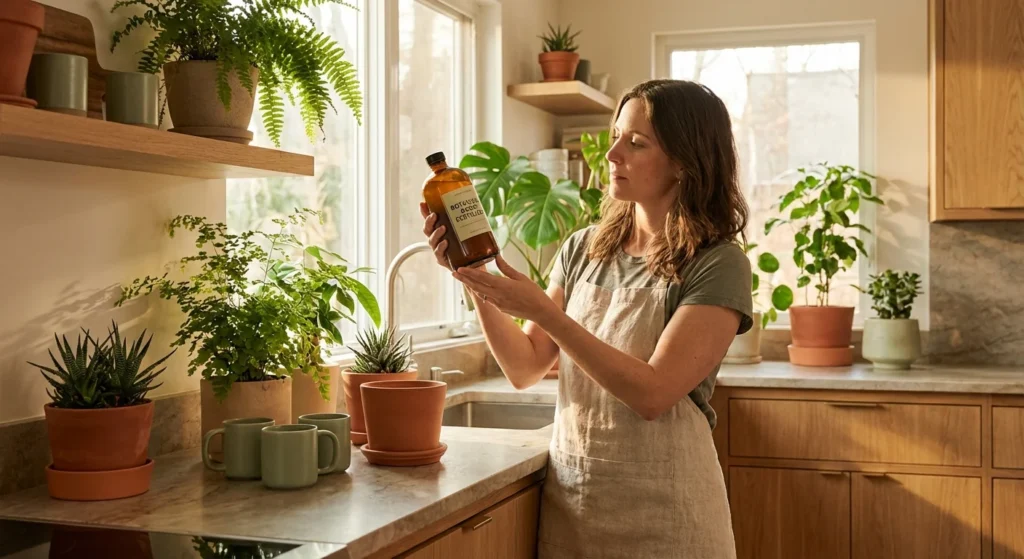
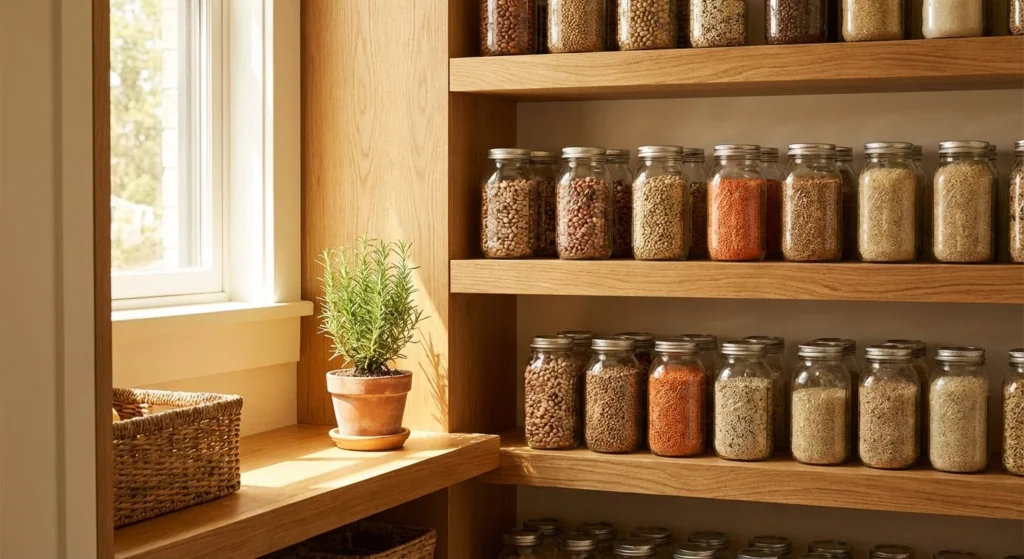
Plants eat light. When you treat greenery purely as decor, you often place pots in dark, empty corners or high above cabinetry where sunlight simply cannot reach. Many homeowners dream of a lush indoor herb garden, yet they tuck their basil and rosemary next to the refrigerator, far away from a window. Culinary herbs require six to eight hours of bright, direct sunlight daily. Placing sun-loving species in dim zones leads to leggy growth, pale leaves, and eventual death.
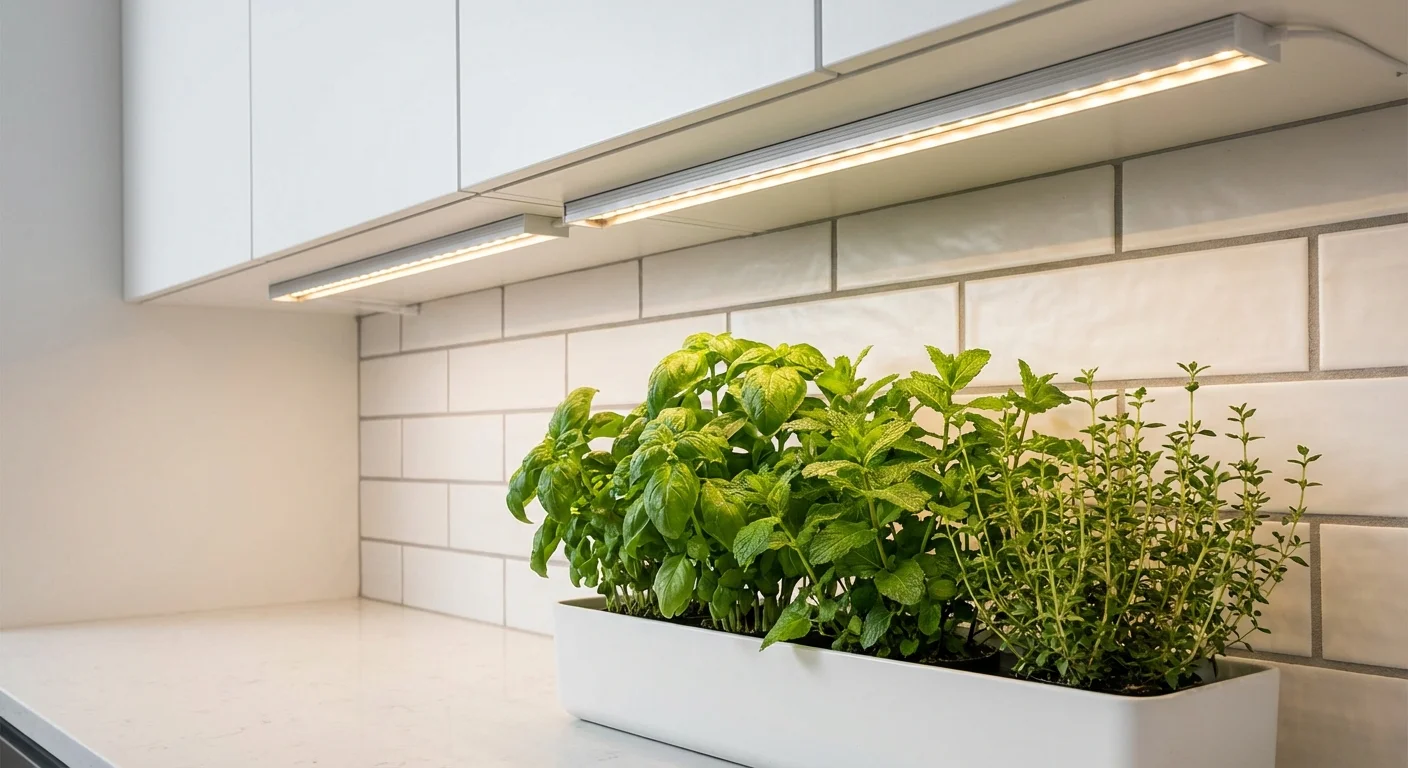
Evaluate your light intensity before purchasing plants. Light drops exponentially with every foot you move away from a windowpane. An east-facing window provides excellent morning light for delicate ferns and calatheas, while a south-facing window offers the intense rays necessary for succulents and herbs. If your current kitchen layout blocks natural light, consider structural home improvement upgrades like enlarging a window or installing a skylight. For a straightforward money saving alternative, mount full-spectrum LED grow lights under your upper cabinets. These discreet fixtures provide targeted illumination for your plants without altering the architectural footprint of your space, serving double duty as brilliant task lighting for your meal prep.
2. Neglecting Airflow and Temperature Extremes
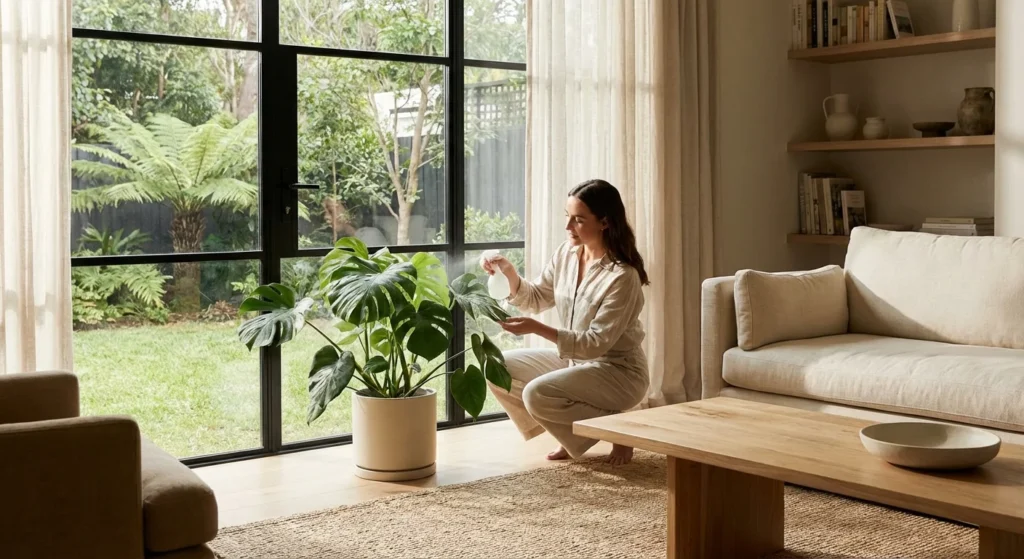
Kitchens generate wild temperature fluctuations. You boil pasta, run the dishwasher, and open the oven, releasing blasts of heat and steam into the room. While tropical plants appreciate humidity, violent swings in temperature induce severe stress. Placing a delicate maidenhair fern directly above a roaring stove guarantees scorched, crispy fronds. Conversely, positioning a tropical monstera next to a drafty back door or directly beneath an air conditioning vent halts its growth and triggers leaf drop.
Furthermore, cooking produces airborne grease and microscopic oil particles. Without adequate ventilation, this grease settles onto your plant leaves, clogging their stomata—the tiny pores plants use to breathe and transpire. Install a high-quality, ducted range hood to pull heat, moisture, and grease out of your kitchen. Wipe your plant leaves down with a damp, soft cloth every two weeks to remove dust and cooking residue. By managing the microclimates within your kitchen, you maintain excellent indoor air quality for your family while keeping your houseplants vibrant and capable of efficient photosynthesis.
3. Installing Flimsy, Hard-to-Reach Shelving
Trailing vines cascading from high shelves look incredibly chic, but ignoring the physical reality of wet soil ranks among the most dangerous remodeling errors. Potting soil acts like a sponge. A large ceramic or terracotta pot filled with thoroughly watered soil easily weighs twenty to thirty pounds. Mounting flimsy floating shelves using basic drywall anchors invites catastrophic failure. When a shelf rips out of the wall, it destroys your drywall, smashes your expensive planters, and risks serious physical injury.
Always anchor heavy plant shelves directly into wall studs using heavy-duty brackets and lag screws. If your desired location lacks stud access, use industrial-grade toggle bolts rated for heavy loads, though securing to wood framing remains the gold standard.
Beyond structural integrity, consider the physical toll of plant maintenance. For senior homeowners, reaching above shoulder height with a heavy watering can creates unnecessary strain and a significant fall hazard. Embrace accessible design by installing shelves at waist or chest height. If you love the look of hanging baskets, utilize retractable pulley systems that allow you to lower the plants to a comfortable working height for watering and pruning, then smoothly raise them back into place.
4. Selecting Water-Sensitive Surfaces
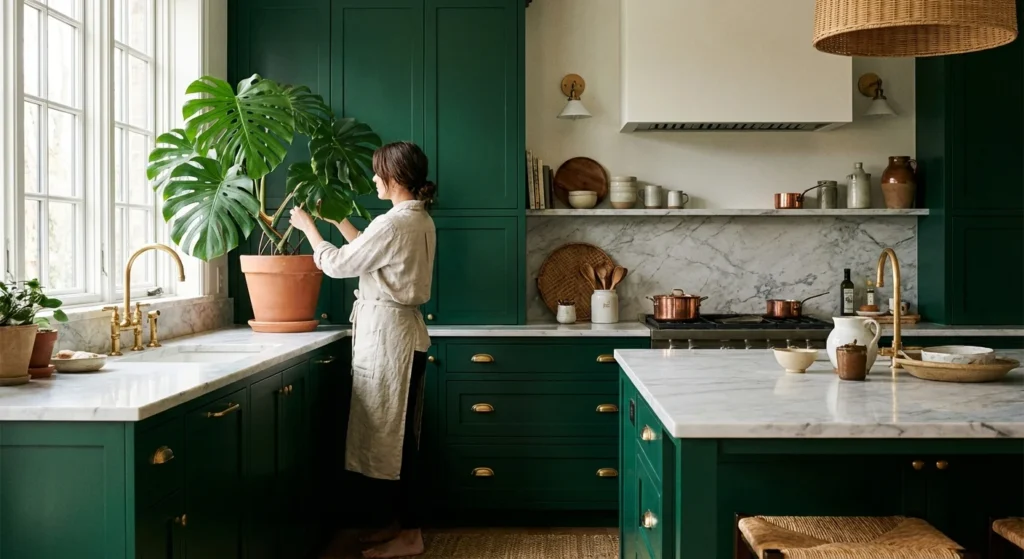
Indoor gardening inherently involves water, wet soil, and the occasional spill. Watering plants on porous natural stone countertops or unsealed hardwood floors practically guarantees long-term damage. Water that overflows from a drainage saucer seeps into wood grain, causing the planks to cup, warp, and rot. Hard mineral deposits from tap water will etch and stain beautiful marble islands.
When selecting materials for your kitchen, prioritize durability and moisture resistance. Luxury vinyl plank flooring and glazed porcelain tiles offer exceptional waterproofing and mimic the elegant look of natural wood or stone. If you already have water-sensitive surfaces, implement strict preventative measures. Always use deep, glazed ceramic saucers beneath your pots, and slide a cork mat or specialized moisture barrier under every saucer to prevent condensation from ruining the finish beneath.
Safety also demands attention here. Spilled water on slick polished tile turns your kitchen into an ice rink. Choose slip-resistant flooring options with a high coefficient of friction. This simple decision prevents dangerous falls, providing vital security and peace of mind for aging-in-place gracefully.
5. Disregarding Pet Safety and Allergens
Your kitchen naturally draws the entire family, including curious dogs and cats searching for fallen food scraps. Positioning toxic plants on low countertops, islands, or the floor exposes your pets to severe health risks. Popular houseplants like dumb cane (Dieffenbachia), pothos, and peace lilies contain calcium oxalate crystals; ingesting these leaves causes intense oral pain, swelling, and gastrointestinal distress in animals. Lilies prove especially lethal to cats, where even grooming a few grains of pollen off their fur triggers acute kidney failure.
Audit your plant collection immediately. Move toxic varieties to inaccessible rooms or hang them securely out of reach. Populate your kitchen with verified pet-safe plants such as Boston ferns, spider plants, peperomias, and cast-iron plants.
Additionally, carefully select your edible plants. While growing culinary herbs provides fresh flavors for your meals, ensure you use organic, food-safe potting soil. Avoid treating kitchen plants with synthetic chemical pesticides or heavy systemic fertilizers, as these compounds can easily cross-contaminate your food preparation surfaces. Opt for natural pest control methods, such as neem oil or introducing beneficial insects, to maintain a healthy, toxin-free culinary zone.