Frequently Asked Questions
Will modern Low-E glass negatively impact my houseplants?
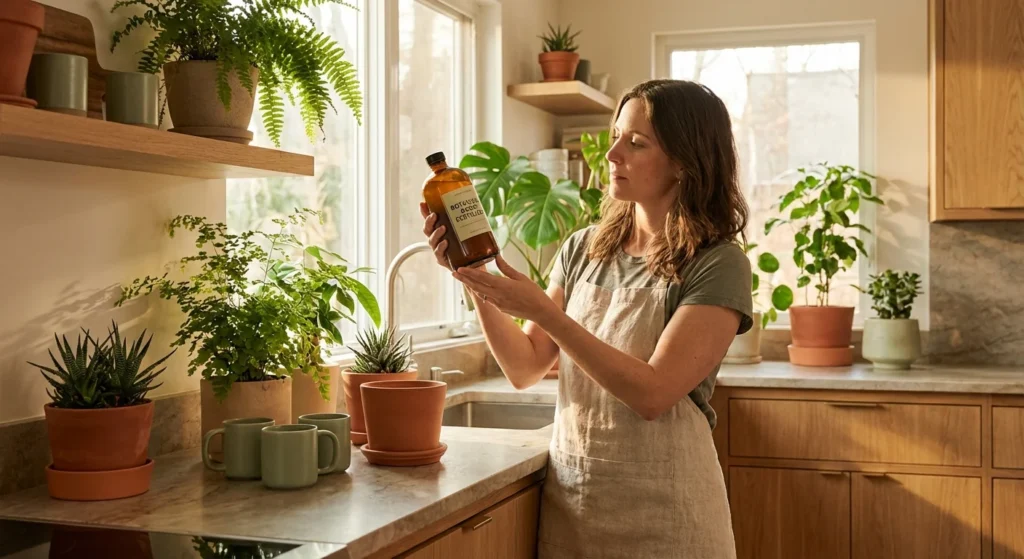
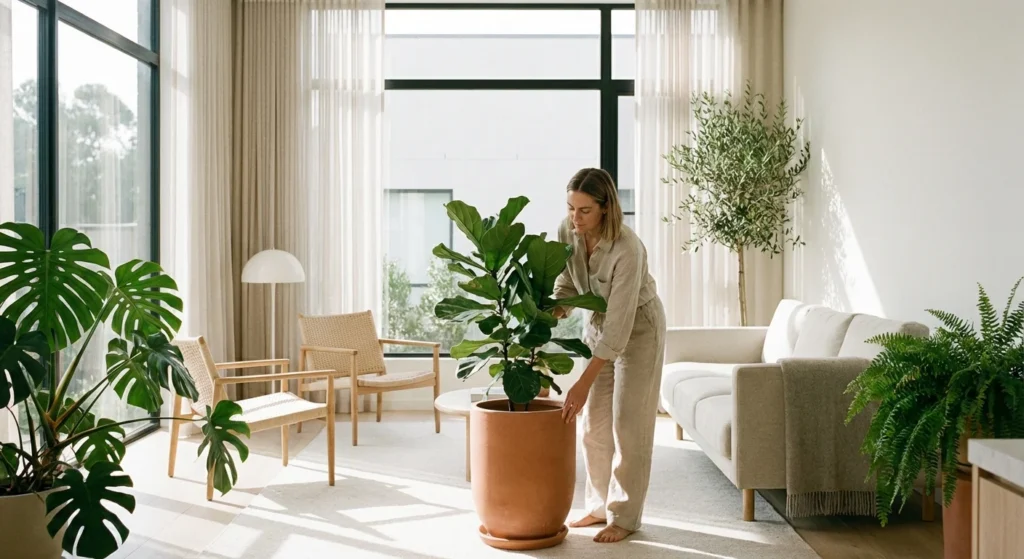
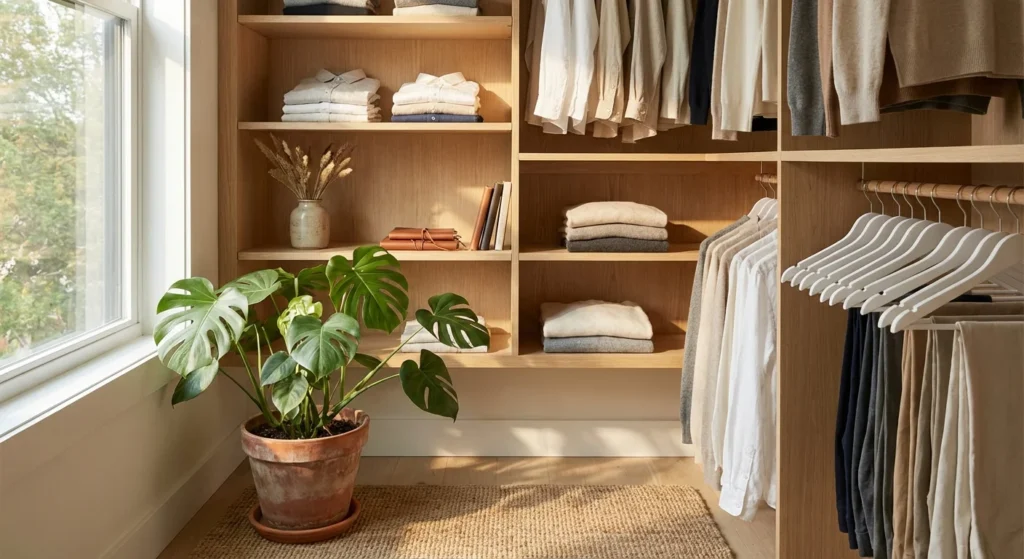
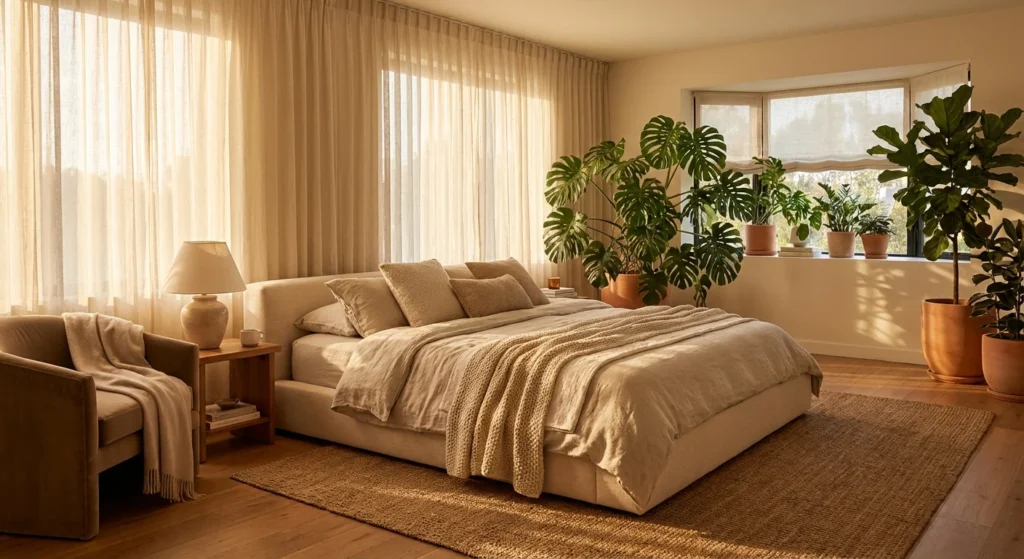
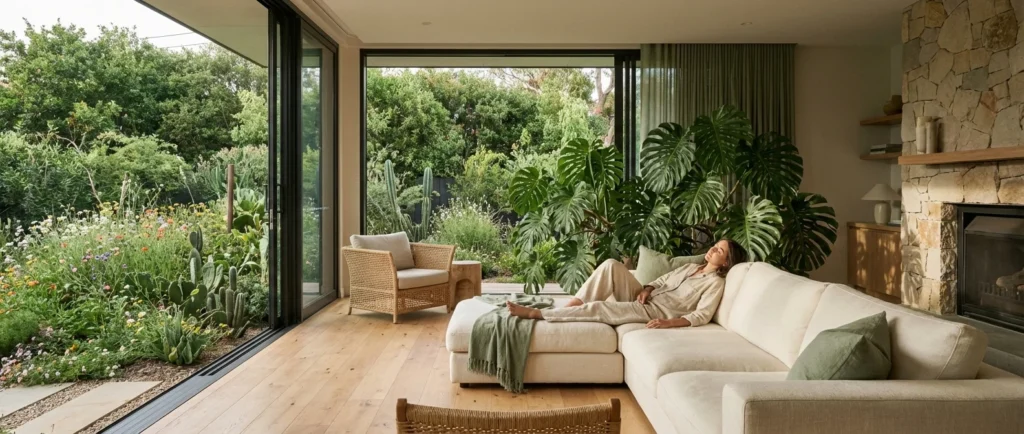
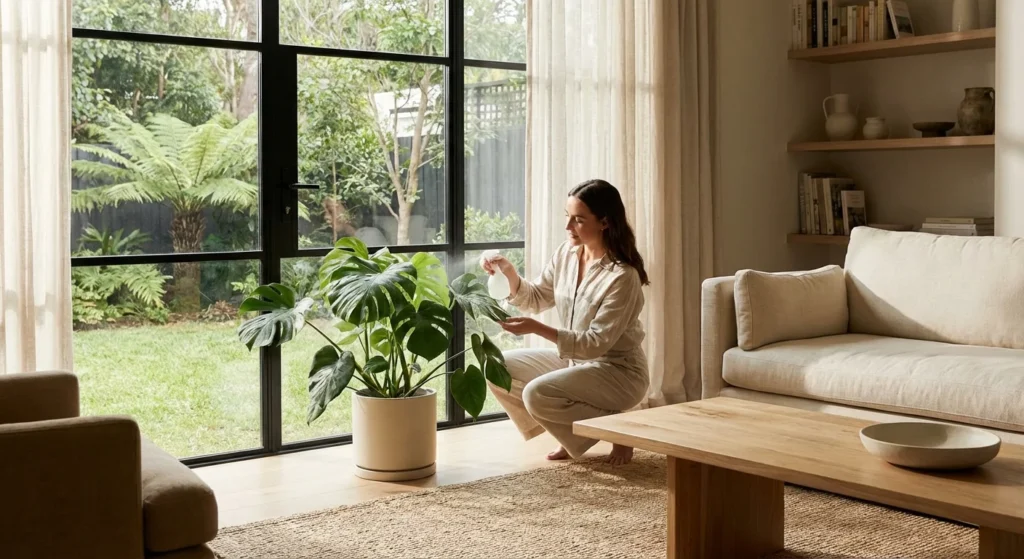
Many plant enthusiasts express deep concern that upgrading to energy-efficient Low-E glass will starve their indoor gardens of essential sunlight. Fortunately, this is a misconception. Low-E coatings are specifically engineered to reflect the invisible ultraviolet rays that fade furniture and the infrared rays that transmit unwanted heat. They successfully allow the vast majority of the visible light spectrum—which your plants desperately need for vigorous photosynthesis—to pass through the glass. Your Monstera and Pothos will actually appreciate the stable microclimate and the elimination of scorching hot spots.
Does replacing older windows trigger any structural cautions?
Yes; upgrading windows in older properties requires strict adherence to safety protocols. If your home was constructed prior to 1978, the existing window frames and sills likely contain hazardous lead-based paint. The friction created by operating old windows grinds this paint into an invisible, toxic dust. Furthermore, old glazing putty sometimes contains asbestos. A certified installation team will utilize heavily regulated containment procedures to safely remove these materials, ensuring no harmful allergens or toxic particulates contaminate your living space or settle into your open plant soil.
Will better window insulation force me to change my plant care routine?
Upgrading your home’s insulation fundamentally alters your indoor environment. Because high-performance windows eliminate drafts and trap humidity much more effectively, your HVAC system runs less frequently. Consequently, the ambient air retains more moisture, and the soil composition in your planters dries out at a notably slower pace. You will likely need to extend the intervals of your watering cadence and perhaps incorporate additional perlite or coarse sand into your potting mix to guarantee proper drainage in this new, highly stable environment.