Smart Strategies & Upgrades
Identifying the precise moment your home requires a window replacement involves observing both the physical condition of the frames and the overall atmospheric health of your rooms. By paying close attention to these six unmistakable signs, you can confidently pursue an upgrade that enhances energy efficiency and protects your indoor environment.
1. Stubborn Drafts and Temperature Fluctuations
A highly functional window completely seals your home against the outside weather. If you walk past your living room sill on a winter evening and feel a distinct chill—or notice the curtains gently swaying when the sash is closed—your weatherstripping and seals have failed. These relentless drafts force your heating and cooling systems to work overtime, pulling humidity out of the air and creating an intensely dry environment.
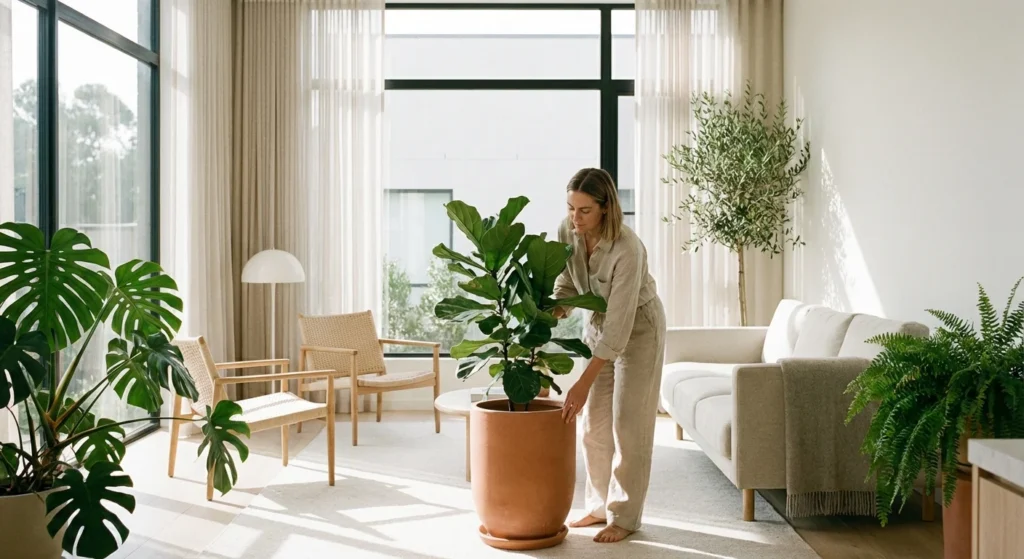
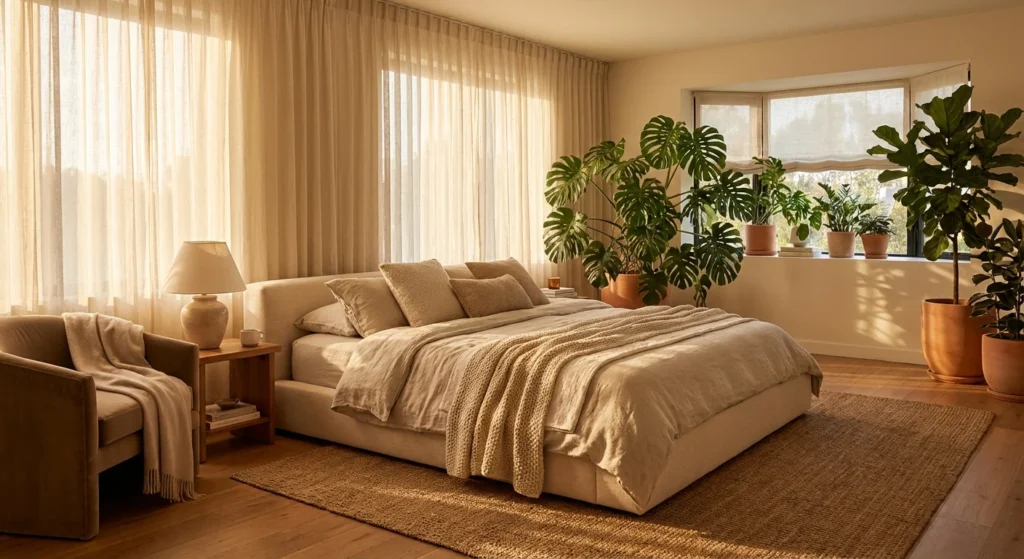
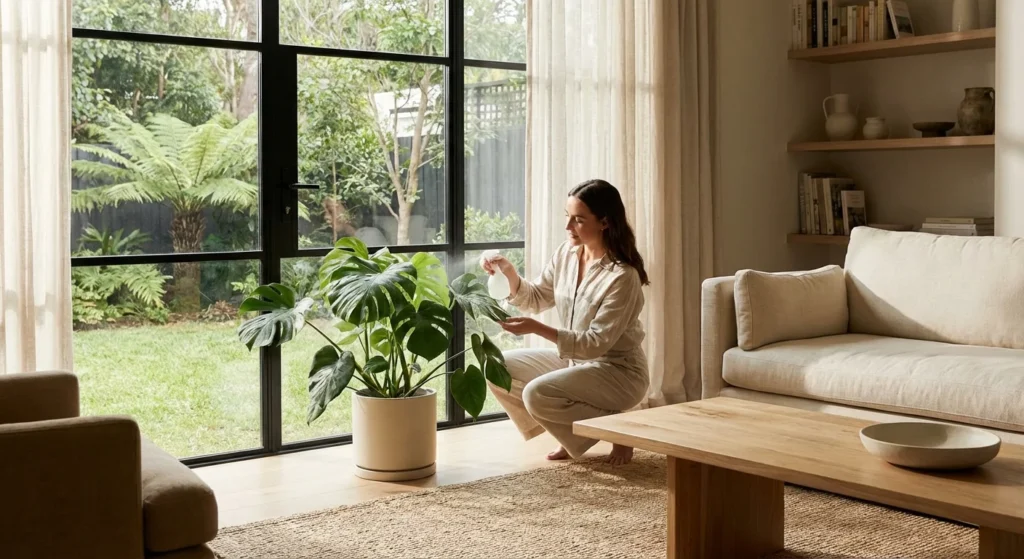
Tropical houseplants despise these invisible cold fronts. Species like the Ficus lyrata or the delicate Calathea require stable, warm microclimates to thrive. When a drafty window constantly lowers the ambient temperature around the foliage, the evaporation rate of the soil slows dramatically. You might discover that your previously perfect watering cadence now leaves the soil composition damp for far too long, inviting root rot. Upgrading to modern, tightly sealed double-pane windows eliminates these drafts, stabilizing the ambient temperature and creating a predictable, healthy climate for sensitive plants and resting pets.
2. Noticeable Condensation Between Glass Panes
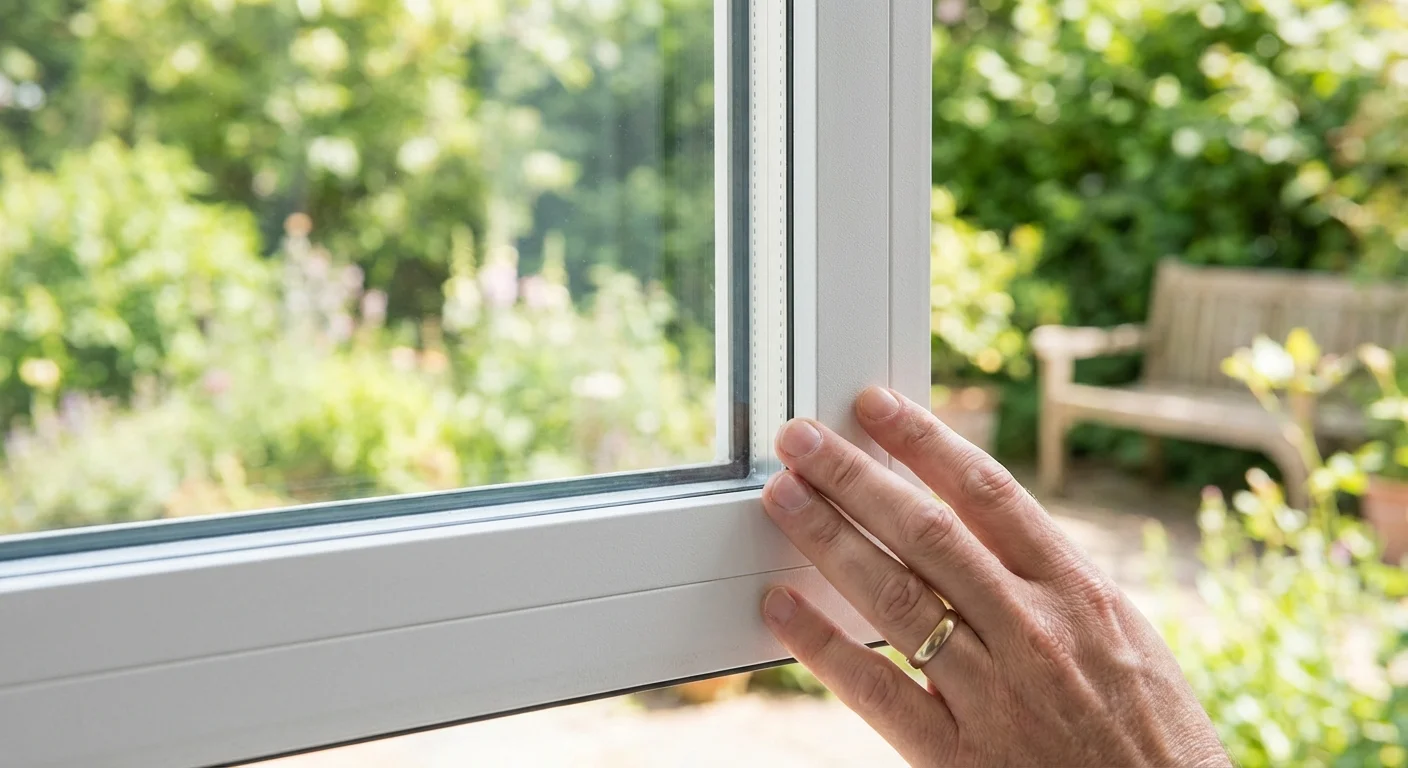
Occasional condensation on the interior of your glass during a humid morning is a simple matter of physics. However, when you observe a milky, foggy buildup trapped directly between the panes of insulated glass, you are witnessing a catastrophic seal failure. Modern windows utilize an insulated glass unit filled with heavy, inert gases like argon or krypton to drastically reduce thermal transfer. When the perimeter seal fractures, this insulating gas escapes, and moisture-laden outside air takes its place.
This trapped condensation ruins your view and dramatically reduces the Photosynthetically Active Radiation passing through the glass. Your sun-dependent plants suddenly struggle to synthesize enough energy, leading to leggy growth and pale leaves. Replacing these compromised units restores brilliant clarity, ensuring maximum light levels reach your indoor garden while returning your home to peak energy efficiency.
3. Difficulty Opening, Closing, or Locking
A window should glide effortlessly along its track and lock securely with a simple physical motion. Over decades of exposure to harsh sun and driving rain, wooden frames warp, swell, and rot, while aging aluminum tracks corrode and pit. If you must forcefully throw your entire body weight into opening a sash, or if you regularly rely on makeshift wooden dowels because the locking mechanisms no longer align, your home suffers from a profound structural deficit.
This physical deterioration presents a severe safety hazard, especially when considering aging-in-place strategies. A heavy, unsupported window sash that suddenly slams shut poses a significant danger to a curious cat napping on the sill or a person attempting to adjust a windowbox planter. Replacing these aging fixtures with modern, structurally sound materials ensures effortless operation, easy ventilation, and reliable security for every member of the household.
4. Escalating Monthly Energy Bills
Your monthly utility statement often serves as the most objective indicator of your home’s thermal performance. The Department of Energy estimates that heat gain and heat loss through windows account for roughly twenty-five to thirty percent of residential heating and cooling energy use. If you notice a steady, unexplainable climb in your energy bills despite normal thermostat usage, your old single-pane glass or degraded window frames are actively draining your wallet.
Investing in energy-efficient window replacement yields immediate, tangible cost savings. Advanced frames manufactured from fiberglass or multi-chambered vinyl block thermal bridging. By keeping your heavily air-conditioned air inside during the summer and trapping your furnace heat during the winter, you drastically reduce the workload on your HVAC system, ensuring your home remains an affordable, comfortable sanctuary.
5. Fading Furniture and Scorched Foliage
Natural sunlight brings unparalleled joy and warmth into a room, but unmitigated solar radiation carries destructive ultraviolet and infrared rays. Older, unglazed windows permit these harsh spectrums to flood your interior. Over time, you will notice your expensive hardwood floors fading, your vibrant rugs bleaching, and your upholstery losing its original luster.
This unfiltered radiation also wreaks havoc on your indoor horticulture. Plants positioned near these outdated windows frequently suffer from severe sun scorch—manifesting as crispy, brown patches on otherwise healthy leaves. Modern replacement windows feature microscopically thin metallic Low-E coatings that actively reflect harmful UV and infrared rays back outside while permitting essential visible light to pass through. This crucial technological upgrade protects your interior design investments and provides a safe, filtered light source for your most delicate botanical specimens.
6. Intrusive Outside Noise Disruption
Your home should function as a peaceful retreat from the chaotic energy of the outside world. If you can distinctly hear your neighbors conversing on the sidewalk, every passing delivery truck, or the rustling of leaves across the street, your windows lack adequate acoustic insulation. Single-pane windows and uninsulated frames offer practically zero resistance to sound wave transmission.
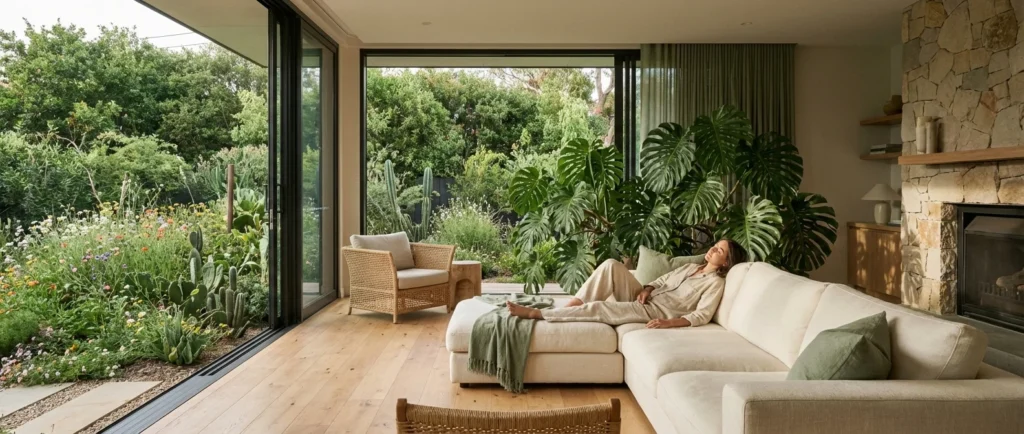
Replacing these acoustically weak barriers with high-quality, dual-pane or triple-pane glass transforms the auditory landscape of your rooms. The combination of varied glass thicknesses and the dampening effect of the argon gas fill actively breaks up sound waves. This upgrade fosters a deeply serene environment, allowing you to relax, work, or tend to your indoor garden without constant auditory interruptions.