Frequently Asked Questions
Do my indoor plant setups contribute to hidden water damage?
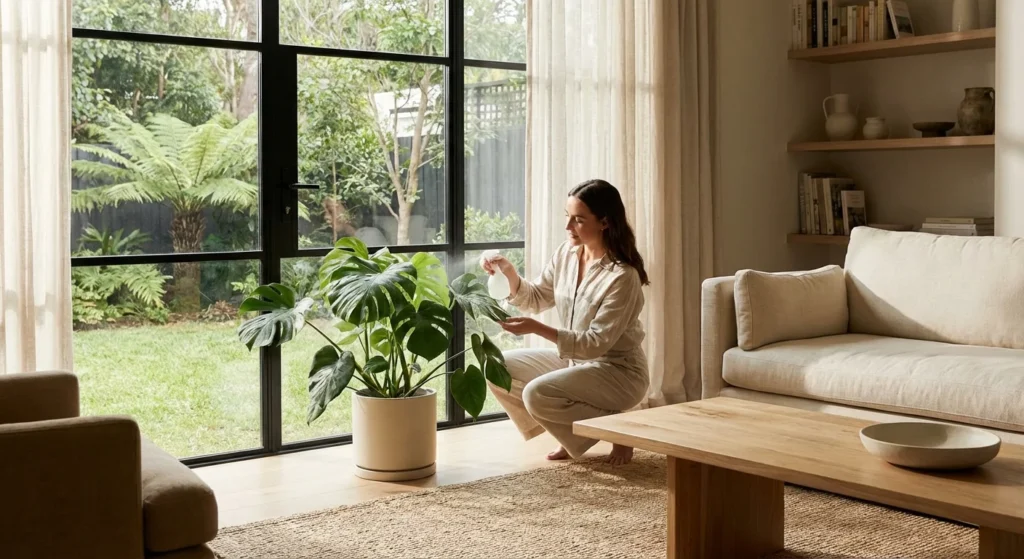
They certainly can if improperly managed. Overflowing drainage trays, frequent aggressive misting, and placing porous terra cotta pots directly on hardwood floors introduce chronic moisture to sensitive surfaces. Always use waterproof saucers beneath your plants, slip protective cork pads under heavy pots to facilitate air circulation, and mop up any accidental spills immediately. Elevating your larger indoor trees on rolling plant caddies also helps protect your flooring and makes routine cleaning much easier.
How can I tell the difference between an old, inactive water stain and an active leak?
An old water stain will feel dry to the touch and hard, retaining the firm texture of the surrounding drywall. An active leak will feel cool, damp, or soft. You can outline the edge of a suspect ceiling stain lightly with a pencil; check back after a heavy rainstorm or after running the shower above it. If the stain expands past your pencil mark, moisture is currently flowing, and you have an active problem that requires immediate attention.
Is it safe for my pets if I use bleach to clean up mold from a water leak?
Bleach is highly toxic to dogs, cats, and birds, and it is actually ineffective at treating mold on porous surfaces like drywall or wood, as it only bleaches the surface color while leaving the root structure intact. Instead of using harsh chemicals, isolate your pets from the affected room and clean minor, surface-level mildew on non-porous surfaces with a solution of water and white vinegar or hydrogen peroxide. For significant fungal growth resulting from water damage, keep pets entirely away from the area and contact a professional remediation service to handle the cleanup safely.