Smart Strategies & Upgrades
Preventative home maintenance operates on the same principles as proactive horticulture. You do not wait for a beloved fiddle leaf fig to drop all its leaves before adjusting your watering schedule; similarly, you should never wait for a ceiling to collapse before investigating a moisture issue. Below are nine critical warning signs that indicate water is wreaking havoc behind the scenes, along with practical maintenance tips to help you reclaim control of your home environment.
1. Unexplained Spikes in Your Water Bill
Your monthly utility statement serves as an excellent diagnostic tool. If you notice a sudden, inexplicable surge in your water usage—and you have not recently filled a swimming pool or established a new outdoor garden bed—you likely have a hidden leak. Continuous water flow, even at a mere trickle, adds up rapidly. Check your water meter before leaving the house for a few hours, ensuring no appliances are running. Check it again upon your return. If the dial has moved, water is actively escaping somewhere in your plumbing system. Toilet flappers often degrade silently; drop a dye tablet into the tank and watch the bowl to see if color seeps through without flushing.
2. Musty Odors That Plants Cannot Mask
A thriving indoor garden smells earthy, fresh, and alive. Conversely, hidden water damage produces a distinct, heavy, musty odor that lingers no matter how many windows you open or botanical candles you burn. This scent results from microbial volatile organic compounds released by actively growing mold colonies inside your walls or under your floorboards. If you notice a damp, cellar-like smell near your baseboards, beneath sinks, or in dimly lit closets, you need to investigate immediately. Masking the odor only gives the mold more time to colonize, which dramatically increases the risk of aggravating asthma and other respiratory allergens in your household.
3. Peeling, Bubbling, or Flaking Paint
Modern interior paints adhere beautifully to dry surfaces, creating the smooth, matte, or eggshell finishes that define elegant interiors. When excess moisture builds up within the drywall or plaster behind the paint layer, it attempts to evaporate outward. This osmotic pressure stretches the paint film, resulting in unsightly bubbles, blisters, or peeling sections. Treat bubbling paint as an active distress signal from your walls. Scraping and repainting the area will only mask the symptom temporarily. You must locate the moisture source—often a leaking window casing or an uninsulated pipe sweating in a wall cavity—before applying a fresh coat of your favorite designer shade.
4. Warped, Buckling, or Cupping Floors
Hardwood and luxury vinyl plank flooring offer timeless appeal, serving as the perfect visual foundation for your favorite ceramic planters and woven baskets. Unfortunately, flooring materials react aggressively to trapped moisture. Hardwood planks will cup—where the edges rise higher than the center—when the underside of the wood absorbs moisture from a damp subfloor. Conversely, crowning occurs when the top surface expands. Step back and examine your floors under natural daylight; any rippling, buckling, or spongy feeling underfoot indicates that water is pooling beneath the surface. Pay special attention to the areas around your dishwasher, refrigerator, and underneath large, heavily watered indoor trees.
5. Discolored Water Stains on Ceilings and Walls
Gravity remains a relentless force in home architecture. Water from a compromised roof, a slow upstairs bathroom leak, or a sweating HVAC duct will naturally travel downward until it pools on the upper surface of your ceiling drywall. Eventually, this moisture bleeds through, leaving behind characteristic yellowish-brown rings or irregular dark splotches. These stains often start small and expand outward like the rings of a tree. Never paint over a fresh water stain without verifying the source. Trace the location upward to check for plumbing joint failures or missing shingles that allow rainwater to infiltrate the building envelope.
6. Mold and Mildew in Unexpected Places
While a tiny spot of mildew on a shower curtain liner is normal, discovering mold growth in your living room, bedroom corners, or hallway baseboards points to severe hidden dampness. Mold spores require organic material and consistent moisture to thrive. If you find fuzzy gray, black, or green patches growing on your drywall, behind your favorite vintage credenza, or along the backing of your curtains, you have a humidity and water intrusion problem. This poses a significant pet safety concern, as dogs and cats breathing in toxic mold spores at floor level can develop severe health complications. Prompt mold prevention and remediation are essential for a healthy home.
7. Unusually High Indoor Humidity
Your tropical specimens—monsteras, orchids, and ferns—absolutely adore high humidity levels hovering between 50 and 60 percent. Your home’s framing and drywall, however, despise it. When indoor humidity routinely climbs above 60 percent without the aid of a humidifier, you likely have trapped moisture evaporating from a hidden source, such as a flooded crawlspace or a slow foundation leak. Purchase a reliable digital hygrometer to monitor your living spaces. If your home feels constantly clammy or if condensation perpetually fogs your interior windows, it is time to deploy dehumidifiers and inspect your property’s perimeter for drainage failures.
8. Soft or Spongy Spots in Woodwork and Drywall
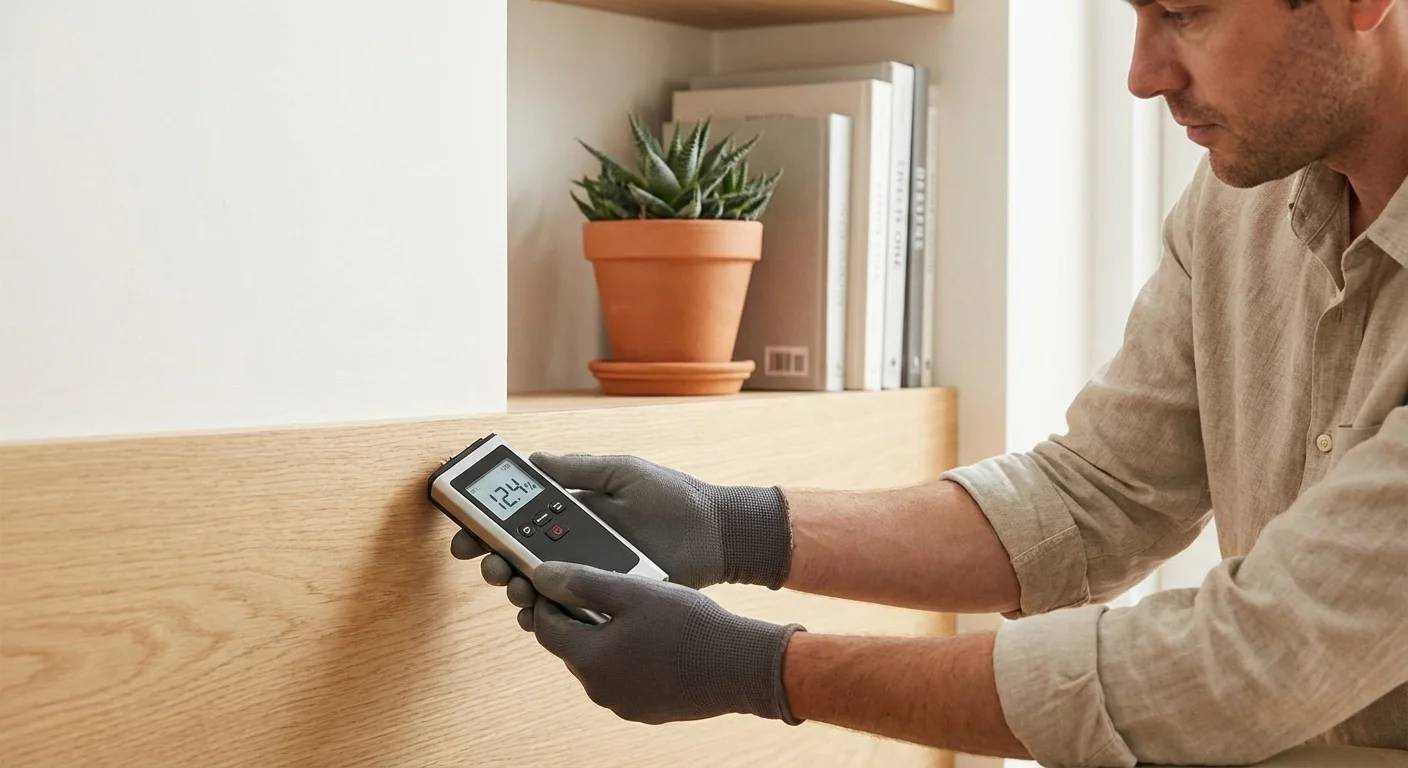
Healthy drywall feels solid and unyielding, much like the thick, rigid stem of a mature rubber tree. Water-logged drywall turns soft, chalky, and spongy. Run your hands along the walls near your plumbing fixtures, beneath window sills, and around your door frames. Press gently on the baseboards. If the material gives way, crumbles easily, or feels permanently damp to the touch, you have discovered hidden water damage. This localized “house rot” mimics root rot in plants; the structural integrity is compromised at a cellular level, and the affected material must be completely removed and replaced to prevent the decay from spreading further.
9. Pooling Water in Your Yard or Foundation
Interior moisture issues frequently originate in your landscaping. Proper exterior grading should direct rainwater away from your home’s foundation. If you notice water pooling in your garden beds next to the house, overflowing from clogged gutters, or saturating the soil against your siding, that moisture will eventually find its way into your basement or crawlspace through hydrostatic pressure. Ensure your downspouts extend at least six feet away from your foundation. Carefully assess your outdoor plant placements; heavy, water-retaining mulch or densely packed shrubs planted too close to the exterior walls can trap moisture against the siding, initiating the deterioration process.