Smart Strategies & Upgrades
To cultivate a resilient and beautiful living space, you must replace destructive habits with mindful, effective techniques. Here are seven common practices you should leave behind, along with the superior methods that protect your home and your greenery.
1. Spraying Cleaners Directly Onto Furniture and Glass
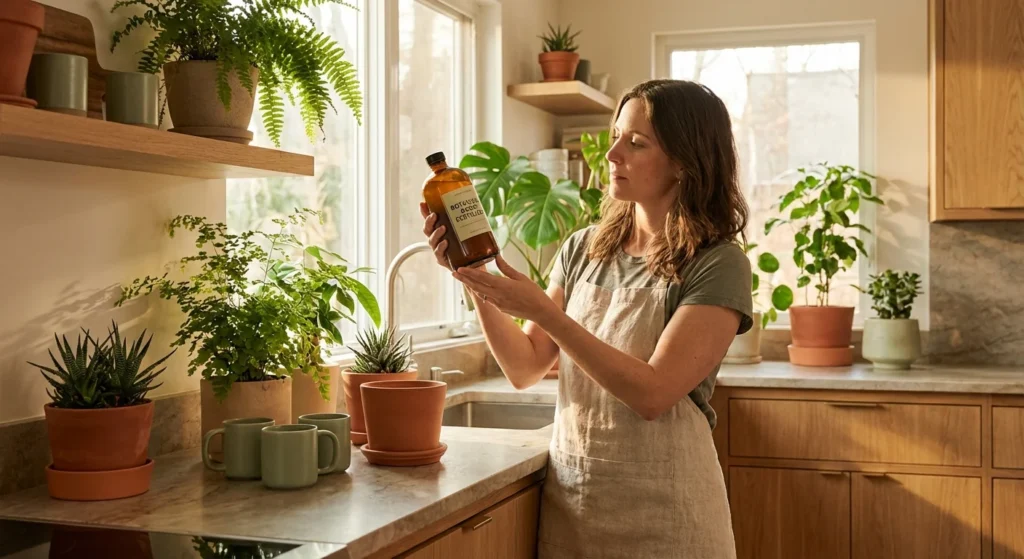
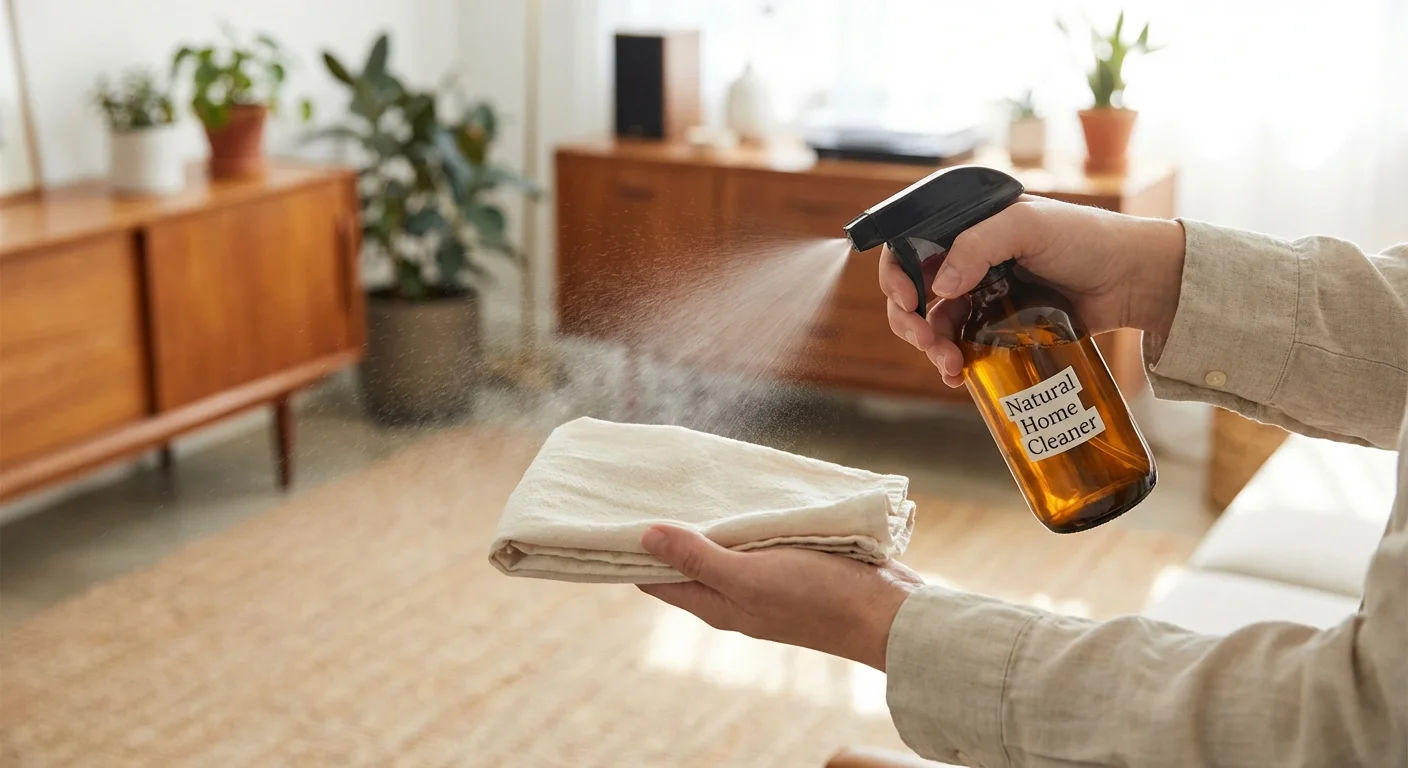
When you aim a bottle of glass cleaner or furniture polish directly at your sideboard or living room mirror, the liquid does not just hit the target. Overspray travels through the air, settling invisibly on adjacent surfaces. If you keep humidity-loving tropicals like ferns or prayer plants near your furniture, those delicate leaves absorb the airborne chemical droplets. Over time, this exposure burns the cellular tissue, causing brown spots and crispy edges on your plants. Furthermore, direct spraying saturates wood and porous stone, pooling in crevices and slowly breaking down protective sealants. Instead of spraying the surface, spray your microfiber cloth directly. This simple adjustment keeps the cleaner exactly where you need it, protects your expensive design upgrades, and keeps your indoor jungle safe from chemical burns.
2. Flooding Hardwood Floors With Water
A bucket of soapy water and a dripping string mop might seem like the ultimate deep-cleaning method, but this approach actively destroys your home. Excessive water seeps into the seams of hardwood, luxury vinyl, and laminate flooring, causing the planks to warp, cup, and separate over time. Beyond the structural damage, standing water creates a severe slip-and-fall hazard. When exploring safe senior advice for aging in place, keeping floors dry and slip-resistant remains a top priority; a slick, wet floor endangers everyone in the house. Instead of flooding your floors, use a flat mop with a slightly damp microfiber pad. You easily lift dirt and grime without compromising the integrity of your flooring or risking a dangerous fall.
3. Relying on Traditional Feather Dusters
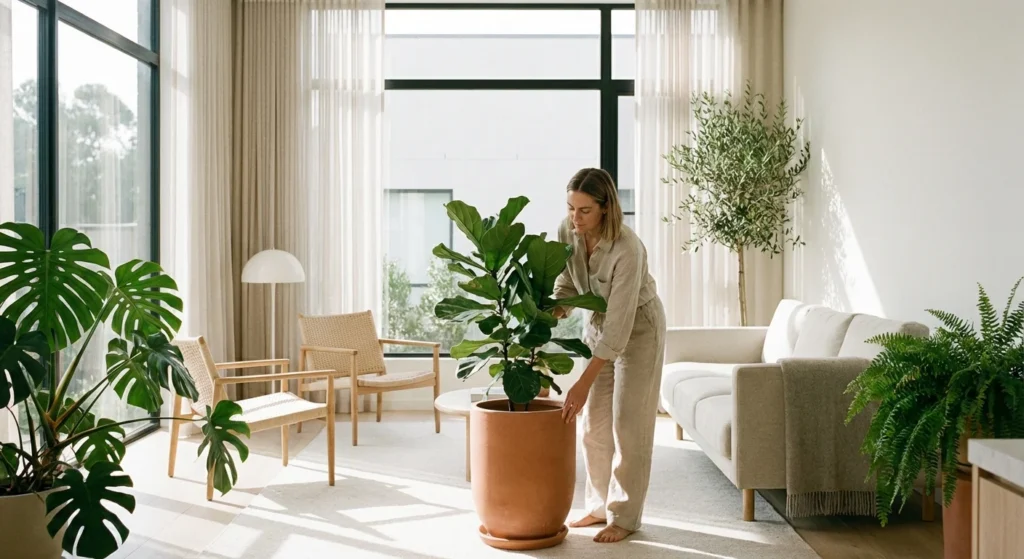
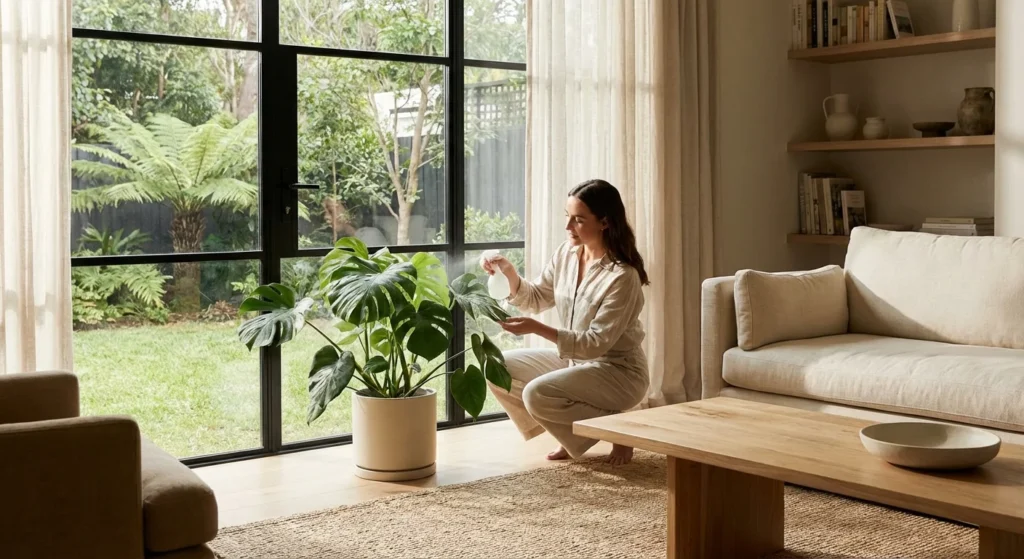
Swiping a feather duster across your bookshelves and plant stands feels quick and efficient, but you are not actually removing the dust; you are merely relocating it. The dust launches into the air and inevitably settles right back down, often coating the broad leaves of your Fiddle Leaf Fig or rubber tree. Plants rely on their leaves to capture sunlight and breathe through tiny pores called stomata. A thick layer of dust blocks light absorption—reducing the plant’s photosynthetic capability by up to 30 percent—and clogs those vital pores. For a far superior approach, switch to a damp microfiber cloth. The dampness binds the dust particles, lifting them away entirely so they cannot resettle on your thriving greenery.
4. Overusing Bleach and Harsh Disinfectants
We often associate the sharp, chemical smell of bleach with a sanitized home, but dousing your bathroom and kitchen in harsh synthetics destroys your indoor air quality. Indoor air can be significantly more polluted than outdoor air, largely due to volatile organic compounds (VOCs) emitted by aggressive cleaning supplies. These toxic fumes irritate human lungs, harm pets who walk across freshly mopped floors, and stress your houseplants. Many resilient houseplants act as natural air purifiers, but exposing them to high concentrations of chemical vapors limits their growth and vitality. Embrace better cleaning habits by utilizing gentle, plant-based surfactants or simple soap and water for daily maintenance; save the heavy-duty disinfectants strictly for true biohazards.
5. Washing Windows in Direct Sunlight
When the sun streams brilliantly through your windows, highlighting every smudge and fingerprint, your first instinct is to grab the glass cleaner. However, washing windows on a warm, sunny day is a frustrating exercise that leaves your glass looking much worse. The intense heat from the sun causes the liquid cleaner to evaporate before you can wipe it away—baking the residue into stubborn streaks. These streaks diffuse the natural light entering your home. Since your indoor plants depend entirely on the light passing through those panes, dirty or streaky glass robs them of the vital energy they need to thrive. Wait for a cool, overcast day to tackle your windows; you will achieve a crystal-clear finish that bathes your rooms in glorious, unobstructed sunshine.
6. Using Mayonnaise or Commercial Leaf Shine on Plants
Countless older housekeeping tips suggest wiping plant leaves with mayonnaise, milk, or oily commercial leaf shine sprays to make them look glossy and pristine. While this might provide a temporary gleam, it creates a suffocating, sticky barrier over the leaf surface. Oils and dairy products attract dust at a rapid rate and provide a perfect breeding ground for bacterial and fungal infections. Furthermore, these sticky residues invite pests like spider mites and fungus gnats directly into your home. The best way to maintain the vibrant health of your indoor garden is to mimic nature. Take your sturdy plants to the shower for a gentle, lukewarm rinse, or wipe delicate leaves with a soft cloth dipped in plain distilled water.
7. Neglecting the Cleanliness of Your Tools
Using dirty equipment to clean your home is the ultimate exercise in futility. If you do not regularly wash your vacuum filters, replace your mop heads, and sanitize your scrub brushes, you simply push old dirt and bacteria into new spaces. A vacuum with a clogged filter loses suction and spews fine particulate matter back into the air, completely defeating your efforts to improve home hygiene. Sponges left damp and unwashed harbor millions of bacteria that you then smear across your kitchen counters. Establish a strict routine where you wash your microfiber cloths in hot water without fabric softener, rinse your mop pads thoroughly, and empty your vacuum canister outdoors. Pristine tools guarantee that your time and effort translate into a genuinely clean, healthy environment.