Design & Styling Inspiration
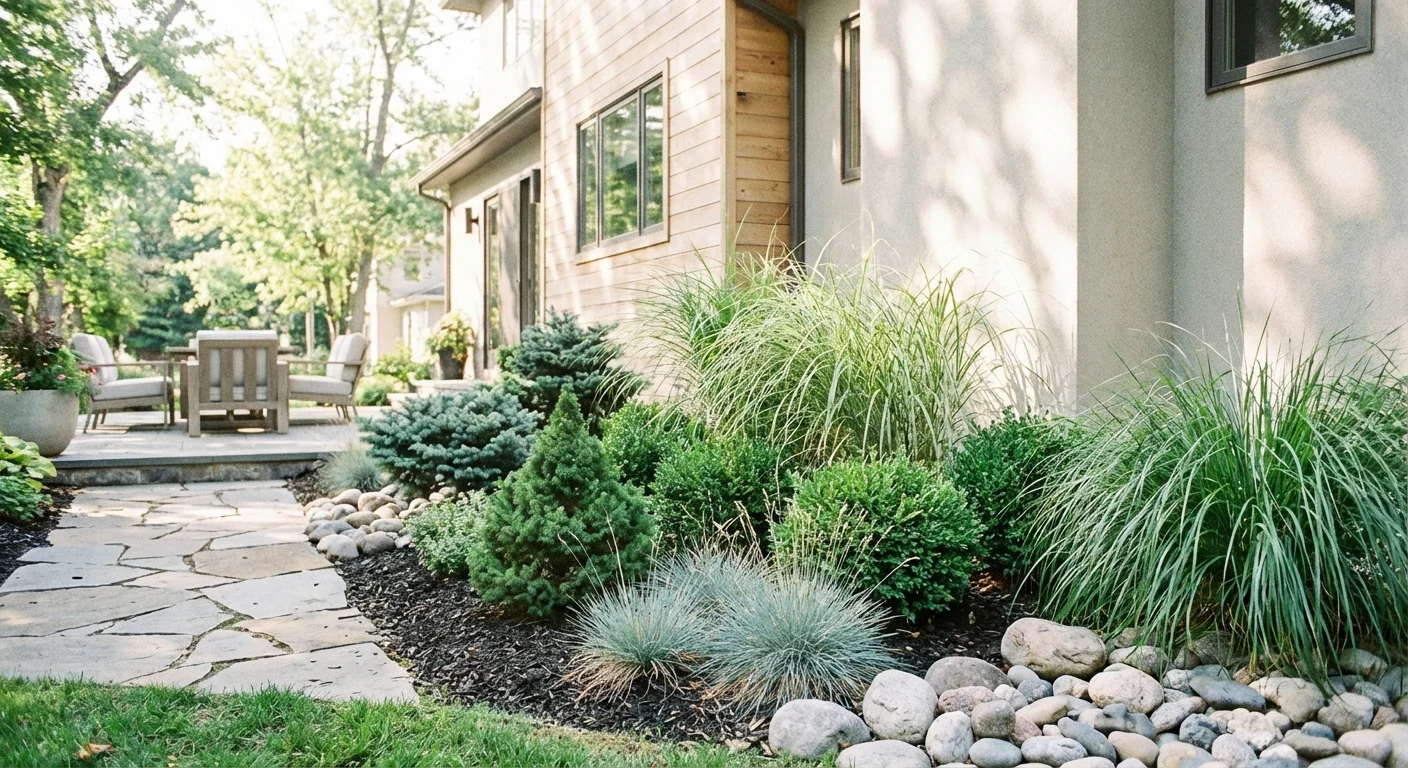
Removing a problematic tree opens up a spectacular canvas for a landscaping refresh. You do not need to sacrifice lush greenery to practice smart home protection; you simply need to transition to plants that respect your structural boundaries. Modern outdoor planting plans utilize layered foundation beds that blend color, texture, and safe root behavior.
For replacements, look toward small ornamental trees that provide immense visual interest without the dangerous subterranean footprint. A Japanese Maple serves as a breathtaking focal point, offering delicate, lacy foliage and brilliant crimson autumn colors. Their root systems are compact and highly cooperative. Similarly, the Eastern Redbud erupts in vibrant magenta blooms every spring, thriving beautifully as an understory tree safely positioned ten to fifteen feet from your siding. Serviceberry trees provide excellent multi-season interest, featuring white spring flowers, edible summer berries that attract local songbirds, and striking orange fall foliage.
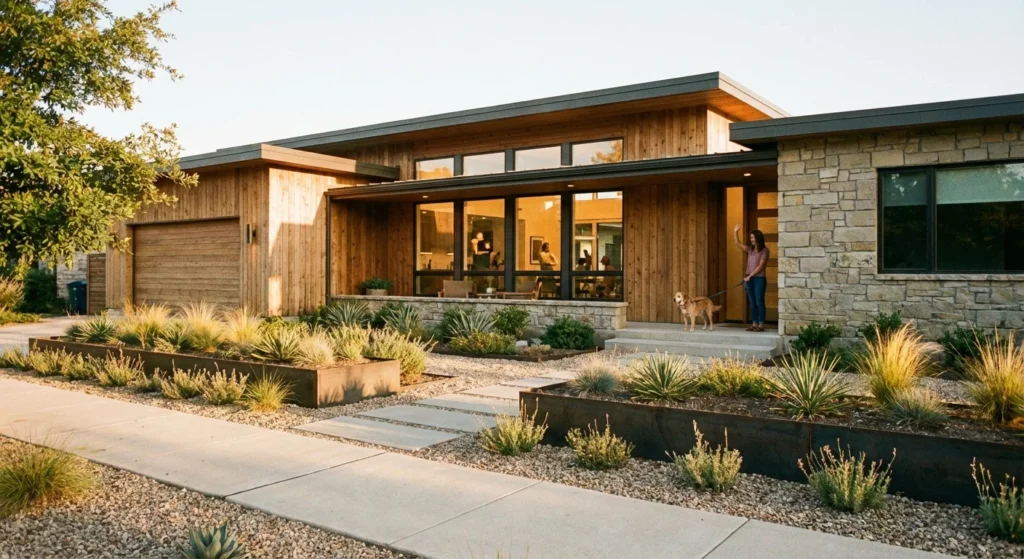
When designing your new foundation planting beds, embrace a sweeping, curved layout rather than rigid straight lines. Curves soften the hard architectural angles of your house and create a welcoming, organic flow. Fill the spaces closest to your exterior walls with shallow-rooted evergreen shrubs, such as dwarf boxwood or compact hollies, to establish a permanent green structure year-round. Layer in vibrant perennials like hostas, coral bells, and astilbes for rich, varied textures. Always ensure your garden beds slope away from the house to promote proper drainage; water must never pool against your slab. Topdress your new beds with organic mulch, but deliberately pull the mulch two to three inches away from the siding to prevent trapped moisture and deter wood-destroying insects from accessing your home.