Setting the Stage
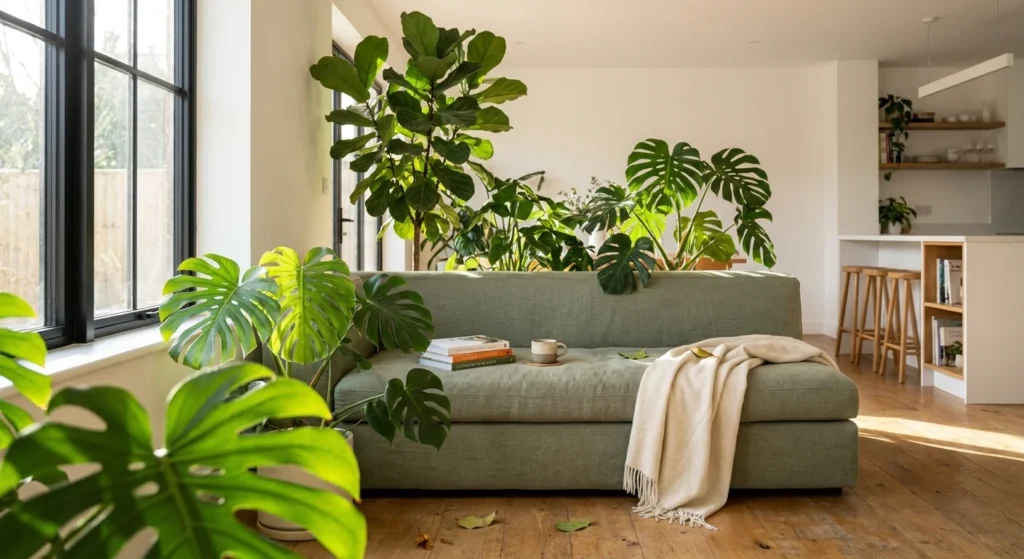
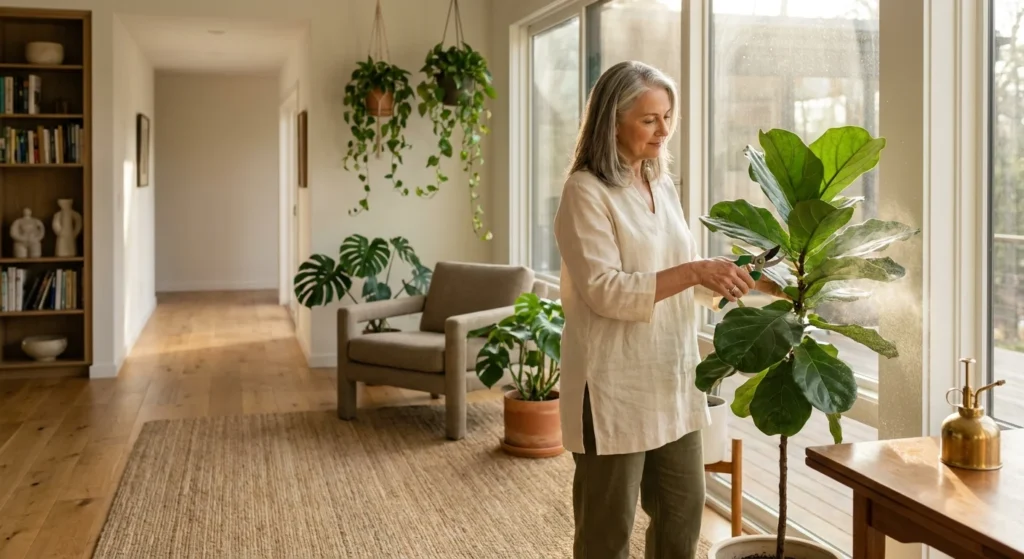
You pour boundless energy into curating a beautiful, life-affirming home environment. You establish the perfect watering cadence for your trailing pothos; you optimize light levels for your temperamental fiddle leaf fig; you select plush, ergonomic furniture that supports comfort and aging in place gracefully. Your home serves as your personal sanctuary—a thriving, green oasis designed to nurture your well-being. Yet, beneath the lush indoor foliage and the stylishly arranged decor, silent countdowns tick away inside your cabinets and closets. You diligently monitor the expiration dates on milk, eggs, and medications, but several everyday household items harbor hidden lifespans that dramatically impact your daily life.
When you overlook these concealed expiration dates, you compromise both the health of your beloved houseplants and the overarching safety of your living space. Older adults prioritizing senior awareness and independent living must especially recognize that functional safety equipment often makes the difference between a minor, manageable mishap and a significant household disaster. A deteriorating smoke detector or a chemically inactive cleaning solution offers nothing more than a false sense of security. An aging-in-place design strategy only functions successfully when the fundamental safety measures supporting that strategy operate at peak performance.
As we blend our passion for horticulture with proactive home maintenance, we must acknowledge that organic materials break down and synthetic chemicals lose their stability. The potting soil you bought three seasons ago no longer holds the same nutritional profile; the heavy-duty disinfectant under your sink has quietly transformed into inert salt water. By identifying these five unexpected expiring items, you take a powerful step toward maintaining a vibrant, healthy, and exceptionally secure home.