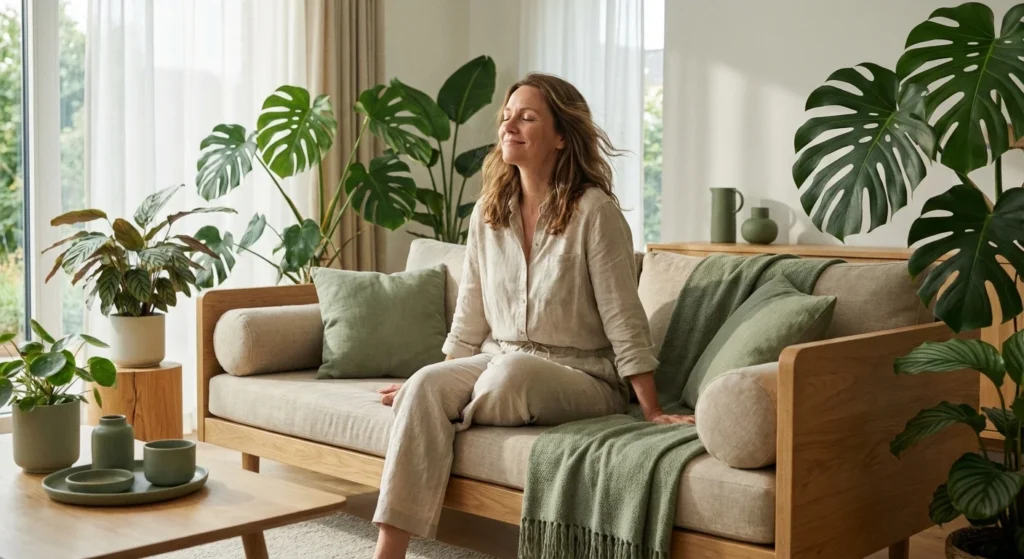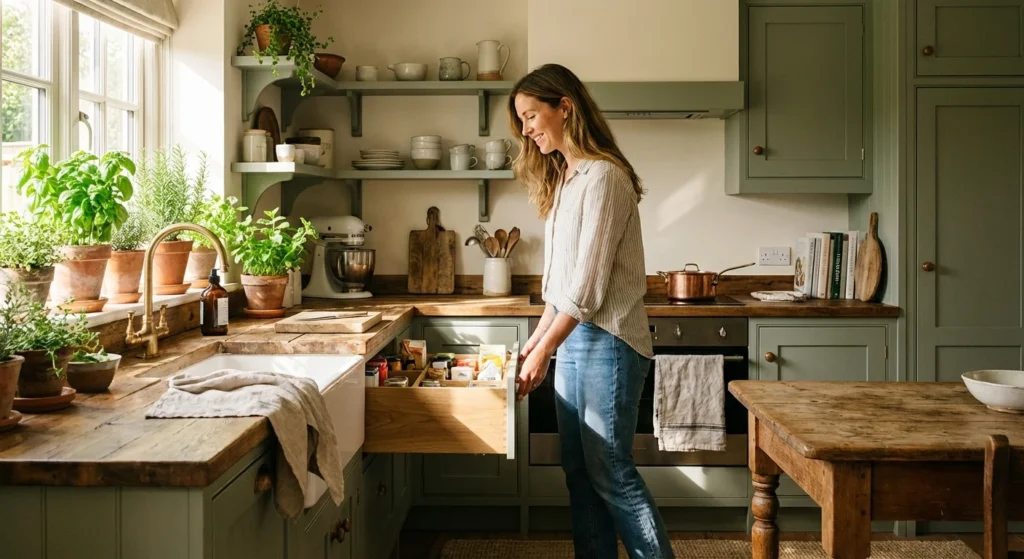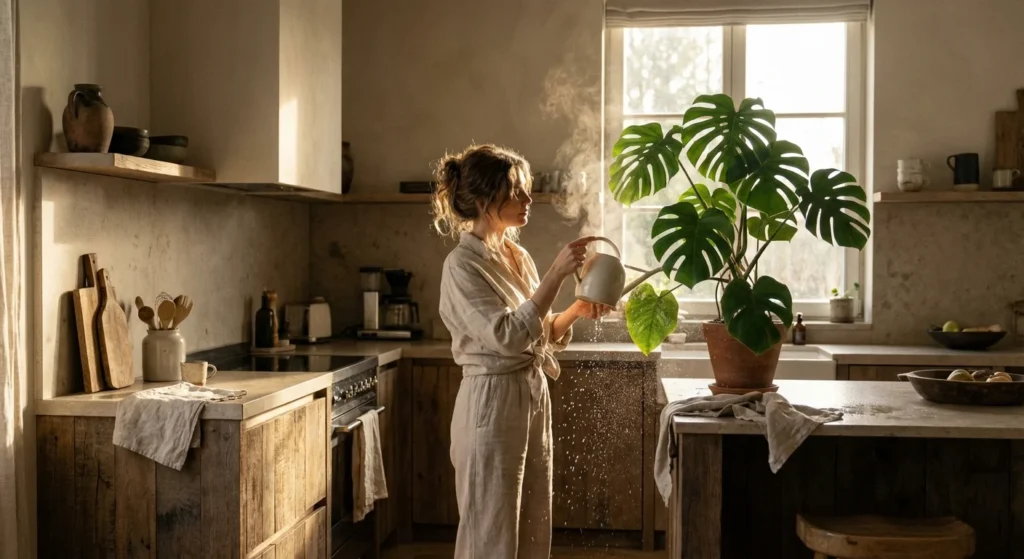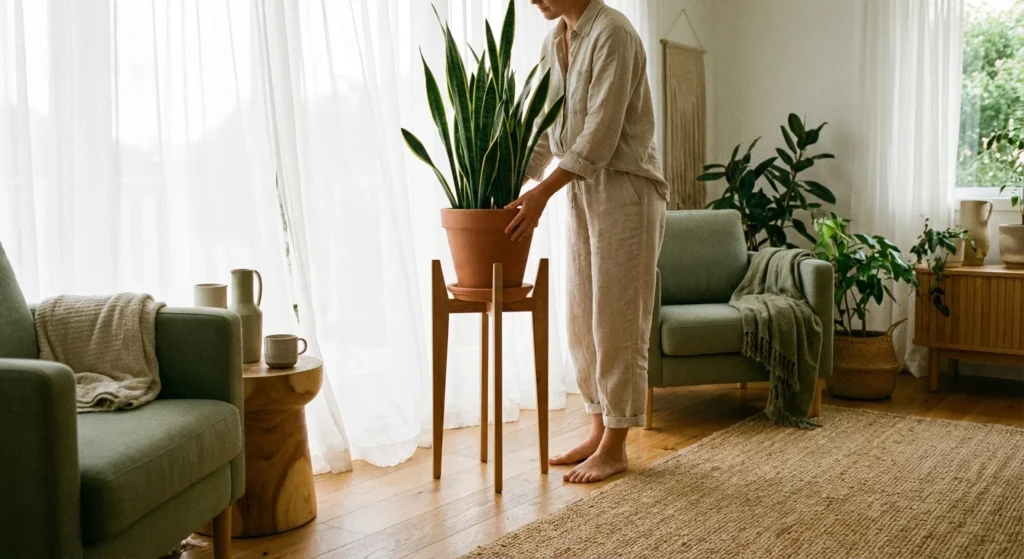
When friends step across your threshold, their senses immediately absorb a wealth of subconscious details before you even offer to take their coats. While you might obsess over a slightly misaligned gallery wall, guests naturally gravitate toward environmental cues that communicate comfort, cleanliness, and intentionality. Upgrading your home design does not require a massive renovation budget or weeks of stressful planning; it simply demands a strategic shift in focus toward the sensory touchpoints people experience first. By addressing these nine specific areas—from the subtle aroma of your entryway to the vibrant health of your living room foliage—you establish a genuinely welcoming atmosphere that instantly makes visitors feel at ease.
1. The Front Porch and Entryway Botanical Vibe
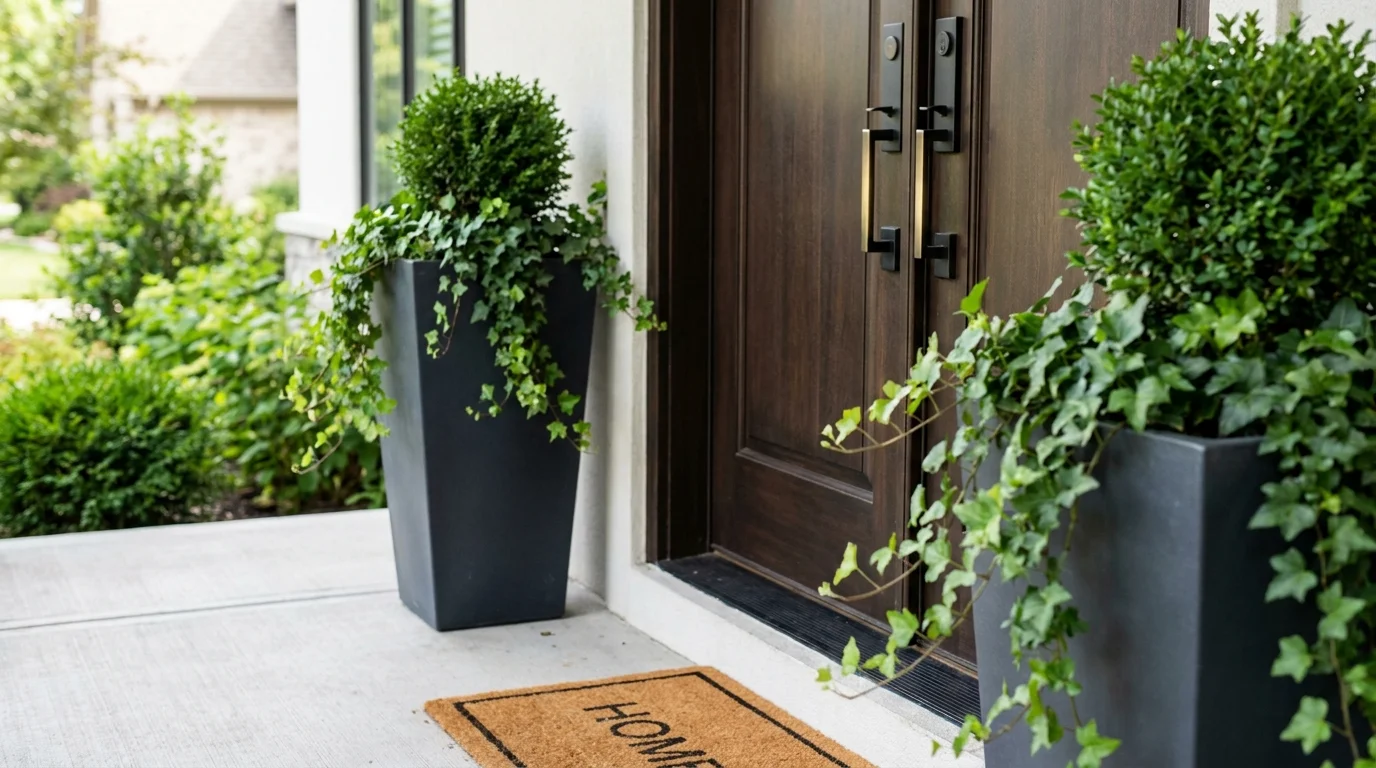
The transition from the outside world into your private sanctuary sets the psychological stage for the entire visit. Before guests even ring the doorbell, they evaluate the state of your front stoop, porch, or landing. Flaking paint on the door trim, cobwebs clinging to the exterior light fixture, and empty or weed-filled planters subtly communicate neglect. Conversely, a swept walkway paired with robust, weather-appropriate container gardens signals that you care about your home’s exterior presentation and, by extension, your guests’ arrival.
Incorporate structural plants that offer year-round interest flanking your front door. A pair of well-maintained boxwoods, trailing ivy, or seasonal blooms immediately softens hard architectural lines. If your entryway lacks natural sunlight, invest in high-quality fiberglass planters and populate them with shade-tolerant varieties. To pull together a cohesive exterior design, coordinate your plant containers with your home’s hardware finishes—pairing matte black door handles with sleek charcoal planters creates an instantly elevated, designer-approved aesthetic. For extensive inspiration on maximizing your home’s exterior first impressions, you can explore comprehensive curb appeal guides from Better Homes & Gardens.
2. The Signature Scent of Your Air
Humans adapt quickly to their own environments through a biological process called olfactory fatigue; you literally cannot smell your own home. However, guests crossing the threshold are immediately hit with the composite aroma of yesterday’s cooking, the dog’s favorite rug, and stale air trapped in the HVAC system. Because the olfactory bulb is directly connected to the brain’s limbic system, scent triggers instant emotional judgments about a space’s cleanliness.
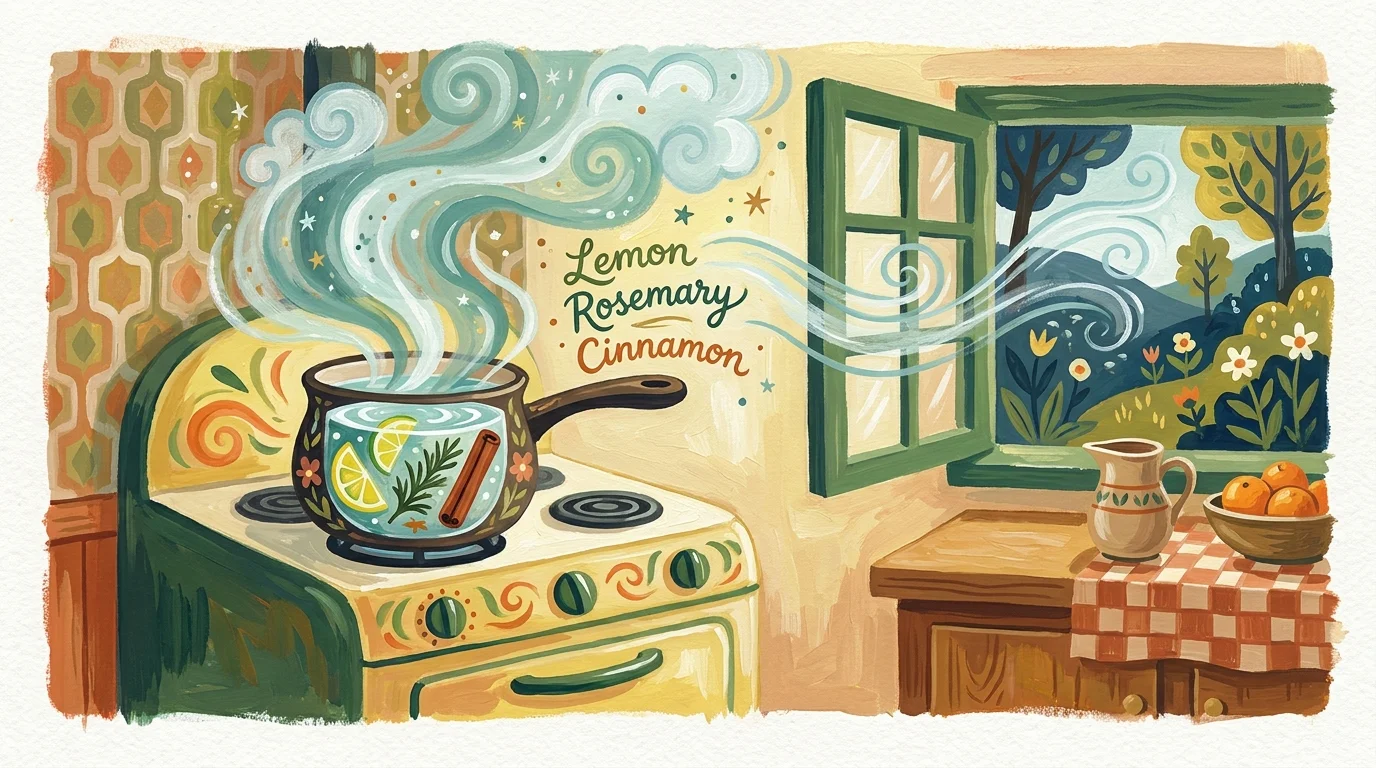
Masking musty odors with heavy, synthetic plug-in air fresheners often backfires, creating a cloying chemical cloud that screams you are trying to hide something. Instead, prioritize authentic freshness. Open windows for cross-ventilation thirty minutes before guests arrive to exchange stagnant indoor air for fresh outdoor breezes. Simmer a small pot of water on the stove with lemon slices, a sprig of rosemary, and a cinnamon stick for a subtle, natural aroma. Empty all trash cans, run the garbage disposal with citrus rinds, and ensure damp sponges are hidden away. True luxury smells like clean air, not a commercial perfumery.
3. The Health and Vibrancy of Your Houseplants
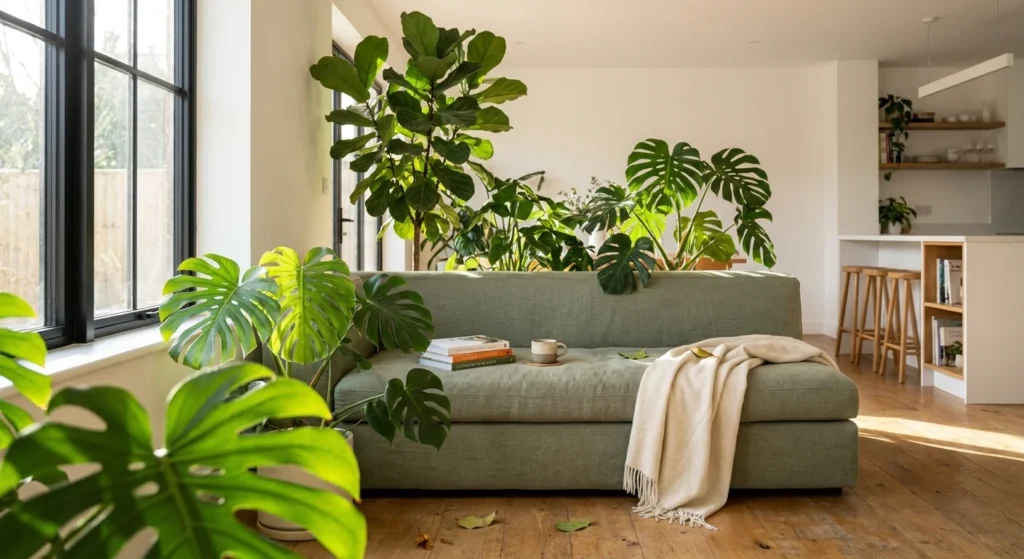
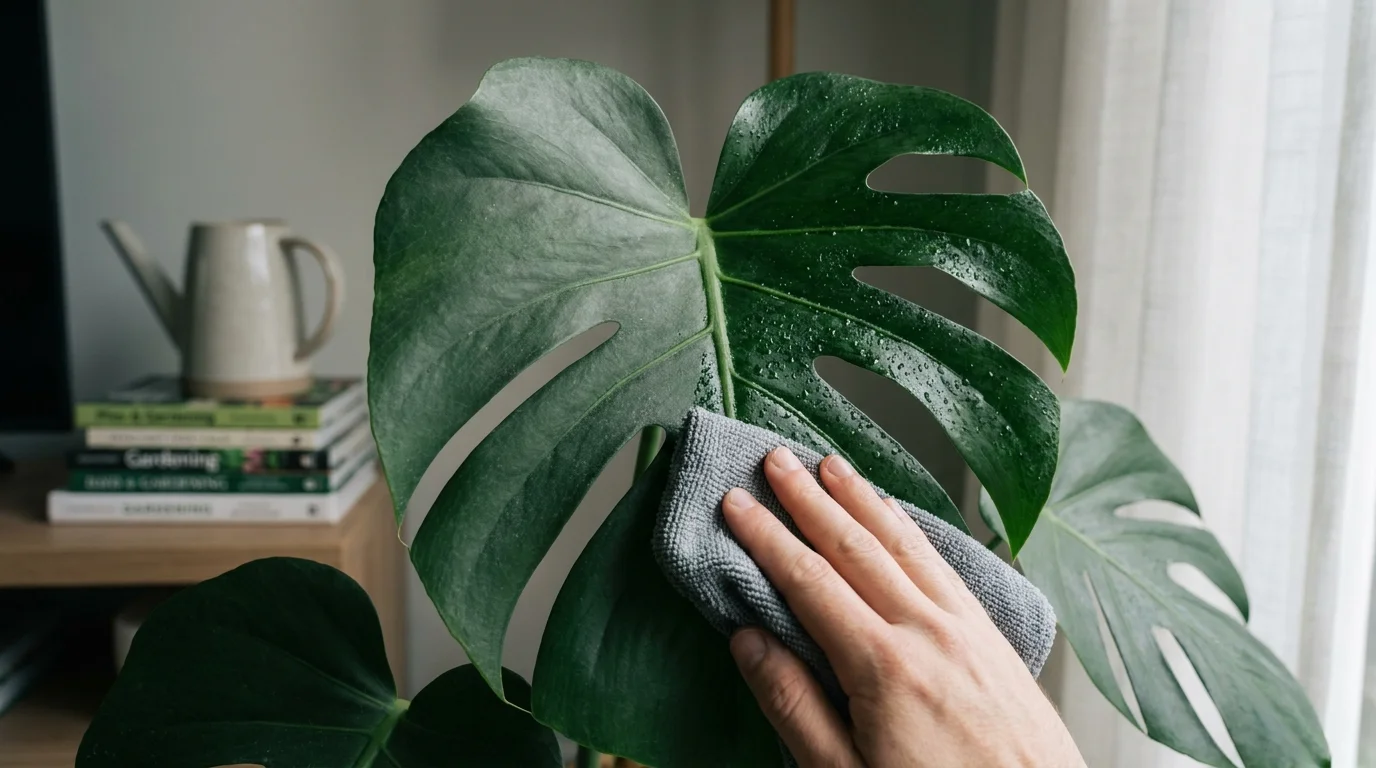
Houseplants breathe life into stagnant corners and add sculptural beauty to interior design, but they are a double-edged sword when it comes to first impressions. A thriving, glossy Monstera deliciosa commands respect and implies a nurturing homeowner; a dusty, drooping Ficus with crispy brown edges creates a subtle sense of anxiety and neglect.
“A house is not a home unless it contains plants, light, and something growing.” — Paraphrased Proverb
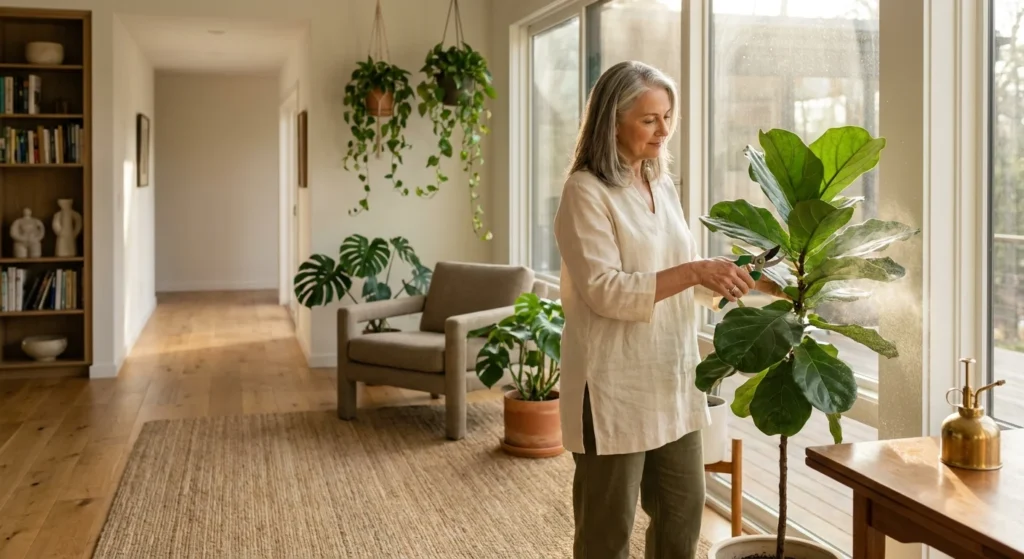
Guests inevitably notice the state of your indoor jungle. Large-leaved plants naturally collect household dust, which inhibits their ability to photosynthesize and makes your entire room feel grimy. Make it a monthly habit to gently wipe down broad foliage with a damp microfiber cloth. Trim away any yellowing or dead foliage with sterilized pruning shears to instantly refresh the plant’s appearance. If you struggle with keeping high-maintenance exotics alive in dim entryways or living rooms, transition to resilient species that look lush even with minimal intervention. Before bringing any new botanical additions into a home with cats or dogs, always cross-reference the species with the ASPCA Animal Poison Control database to ensure they pose no toxic threat.
| Plant Species | Light Tolerance | Watering Frequency | Pet Safety (ASPCA) |
|---|---|---|---|
| Zanzibar Gem (ZZ Plant) | Extremely Low | Every 3-4 weeks | Toxic to cats/dogs |
| Cast Iron Plant (Aspidistra) | Low to Moderate | Every 1-2 weeks | Non-toxic to pets |
| Parlor Palm (Chamaedorea) | Low to Bright Indirect | Every 1-2 weeks | Non-toxic to pets |
| Snake Plant (Sansevieria) | Low to Bright Direct | Every 3-4 weeks | Toxic to cats/dogs |

4. Lighting Temperature and Layering
The phenomenon known across social media as “The Big Light” refers to harsh, bright, overhead ceiling fixtures that cast unforgiving shadows and make residential spaces feel like clinical waiting rooms. Lighting is the most crucial, yet frequently overlooked, element of interior atmosphere. When guests enter your home in the evening, illuminating the space with a single 5000K daylight bulb will instantly kill any sense of warmth or intimacy.
To cultivate an inviting environment, you must layer your lighting. Turn off the main overhead fixtures and rely instead on a combination of ambient, task, and accent lighting. Floor lamps casting light upward, small table lamps highlighting a curated bookshelf, and picture lights mounted above artwork create depth and dimension. Pay strict attention to the Kelvin scale when purchasing bulbs; aim for 2700K to 3000K for living rooms and bedrooms to replicate the soothing, amber glow of sunset. If you utilize indoor grow lights for your high-light plant varieties, place them on smart timers so the intense spectrum shuts off before evening guests arrive, seamlessly shifting the room from a functional greenhouse to a cozy lounge.
5. Horizontal Surface Clutter
Kitchen islands, entryway console tables, and dining room buffets possess a magnetic pull for the mundane detritus of daily life. Mail stacks, loose keys, charging cables, and random receipts accumulate so gradually that you stop seeing them, but a guest registers this visual noise immediately. Cluttered horizontal planes disrupt the eye’s movement across a room, making even the cleanest house feel chaotic and stressful.
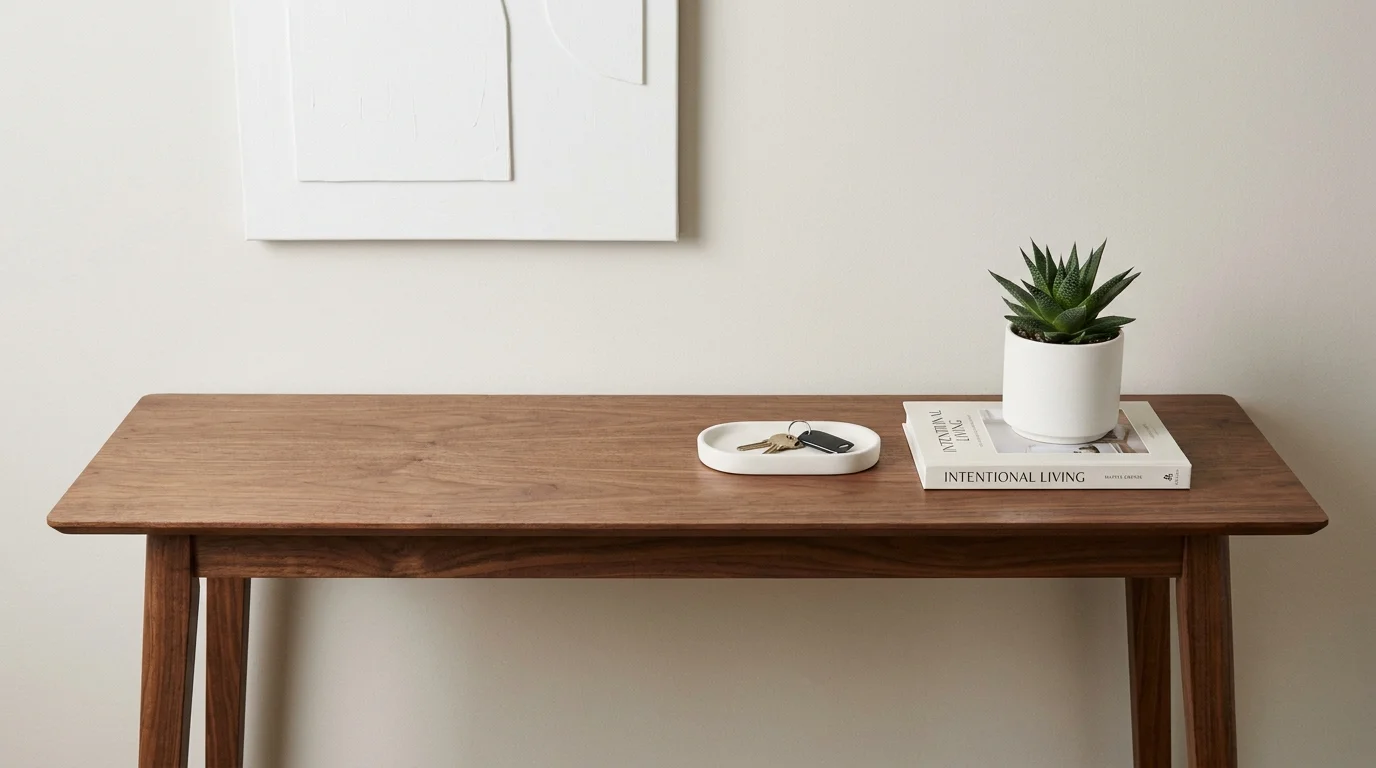
Reclaiming these surfaces requires intentional styling. Clear away all functional clutter into designated, hidden catch-alls like decorative opaque boxes or woven baskets with lids. Once the surface is clear, rebuild the aesthetic using the classic design “rule of three.” For expert guidance on striking the perfect balance between lived-in and meticulously styled, resource libraries like Apartment Therapy offer excellent visual breakdowns of console arrangements. To style a horizontal surface effectively, follow this proven progression:
- Establish a focal point: Anchor the arrangement with a large mirror, an oversized piece of art, or a tall, architectural houseplant.
- Add functional grounding: Place a stylish tray beneath smaller items to visually contain them and prevent them from looking like random debris.
- Layer heights and textures: Group a stack of hardcover books, a medium-sized ceramic vase, and a small metallic accent object to keep the eye traveling comfortably across the surface.
6. The State of Your Baseboards and Floor Corners
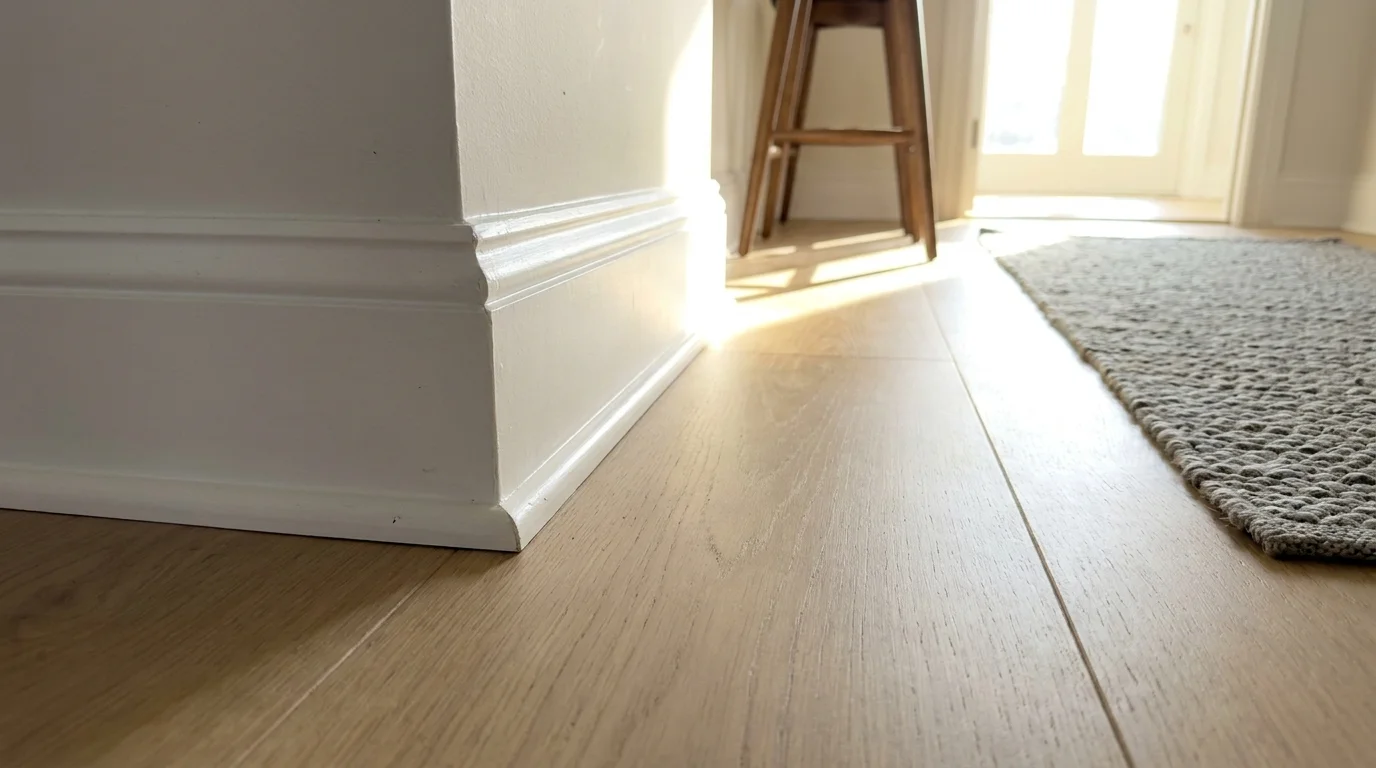
Homeowners typically clean at eye level, focusing on countertops, mirrors, and tabletops. However, when a guest sits down on your living room sofa, their sightline drops by several feet. From this lower vantage point, the neglected borders of your rooms suddenly take center stage. Baseboards coated in a fuzzy layer of dust, pet hair gathered in the corners, and scuff marks along the trim broadcast a lack of deep cleaning.
Maintaining pristine floor edges requires a proactive approach. Once a month, run a damp microfiber cloth over your baseboards. A brilliant industry trick involves wiping clean baseboards down with a standard laundry dryer sheet; the antistatic properties actively repel dust and pet hair for weeks afterward, significantly extending the time between cleanings. Taking five minutes to run a vacuum nozzle along the perimeter of your rugs and hardwood borders right before hosting ensures that when guests recline with their drinks, they see crisp, clean lines rather than tumbleweeds of dog hair.
7. Bathroom Details and Greenery
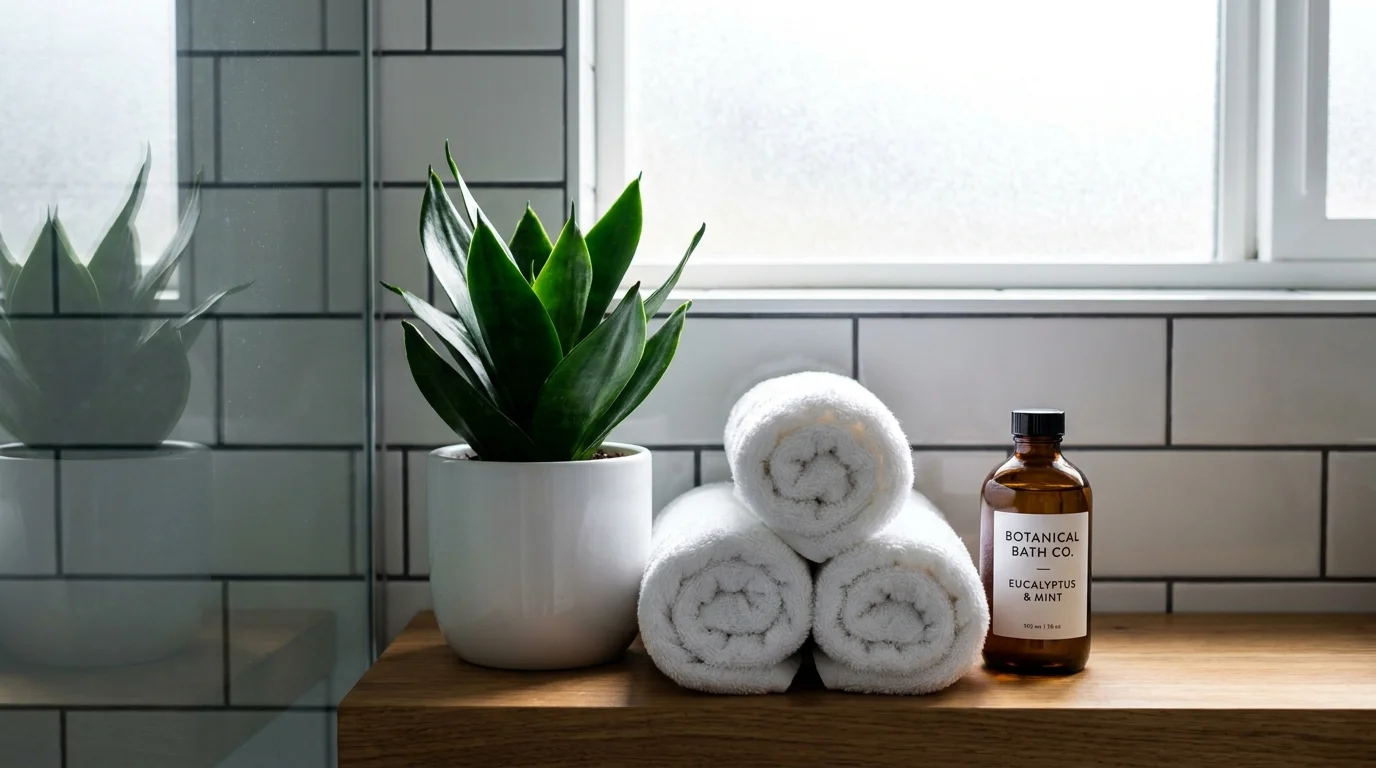
The powder room or guest bathroom is the only space in your home where visitors are left entirely alone with their thoughts and their surroundings. Because it is a small, enclosed space, every single detail is magnified. Water spots splattered across the mirror, an empty soap dispenser, or a damp, haphazardly hung hand towel will instantly undermine an otherwise flawless hosting experience.
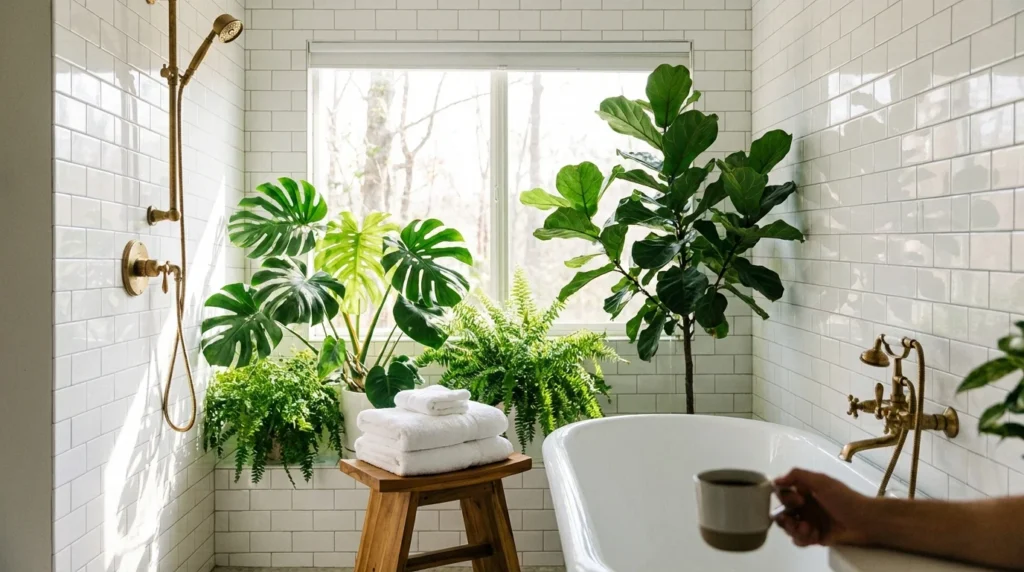
Elevating the bathroom experience hinges on anticipating needs. Stock the vanity with fresh, plush hand towels folded neatly by the sink. Ensure your soap pump is fully topped off, and leave an extra roll of toilet paper in plain, obvious sight to save guests the embarrassment of hunting through your cabinets. To truly elevate the space, introduce a humidity-loving plant. A delicate Maidenhair Fern or a trailing Golden Pothos perched on a high shelf thrives in the steamy environment of a bathroom and introduces a spa-like, organic element that contrasts beautifully against the hard, sterile surfaces of tile and porcelain.
8. Seating Arrangement and Conversation Flow
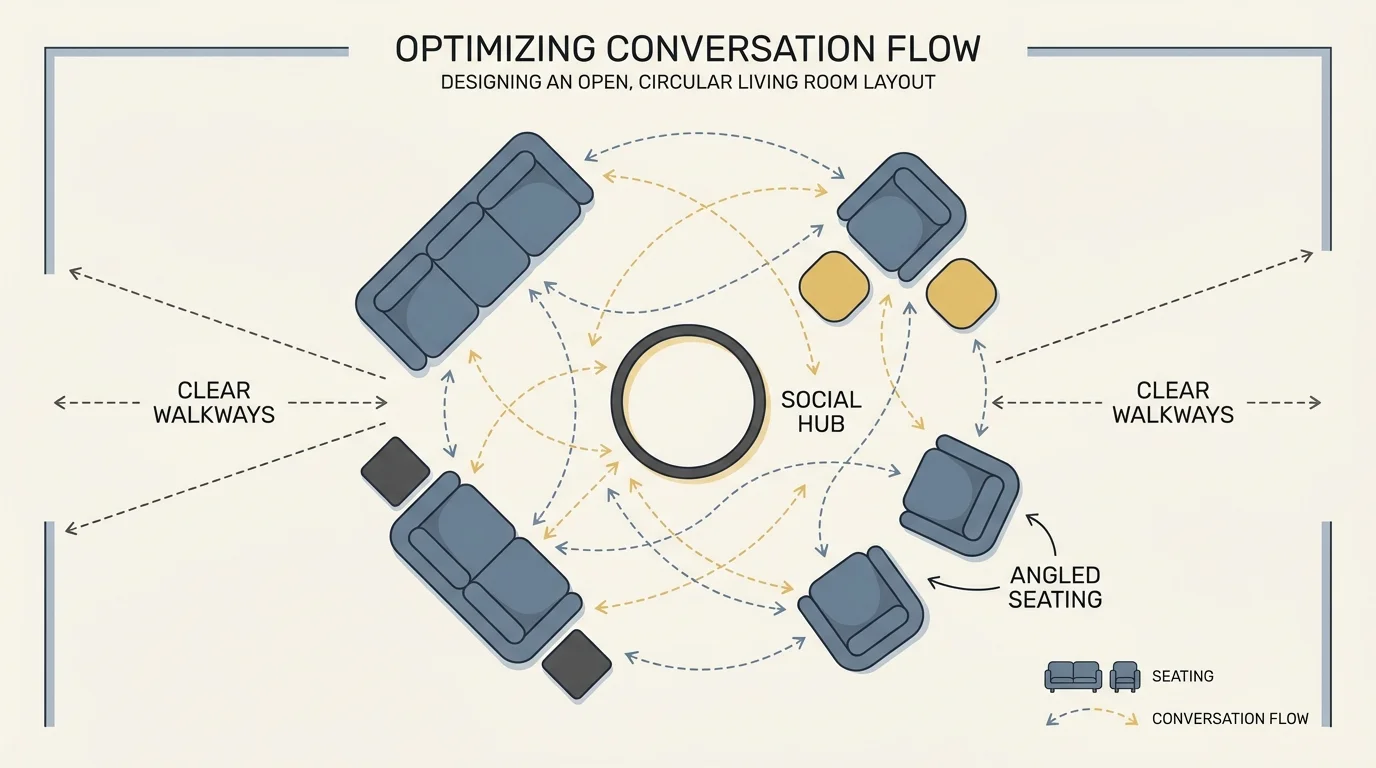
Furniture placement communicates how you expect people to interact in your home. A living room where every piece of furniture is pushed tightly against the walls, with all seating pointed directly at a television set, silently signals that the space is designed for passive consumption rather than active connection. Guests secretly judge the comfort and sociability of your layout the moment they sit down.
Pull your furniture away from the walls to create an intimate conversation grouping. Sofas and accent chairs should face each other at a distance of roughly four to eight feet; any further apart, and people feel compelled to raise their voices to be heard. Ensure every seat has easy access to a sturdy surface for setting down a coffee mug or a wine glass without requiring the guest to stand up and walk across the room. A beautifully placed side table beside an armchair, perhaps adorned with a resilient ZZ plant and a coaster, demonstrates thoughtful anticipation of your guests’ comfort.
9. The Coat and Shoe Drop Zone
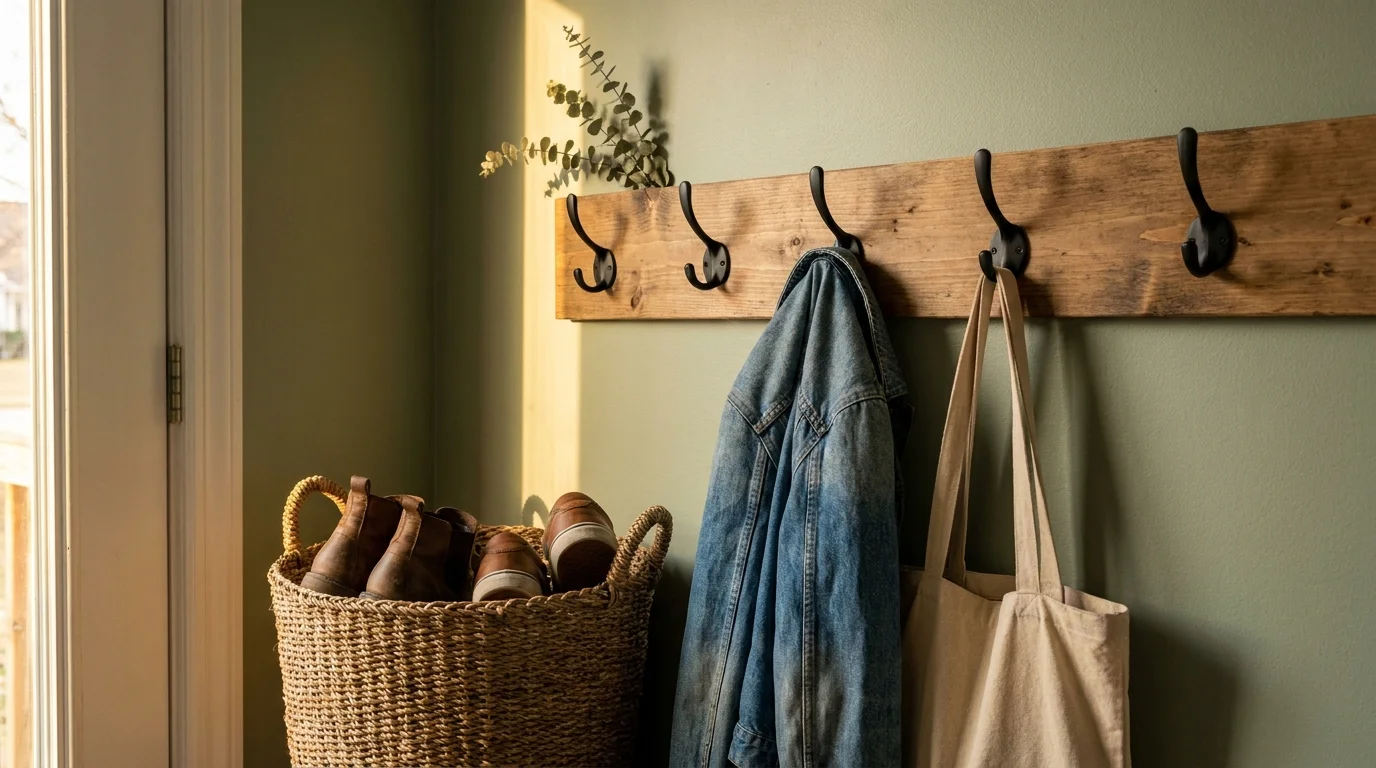
The practical logistics of entering a home dictate the first physical interaction a guest has with your space. If they walk inside and immediately trip over a mountain of mismatched sneakers, or if they stand awkwardly holding their heavy winter coat because there is no obvious place to put it, you have introduced friction into the greeting. A chaotic drop zone creates an immediate bottleneck that spikes stress levels.
Establish a clear, intuitive system for outerwear and footwear. If you do not have a dedicated mudroom or a spacious entryway closet, install a row of sturdy, architectural wall hooks. Hooks remove the barrier of dealing with hangers, encouraging both family members and guests to hang up their items immediately. Place a designated, stylish boot tray or a low-profile woven basket right by the door to naturally corral shoes. When everything has a designated home, the physical transition into your house becomes smooth, polite, and welcoming.
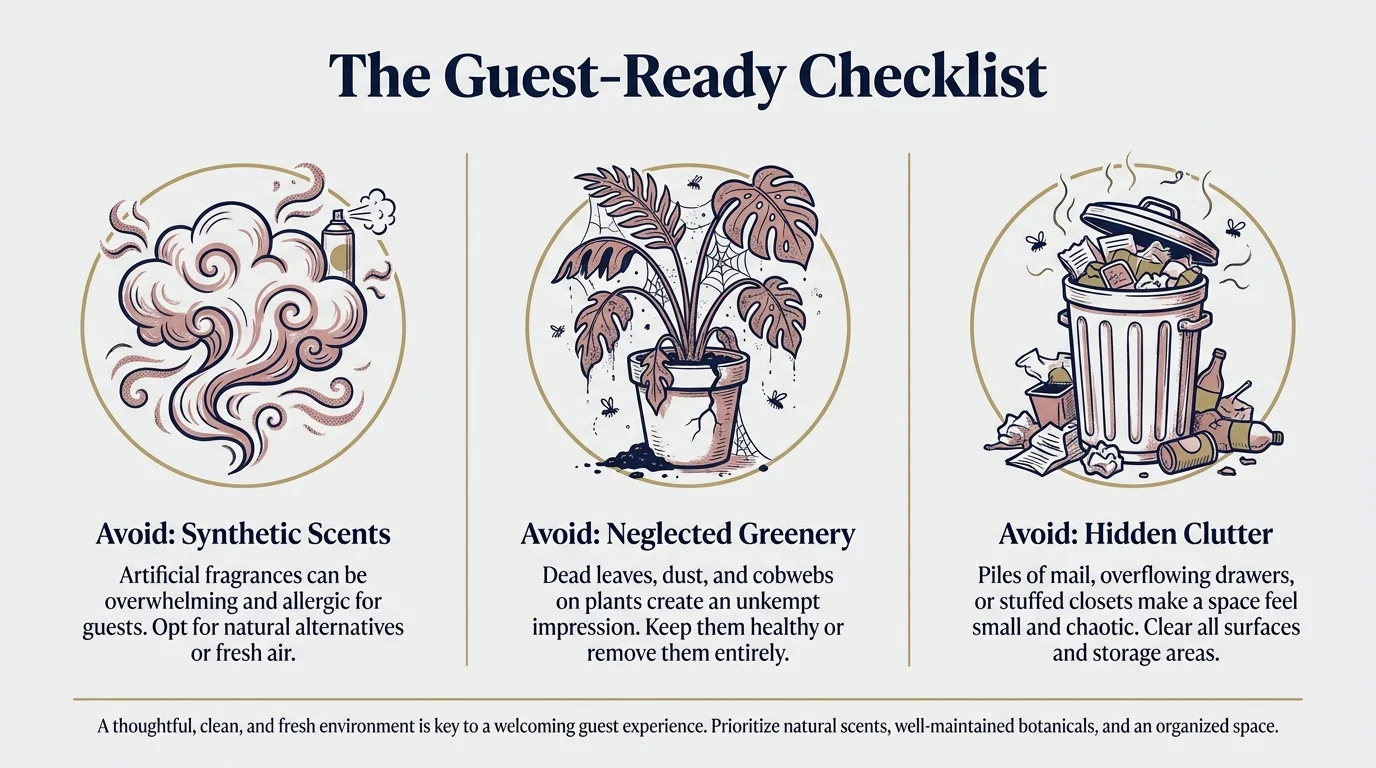
Common Mistakes to Avoid When Prepping for Guests
Even well-intentioned hosts occasionally fall into preparation traps that inadvertently create an uncomfortable atmosphere. One of the most prevalent errors is apologizing profusely for the state of your home the moment someone walks in. Drawing attention to a few stray toys or a stack of mail immediately forces the guest into a position of reassuring you, shifting the focus onto the mess rather than the joy of their company.
Another frequent misstep involves over-watering plants right before a party. Novice plant parents often think soaking their drooping foliage will instantly revive them, but waterlogged soil combined with lower evening temperatures can lead to fungal issues and attract annoying fungus gnats—pests you definitely do not want buzzing around your appetizers. For a wealth of practical advice on maintaining healthy routines that prevent these last-minute panic behaviors, the educational resources at The Sill provide excellent, science-backed care protocols.
Frequently Asked Questions
How can I make my house smell good naturally without using heavy perfumes?
Focus on odor elimination rather than odor masking. Use cross-ventilation to cycle fresh air through the house, sprinkle baking soda on carpets thirty minutes before vacuuming to absorb trapped smells, and simmer natural ingredients like rosemary, vanilla extract, and citrus peels on the stovetop.
What are the absolute best unkillable plants for a dark, windowless entryway?
True windowless spaces cannot sustain long-term plant growth without a dedicated grow light. However, highly resilient species like the ZZ Plant (Zamioculcas zamiifolia) and the Cast Iron Plant (Aspidistra elatior) can survive for months in very dim lighting. Rotate them into a brighter room every few weeks to maintain their vitality.
How do I quickly hide pet clutter before unexpected guests arrive?
Maintain a dedicated, opaque “rapid tidy” basket in your living room or entryway. When the doorbell rings, quickly toss loose dog toys, leashes, and grooming brushes into the basket and place the lid on top. Ensure the litter box is scooped daily so it never becomes an unexpected focal point for guests.
Creating a beautiful, welcoming home does not require perfection; it simply requires thoughtful attention to the sensory details that matter most. Take ten minutes today to assess your entryway, adjust a harsh lighting fixture, or wipe the dust off your favorite broad-leaf houseplant. Small, intentional shifts compound to create an environment where your guests feel instantly relaxed, valued, and completely at home.
This article is for informational purposes. Individual results vary based on region, light levels, and care consistency. Verify current guidance with local extension services before using pesticides or herbicides.
Last updated: May 2026. Plant care guidance reflects current horticultural best practices—always observe your specific plant’s signals.