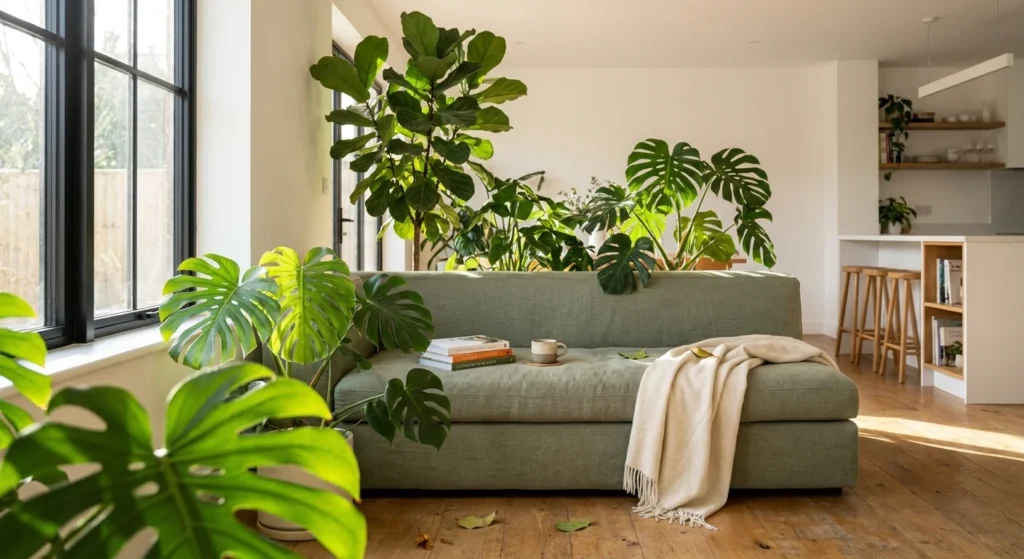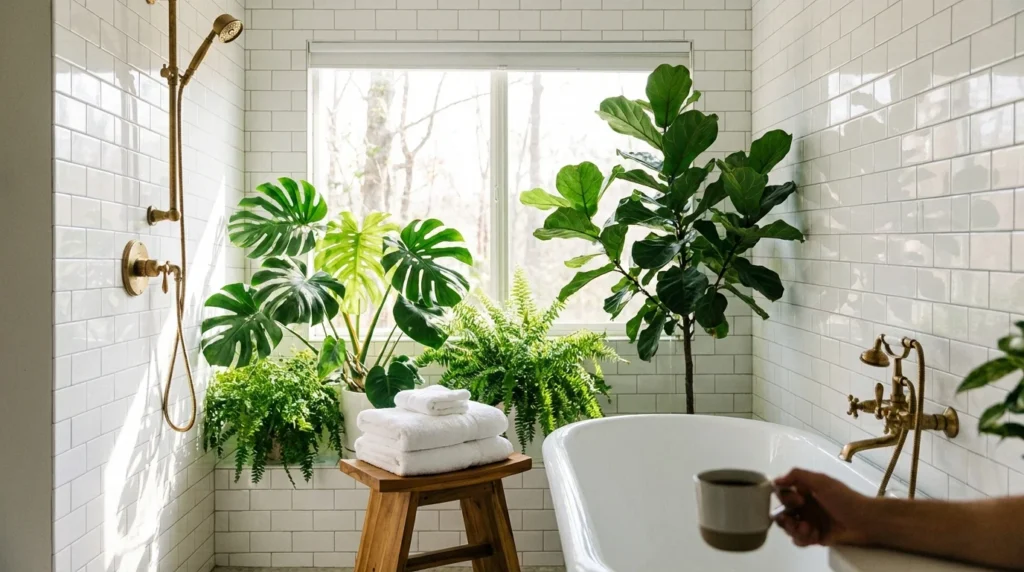
A well-designed garage instantly elevates your property value and transforms how you experience your daily routine. Homebuyers today look far past the basic concrete slab and bare drywall; they actively seek out garages equipped with smart storage, durable flooring, and functional workspaces. Whether you plan to sell your home this spring or simply want to reclaim your weekend projects, upgrading this often-neglected space offers an incredible return on investment. Transforming a cluttered drop zone into a seamless extension of your home requires strategic planning rather than a massive budget. By focusing on nine specific upgrades, you can create a highly coveted space that maximizes organization, enhances energy efficiency, and perfectly supports your active lifestyle.
1. High-Performance Flooring Upgrades
Nothing reveals the age and neglect of a garage quite like a stained, cracked concrete slab. Buyers immediately notice the floor when the garage door rolls up, making it one of the most impactful visual upgrades you can execute. Standard concrete dusts constantly, tracking fine grit into your home and creating a perpetual cleaning chore. Upgrading to a high-performance floor coating solves this issue permanently.
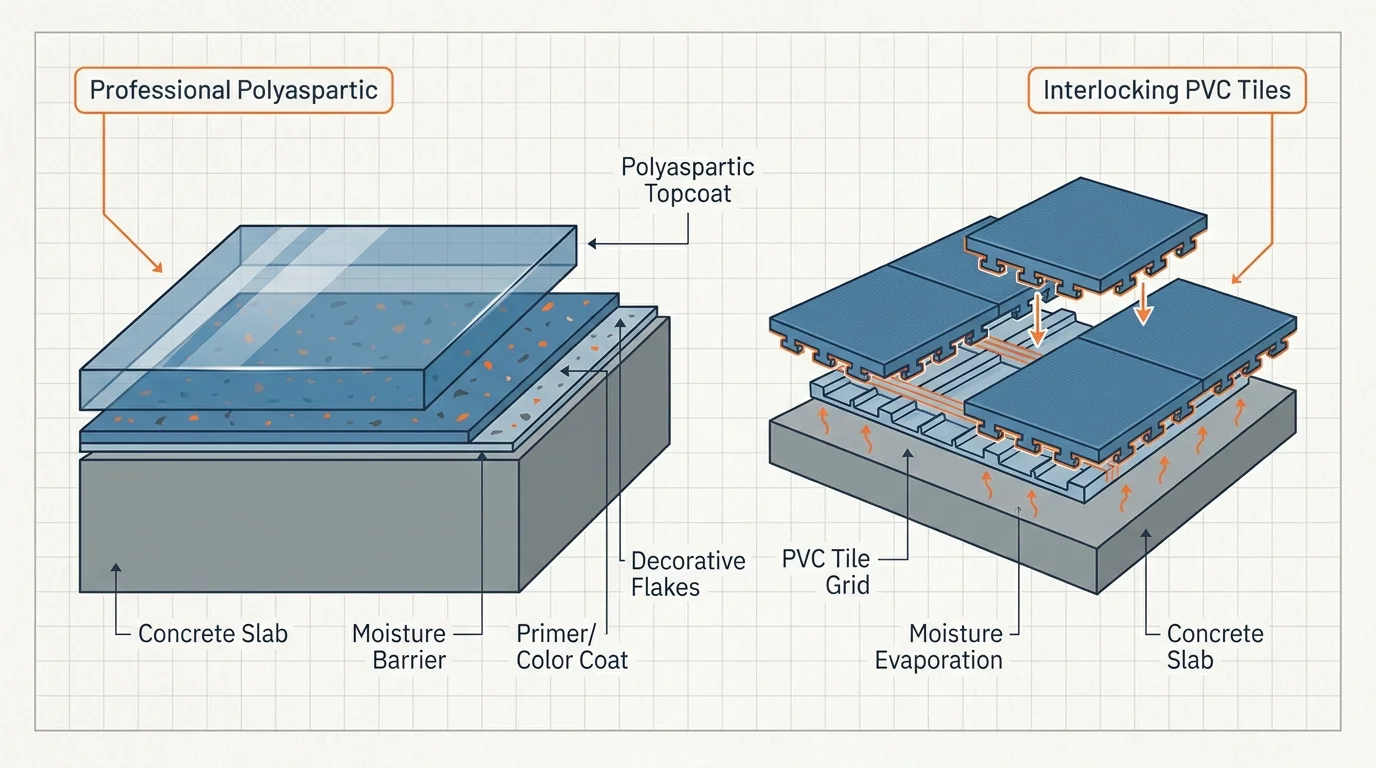
While DIY epoxy kits exist, professional-grade polyaspartic coatings offer superior durability and cure in a fraction of the time. These advanced coatings resist hot-tire pickup—a common issue where hot car tires melt inferior paints—and repel chemical spills, oil drips, and road salt. If you prefer a modular approach, interlocking heavy-duty PVC tiles provide an excellent alternative. These tiles snap together over uneven floors, allow moisture to evaporate underneath, and offer brilliant custom color patterns to match your home’s aesthetic.
2. Custom Wall Organization Systems
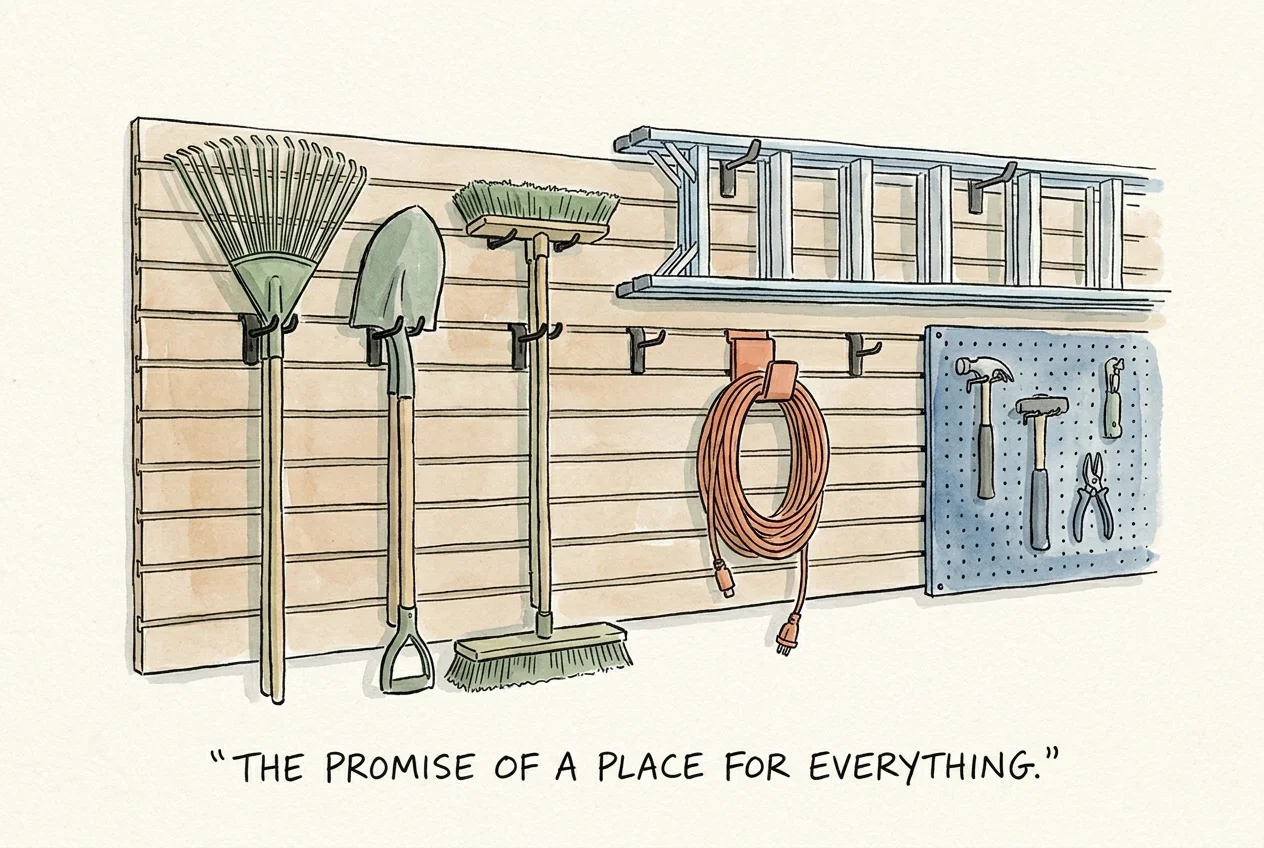
Leaning rakes against the corner and piling extension cords on the floor instantly makes a large garage feel claustrophobic. Buyers love the promise of a place for everything, and custom wall organization delivers exactly that. Transitioning your storage from the floor to the walls reclaims your square footage and protects your equipment from accidental damage or moisture.
Slatwall panels represent the gold standard for wall storage. These rugged PVC or engineered wood panels anchor directly to your wall studs and accept a massive variety of hooks, baskets, and shelves. You can configure a dedicated zone for long-handled lawn tools, another for power cords, and a secure spot for heavy ladders. For robust organizational principles and layout strategies, This Old House provides excellent guides on maximizing vertical space without compromising your wall’s structural integrity. Pegboards also remain a classic, cost-effective option for hand tools right above your workbench.
3. Climate Control and Insulated Garage Doors
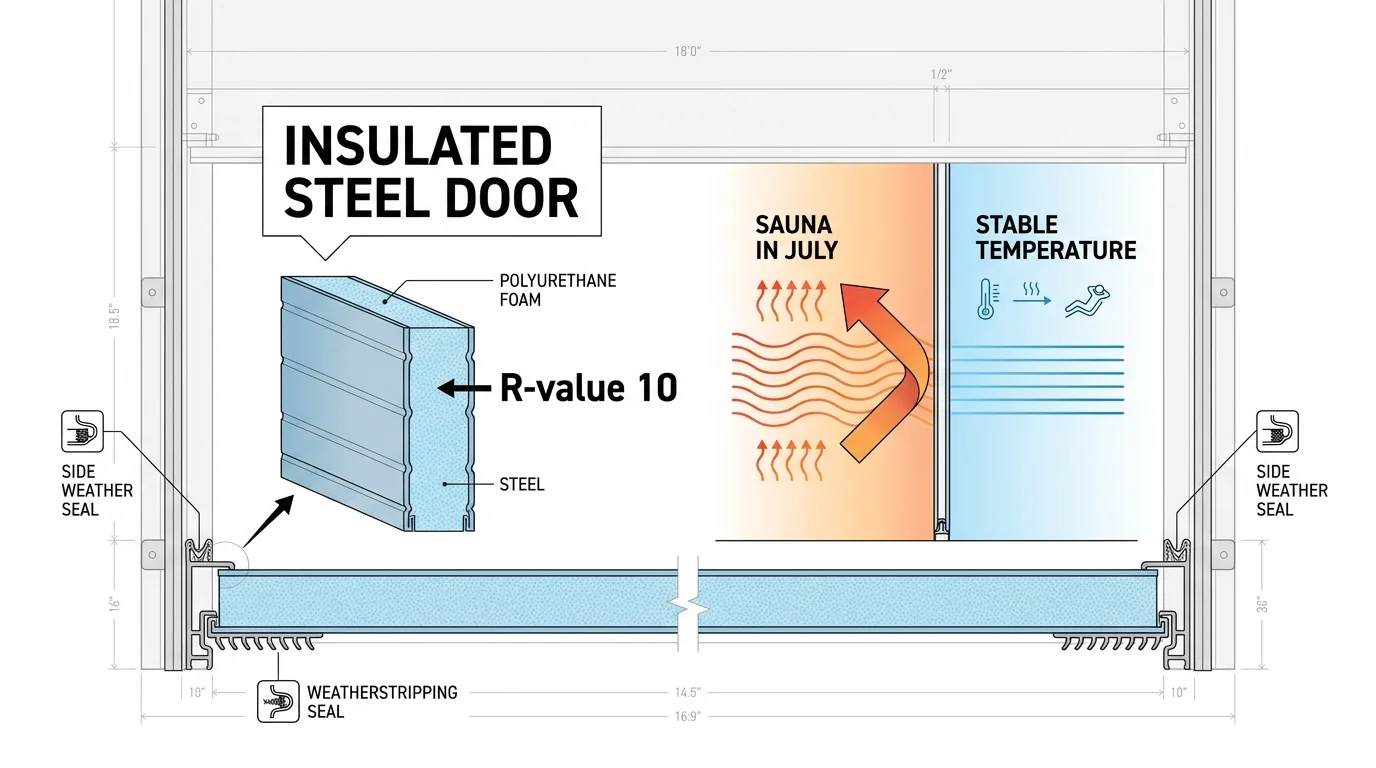
An uninsulated garage fluctuates wildly with the seasons, becoming a sauna in July and a freezer in January. Upgrading to an insulated garage door dramatically stabilizes this environment, protecting everything stored inside. This feature acts as a massive selling point because it directly impacts the energy efficiency of the adjacent interior rooms.
Look for steel doors injected with polyurethane foam insulation. You want a door with an R-value of at least 10 to notice a genuine difference in temperature regulation. When paired with basic weatherstripping and insulated exterior walls, a high-quality door transforms the garage into a year-round usable space. According to guidelines from ENERGY STAR, properly sealing and insulating your home’s envelope—including the garage transition—significantly reduces your overall heating and cooling costs.

4. A Dedicated Garden and Potting Station
For plant enthusiasts and weekend landscapers, the garage serves as the headquarters for outdoor beautification. Buyers increasingly look for a dedicated workspace that handles the messy reality of repotting, pruning, and soil mixing. Integrating a potting station adds massive functional charm to the space.
“A house is not a home unless it contains plants, light, and something growing.” — Paraphrased Proverb
Create your station using a stainless steel or slatted wood workbench that can handle moisture and spilled dirt. Below the bench, install galvanized steel bins on casters to hold your potting soil, perlite, and compost. Above the bench, mount a small slatwall or pegboard to hold your pruners, trowels, and gardening gloves. If you plan to overwinter sensitive patio plants or start seeds in early spring, install a dedicated heavy-duty power outlet directly above the station to safely run full-spectrum LED grow lights. For brilliant garden station layouts, you can find excellent structural inspiration through resources like Better Homes & Gardens.
5. Heavy-Duty Overhead Storage Racks
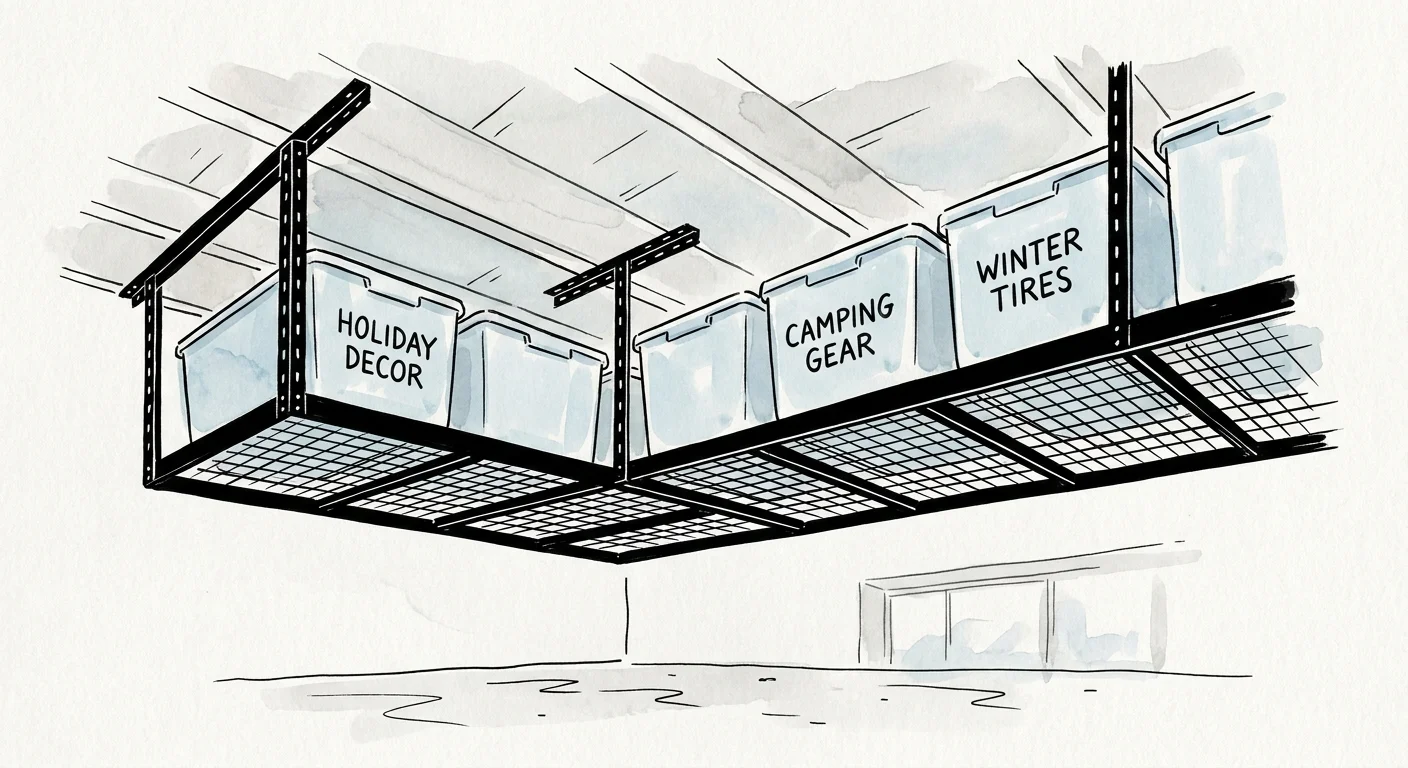
The ceiling remains the most underutilized real estate in the modern home. Buyers light up when they see heavy-duty overhead storage racks because they instantly solve the problem of seasonal clutter. Holiday decorations, bulky camping gear, and plastic tubs of off-season clothing rarely need to be accessed more than once a year.
Steel ceiling racks bolt directly into your ceiling joists, safely suspending hundreds of pounds of gear out of your line of sight. When installing these, ensure you leave adequate clearance for your garage door to operate smoothly. Positioning the racks above the garage door tracks or high above the hood of your parked vehicles utilizes dead space perfectly. Securing items overhead frees up your wall systems for tools you use weekly and guarantees your vehicles actually fit inside the garage.
6. Professional-Grade LED Lighting
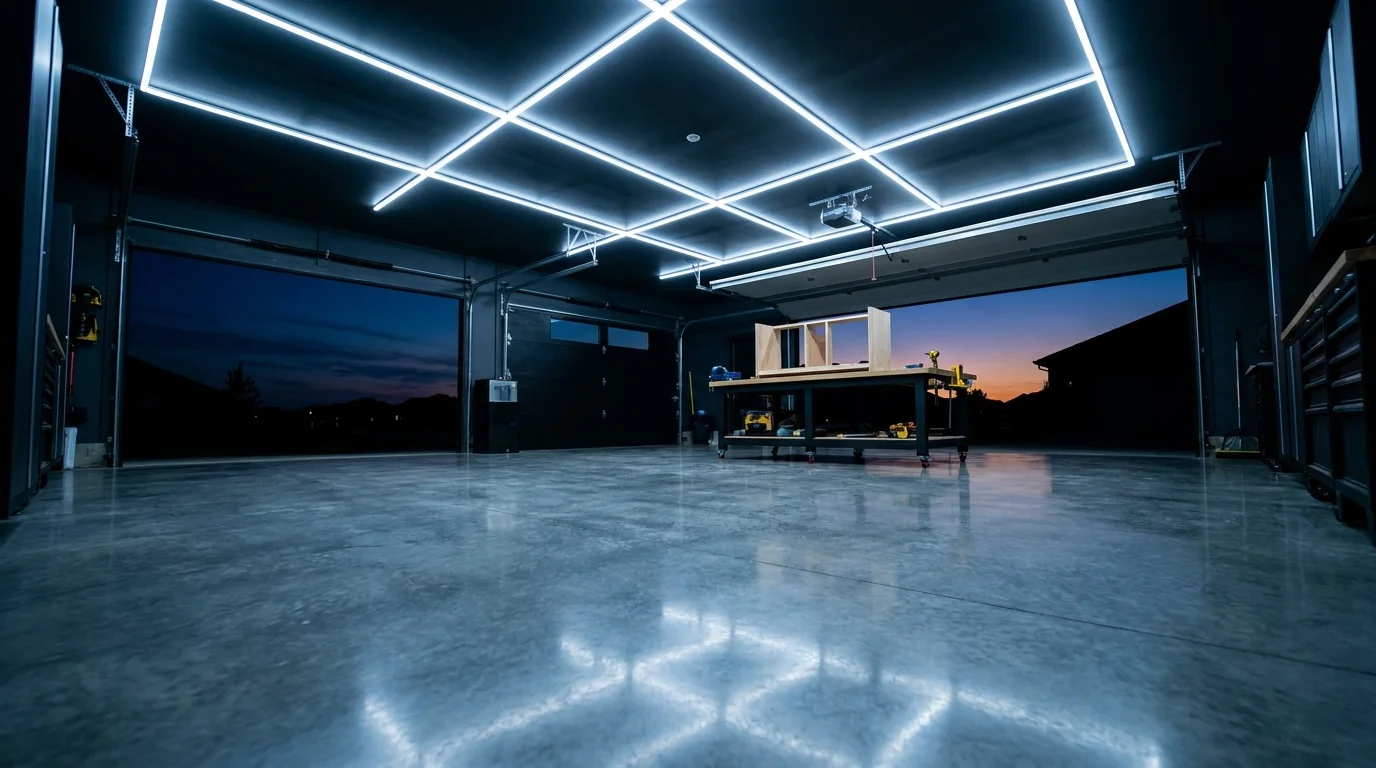
The single, dim incandescent bulb dangling from the ceiling is a relic of the past. A poorly lit garage feels uninviting and makes detailed DIY work nearly impossible. Upgrading your lighting plan is an affordable project that yields dramatic visual results, immediately signaling to buyers that the space is functional and modern.
Replace outdated fixtures with linkable, four-foot LED shop lights. Aim for a total output of at least 5,000 to 7,000 lumens per vehicle bay. Choose fixtures with a color temperature between 4000K and 5000K; this crisp, cool white light mimics daylight and significantly reduces eye strain. Properly illuminated garages highlight your clean floors, make finding tools effortless, and provide a safer environment for operating machinery.

7. A Functional Wash Station
A deep utility sink acts as the ultimate transition zone between the dirty outdoors and your clean home interior. Buyers with active lifestyles, children, or pets view a fully equipped wash station as a premium luxury. It prevents muddy footprints through the kitchen and keeps your indoor plumbing free of debris.
Install a freestanding industrial sink with a high-arc faucet and a pull-down sprayer. This setup easily accommodates large buckets, oversized nursery pots, and muddy boots. It also provides a safe, contained area to wash your hands after handling fertilizers or toxic plant materials. If you keep ornamental houseplants, remember that many common varieties can irritate the skin; washing up immediately prevents accidental transfer to your face or your pets. Always reference the ASPCA Animal Poison Control database to understand which plant saps require careful handling.

8. Smart Garage Access and Security
Technology now integrates seamlessly into the garage, offering peace of mind and incredible convenience. Buyers expect modern homes to feature smart access, allowing them to monitor and control their largest door from a smartphone.
Smart garage door openers alert you if the door is left open after a certain time, let you grant temporary access to contractors or dog walkers, and even enable secure in-garage package delivery. Beyond the opener itself, consider installing a dedicated Wi-Fi camera and a smart keypad. Upgrading the mechanical components alongside the tech—such as switching from a loud chain-drive to a whisper-quiet belt-drive system—makes the entire operation smoother and significantly reduces vibration transferred to the rooms above.
9. Electrical Capacity and EV Readiness
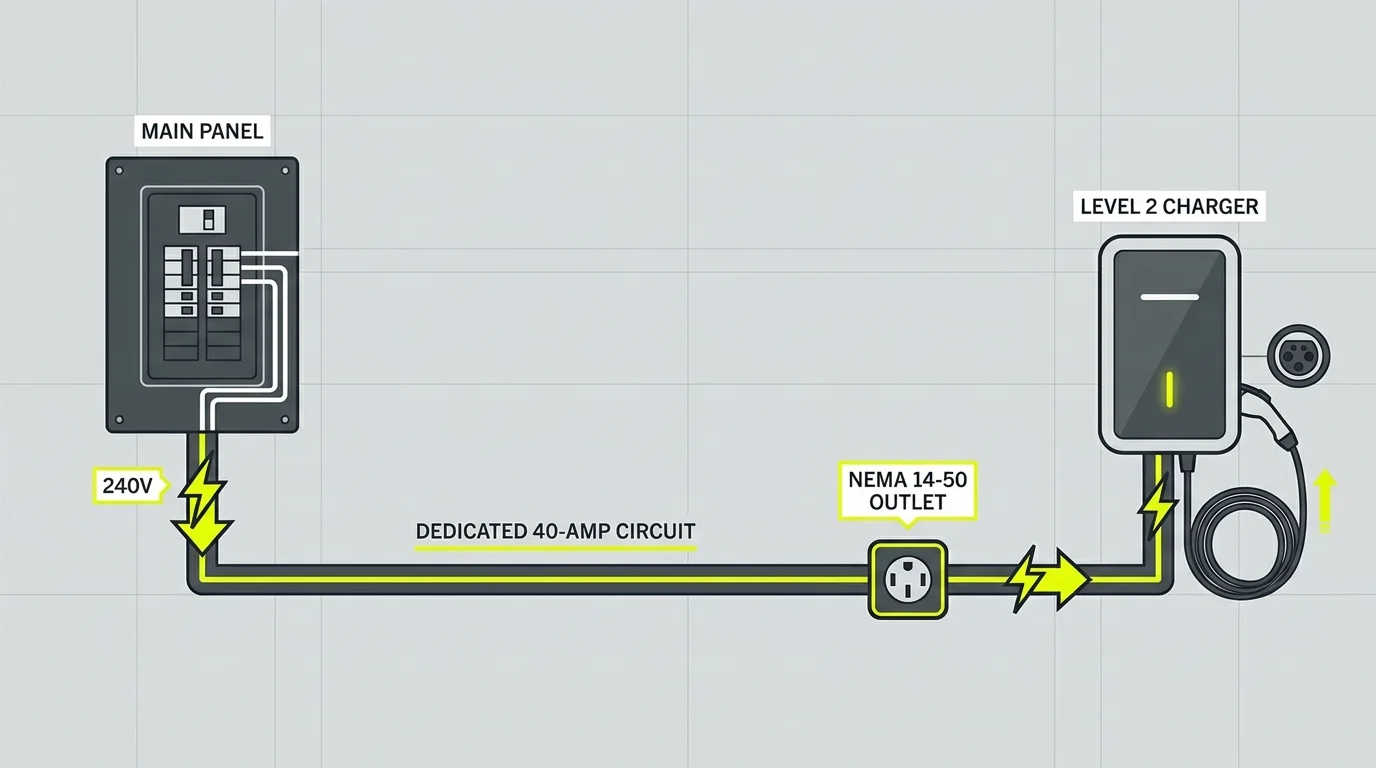
Future-proofing your garage is a massive selling point in today’s real estate market. The transition toward electric vehicles makes adequate electrical capacity a non-negotiable feature for many modern buyers. Even if you do not currently own an EV, installing the infrastructure proves you maintain a forward-thinking property.
Have an electrician install a dedicated 240-volt circuit terminating in a NEMA 14-50 receptacle. This outlet supports Level 2 EV chargers, heavy-duty air compressors, and professional welding equipment. Additionally, upgrade the standard 15-amp wall outlets to 20-amp circuits to prevent tripped breakers when running shop vacs alongside multiple power tools. A garage with a dedicated, upgraded subpanel represents the ultimate blank canvas for a hobbyist.
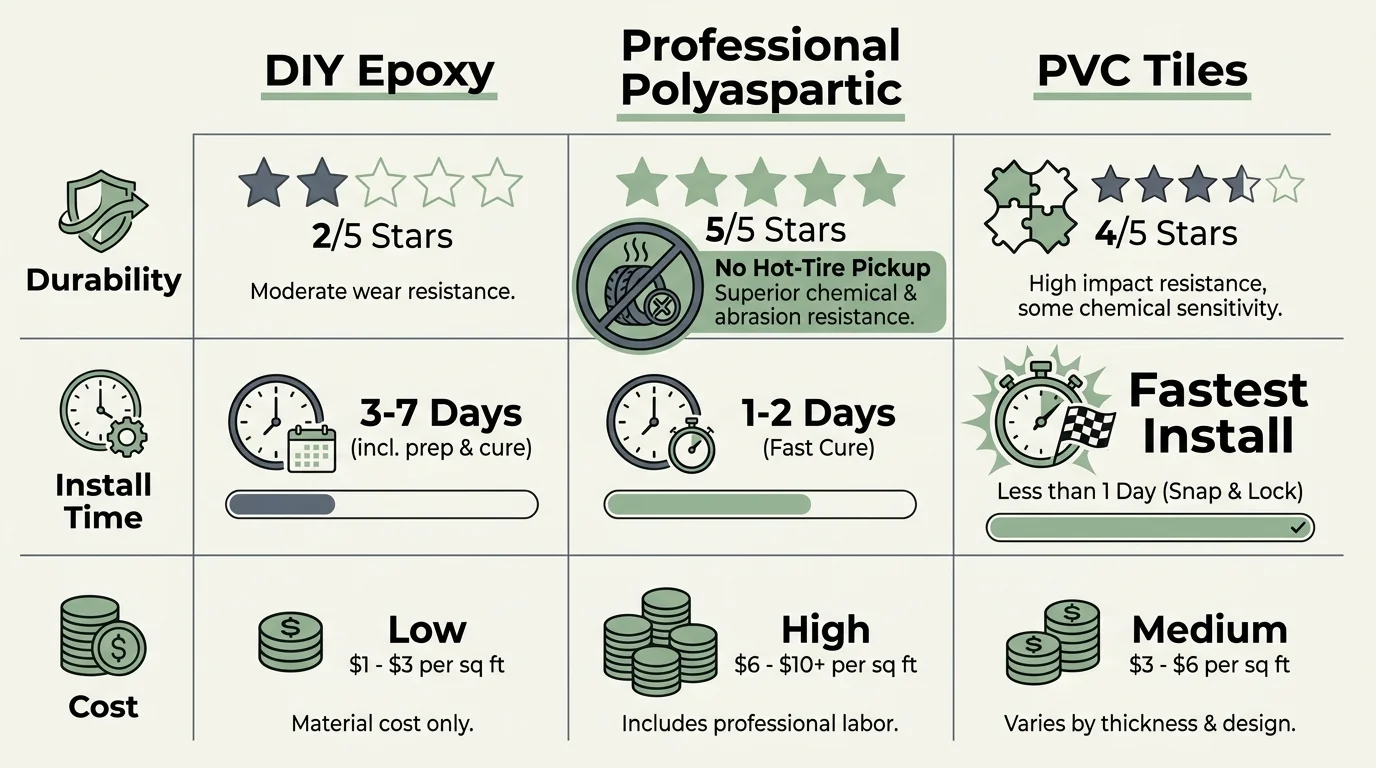
Comparing Popular Garage Flooring Options
Choosing the right floor dictates the long-term maintenance of your space. Use this guide to determine the best material for your usage level and budget.
| Flooring Material | Durability | Estimated Cost (Per Sq. Ft.) | Best Application |
|---|---|---|---|
| Polyaspartic Coating | Excellent (UV and chemical resistant) | $5 – $8 (Professional) | High-traffic garages, luxury homes, auto enthusiasts |
| Standard Epoxy | Good (Can yellow under sunlight) | $3 – $5 | General storage, clean aesthetics, moderate DIYers |
| Interlocking PVC Tiles | Very Good (Impact resistant) | $3 – $6 | Uneven concrete floors, custom color designs, DIY installation |
| Concrete Stain/Sealer | Moderate (Requires reapplication) | $1 – $3 | Budget-friendly dust control, basic home workshops |

Where Most People Go Wrong
Transforming a garage requires careful planning. Avoiding these common pitfalls ensures your upgrades add genuine value rather than creating future headaches.
- Neglecting Proper Ventilation: Sealing and insulating the garage without adding ventilation traps fumes, humidity, and volatile organic compounds (VOCs). If you store paints, fertilizers, or run vehicles, install an exhaust fan tied to a humidistat or timer to ensure safe air exchange.
- Overloading the Trusses: While overhead storage is brilliant, ceiling joists have strict weight limits. Blindly sinking lag bolts and piling heavy metal parts onto ceiling racks can compromise your roof’s structural integrity. Always locate the center of the stud and adhere to the manufacturer’s load ratings.
- Using Interior Paint on the Floor: Attempting to save money by painting a concrete slab with standard acrylic or interior enamel guarantees failure. The paint will peel up within weeks under the heat and pressure of car tires. Always use dedicated masonry or epoxy products formulated specifically for vehicular traffic.
- Ignoring Slope and Drainage: Garages are graded to slope slightly toward the main door to shed water. When installing baseboards, wall systems, or modular flooring, ensure you do not block the natural drainage path; trapped moisture leads directly to mold and rot.

When to Call a Professional
While many garage upgrades make excellent weekend DIY projects, specific tasks carry significant risks. Always hire a licensed professional for the following scenarios:
Garage Door Springs: The torsion springs located above your garage door are under immense, lethal tension. Never attempt to adjust, repair, or replace these springs yourself. A sudden snap can cause severe injury or death.
Electrical Panel Upgrades: Running new 240-volt lines, installing subpanels, or upgrading your main service box requires permits and adherence to the National Electrical Code. Improperly wired circuits pose massive fire hazards.
Structural Modifications: If you plan to remove a wall to widen a bay or cut into your roof trusses to accommodate a car lift, consult a structural engineer. Altering load-bearing components threatens the entire framework of your home.
Frequently Asked Questions
Do insulated garage doors actually save money?
Yes. An insulated garage door reduces the transfer of extreme temperatures into your garage. If your garage shares a wall or a ceiling with a conditioned living space, stabilizing the garage temperature reduces the thermal load on your home’s HVAC system, leading to noticeable energy savings.
Can I use my upgraded garage as a greenhouse?
While a garage provides excellent shelter for overwintering dormant plants, it usually lacks the natural light required for an active greenhouse. If you want to grow plants year-round in the garage, you must invest in high-output LED grow lights, a space heater, and a humidifier to replicate optimal growing conditions.
What is the best way to store heavy garden tools?
The safest and most efficient storage method utilizes a heavy-duty slatwall system or specialized wall tracks anchored directly into the wall studs. This keeps dangerous items like steel shovels, pitchforks, and axes off the floor, visible, and safely secured away from children and pets.
How long does an epoxy or polyaspartic floor last?
When professionally installed over properly prepped (diamond-grinded) concrete, a polyaspartic floor can last 15 to 20 years with minimal maintenance. DIY acid-etch epoxy kits typically show wear, peeling, or tire pickup within 3 to 5 years depending on traffic.
Taking the Next Step
Upgrading your garage turns a wasted cavern into a vibrant, functional extension of your home. You do not have to tackle every feature at once. Start by clearing the clutter and implementing a solid wall organization system. Once your items are off the floor, you can evaluate your lighting, plan for durable flooring, and carve out that dedicated potting station you have always wanted. Take inventory of your current space this weekend, choose one upgrade to prioritize, and reclaim your garage.
Results for DIY projects and plant care depend on your local climate, home conditions, and experience level. When in doubt, consult a licensed professional.
Last updated: February 2026. Plant care guidance reflects current horticultural best practices—always observe your specific plant’s signals.