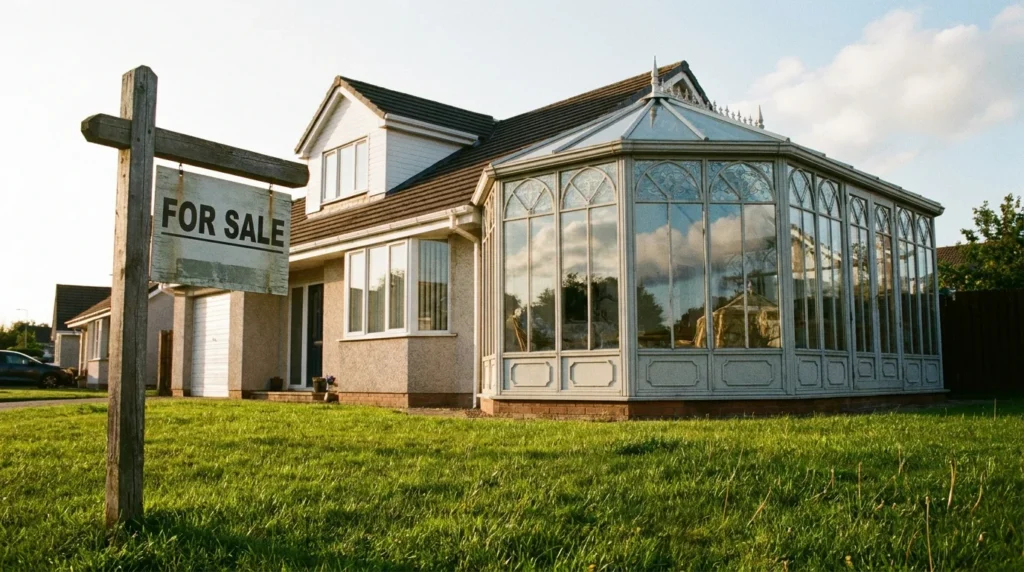
Tackling a weekend project brings an undeniable sense of accomplishment, but crossing the line from cosmetic updates to complex structural work often leads to dangerous home repairs and ballooning budgets. Before you swing a sledgehammer or splice a wire, you need to know exactly where your skills end and building codes begin. Attempting advanced electrical upgrades, plumbing overhauls, or roof replacements without proper licensing puts your safety, your home’s structural integrity, and your insurance coverage at serious risk. Knowing when to hire a professional is the most valuable DIY skill you can master, saving you thousands in remediation costs when a well-intentioned fix inevitably turns into a DIY gone wrong.
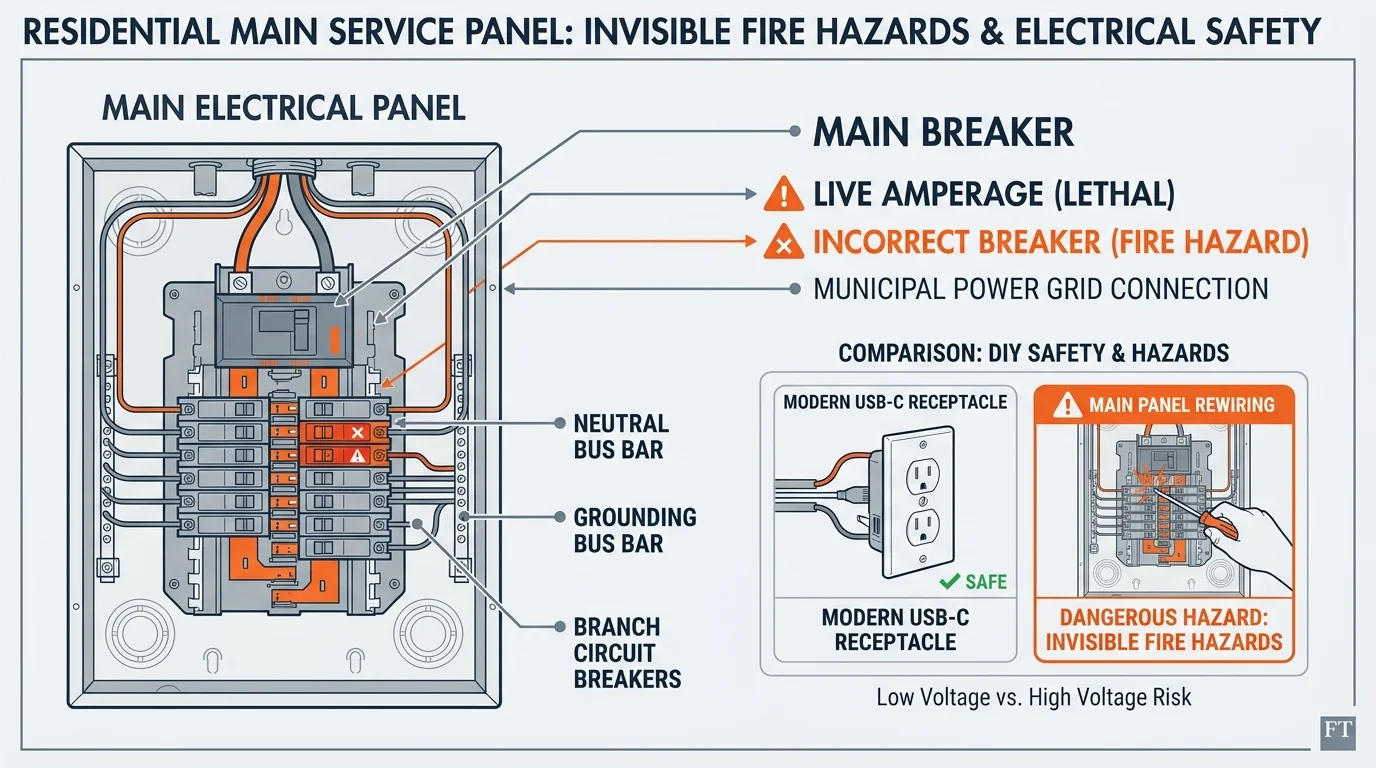
1. Main Electrical Panel Upgrades and Rewiring
Swapping out a dining room chandelier or upgrading your wall outlets to modern USB-C receptacles falls safely within the realm of a handy homeowner. However, opening up your main electrical panel or rewiring entire circuits crosses a dangerous threshold. Your main service panel houses the primary connection to the municipal power grid; the thick wires feeding the master breaker remain live and carry lethal amperage even when you switch the main breaker off.
Licensed electricians understand load calculations, wire gauge requirements, and local building codes that change rapidly. When you install incorrect breakers or improperly ground a new circuit, you create invisible fire hazards behind your drywall. Furthermore, unpermitted electrical work almost universally voids your homeowner’s insurance policy if a fire originates from your DIY gone wrong. Leave the heavy electrical lifting to a licensed professional who carries the necessary bonding and insurance.
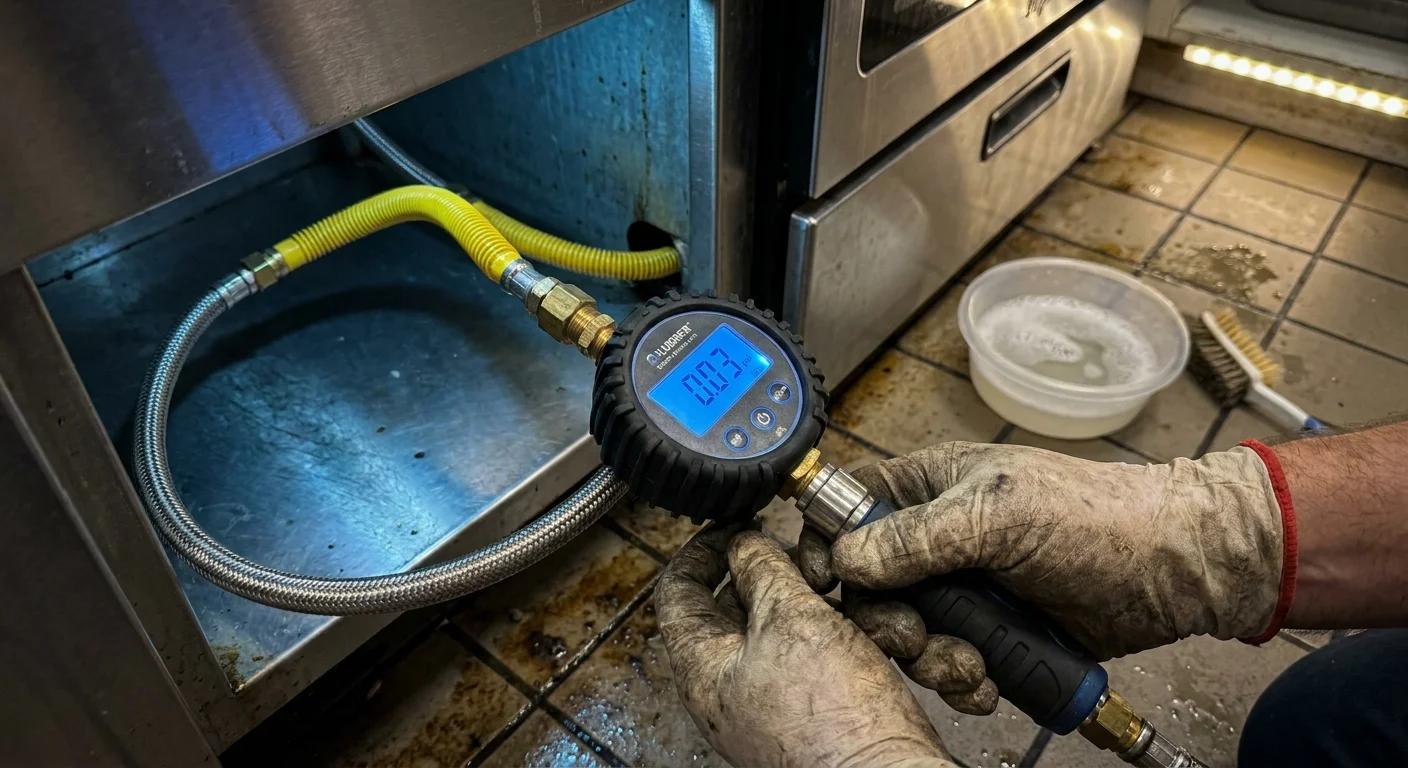
2. Gas Appliance Installation and Line Repairs
Connecting a new gas range or moving a water heater might seem as simple as tightening a few threaded pipes, but natural gas and propane systems forgive zero mistakes. A minor plumbing leak damages your drywall; a minor gas leak destroys your home.
Professionals test gas line integrity using specialized pressure gauges to detect microscopic pressure drops over time. While the classic DIY trick of brushing soapy water onto joints reveals large, active leaks, it routinely misses slow seeps that allow gas to pool inside wall cavities. Always hire a certified gas fitter or plumber to install regulators, extend gas lines, or convert appliances. The life-safety risks of carbon monoxide poisoning and explosion far outweigh the few hundred dollars you might save doing it yourself.
3. Structural Wall Modifications
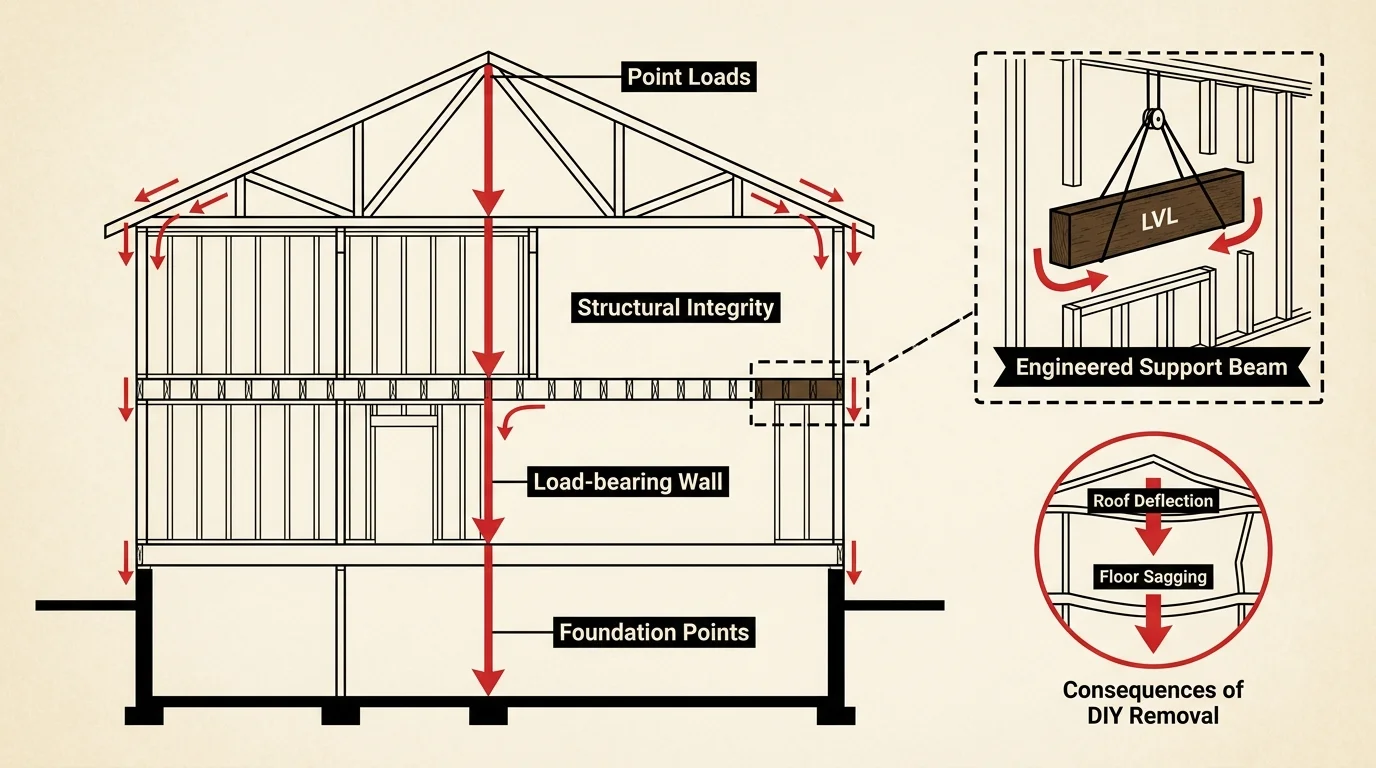
Open-concept floor plans remain wildly popular, prompting many homeowners to grab a reciprocating saw and remove interior walls. Unfortunately, identifying a load-bearing wall requires far more than tapping on drywall or peeking in the attic. Loads transfer through homes in complex ways, often distributed across multiple joists, columns, and foundation points.
Removing a structural wall without installing a properly engineered support beam causes immediate floor sagging, roof deflection, and severe cracking in adjacent rooms. In worst-case scenarios, removing a key support point triggers localized structural collapse. Before altering your home’s footprint, consult a structural engineer to calculate the necessary point loads and hire a licensed contractor to install the required laminated veneer lumber (LVL) or steel I-beams. For extensive remodeling guidance, trusted industry resources like This Old House offer excellent breakdowns of load-bearing architecture.
4. Roof Replacement and Major Leak Repairs
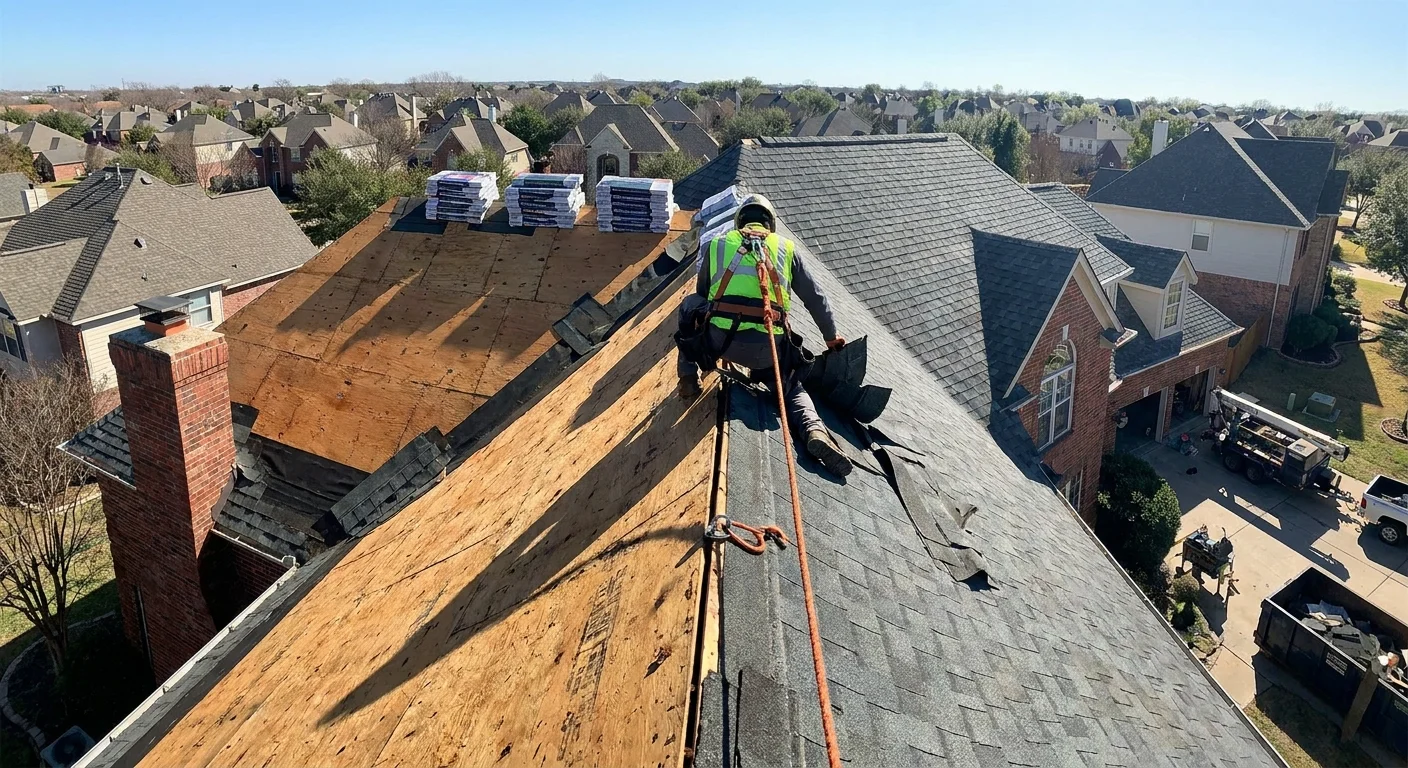
Replacing a few storm-damaged shingles is an approachable afternoon task; stripping and replacing an entire roofing system is a highly choreographed construction operation. Beyond the obvious, severe fall hazards associated with steep roof pitches, improper installation techniques lead to devastating water intrusion.
Modern roofing systems rely on specific layers working in harmony: the structural deck, ice and water shields, synthetic underlayment, starter strips, and the final shingles. Missing a single step in step-flashing around a chimney or misplacing nails slightly above the shingle’s tar line guarantees slow, silent leaks that rot your attic framing over the winter. Professional roofing crews possess the safety harnesses, pneumatic tools, and localized weather knowledge necessary to strip, repair, and secure your home properly before the next storm hits.
5. Plumbing Stacks and Main Sewer Lines
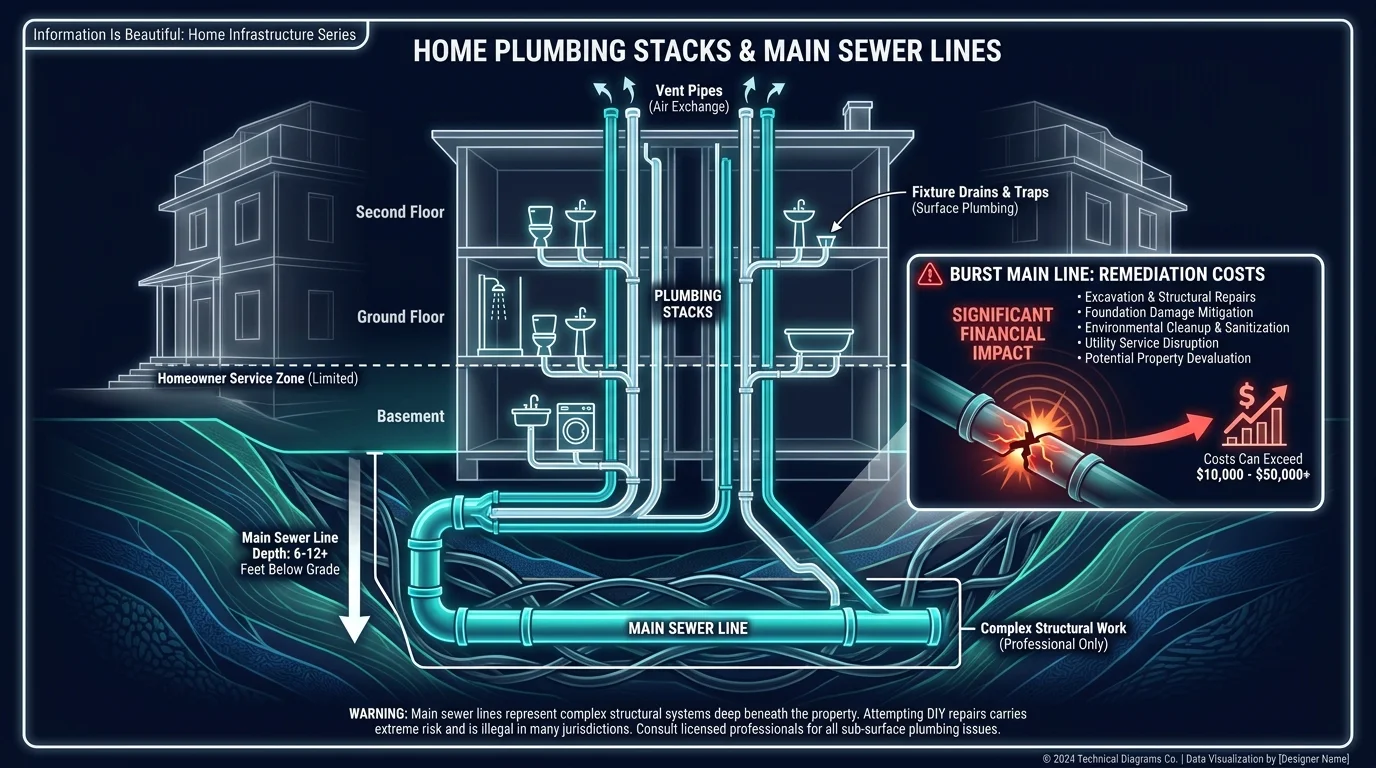
Fixing a running toilet or replacing a kitchen faucet requires little more than adjustable wrenches and patience. Modifying your home’s main soil stack or trenching a new sewer line sits at the opposite end of the spectrum. Home plumbing systems depend on precise venting to equalize pressure; without proper vent lines, wastewater flushing down a pipe creates a vacuum that siphons the water out of your sink and tub traps.
Empty P-traps allow hazardous, highly flammable sewer gases—including methane and hydrogen sulfide—to flow freely into your living spaces. Additionally, professionals calculate exact drain slopes (typically one-quarter inch of drop per foot of pipe). A slope too steep leaves solid waste behind, while a slope too shallow prevents proper drainage. Leave primary drain, waste, and vent (DWV) modifications to a licensed plumber.
6. Asbestos and Lead Paint Removal
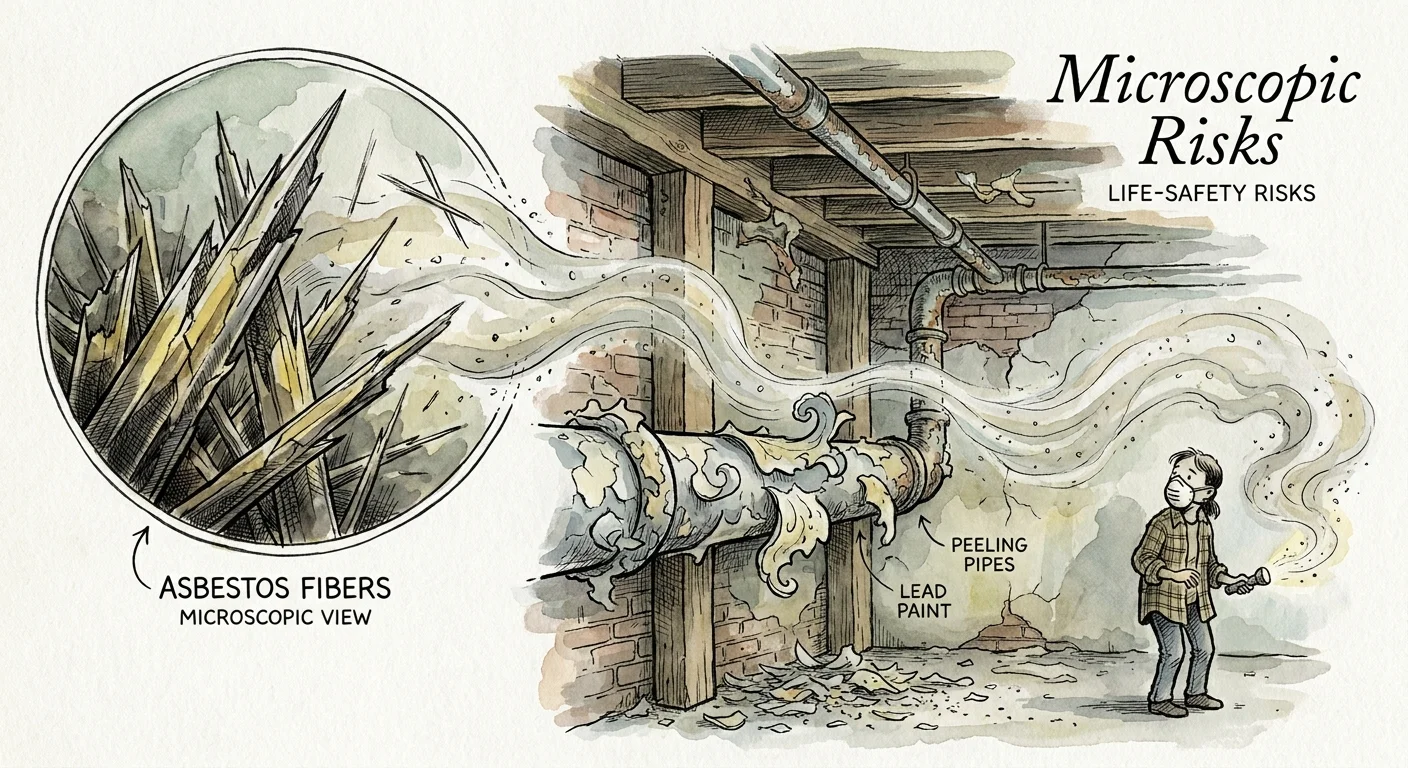
Homes built prior to 1980 frequently hide toxic materials behind a layer of cosmetic charm. Lead-based paint often coats vintage trim, and asbestos lurks in old floor tiles, popcorn ceilings, HVAC duct wraps, and pipe insulation. Left undisturbed, these materials generally pose minimal risk. The danger arises the moment you begin sanding, scraping, or demolishing.
Using a standard shop vacuum to clean up asbestos dust or lead paint chips actually atomizes the particles, forcefully distributing them throughout your home’s breathable air. Pets are particularly vulnerable to this dust; particles settle on floors where cats and dogs walk, ultimately ending up ingested during grooming. Certified abatement professionals seal off the workspace with heavy plastic barriers, utilize commercial-grade negative air pressure machines, and wear specialized respirators to extract hazardous materials safely. Familiarize yourself with home hazards by checking guidance from comprehensive sources like Bob Vila before tackling vintage home renovations.
7. HVAC System Installation
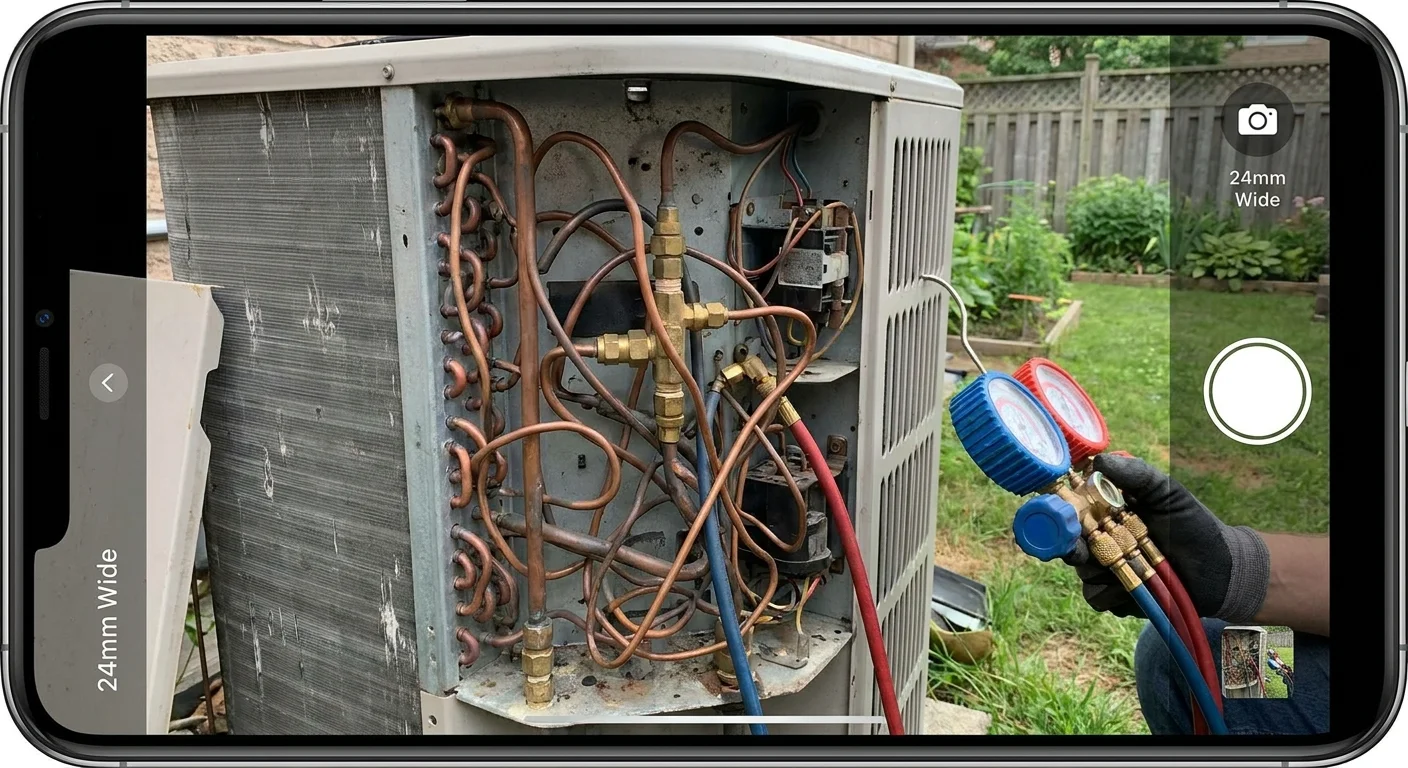
Installing a central air conditioner or heat pump requires deep knowledge of thermodynamics, airflow dynamics, and electrical systems. Sizing an HVAC unit relies on complex Manual J calculations that factor in your home’s square footage, window placement, ceiling height, and insulation values. Guessing the size results in a system that short-cycles, failing to dehumidify the air while drastically inflating your utility bills.
Furthermore, handling the refrigerants required for modern air conditioning units mandates specific Environmental Protection Agency (EPA) certification. Releasing these chemicals into the atmosphere is illegal, and improper line brazing leads to systemic pressure failures. Rely on licensed technicians to install energy-efficient models; you can verify the most efficient units for your climate through the ENERGY STAR program.
8. Foundation Stabilization and Underpinning
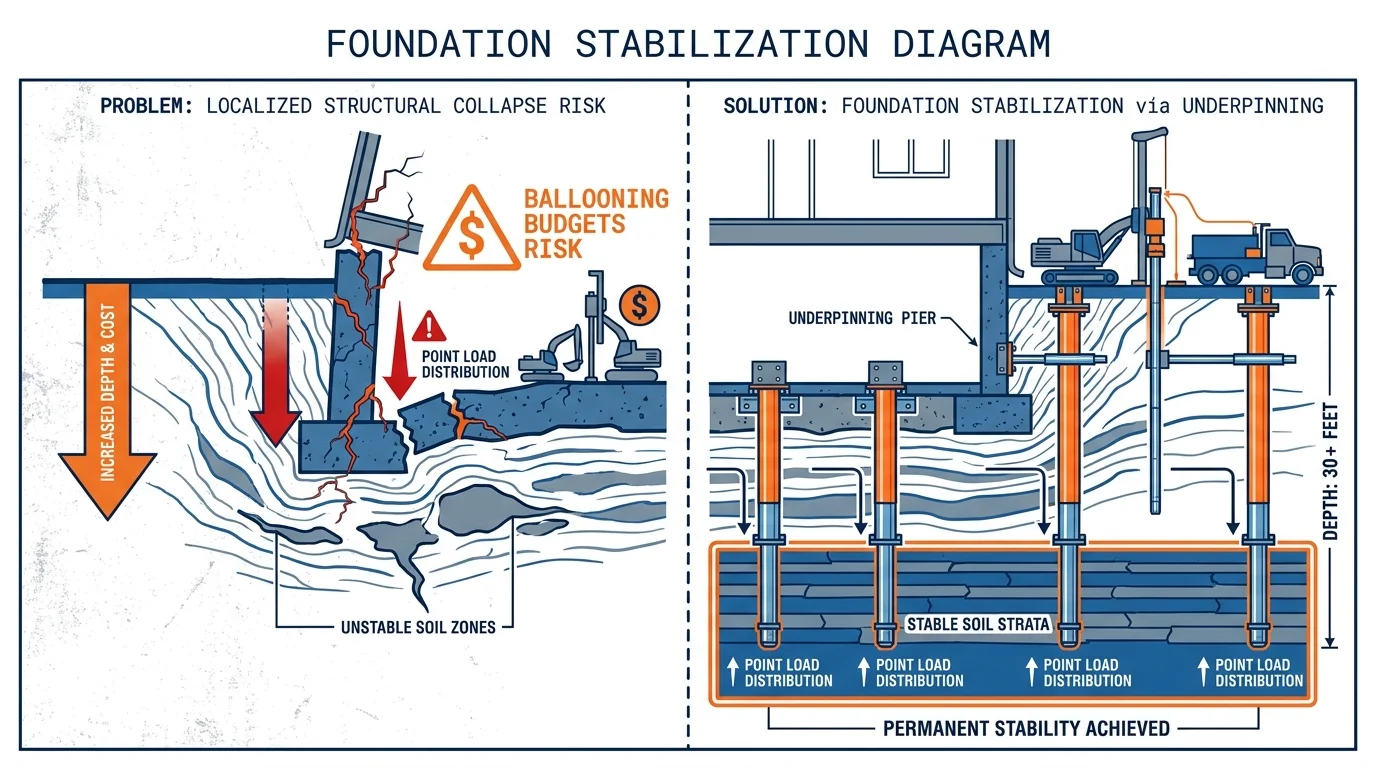
Hairline cracks in concrete basement walls happen naturally as houses settle over decades. However, horizontal cracks wider than a quarter-inch, bowing walls, or sudden stair-step cracks in exterior brickwork signal active foundation failure. Injecting DIY epoxy from a hardware store into a structural shear crack treats a cosmetic symptom while ignoring a catastrophic problem.
Foundation repair companies utilize heavy hydraulic equipment to drive steel piers deep into stable soil, lifting and securing the home’s weight. They manage hydrostatic pressure by installing exterior drain tiles and proper waterproofing membranes. DIY foundation work frequently accelerates the damage, removing vital support from the soil and putting the entire structure at risk of collapse.
9. Major Tree Removal Near Structures
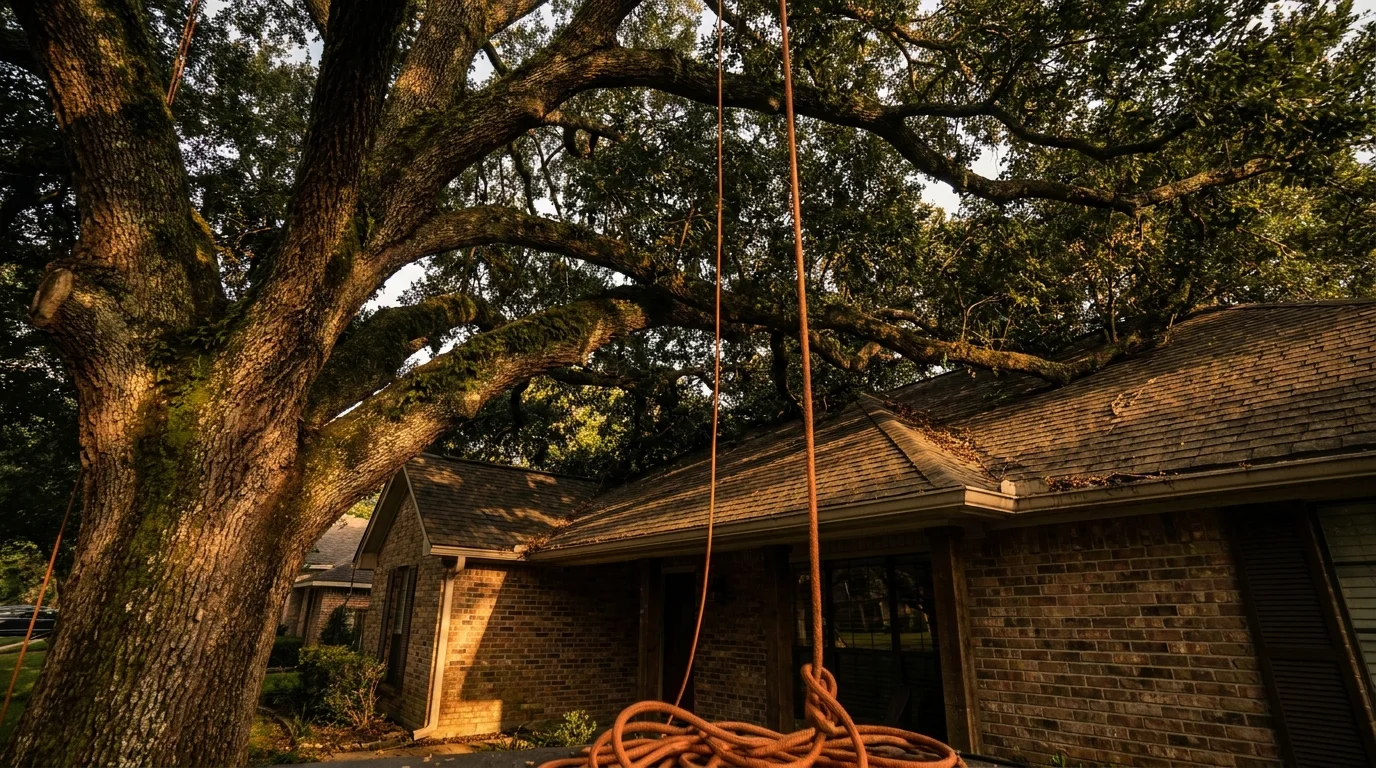
While technically an outdoor property task, felling large trees directly impacts your home’s safety. Removing a towering oak or dead pine tree leaning near your roof line requires precise geometry, roping techniques, and a deep understanding of wood tension. Chainsaws cause horrific injuries in fractions of a second when kickback occurs, and gravity rarely behaves exactly as an amateur expects.
A miscalculated felling cut sends thousands of pounds of timber crashing through your roof, destroying trusses, breaking windows, and causing massive water damage. Certified arborists use bucket trucks, cranes, and specialized rigging to piece down large trees safely, protecting both the workers and your property. For excellent guidance on assessing tree health and knowing when to call an arborist, consult your local university extension, such as PennState Extension.
10. Custom Window Flashing and Installation
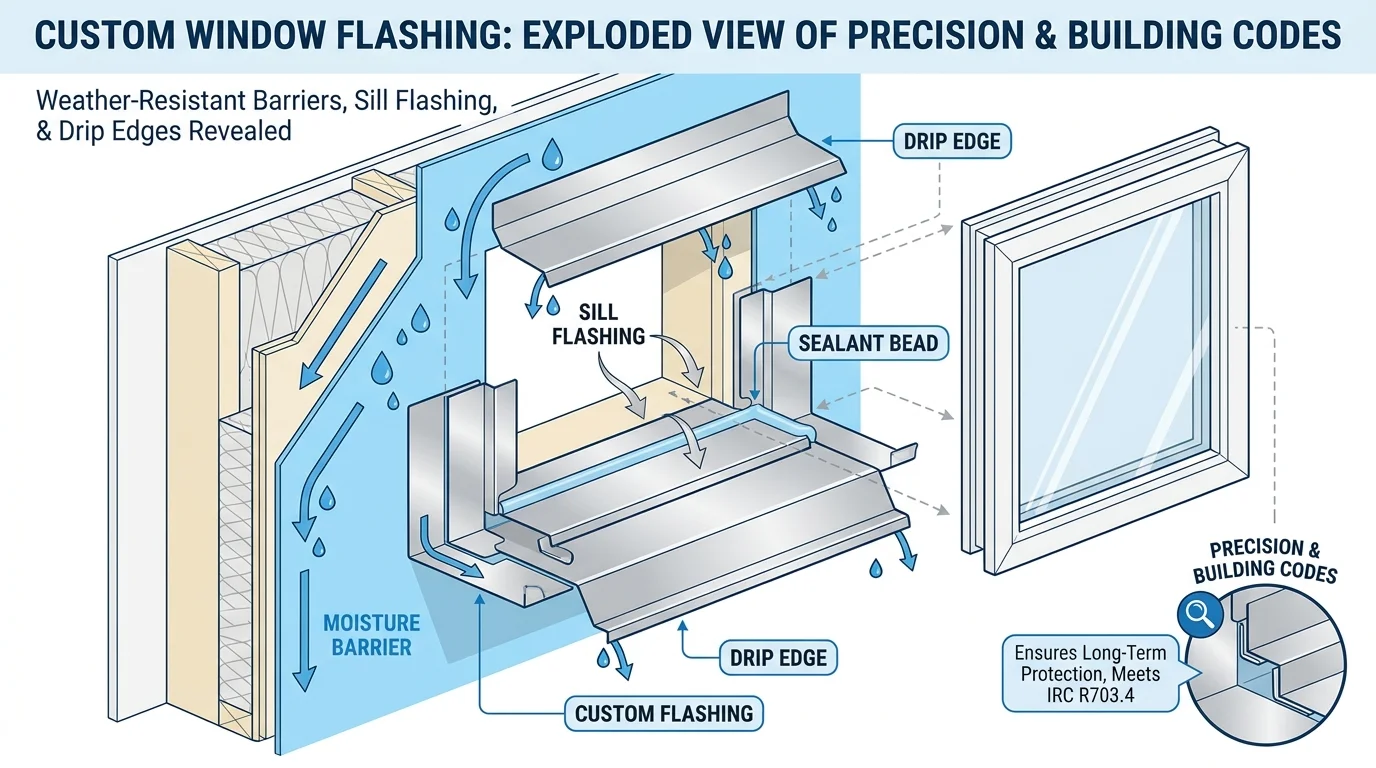
Replacing drafty windows transforms the look and comfort of a room, but the installation process demands absolute precision. Setting a window slightly out of plumb or square creates operational issues, preventing the sashes from locking correctly and straining the glass panes.
The true danger lies in the flashing and waterproofing process. Water follows the path of least resistance; a single tear in the vapor barrier or a misaligned drip edge funnels rainwater directly into the wall cavity. You might not notice the leak for months, until black mold blooms across your drywall or carpenter ants infest the rotting sill plate.
“A house is not a home unless it contains plants, light, and something growing.” — Adapted design principle
To safely welcome that brilliant natural light to nourish your indoor gardens, ensure the window framing keeping the elements out is installed by experts who understand the intricate layering of house wrap, sill pans, and flashing tape.
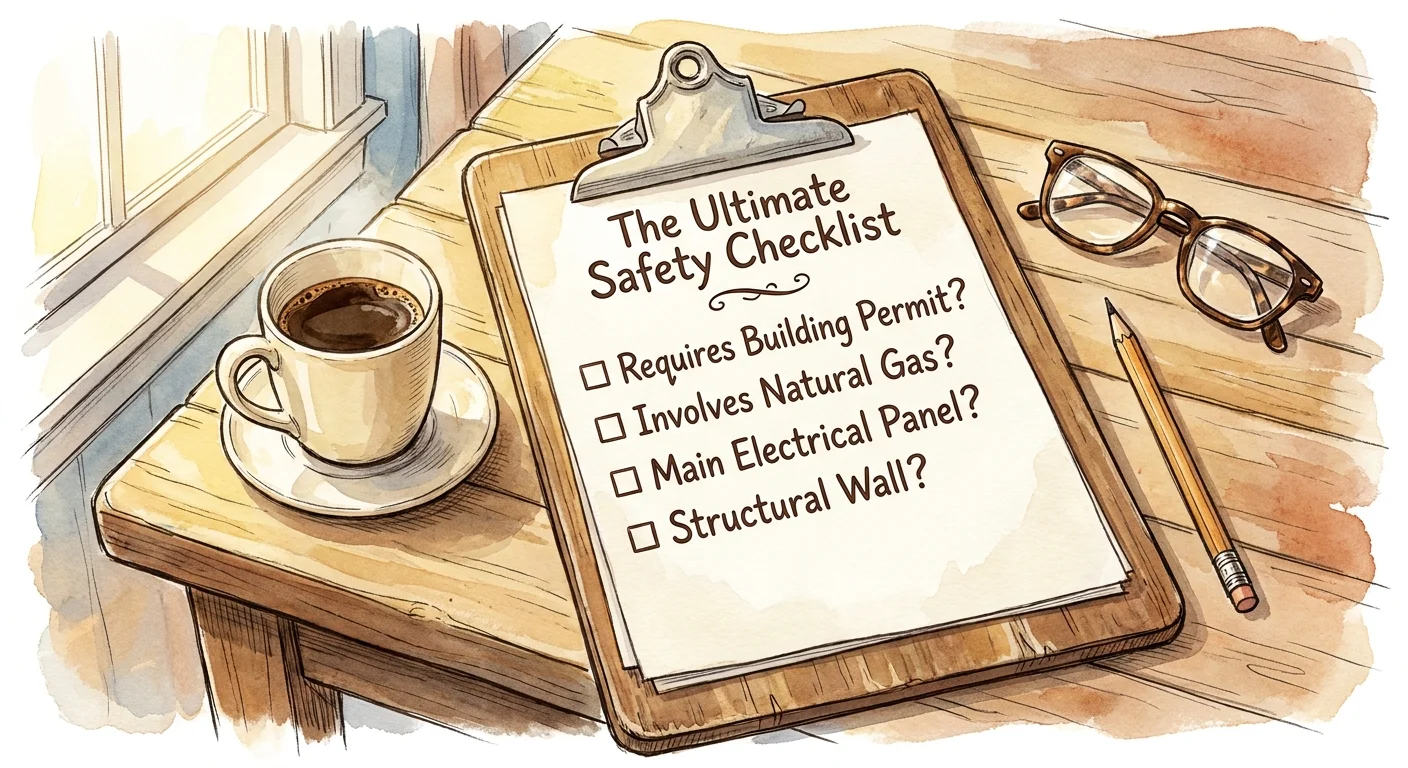
Skip DIY When: The Ultimate Safety Checklist
Knowing when to put down your tools keeps you safe and protects your most valuable asset. Immediately halt any DIY project and call a professional if you encounter the following scenarios:
- Permits are required: If your municipality requires an inspection and permit for the work, the project carries significant safety implications.
- Specialized safety gear is necessary: If the job requires a fall harness, heavy scaffolding, or a respirator rated for toxic particulates, you have crossed into professional territory.
- The system is under pressure: Highly pressurized systems—including main water lines, natural gas pipes, and HVAC refrigerant lines—demand specialized training to alter safely.
- Your life or property is at risk: If a mistake means the house could burn down, flood, or structurally fail, the cost of a professional is simply the cost of peace of mind.
Common Mistakes to Avoid When Planning Home Repairs
Even when deciding to hire out home maintenance, homeowners frequently stumble during the planning phase. The most common error is misdiagnosing the root cause of a problem. Painting over a water stain without fixing the roof leak ensures you will be painting that same ceiling again next month. Take the time to trace issues to their origin.
Another major pitfall is failing to verify a contractor’s licensing and insurance. A suspiciously cheap bid usually indicates a contractor cutting corners on materials or operating without liability coverage. Always request a certificate of insurance and verify their credentials with your state licensing board. Finally, do not ignore the power of a written contract. Verbal agreements regarding project timelines, material grades, and payment schedules dissolve quickly when unexpected complications arise behind a freshly opened wall.
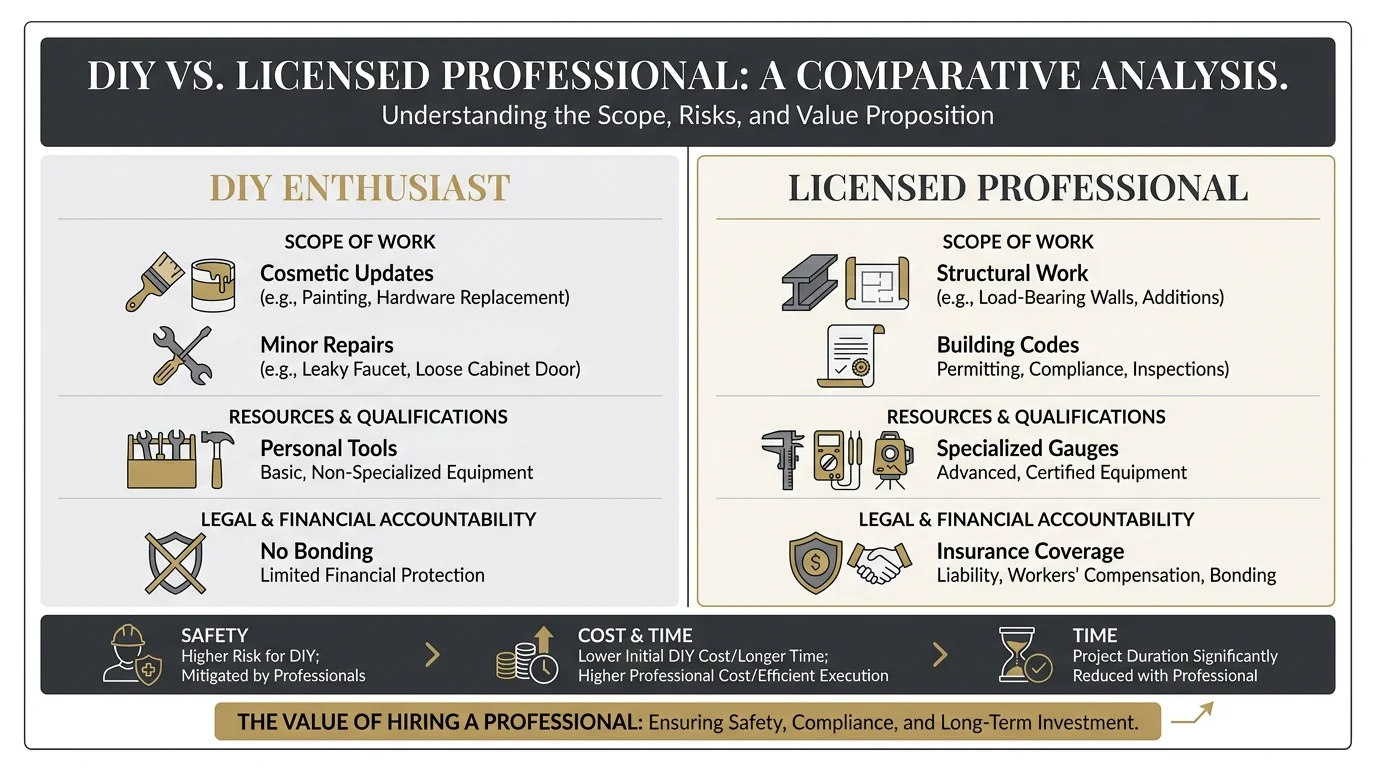
Professional vs. DIY: A Quick Comparison
Use this guide to quickly evaluate common projects and decide whether you should handle them on your own or dial your trusted local contractor.
| Repair/Project Type | DIY Friendly? | Tools Required | Risk of DIY Failure |
|---|---|---|---|
| Swapping light fixtures | Yes | Screwdriver, voltage tester | Low (if breaker is off) |
| Panel upgrade / Rewiring | No | Permits, wire pullers, meters | Extreme (Fire, shock) |
| Clearing P-trap clogs | Yes | Bucket, channel locks | Low (Minor water spill) |
| Moving sewer main lines | No | Trenchers, PVC primer/glue | High (Sewer backup, gas) |
| Planting foundation shrubs | Yes | Shovel, compost | Low (Verify utility lines first) |
| Removing large leaning trees | No | Chainsaw, rigging, crane | Extreme (Crushed roof, injury) |
Frequently Asked Questions
Will my homeowner’s insurance cover damage from a DIY mistake?
In most cases, no. Homeowner’s insurance policies generally contain clauses that exclude coverage for faulty workmanship, particularly if you performed unpermitted work on electrical, plumbing, or structural systems. If a DIY plumbing fix bursts and floods your home, you will likely pay for the water remediation out of pocket.
How do I know if a wall is load-bearing before I start demolition?
You cannot reliably determine if a wall is load-bearing simply by looking at it. While exterior walls and walls running perpendicular to floor joists are typically load-bearing, modern truss roofs and complex multi-story layouts often transfer weight through interior partition walls. Always consult a structural engineer before removing studs.
What happens if I skip getting a permit for a major repair?
Skipping required permits creates immediate and long-term consequences. Municipal code enforcement can issue stop-work orders and heavy fines. Furthermore, unpermitted work creates massive headaches when you attempt to sell your home; buyers’ inspectors will flag the upgrades, forcing you to tear out walls retroactively to prove code compliance to an inspector.
Every successful homeowner eventually develops a reliable roster of skilled tradespeople. Building relationships with a great plumber, electrician, and general contractor transforms homeownership from a stressful burden into a joyful experience. Focus your DIY energy on the projects that bring you immediate satisfaction—like designing a stunning patio container garden, painting an accent wall, or restoring vintage hardware—and leave the hidden systems to the experts.
This article is for informational purposes. Individual results vary based on region, light levels, and care consistency. Verify current guidance with local extension services before using pesticides or herbicides.
Last updated: May 2026. Plant care guidance reflects current horticultural best practices—always observe your specific plant’s signals.