Stepping into your backyard should feel like taking a deep breath at the end of a chaotic day, yet glaring sun, road noise, and overgrown weeds often shatter that illusion. Transforming your outdoor space from a stressful chore into a private retreat requires intentional design choices rather than endless maintenance. By strategically layering sensory elements—like the gentle hum of a water feature, the rustle of native ornamental grasses, and the soft glow of warm ambient lighting—you create an environment that actively lowers your heart rate. These nine practical upgrades blend smart landscaping with functional home design to help you cultivate a genuinely restorative outdoor sanctuary without demanding all your free time to maintain it.

1. Install a Dedicated Water Feature for Acoustic Masking
Auditory interruptions are the fastest way to break a relaxing mood. Whether you live near a busy suburban thoroughfare, a highway, or just have neighbors who love their leaf blowers, unwanted noise elevates cortisol levels. You can reclaim your auditory environment by introducing acoustic masking through a dedicated water feature.
The human brain instinctively interprets the continuous, gentle sound of flowing water as a signal of safety and resource abundance. You do not need a massive, koi-filled pond to achieve this effect. A simple, recirculating basalt column fountain or a pondless waterfall provides enough ambient white noise to effectively drown out distant traffic.
When selecting a pump, focus on the volume of water pushed per hour. A robust flow cascading over irregular stone surfaces generates a lower, more pleasant acoustic frequency than a thin trickle splashing into a shallow basin. Position your water feature close to your primary seating area; acoustic masking works best when the pleasant sound source is physically closer to your ears than the disruptive noise source.
2. Create True Privacy with Strategic Plant Layering
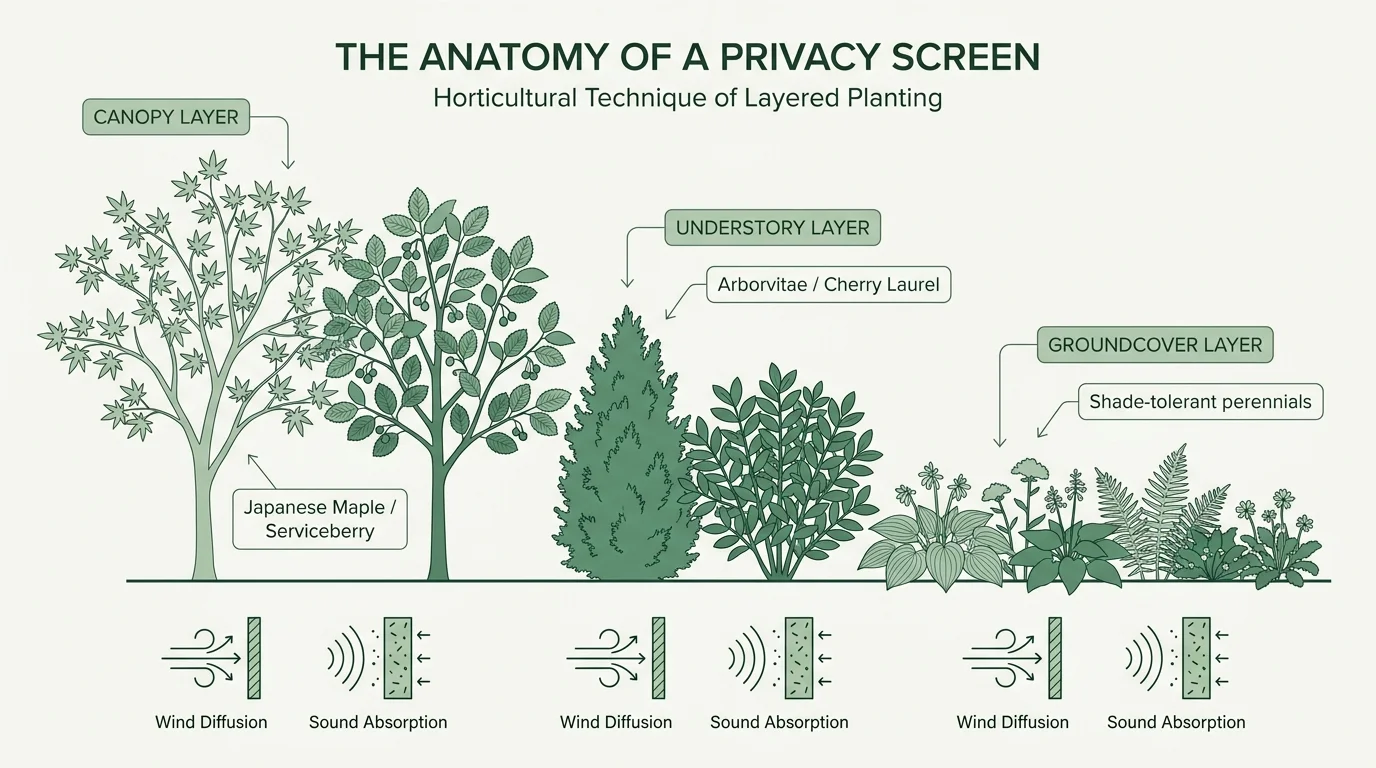
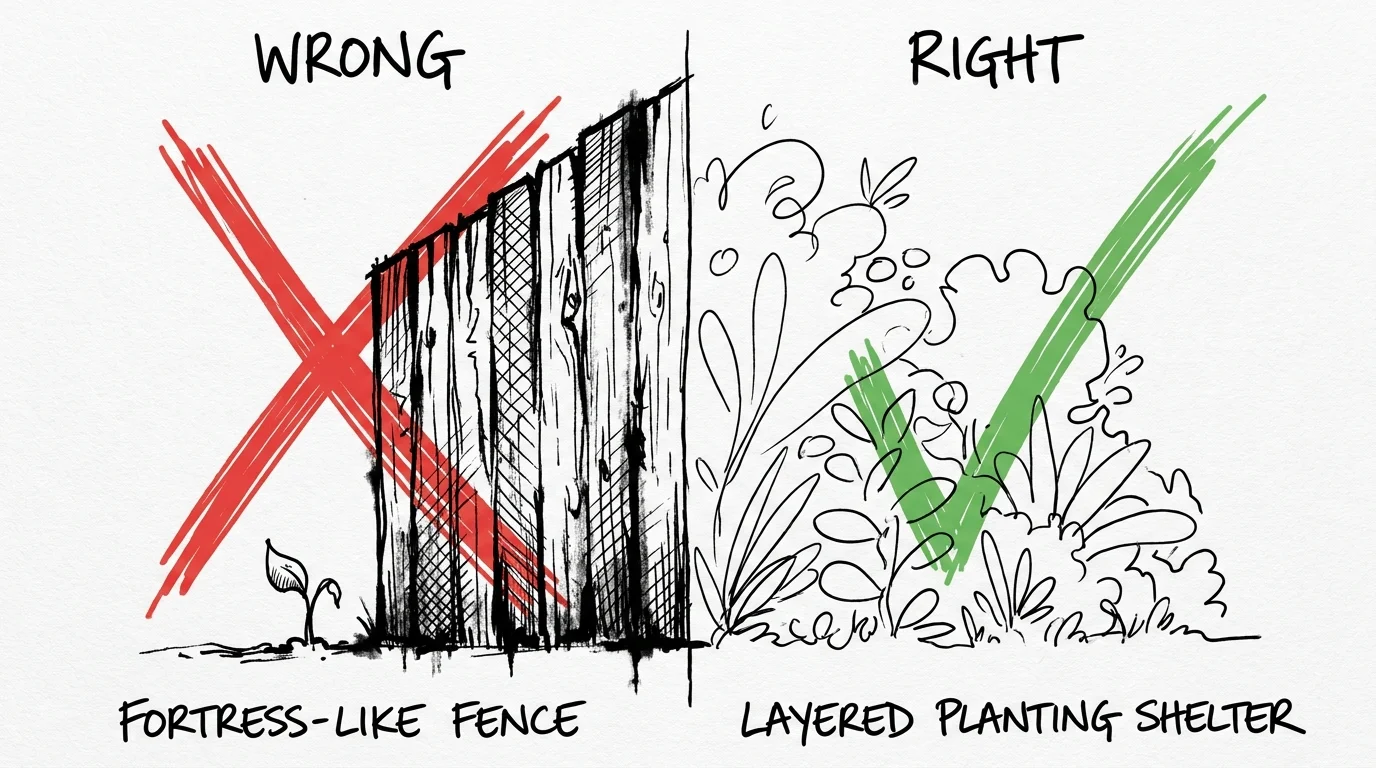
Relaxation requires a sense of enclosure. If you feel like you are on display to your neighbors every time you step onto your patio, you will never fully unwind. Rather than erecting a fortress-like wooden fence that feels visually restrictive, build a lush privacy screen using the horticultural technique of layered planting.
Layering creates depth and visual interest while effectively blocking sightlines. Start with a canopy layer using small ornamental trees like Japanese maples or serviceberries. Next, add a dense understory layer using evergreen shrubs like arborvitae, cherry laurel, or native hollies. Finally, establish a groundcover layer with shade-tolerant perennials to suppress weeds and anchor the design.
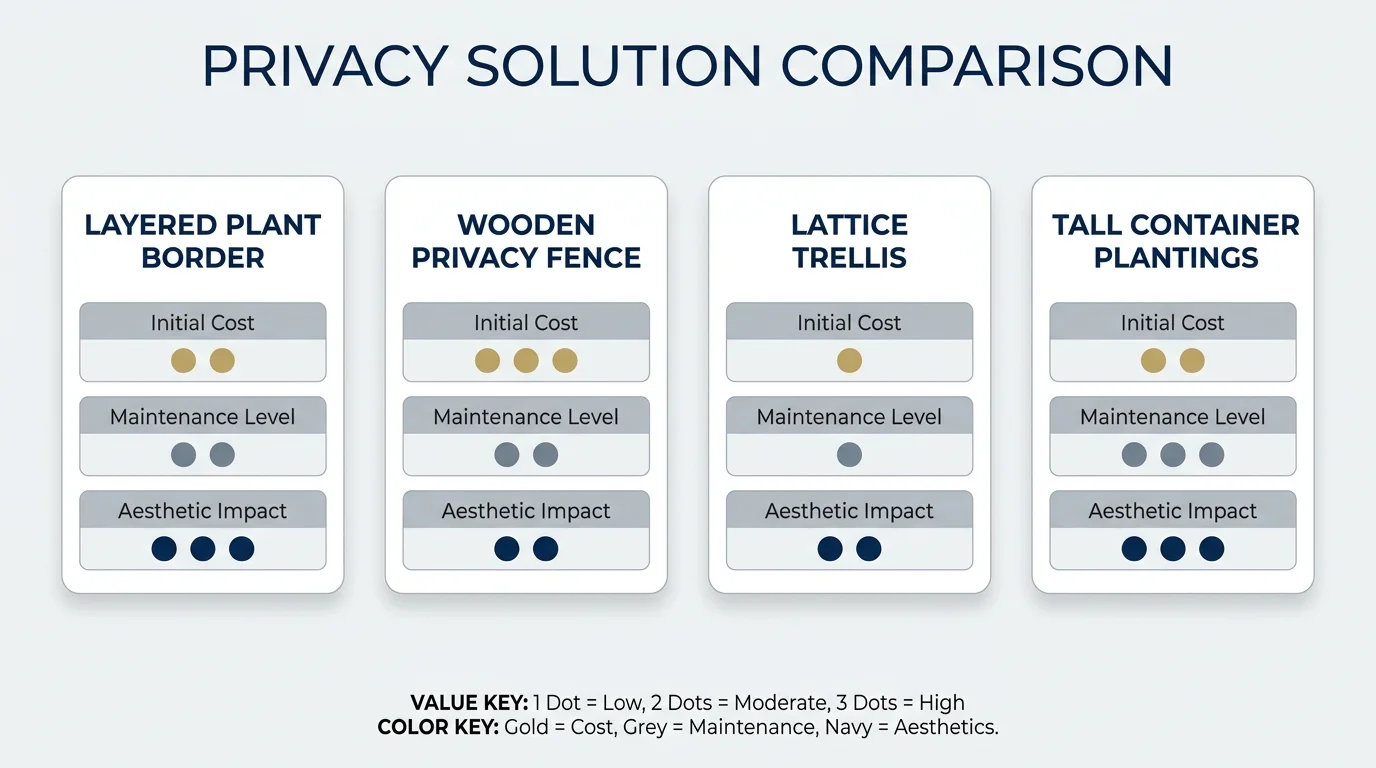
| Privacy Solution | Initial Cost | Maintenance Level | Aesthetic Impact |
|---|---|---|---|
| Layered Plant Border | Moderate to High | Moderate (pruning, mulching) | High (natural, seasonal interest) |
| Wooden Privacy Fence | High | Low to Moderate (staining/sealing) | Moderate (can feel restrictive) |
| Lattice Trellis with Climbing Vines | Low to Moderate | High (training, aggressive pruning) | High (romantic, cottage feel) |
| Tall Container Plantings | Moderate | High (frequent watering, fertilizing) | High (versatile, movable) |
This tiered approach diffuses wind, absorbs sound, and mimics the natural structure of a forest edge, providing a profound psychological sense of shelter. If you need inspiration for structuring outdoor spaces, This Old House offers excellent blueprints for combining hardscaping with living privacy screens.
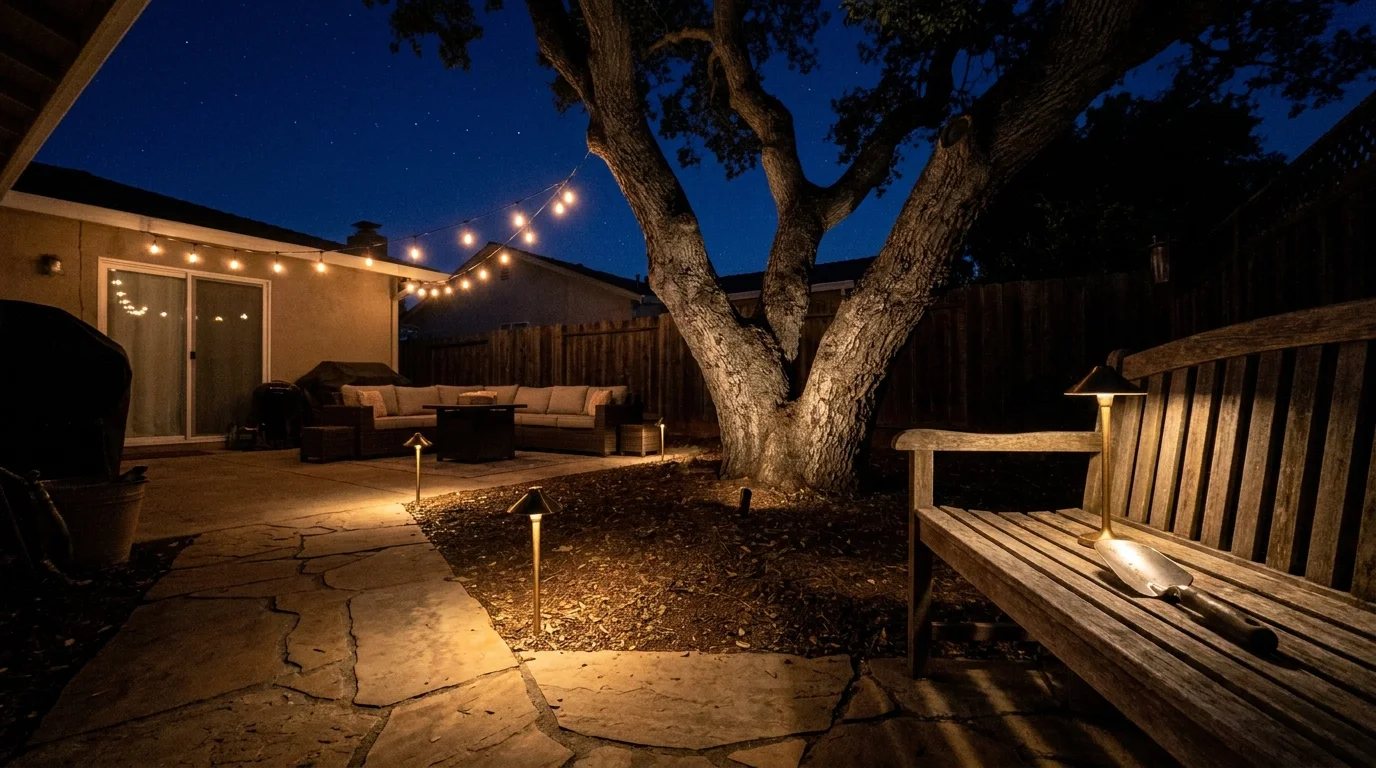
3. Layer Warm, Low-Voltage Ambient Lighting
A floodlight bolted to the side of your house provides security, but it also creates the ambiance of a prison yard. To encourage evening relaxation, you must design an outdoor lighting scheme that respects your circadian rhythm. Harsh, cool-toned LEDs suppress melatonin production and strain the eyes in the dark.
Swap out high-wattage, blue-toned bulbs for warm, low-voltage LED fixtures rated between 2700K and 3000K on the Kelvin scale. This color temperature mimics the gentle, relaxing glow of candlelight or a setting sun. Approach your lighting design in three layers:
- Pathway Lighting: Use low-profile fixtures directed downward to guide footsteps safely without creating glare. Stagger them on alternating sides of your path rather than lining them up like an airport runway.
- Accent Lighting: Use subtle uplighting to highlight the architectural branching of a favorite tree or the texture of a stone wall.
- Overhead Ambient Lighting: String commercial-grade café lights back and forth over a dining or seating area. Ensure they are hung on a taut steel guide wire to prevent sagging over time.
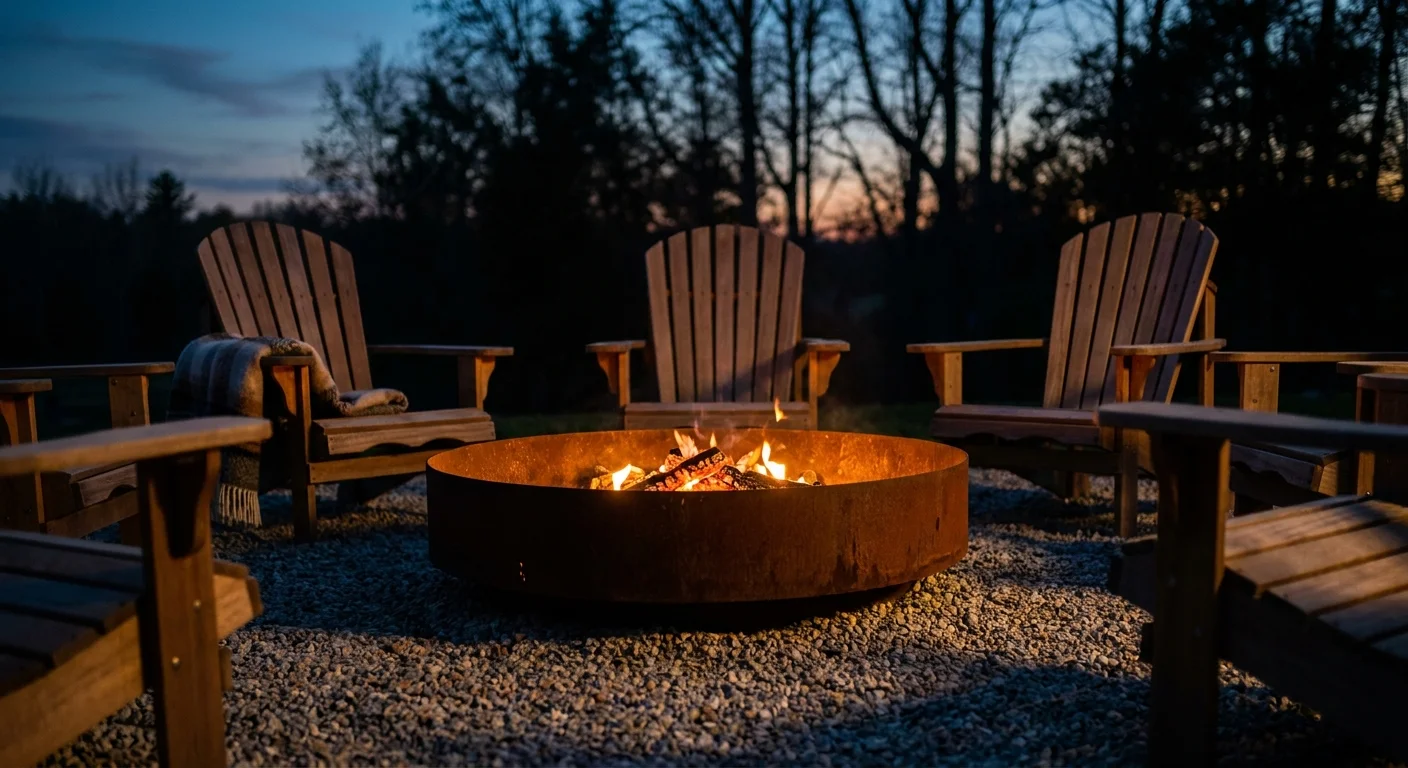
4. Design a Cozy Fire Pit Zone for Evening Gatherings
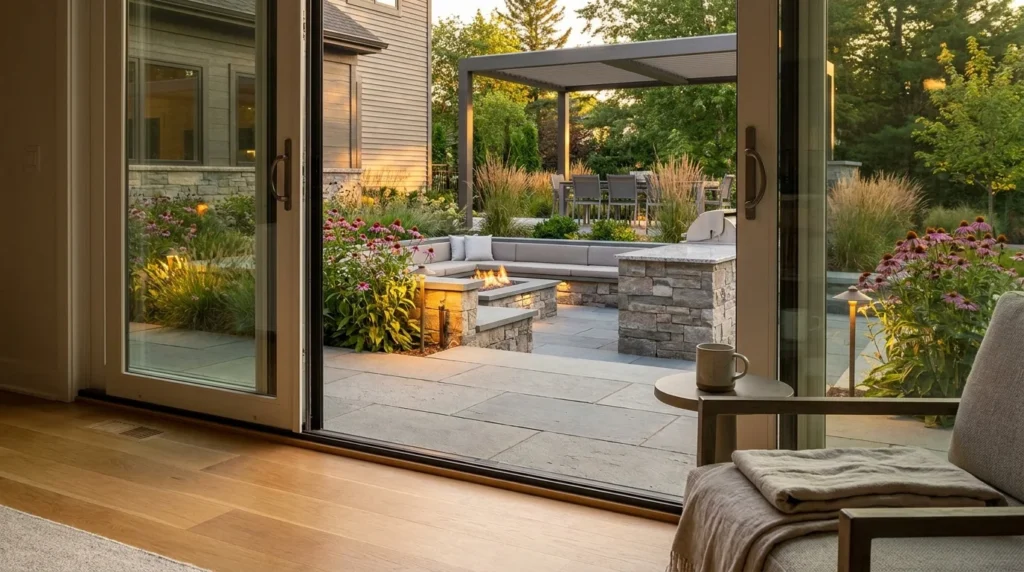
Fire has drawn humans together for thousands of years. The flickering light and radiant heat provide a primal, hypnotic focal point that encourages conversation and contemplation. Adding a fire pit extends the usability of your backyard well into the brisk autumn and early spring months.
Gas fire pits offer the ultimate convenience—igniting with the flip of a switch and producing zero smoke to aggravate allergies or cling to your clothes. Wood-burning fire pits provide the authentic crackle and scent of a traditional campfire but require more maintenance and a steady supply of seasoned firewood. Whichever you choose, surround the pit with deep, comfortable seating arranged in a circular formation to foster a sense of community.
Always maintain a minimum clearance of ten feet from your home, wooden fences, or low-hanging branches when installing a wood-burning fire feature. Prioritize safety by keeping a heavy-duty spark screen and a water source nearby.

5. Upgrade to Comfortable, Weather-Resistant Seating
You cannot relax if your back aches or if your thighs are sticking to cheap plastic chairs. Your backyard seating should rival the comfort of your living room furniture. Upgrading your outdoor seating is an investment in how often—and how long—you will actually use your outdoor space.
Seek out deep-seating lounge chairs or sectionals built with marine-grade materials. Teak wood is legendary for its durability and naturally weathers to a beautiful silvery gray if left untreated. Powder-coated aluminum provides a sleek, modern look that absolutely will not rust, making it ideal for humid climates. High-density polyethylene (HDPE) lumber, made from recycled plastics, offers the look of painted wood without the endless sanding and repainting.
Pair these robust frames with thick cushions wrapped in solution-dyed acrylic fabrics. These high-performance textiles resist fading, repel water, and wipe clean easily, ensuring your relaxation is never interrupted by the panic of a sudden rain shower.
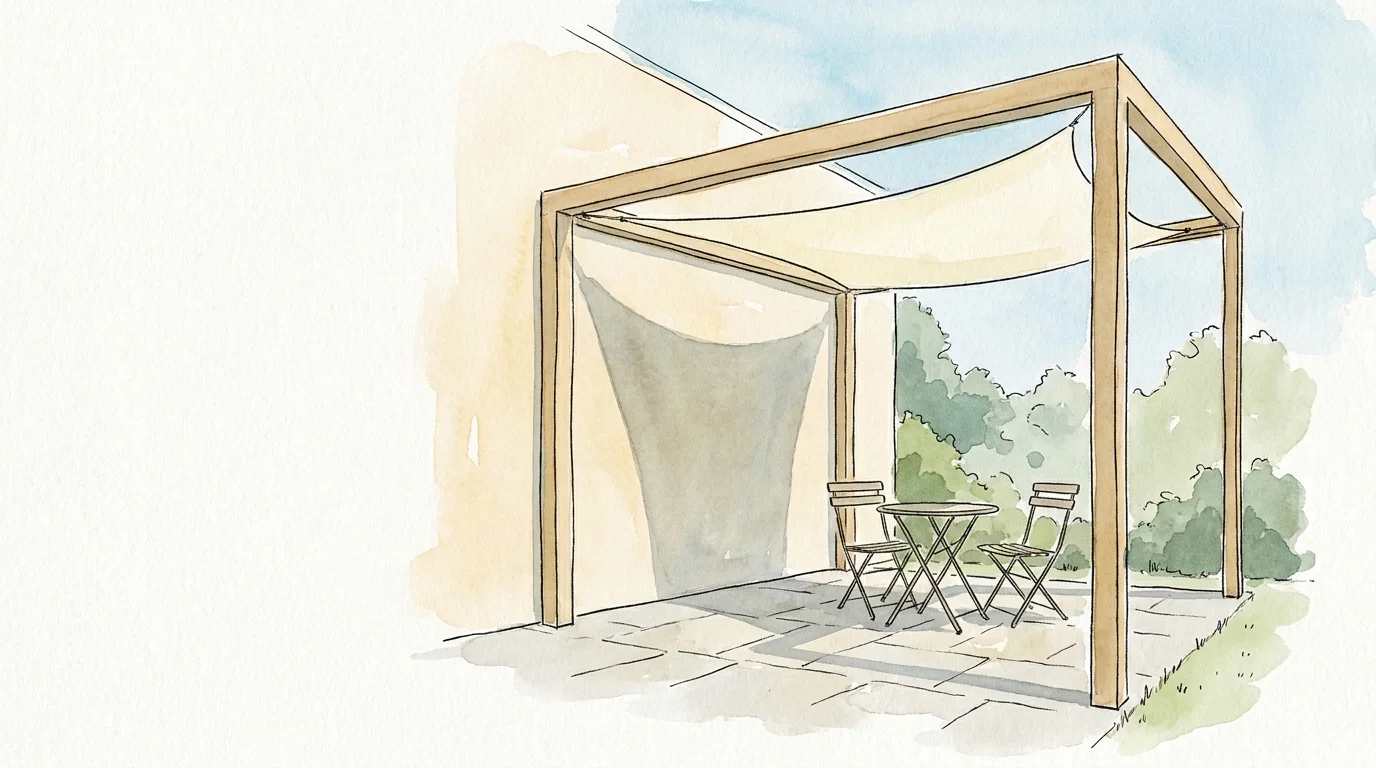
6. Build a Shaded Retreat with a Pergola or Shade Sail
Direct afternoon sun turns a beautiful patio into an unbearable oven. To make your backyard a genuine all-day sanctuary, you need reliable shade. While a standard patio umbrella provides a quick fix, structural shade elements offer permanence and architectural elegance.
A wooden or fiberglass pergola defines a distinct outdoor room. The open-slatted roof allows heat to escape upward while casting a cooling, dynamic pattern of shadows below. For additional shade and a touch of organic romance, train climbing plants up the posts. Fast-growing vines like American Wisteria or Trumpet Creeper provide spectacular blooms, but ensure the structure is sturdy enough to support the heavy, woody vines as they mature.
If you prefer a contemporary aesthetic, install high-tension shade sails. These durable, UV-blocking fabric triangles stretch between structural posts or exterior walls, creating a striking, modern silhouette that significantly lowers the ambient temperature of your seating area.
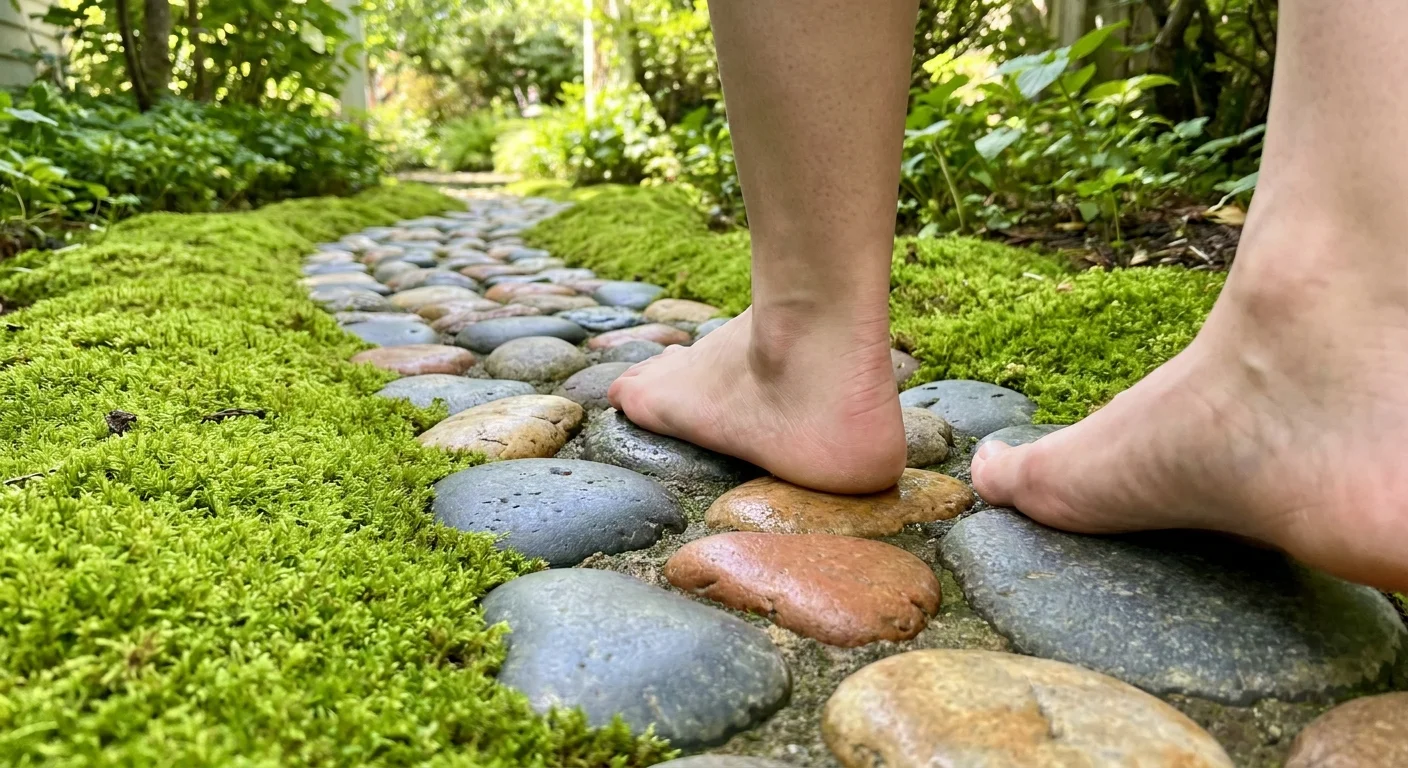
7. Establish a Grounding Barefoot Pathway
The practice of “grounding” or “earthing”—walking barefoot outdoors—has profound psychological benefits, helping to center the mind and reduce stress. To encourage this connection with nature, weave a tactile pathway through your garden.
Instead of pouring a stark, solid concrete walkway, lay large, irregular flagstones spaced comfortably apart for a natural stride. Fill the gaps between the stones with soft, resilient groundcovers. Creeping thyme releases a beautiful herbal fragrance when stepped on, while Irish moss provides a plush, velvety cushion for bare feet.
If you prefer a distinct auditory experience, consider a pathway of smooth, tumbled river rock or pea gravel. The satisfying crunch of gravel beneath your feet slows your walking pace, subtly shifting your mindset from the rushing of the workday to the meandering rhythm of your garden.
“The glory of gardening: hands in the dirt, head in the sun, heart with nature.” — Alfred Austin

8. Integrate Scented and Sensory Plants
A truly relaxing backyard engages all five senses. Visual beauty is essential, but fragrance directly impacts the limbic system, the area of the brain responsible for emotion and memory. By strategically placing scented plants near your seating areas, windows, and pathways, you create an immersive aromatherapy experience.
Lavender, with its silvery foliage and purple blooms, is globally recognized for its anxiety-reducing properties. Plant it in well-draining soil where it will receive full sun. Sweet alyssum offers a honey-like fragrance that carries beautifully on a warm evening breeze. For shaded areas, consider incorporating Lily of the Valley or sweet box (Sarcococca) for subtle, intoxicating scents.
Always verify the safety of your botanical choices if you share your home with animals. Many highly fragrant plants, including certain lilies, can be dangerously toxic to dogs and cats. Before planting, cross-reference your selections with the ASPCA Animal Poison Control database to ensure your sensory garden remains a safe haven for your pets.
9. Cultivate a Low-Maintenance Native Plant Meadow
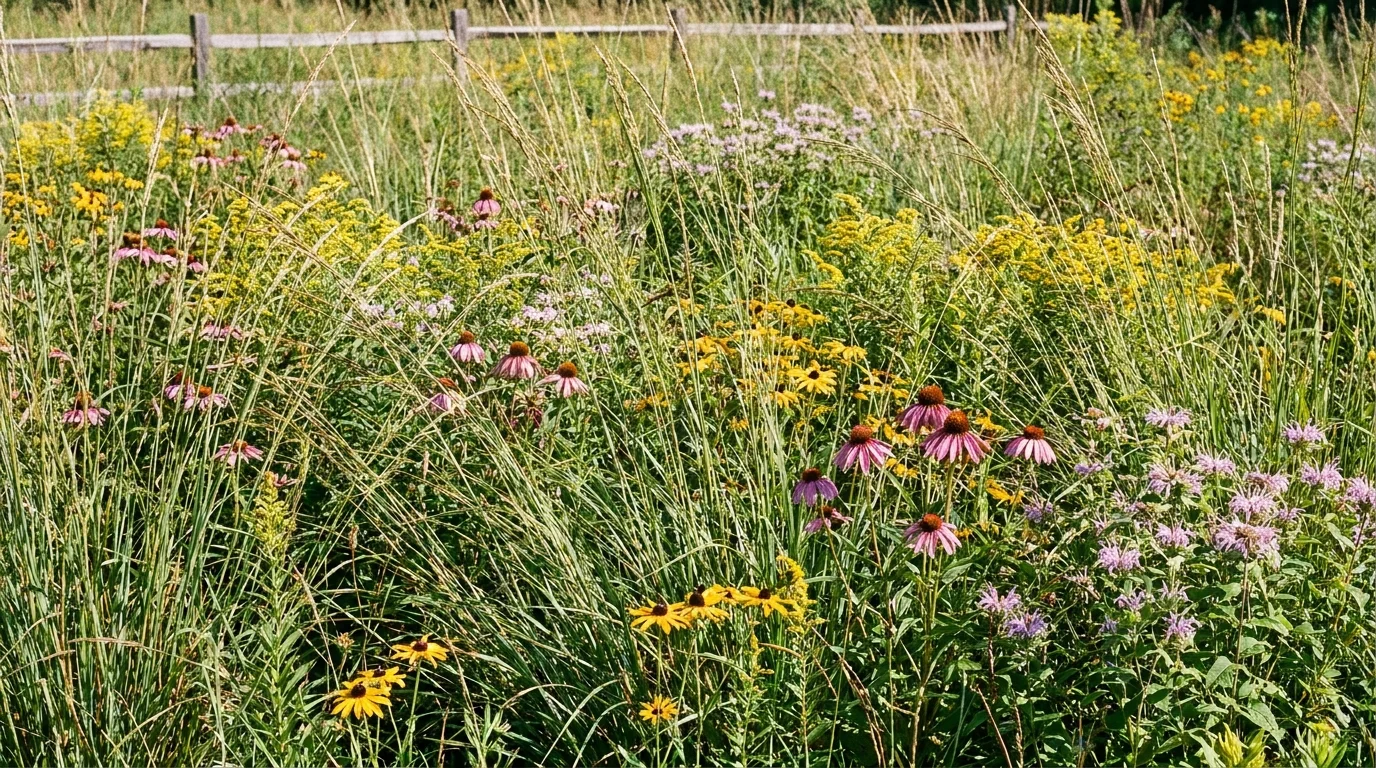
Nothing kills the relaxing vibe of a weekend quite like the roar of a lawnmower and the chore of endless weeding. Manicured turf grass requires vast amounts of water, chemical fertilizers, and physical labor. Reducing your lawn footprint in favor of native plants drastically cuts your maintenance workload.
Native plants have evolved to thrive in your specific climate and soil conditions, meaning they require far less supplemental watering and zero synthetic fertilizers once established. Furthermore, they attract local pollinators, butterflies, and songbirds, bringing a sense of vibrant life and natural movement to your yard. Watching a goldfinch pull seeds from a coneflower is infinitely more relaxing than edging a sidewalk.
If you want to transition part of your yard to native landscaping but do not know where to start, the PennState Extension provides exceptional, science-based guidance on selecting appropriate native species for your specific ecological region.
When It’s Worth the Investment
While many backyard upgrades are highly rewarding weekend DIY projects, certain foundational improvements require professional intervention to ensure safety and longevity. Do not hesitate to hire licensed professionals for the following:
- Hardscaping and Retaining Walls: Proper grading and drainage are critical. A poorly installed patio will sink and pool water, turning into a structural hazard.
- Electrical Wiring: Running conduit for outdoor lighting, installing GFCI outlets for water features, or wiring an outdoor kitchen requires a licensed electrician to meet local building codes.
- Mature Tree Installation: Planting large, balled-and-burlapped trees requires heavy machinery and precise planting depth. A certified arborist ensures the tree survives the transplant shock.
Don’t Make These Errors
Even the best intentions can lead to outdoor spaces that cause more stress than they relieve. Avoid these common landscaping pitfalls:
Over-lighting the Yard: More light does not equal better ambiance. Creating a relaxing space relies on the contrast between light and shadow. Blasting your yard with bright security lights washes out the landscape and contributes to neighborhood light pollution.
Ignoring Mature Plant Size: Impulse buying at the garden center is a fast track to an overgrown, crowded yard. Always read the plant tag and space your plants based on their mature width, not their current size in the nursery pot. Overcrowded plants compete for resources and require constant, exhausting pruning.
Failing to Plan for Drainage: Water always wins. Before installing any hardscaping or new garden beds, observe how water moves across your property during a heavy rainstorm. Diverting water improperly can flood your basement or your neighbor’s yard.
Frequently Asked Questions
What is the most relaxing outdoor color palette?
Cool tones like soft blues, muted purples, and silvery greens promote tranquility. Incorporate plants like Russian sage, lavender, hostas, and blue fescue. White flowers, often used in “moon gardens,” are highly reflective and create a soothing, luminous effect at dusk.
How can I block noisy neighbors without building a huge fence?
Combine acoustic masking with visual barriers. A multi-tiered planting of dense evergreens blocks the visual intrusion, while a nearby, continuous-flow water fountain helps scramble the frequencies of human voices and background noise.
Are fire pits high maintenance?
Wood-burning fire pits require ash removal and a dry wood supply. For a low-maintenance, purely relaxing experience, invest in a propane or natural gas fire pit. They require virtually zero cleanup and can be turned on or off instantly.
Your backyard possesses the potential to be your home’s most restorative space. By shifting your focus from high-maintenance lawns to sensory, comfortable, and intentional design elements, you can create a private oasis that serves you rather than the other way around. Pick one upgrade to tackle this weekend—whether it is hanging a string of warm café lights or planting a fragrant border of lavender—and start reclaiming your outdoor peace.
Results for DIY projects and plant care depend on your local climate, home conditions, and experience level. When in doubt, consult a licensed professional.
Last updated: May 2026. Plant care guidance reflects current horticultural best practices—always observe your specific plant’s signals.