The floorplans and finishes defining modern living spaces look drastically different than they did even a decade ago. As open-concept designs dominate and smart technology replaces hardwired systems, several once-standard household features are quietly disappearing from our homes. You might not have noticed the gradual extinction of telephone niches, formal dining rooms, or trash compactors, but builders and renovators are actively phasing them out. Understanding which architectural elements are fading into obscurity helps you make smarter decisions when remodeling or purchasing a property. By evaluating these shifting home trends, you can allocate your renovation budget toward upgrades that add genuine long-term value and functionality rather than preserving outdated footprints that no longer serve modern lifestyles.
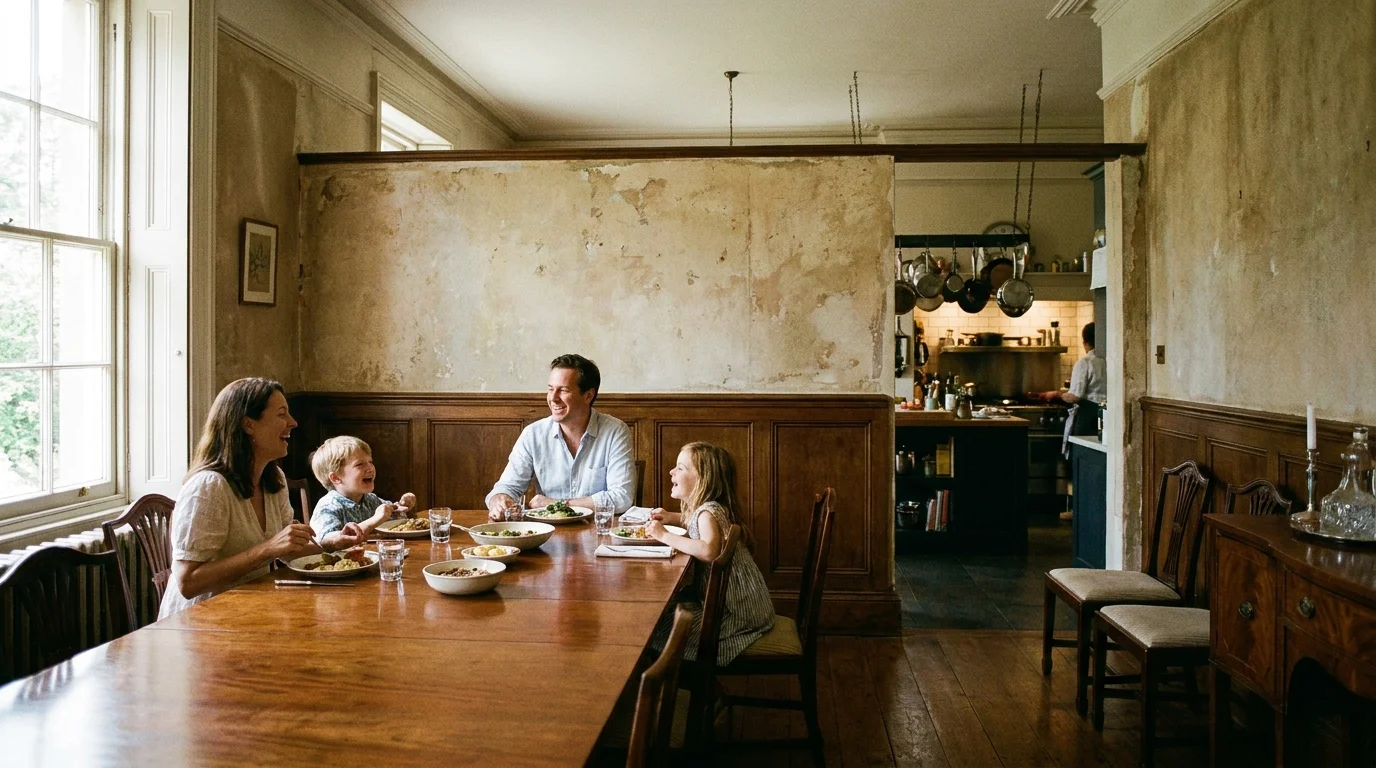
1. The Walled-Off Formal Dining Room
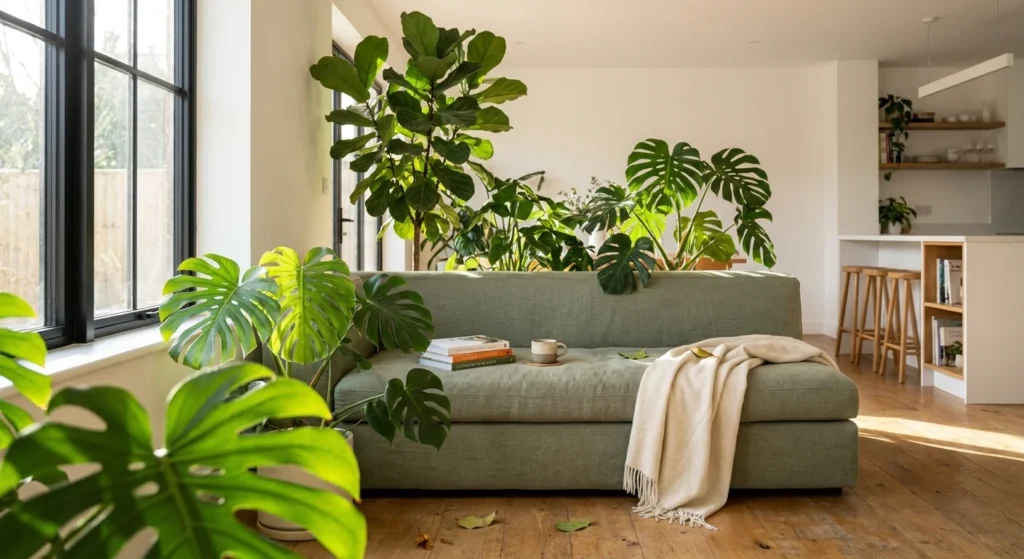
For generations, the formal dining room served as a status symbol—a pristine, closed-off space reserved strictly for Thanksgiving turkeys and Sunday roasts. Today, you rarely see new construction isolating the dining area from the rest of the home. Modern lifestyles favor continuous flow; we cook, socialize, and help kids with homework all in the same breath. Removing the walls that separate the kitchen from the dining area brings in vastly more natural light, creating an airy environment where both families and indoor houseplants can thrive.
If you own an older home with a traditional, isolated dining room gathering dust, you have excellent opportunities to reclaim that square footage. Homeowners are actively converting these underutilized spaces into functional rooms that support daily habits. Consider these popular modern conversions:
- The home office: Install glass French doors to maintain acoustic privacy while borrowing light from adjacent rooms.
- An indoor plant conservatory: If the room receives bright, indirect light, pull up the rugs, lay down water-resistant flooring, and group your tropicals together to create a stunning microclimate.
- A main-floor library: Add floor-to-ceiling built-in shelving, comfortable reading chairs, and dedicated task lighting.
- An expanded kitchen footprint: Knock down the dividing wall entirely to accommodate a massive central island with bar seating.
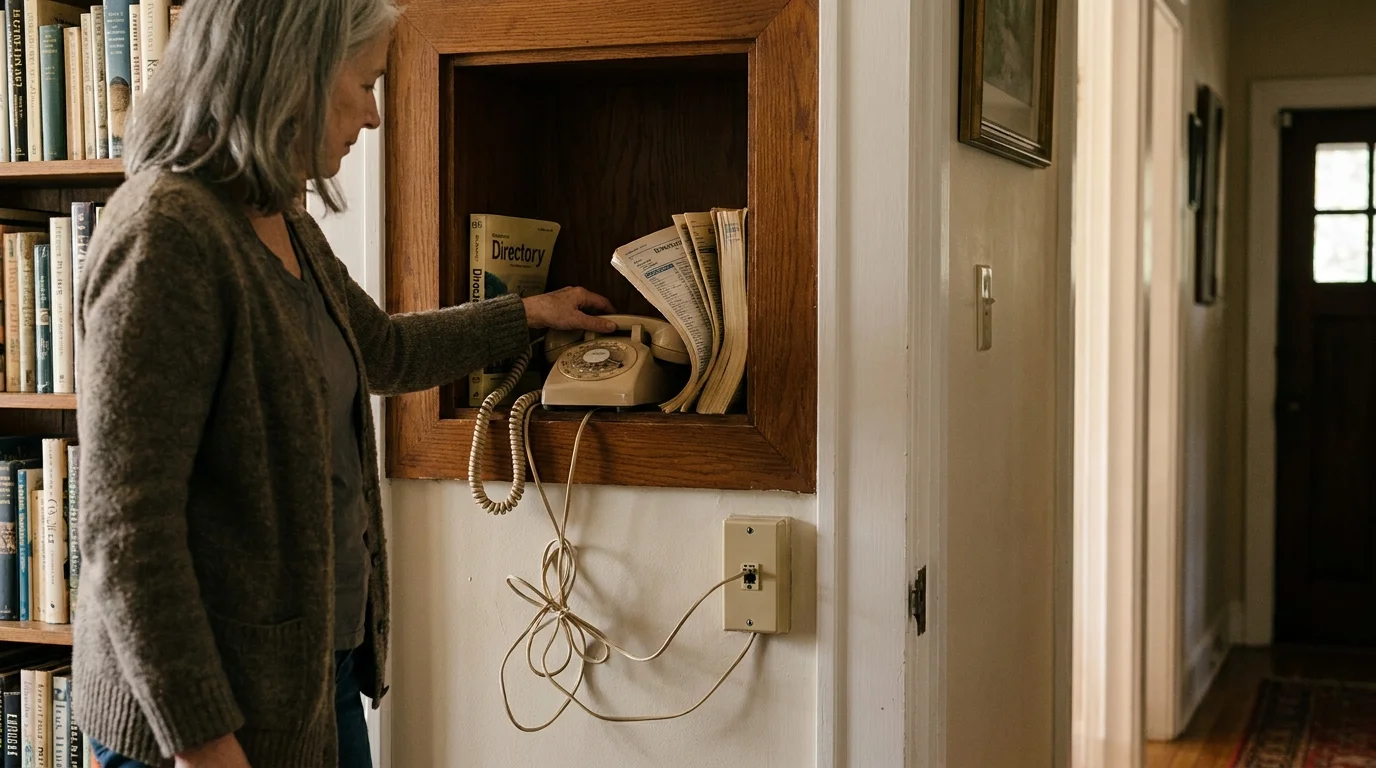
2. Dedicated Landline Niches and Phone Jacks
Walk through any home built between 1940 and 1990, and you will likely spot a small, recessed drywall niche in the hallway or a series of plastic wall plates with telephone jacks scattered across baseboards. As mobile devices achieve near-total saturation, hardwired telecommunications infrastructure has become obsolete. Builders simply do not run phone lines through residential walls anymore.
Rather than letting a hallway phone niche sit empty, you can easily repurpose it. Add a discrete electrical outlet and use the alcove as a centralized charging station for tablets and smartphones. Alternatively, cap the wiring safely behind the wall and patch the drywall for a seamless hallway finish.
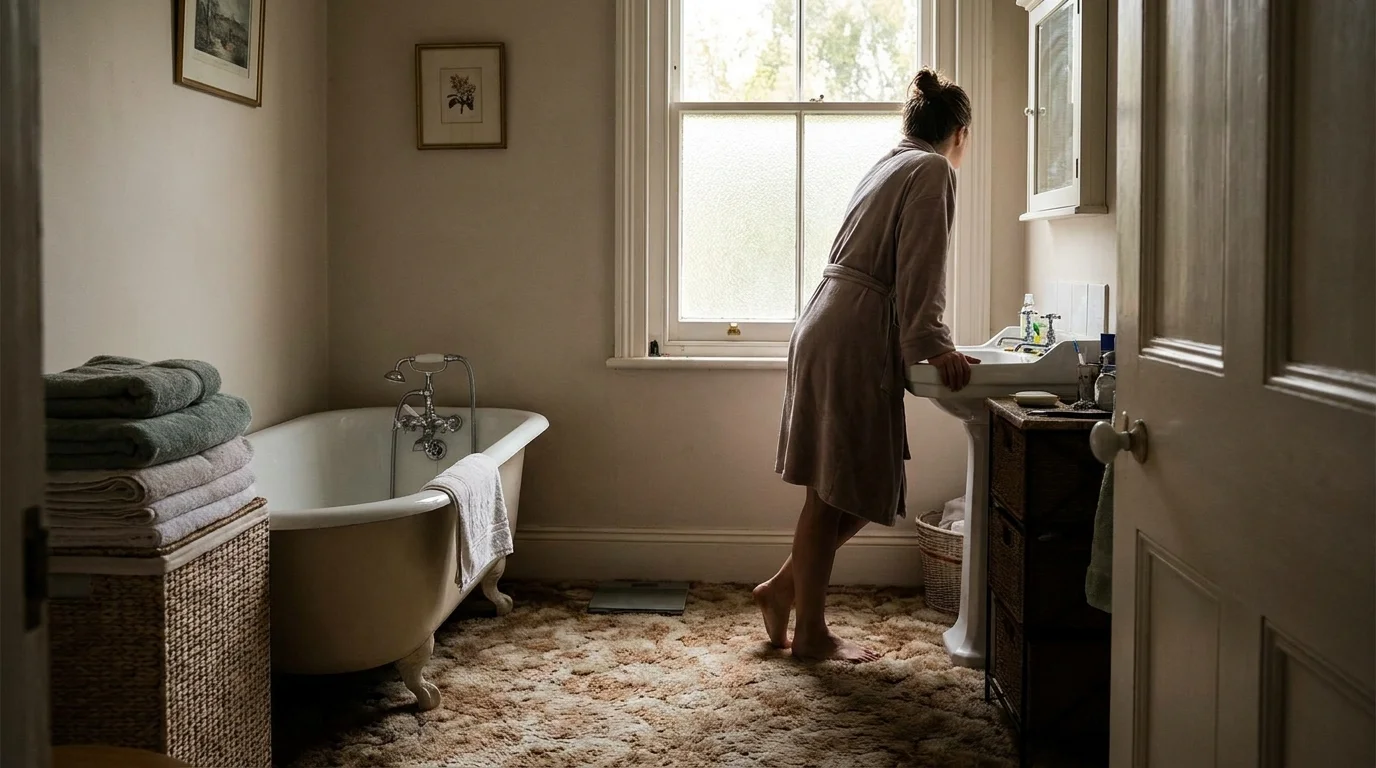
3. Carpeted Bathrooms
In the 1970s and 1980s, laying plush, wall-to-wall carpeting in a primary bathroom was viewed as the height of residential luxury. The rationale focused entirely on comfort; stepping out of the shower onto a warm floor felt superior to cold tile. Fortunately, basic hygiene and building science have prevailed, sending this trend to the graveyard.
Carpet absorbs ambient humidity, creating an ideal breeding ground for mold, mildew, and lingering odors. The moisture trapped in the padding degrades the subfloor over time, leading to expensive structural rot. Today, interior design trends exclusively favor hard, non-porous surfaces in wet rooms. If you want the warmth of carpet without the hygienic nightmare, install radiant heated flooring beneath porcelain tile or luxury vinyl plank.
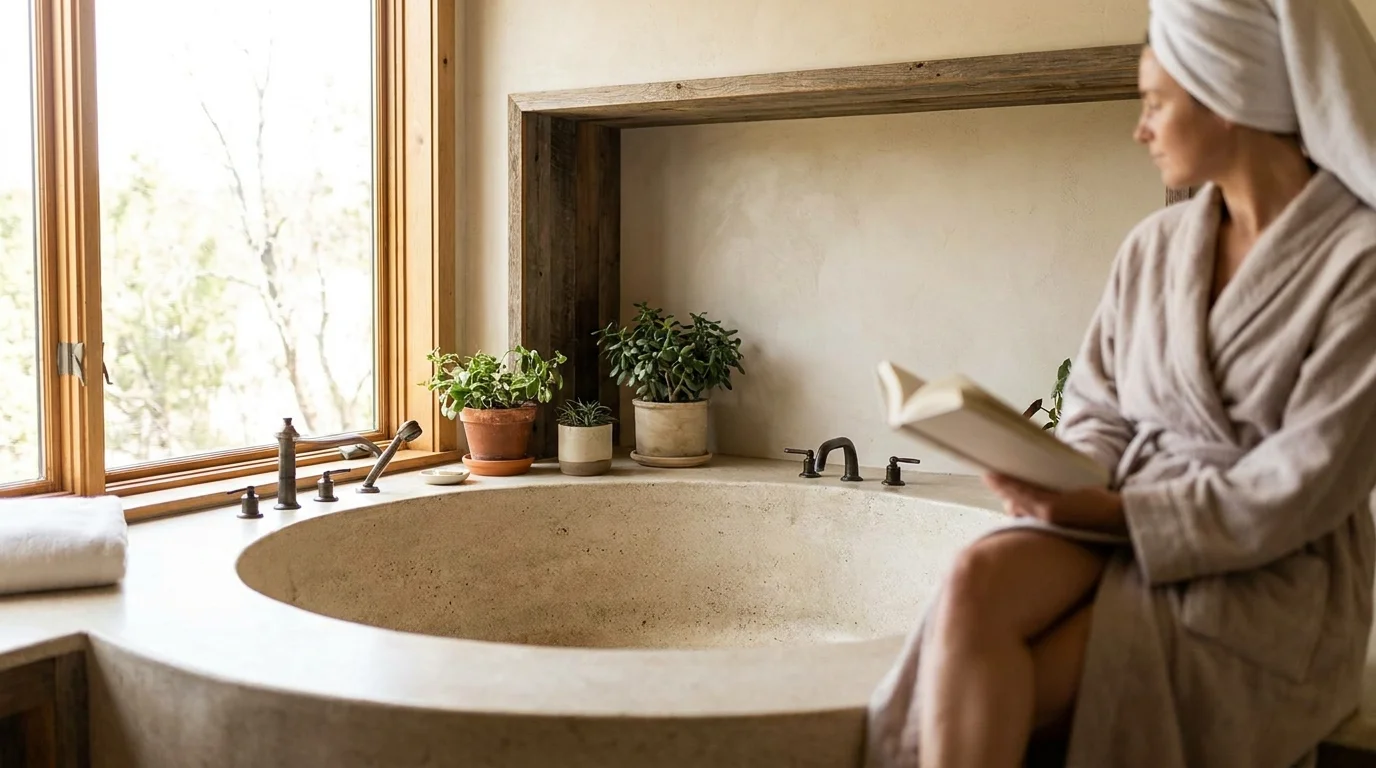
4. Massive Built-In Soaking Tubs
The gigantic, tiled-in corner bathtub complete with whirlpool jets used to be the centerpiece of every primary en-suite bathroom. However, busy homeowners quickly realized these massive basins take forever to fill, consume an immense amount of hot water, and require tedious cleaning. They often sit unused for months, acting as oversized laundry hampers.
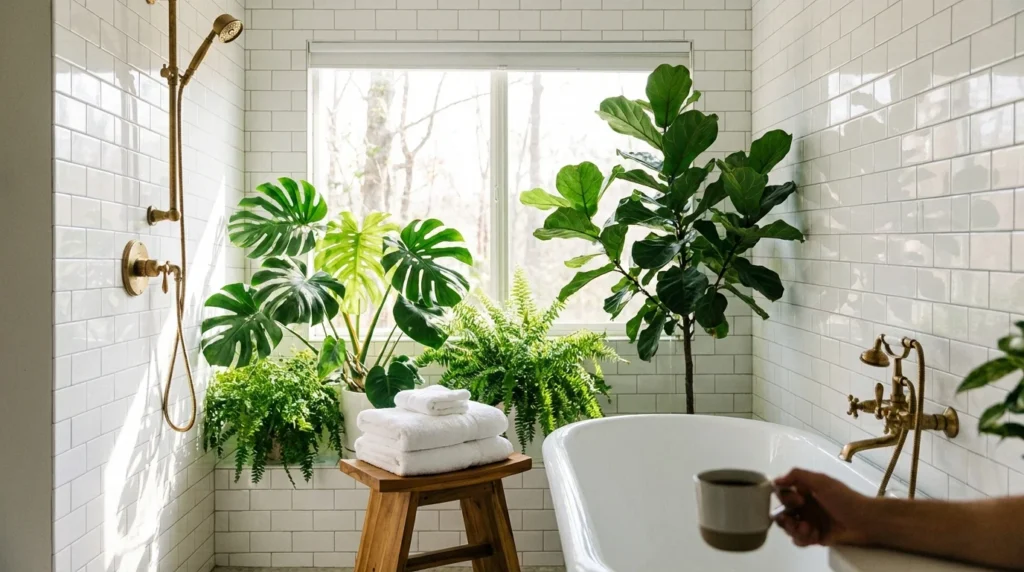
Instead of dedicating premium square footage to a massive tub, renovators are reclaiming that space to build expansive, spa-like walk-in showers. These modern showers feature seamless glass enclosures, dual showerheads, built-in benches, and zero-threshold entry points.
| Feature | Massive Soaking Tub | Luxury Walk-In Shower |
|---|---|---|
| Daily Utility | Low (Used occasionally for relaxation) | High (Used daily by multiple adults) |
| Footprint | Consumes 15 to 20 square feet | Flexible; can fit standard or expansive layouts |
| Accessibility | Poor; requires stepping over a high threshold | Excellent; zero-entry designs support aging-in-place |
| Water Usage | High (50-80 gallons per use) | Moderate (20-30 gallons for an average shower) |
5. Popcorn Ceilings
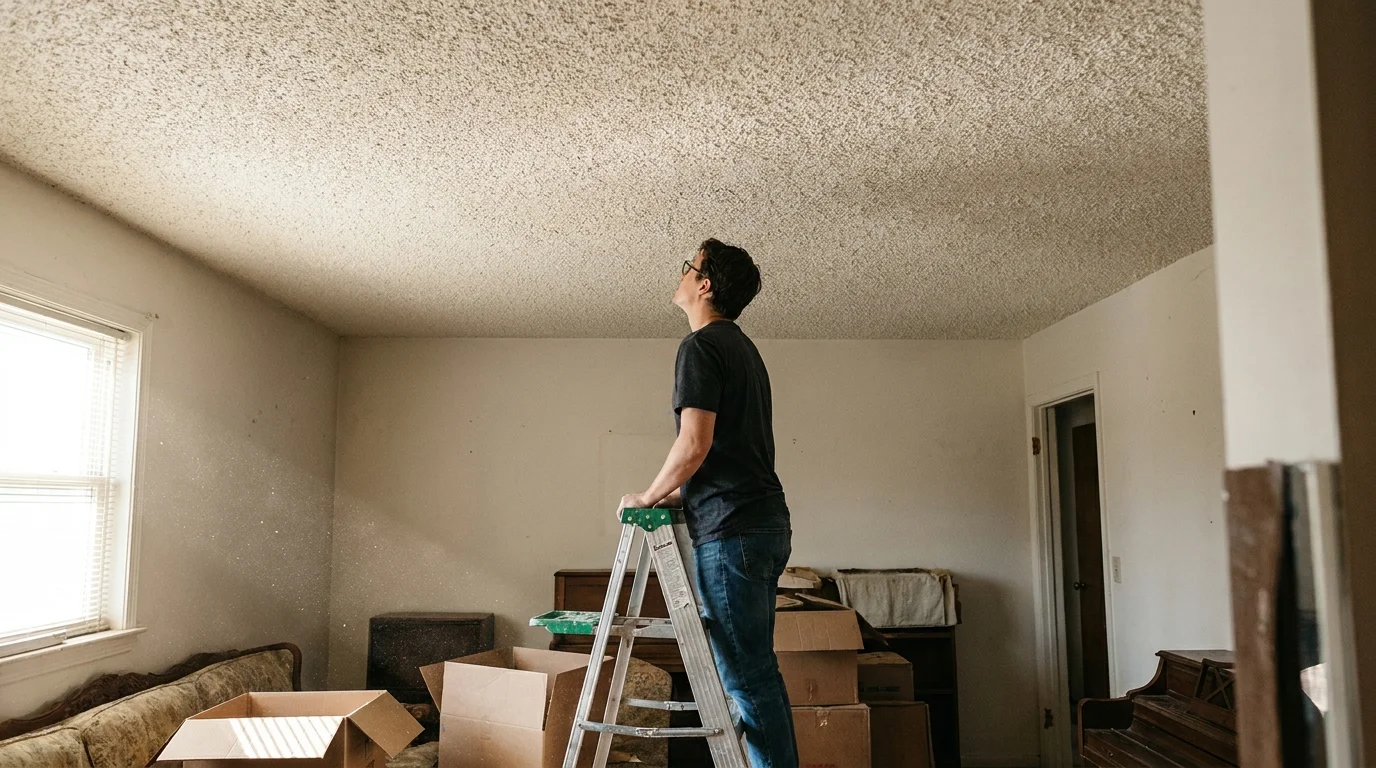
Heavily textured acoustic ceilings—colloquially known as popcorn ceilings—were the default ceiling finish in North America from the late 1950s through the 1980s. Builders loved the technique because spraying texture over drywall hid imperfections, eliminating the need for meticulous taping and sanding. The deep texture also helped dampen sound between floors.
Today, this feature is universally despised. Popcorn ceilings cast harsh shadows, making rooms feel shorter and darker. They act as magnets for dust and cobwebs, and cleaning them is nearly impossible without knocking the texture loose. Furthermore, homes built prior to 1980 frequently contain asbestos in the ceiling texture. Modern aesthetics demand smooth, flat ceilings that reflect light evenly, making spaces feel expansive and clean.
6. Traditional Wood-Burning Fireplaces
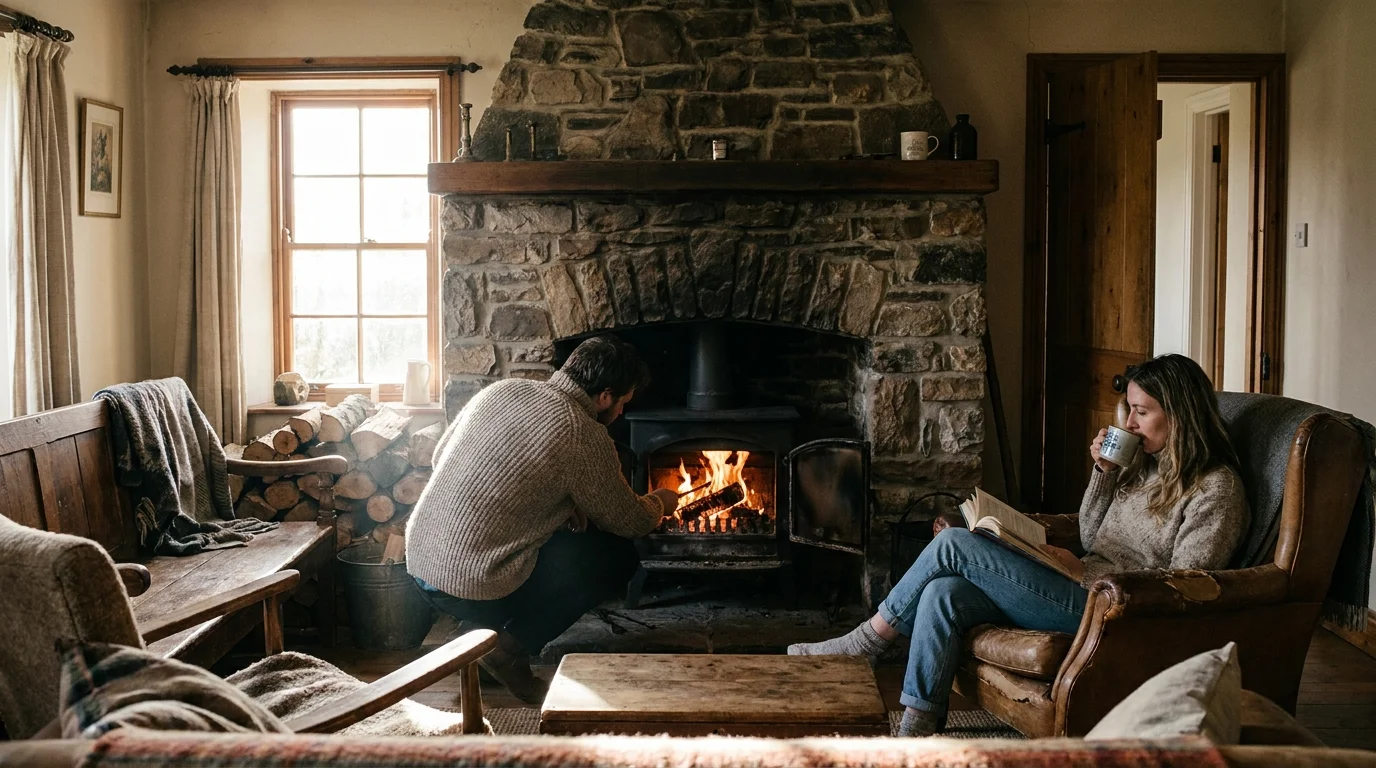
A crackling wood fire carries undeniable nostalgic charm, but the traditional masonry fireplace is rapidly vanishing from new home blueprints. From an energy standpoint, open wood fireplaces are incredibly inefficient. They pull your home’s heated air up the chimney, causing your furnace to work twice as hard to compensate for the draft.
Environmental concerns and shifting municipal regulations also drive this change. Many cities now restrict wood burning to reduce fine particulate air pollution. Homeowners are turning to direct-vent gas inserts or high-end electric fireplaces. These modern alternatives provide the visual ambiance of a fire at the flip of a switch, require zero chimney sweeping, and eliminate the need to split or store firewood. If you are upgrading your heating systems, check ENERGY STAR guidelines to select highly efficient inserts.
7. Medicine Cabinets with Razor Slits
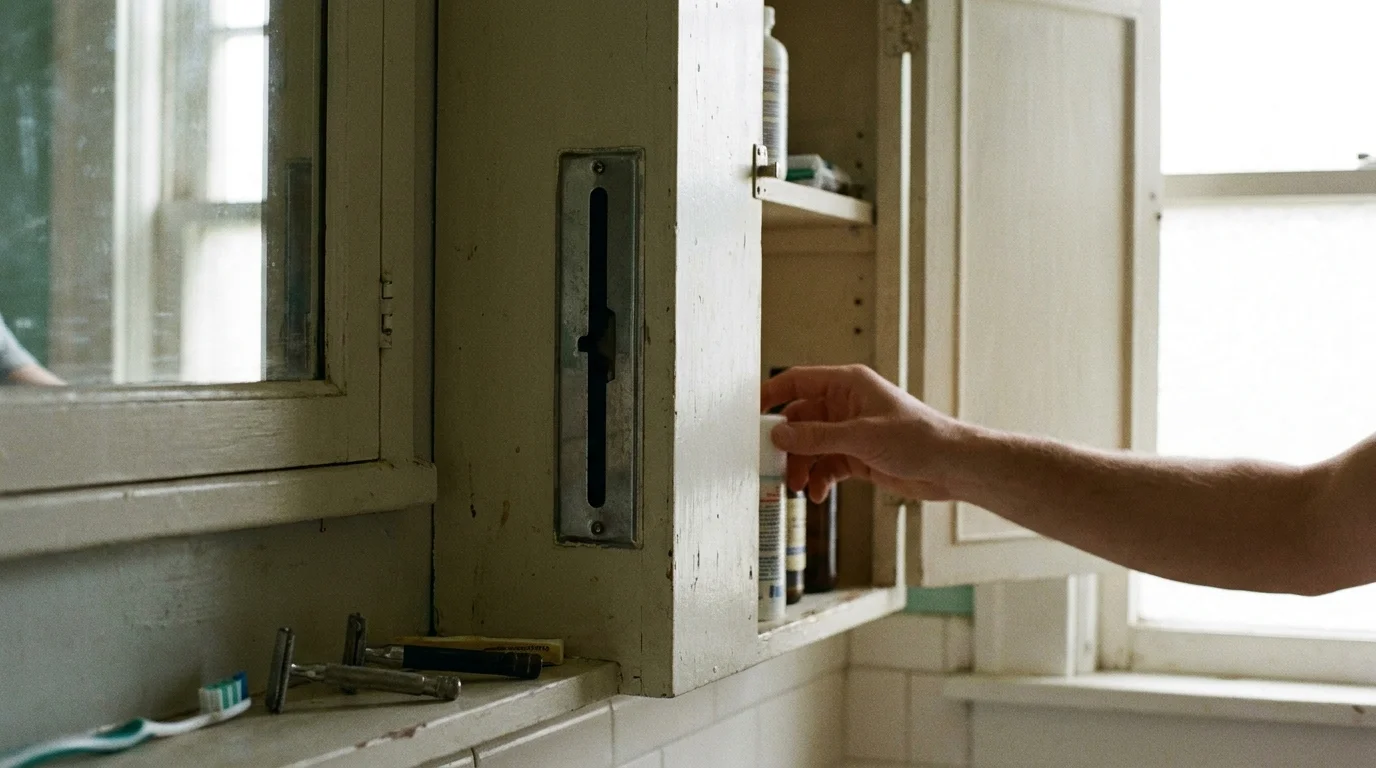
If you open the medicine cabinet in a bathroom built before 1970, you might notice a small horizontal slot stamped into the back metal panel. This feature solved a specific mid-century problem: how to safely dispose of double-edged safety razor blades. You would simply slip the used blade through the slot, letting it fall freely into the empty wall cavity between the studs.
As disposable plastic razors and electric shavers took over the market, this disposal method became obsolete. Modern renovators often discover hundreds of rusty razor blades piled behind bathroom drywall during demolition. Today, medicine cabinets focus on integrated LED lighting, defogging mirrors, and concealed electrical outlets for charging electric toothbrushes.

“While industrial compactors remain common in alleys, their smaller household counter
8. Trash Compactors
In the 1980s, the under-counter trash compactor represented the pinnacle of high-tech kitchen convenience. By crushing household garbage into dense cubes, families reduced the number of trips they took to the outside trash can. However, as environmental awareness shifted, the way we handle household waste fundamentally changed.
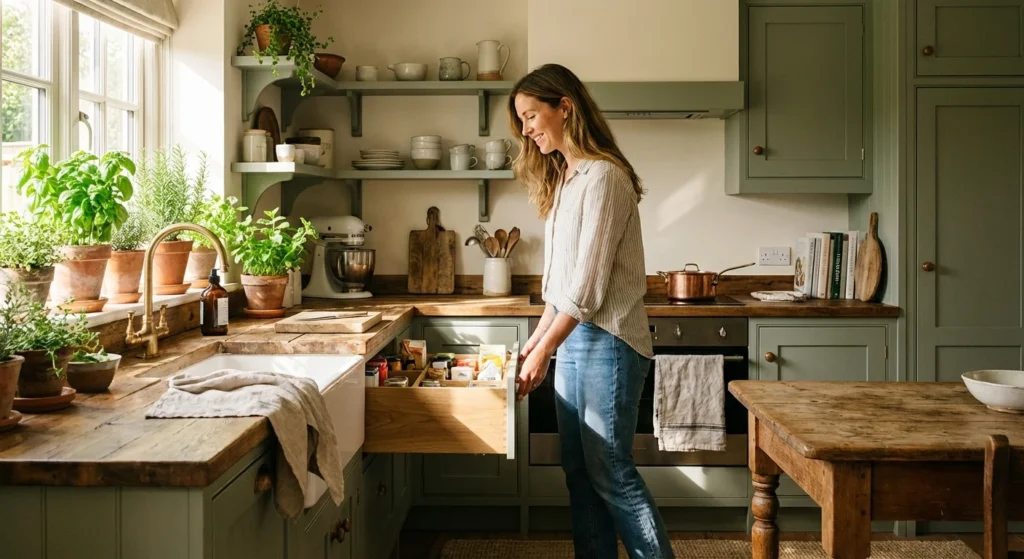
Dense, compacted blocks of mixed garbage are terrible for landfills because they decompose incredibly slowly. More importantly, the rise of municipal recycling programs and backyard composting diverted massive amounts of paper, plastic, and organic matter away from the standard trash bin. Today, homeowners prioritize integrated pull-out drawer systems that separate recycling, compost, and general waste side-by-side.
9. Incandescent-Only Light Fixtures
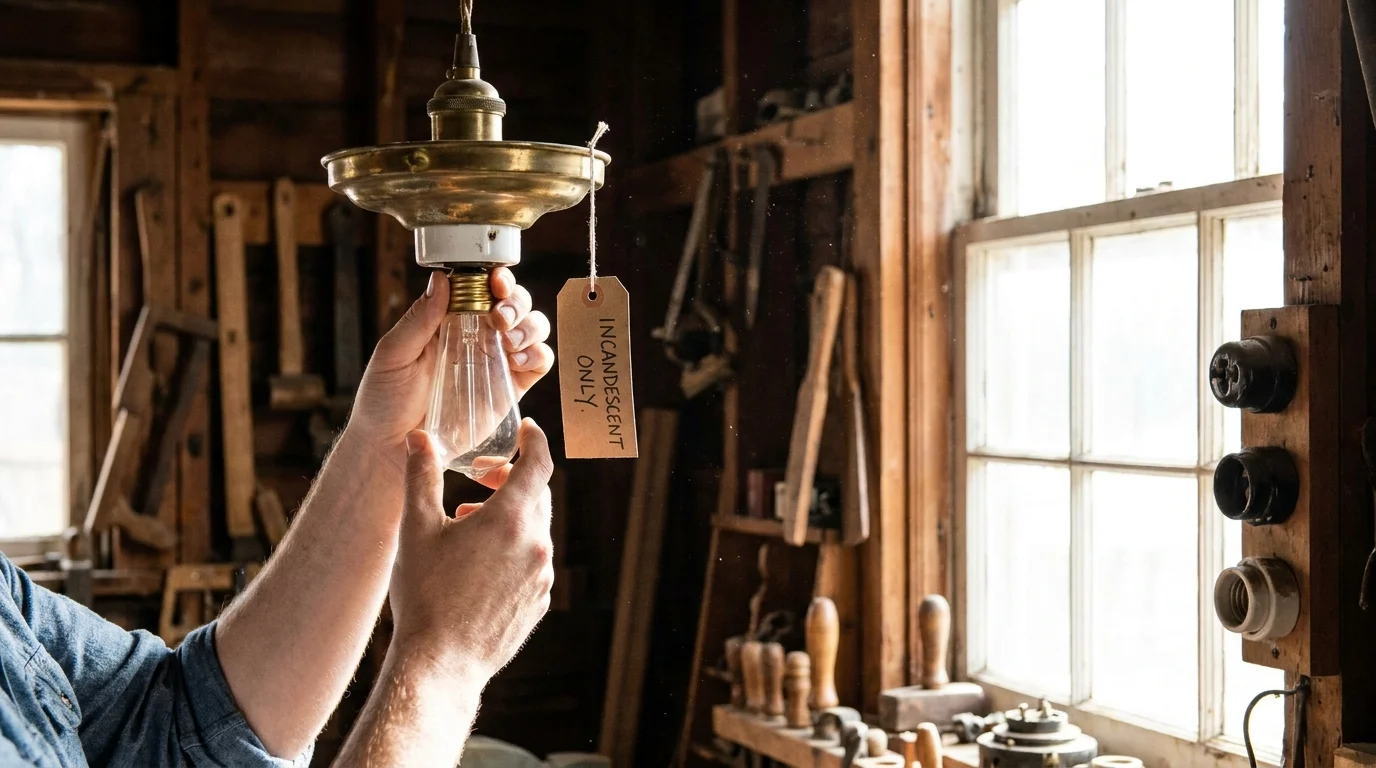
The standard Edison-style incandescent lightbulb is officially a relic. Since these bulbs lose 90% of their energy as heat rather than light, regulatory bans have systematically phased them out. As a result, the physical fixtures designed to house them are also changing.
You will see fewer bulky, domed flush-mount fixtures meant to hide large glass bulbs. Instead, builders install integrated LED fixtures. Because LED diodes are practically flat and last for decades, lighting manufacturers can design incredibly slim, sleek fixtures that blend seamlessly into ceilings or under kitchen cabinets.
“A house is not a home unless it contains plants, light, and something growing.” — Unknown
Modern lighting upgrades do more than save electricity; they dramatically alter how your home feels. Swapping outdated, warm-yellow incandescent bulbs for color-tunable LEDs allows you to mimic natural daylight indoors, keeping your living spaces vibrant and your light-loving houseplants happy year-round.
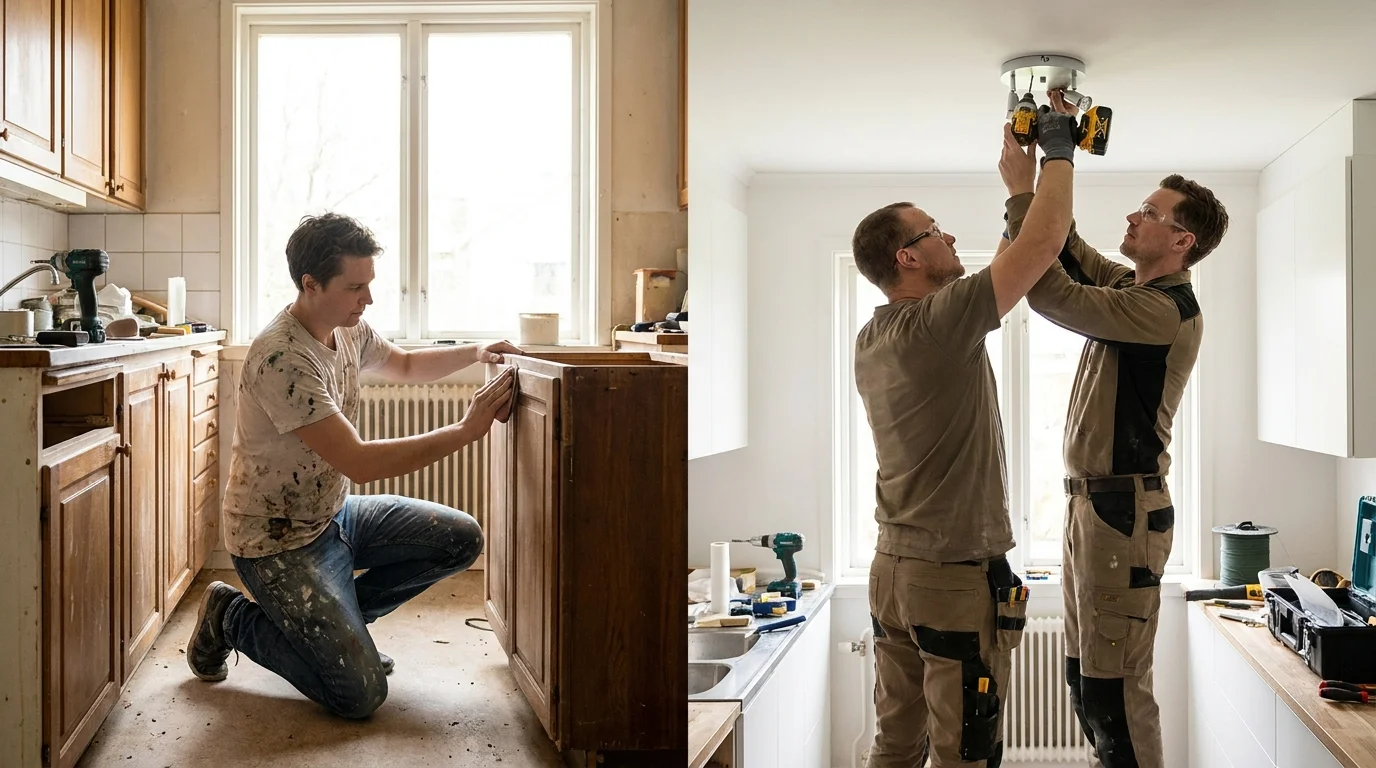
DIY vs. Hiring a Pro: Upgrading Outdated Features
Modernizing a home by removing these disappearing features dramatically improves livability, but you must approach these projects realistically. Knowing your limits prevents costly disasters and dangerous accidents.
Projects You Can Safely DIY:
- Removing built-in phone jacks: Unfasten the plate, cap the low-voltage wires with wire nuts, shove them into the wall cavity, and patch the drywall.
- Pulling up bathroom carpet: Slice the carpet into manageable strips using a utility knife. Wear a respirator mask—decades of dust and mildew hide beneath bathroom carpet padding.
- Swapping light fixtures: As long as you turn off the power at the main breaker and use a voltage tester, replacing old dome lights with flat LED panels is straightforward. For step-by-step guidance, consult resources from This Old House.
Projects That Require a Professional:
- Removing walls: Never swing a sledgehammer at a dining room or kitchen wall without consulting a structural engineer. Load-bearing walls require expensive structural beams to hold up your roof. Furthermore, walls hide plumbing stacks, HVAC ducts, and electrical mains.
- Scraping popcorn ceilings: If your home was built before 1980, you must hire a certified professional to test the ceiling for asbestos. If the test comes back positive, specialized abatement crews must perform the removal to protect your respiratory health.
- Converting a tub to a walk-in shower: Relocating the shower drain, pouring a perfectly sloped shower pan, and waterproofing the walls with membranes requires precise technical skill. A botched DIY shower pan will slowly leak, rotting out your floor joists below.
Frequently Asked Questions
Does removing my primary bathtub hurt my home’s resale value?
If your home only has one bathtub, removing it can deter buyers with young children or pets. However, if you have a secondary bathroom that retains a standard tub, real estate data shows that replacing a primary en-suite tub with a luxury walk-in shower typically increases your home’s appeal and resale value.
Should I remove the landline jacks before selling my home?
It is not strictly necessary. Most buyers ignore old phone jacks just as they ignore cable TV wall plates. However, patching the drywall creates a cleaner, more updated aesthetic that implies the home has been meticulously maintained.
Can I paint over a popcorn ceiling instead of removing it?
Yes, but you must tread carefully. If the ceiling has never been painted, applying water-based latex paint with a roller will instantly dissolve the acoustic texture, causing wet clumps to fall on your head. You must use an oil-based primer applied with a paint sprayer to seal the texture before rolling on your topcoat.
Moving Your Home Forward
Recognizing these disappearing household features gives you a sharp advantage when prioritizing your home improvement budget. If you find yourself holding onto a space—like a formal dining room or a massive soaking tub—strictly out of tradition rather than actual utility, give yourself permission to make a change. Homes are meant to be lived in, not preserved as museums of past decades. Take a walk through your main living areas today, identify one outdated feature that frustrates you, and start sketching out a plan to modernize it.
This article is for informational purposes. Individual results vary based on region, light levels, and care consistency. Verify current guidance with local extension services before using pesticides or herbicides.
Last updated: February 2026. Plant care guidance reflects current horticultural best practices—always observe your specific plant’s signals.