A rhythmic drip from the bathroom faucet or a toilet that randomly runs in the night might seem like minor background noise, but these annoyances act as an open valve on your bank account. Ignoring early warning signs transforms inexpensive, ten-minute fixes into catastrophic water damage and massive repair bills. Catching leaks, clogs, and pressure changes early saves you thousands of dollars while protecting your home’s structural integrity. By understanding the common plumbing issues homeowners face, you can spot the subtle clues your pipes give off before a minor drip escalates into a flooded basement. Grab a flashlight; it is time to evaluate your fixtures and safeguard your property from preventable disasters.
1. The Relentless Dripping Faucet
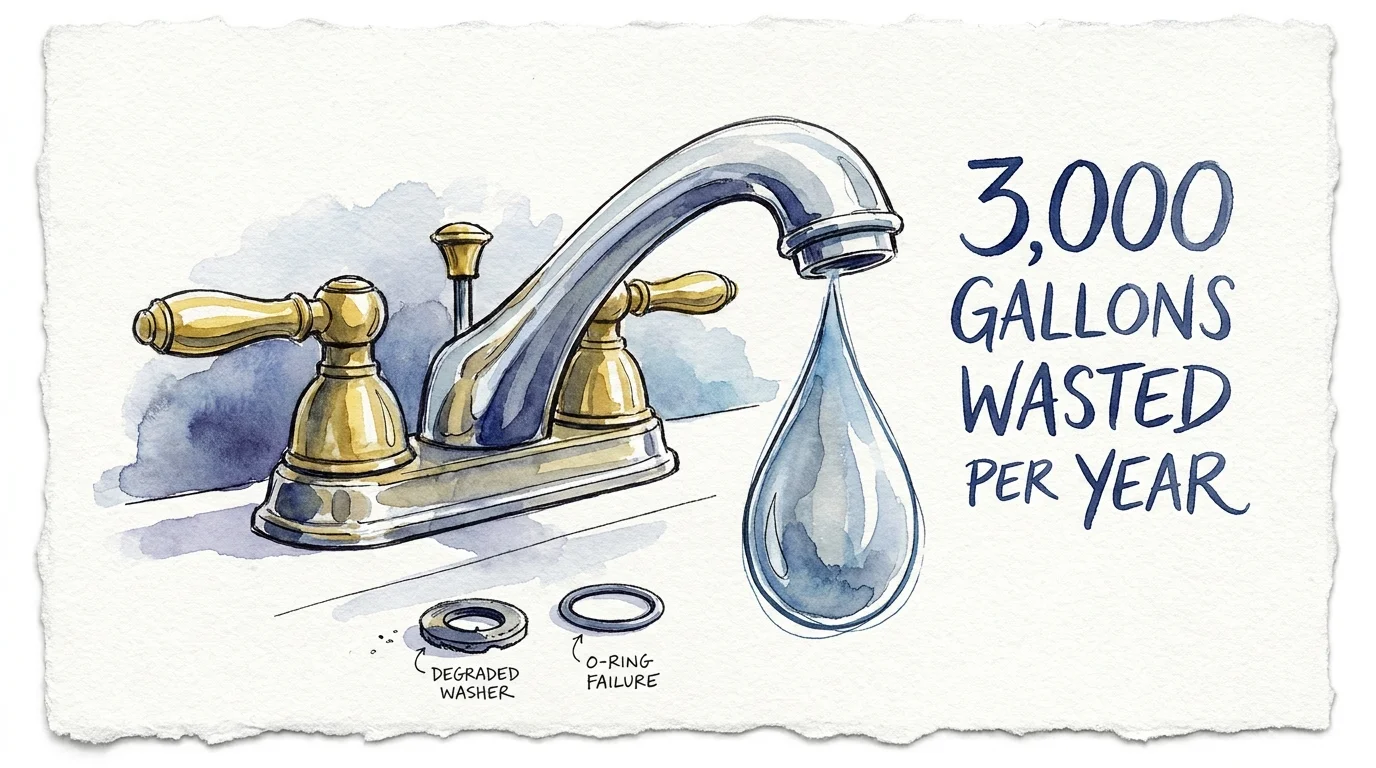
Many homeowners tolerate a dripping sink or bathtub spout for months, assuming it is merely a cosmetic annoyance. However, a fixture that drips just once per second wastes over 3,000 gallons of water per year. Aside from artificially inflating your monthly utility bill, a persistent drip indicates that internal components—such as O-rings, silicone cartridges, or rubber washers—have deteriorated.
When you leave a dripping faucet untreated, the constant friction of water forces its way through the brass or plastic housing of the valve seat. Over time, the water erodes the fixture itself. What started as a simple two-dollar washer replacement quickly morphs into the need for an entirely new faucet body. Address drips the moment you notice them by turning off the local water supply valves under the sink and disassembling the handle to inspect the internal cartridge.
2. The Deceptively Slow Drain
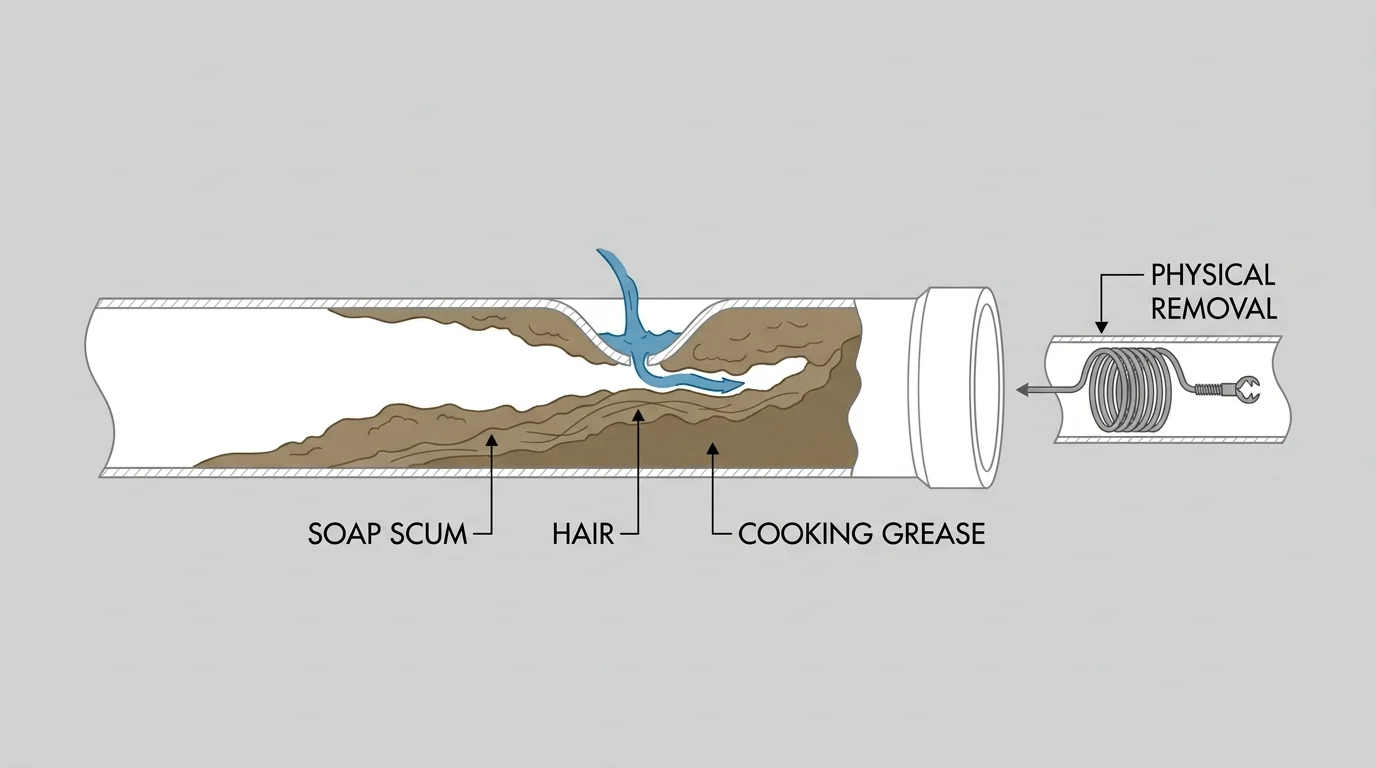
Water pooling around your ankles during a shower or a kitchen sink that takes ten minutes to empty are classic symptoms of a developing blockage. Hair, soap scum, cooking grease, and food particles gradually coat the interior walls of your drain pipes, shrinking the diameter until water can no longer pass through.
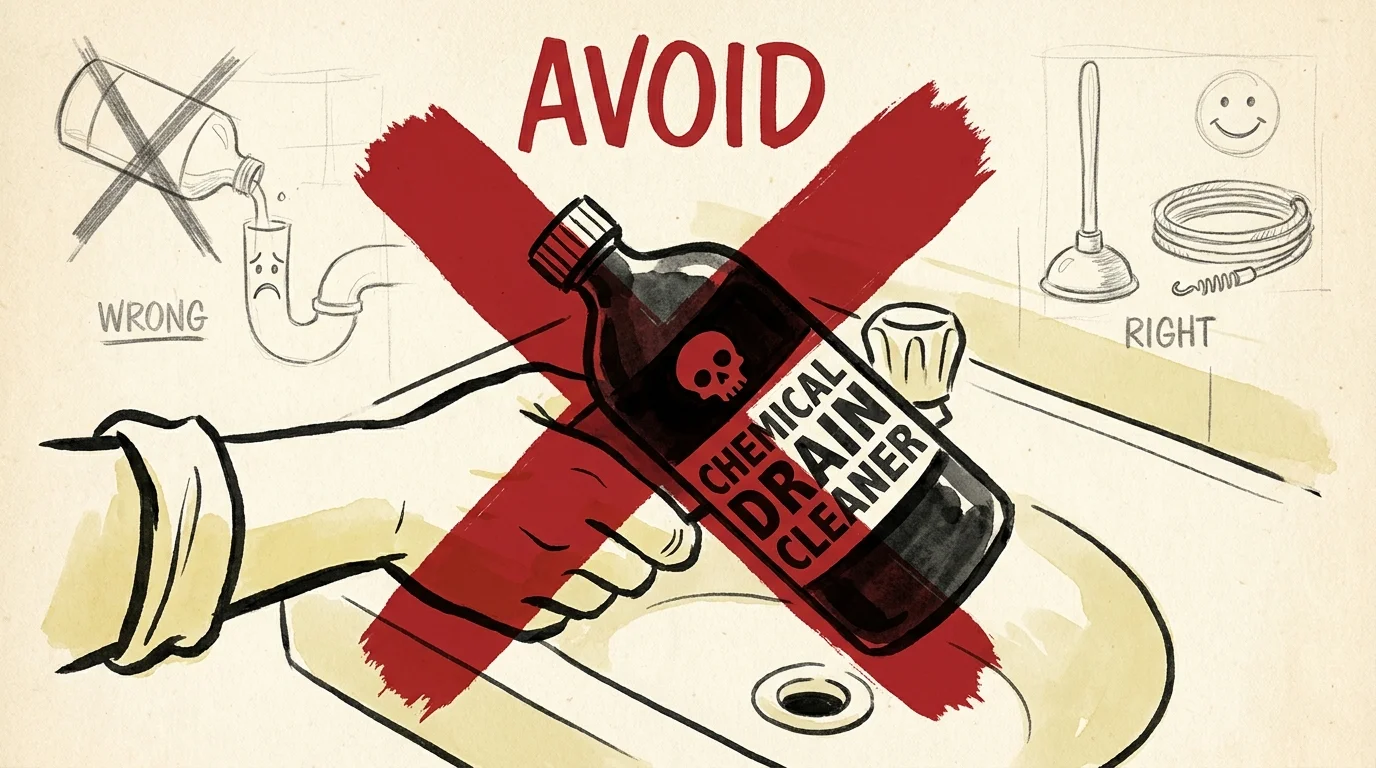
The standard homeowner response is to pour a bottle of caustic liquid drain cleaner down the pipes. This approach creates compounding problems. Chemical cleaners rely on extreme heat to melt clogs, which can warp PVC pipes and corrode older metal plumbing. For safe and effective drain maintenance, rely on a physical drain snake or a plunger to remove the blockage. For excellent step-by-step guidance on clearing localized blockages without damaging your pipes, consult the home repair resources at Bob Vila.
3. The Phantom Running Toilet
If you hear your toilet tank refilling when no one has flushed it, you are experiencing a phantom flush. This happens when water slowly leaks from the tank into the bowl, prompting the fill valve to turn on and replenish the lost water. Because the water escapes down the drain rather than onto the floor, these ignored plumbing problems expensive water bills create remain largely out of sight.
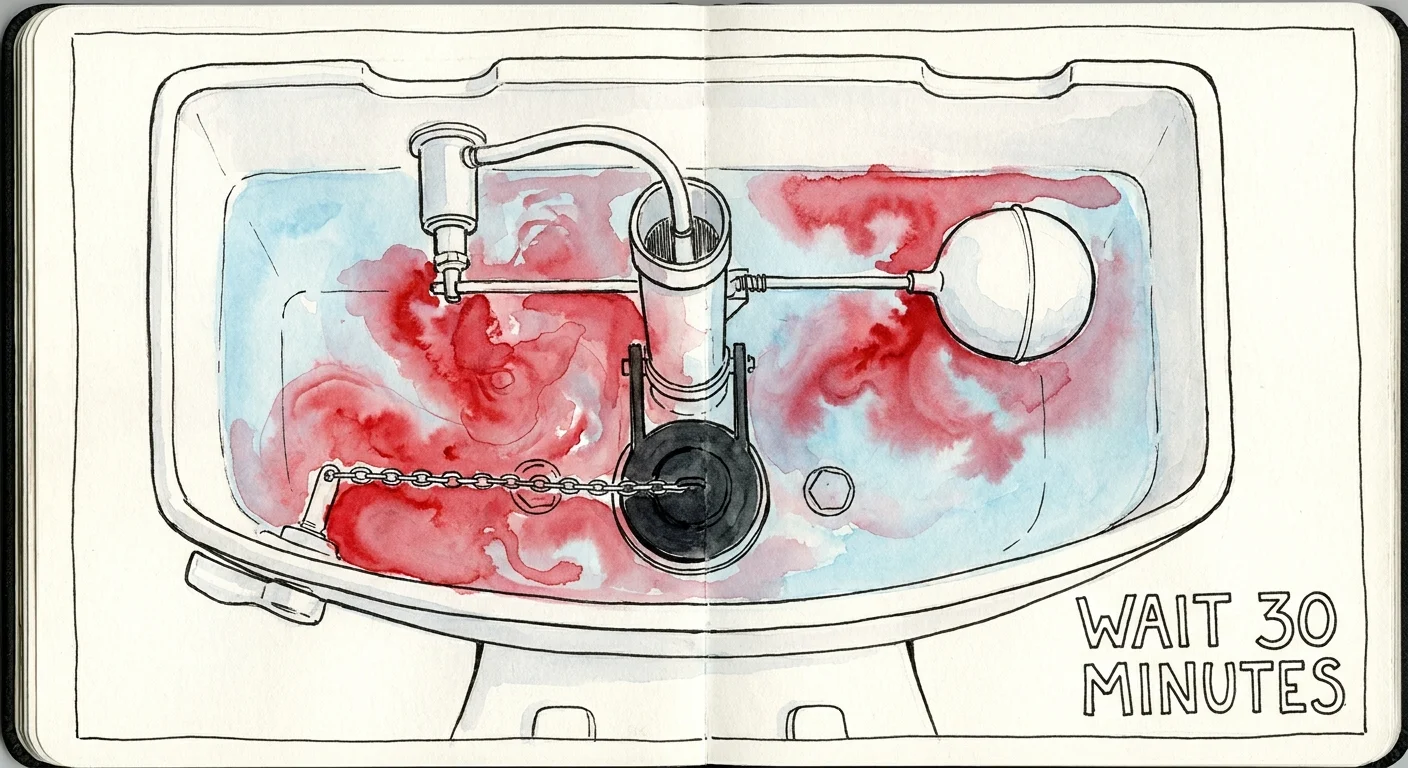
The culprit is almost always a warped, mineral-encrusted, or deteriorating rubber flapper at the bottom of the tank. Test your toilet today using this simple method:
- Remove the lid from your toilet tank.
- Drop four to five drops of red or blue food coloring into the tank water.
- Do not flush the toilet. Wait thirty minutes.
- Check the toilet bowl. If the water in the bowl has changed color, you have a leak.
Replacing a toilet flapper takes five minutes and requires no specialized tools, saving you a small fortune in municipal water fees.
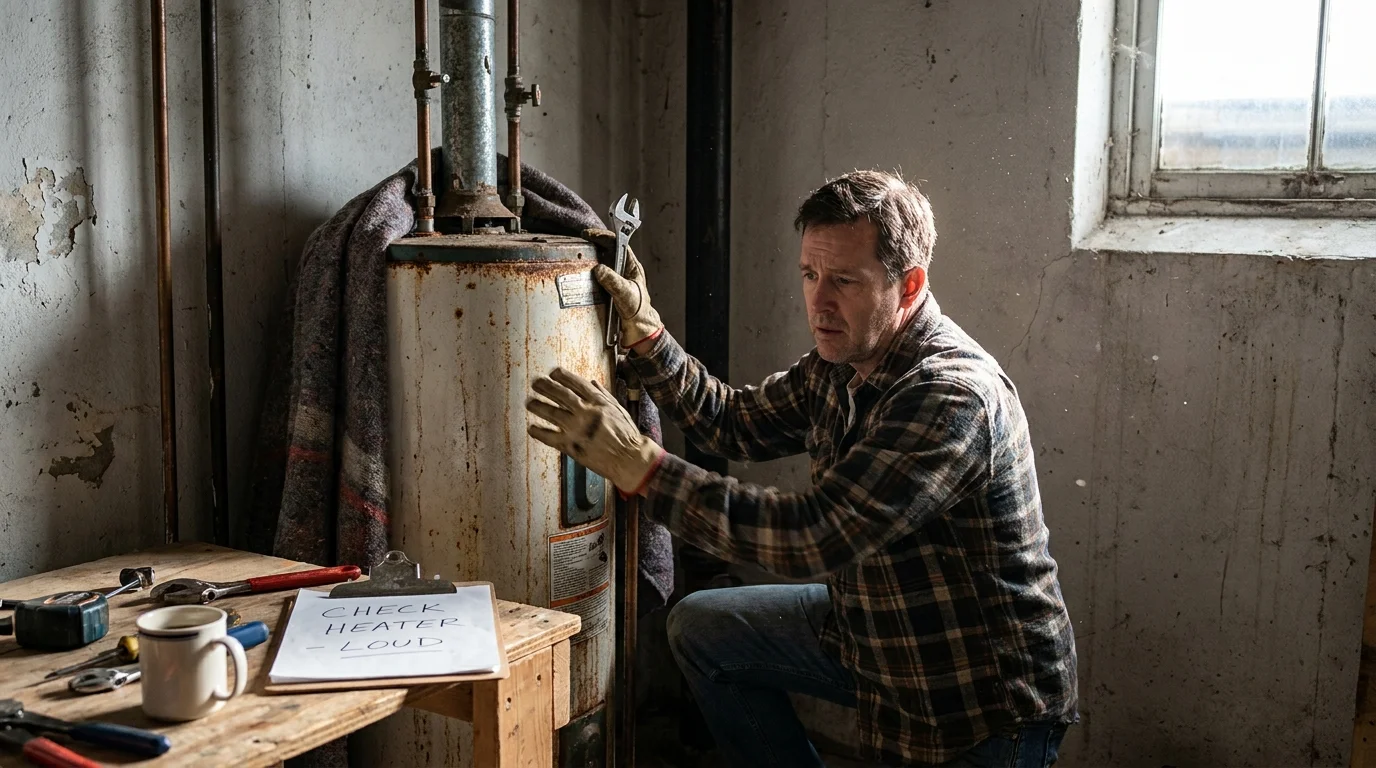
4. The Rumbling Water Heater
Water heaters often sit in basements or utility closets, quietly doing their job until they fail spectacularly. If your water heater sounds like a percolating coffee pot or makes low rumbling noises, sediment has collected at the bottom of the tank. In areas with hard water, calcium and magnesium precipitate out of the water when heated, forming a hard crust over the heating elements.
The rumbling noise occurs when water becomes trapped under the sediment layer, boils, and bubbles up through the debris. This forces your water heater to work twice as hard to heat the water, driving up your energy costs and drastically shortening the lifespan of the appliance. Flush your water heater annually to remove this buildup. If your unit is over a decade old and consistently struggling, consider upgrading to a high-efficiency model recognized by ENERGY STAR to reduce long-term operational costs.
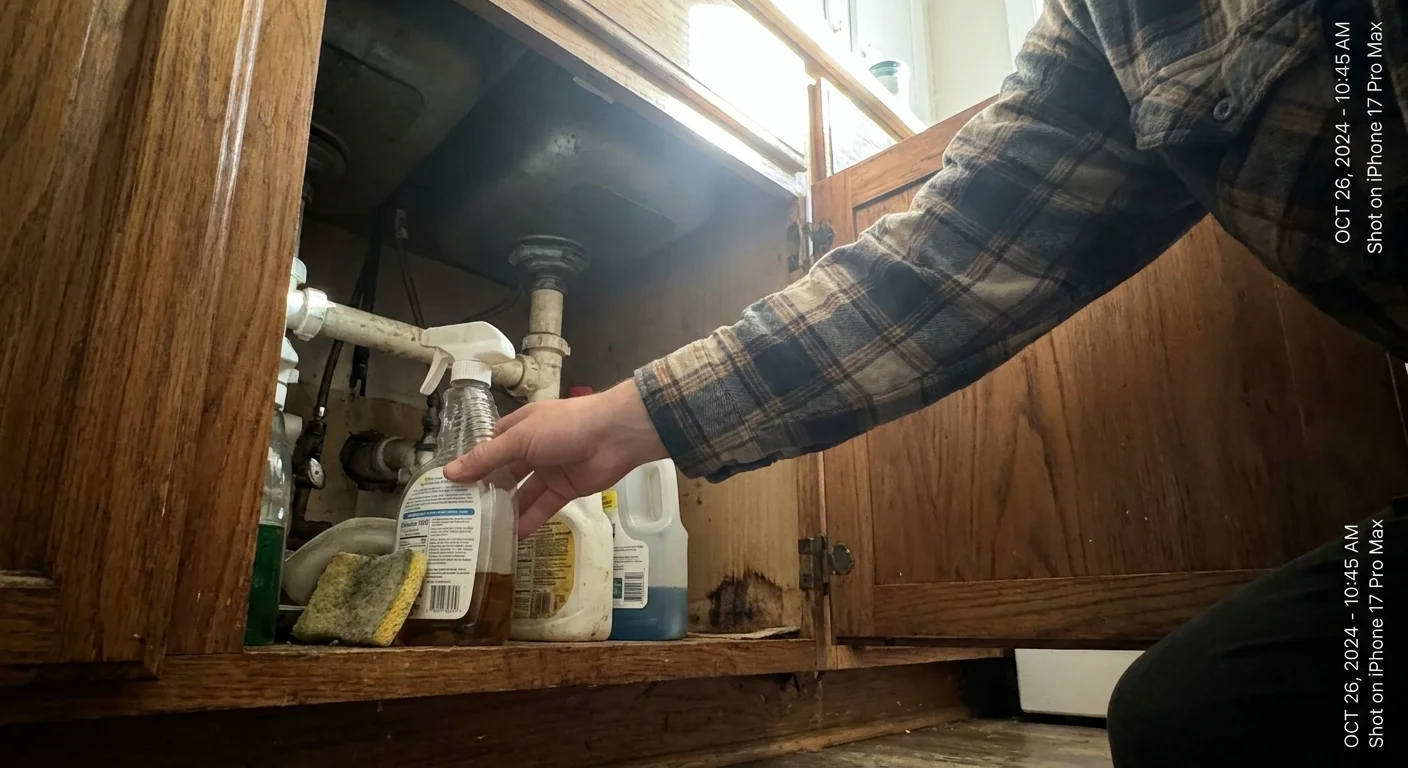
5. The Musty Smell Under Cabinets
Your nose is often the first tool to detect hidden moisture. A persistent earthy or musty odor in your kitchen, bathroom, or laundry room usually points to a pinhole leak in a supply line or a loose slip-joint on a P-trap. These are some of the most common plumbing issues homeowners face, precisely because the dampness occurs in dark, unventilated spaces.
Even a microscopic spray from a loose fitting will soak into the porous particleboard of your cabinetry and the drywall behind it. Within just 48 hours, this moisture breeds black mold and triggers structural rot. Empty out your under-sink cabinets twice a year to inspect the pipes. Run your hands along the bottom of the P-trap and the water supply hoses; they should be bone dry.
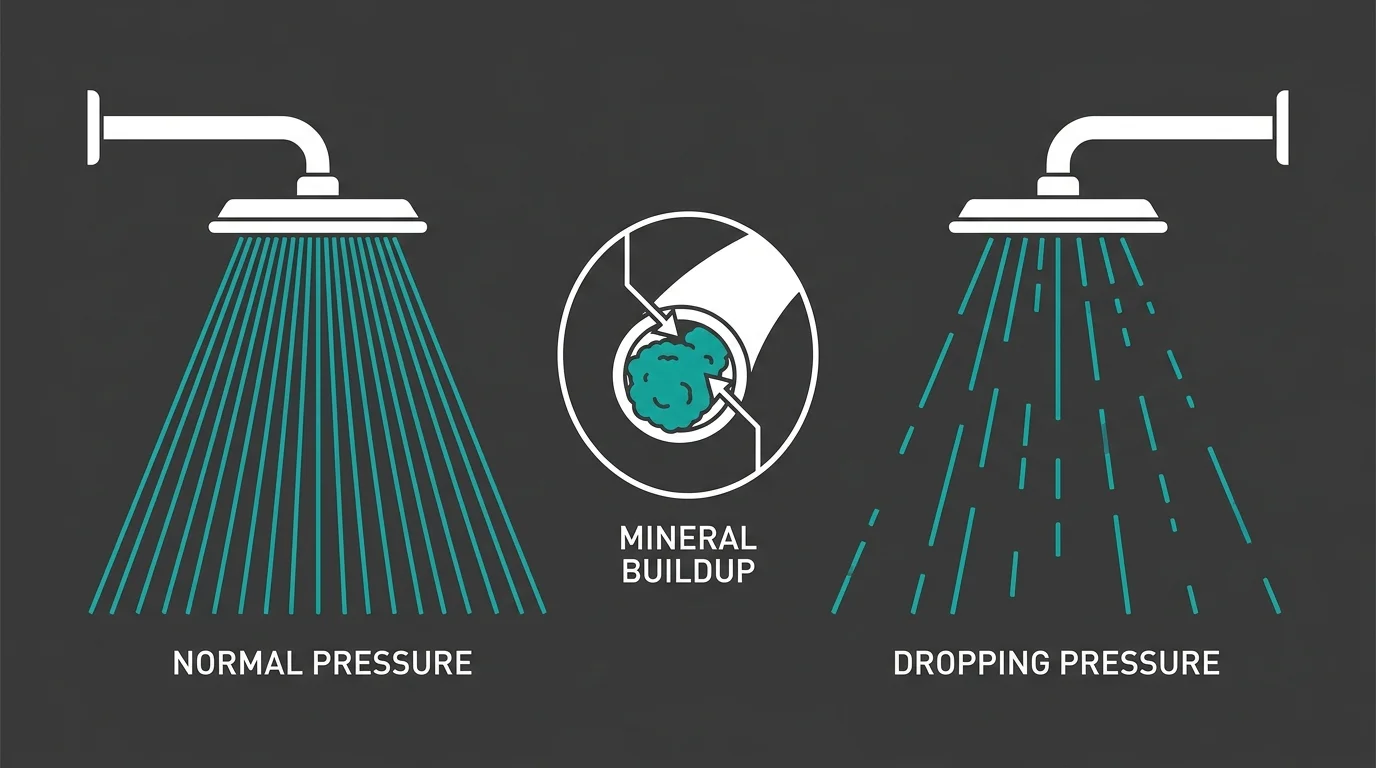
6. Inconsistent or Dropping Water Pressure
If your shower suddenly lacks its usual force or your kitchen faucet takes forever to fill a pot, do not assume it is a municipal issue. A sudden drop in water pressure localized to a single fixture usually means the aerator is clogged with scale or loose sediment. Unscrewing the aerator and soaking it in white vinegar will restore the flow.
However, if the pressure drop affects the entire house, the problem is much more severe. It could signify a failing pressure reducing valve (PRV) near your water meter or, worse, a massive hidden leak in your main water line underground. Turn off all fixtures in your house and monitor your water meter; if the dial is spinning, you are losing water and need an immediate professional inspection.
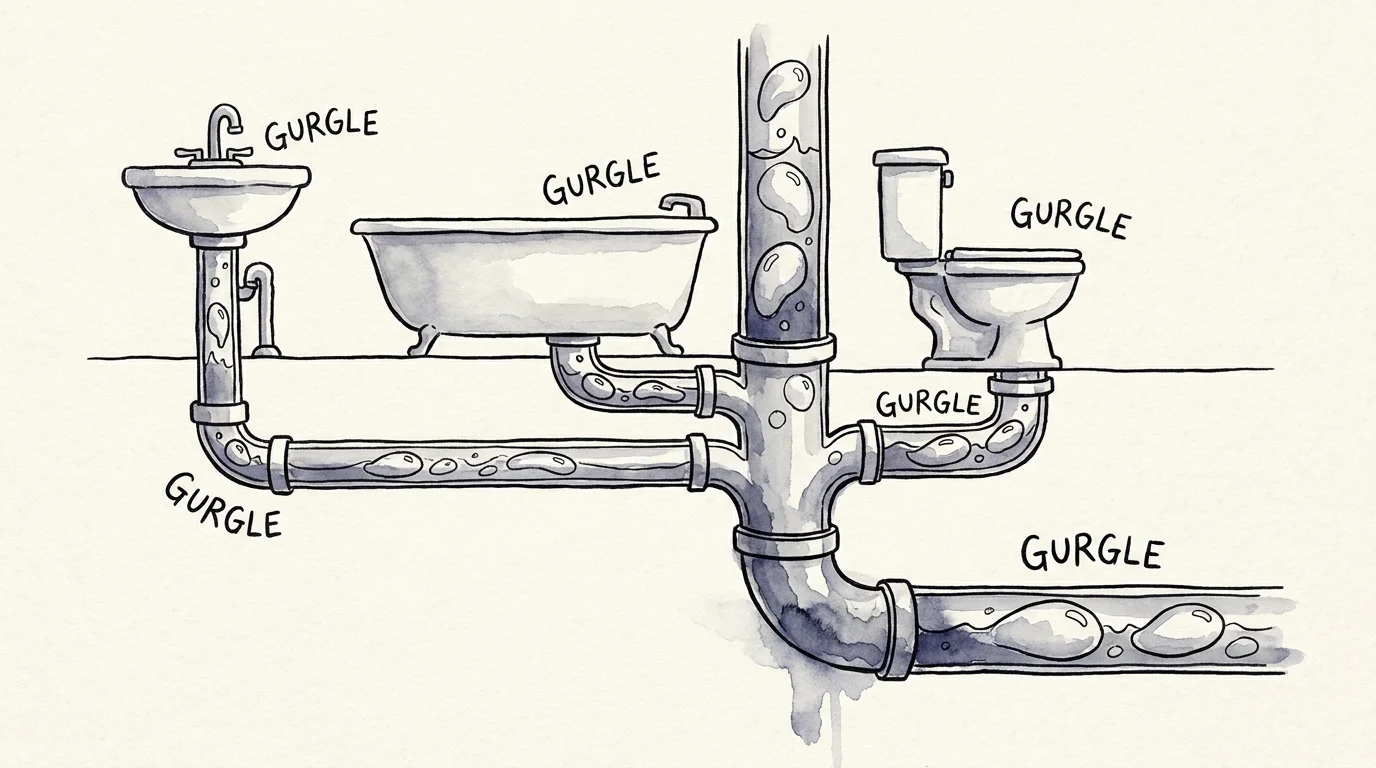
7. Gurgling Sounds From Multiple Drains
When you drain the bathtub and the nearby toilet gurgles, or when running the washing machine causes the kitchen sink to bubble, your plumbing system is gasping for air. These pneumatic disturbances occur when plumbing problems left too long escalate into full-scale blockages in your main sewer line or your roof vent stack.
Tree roots are notorious for infiltrating main sewer lines, seeking out the nutrient-rich moisture inside. Once roots breach the pipe, they form a dense net that catches paper and waste, eventually causing raw sewage to back up into your lowest drains. If multiple fixtures are acting strangely or bubbling simultaneously, bypass the plunger and call a professional to scope your main line with a camera.
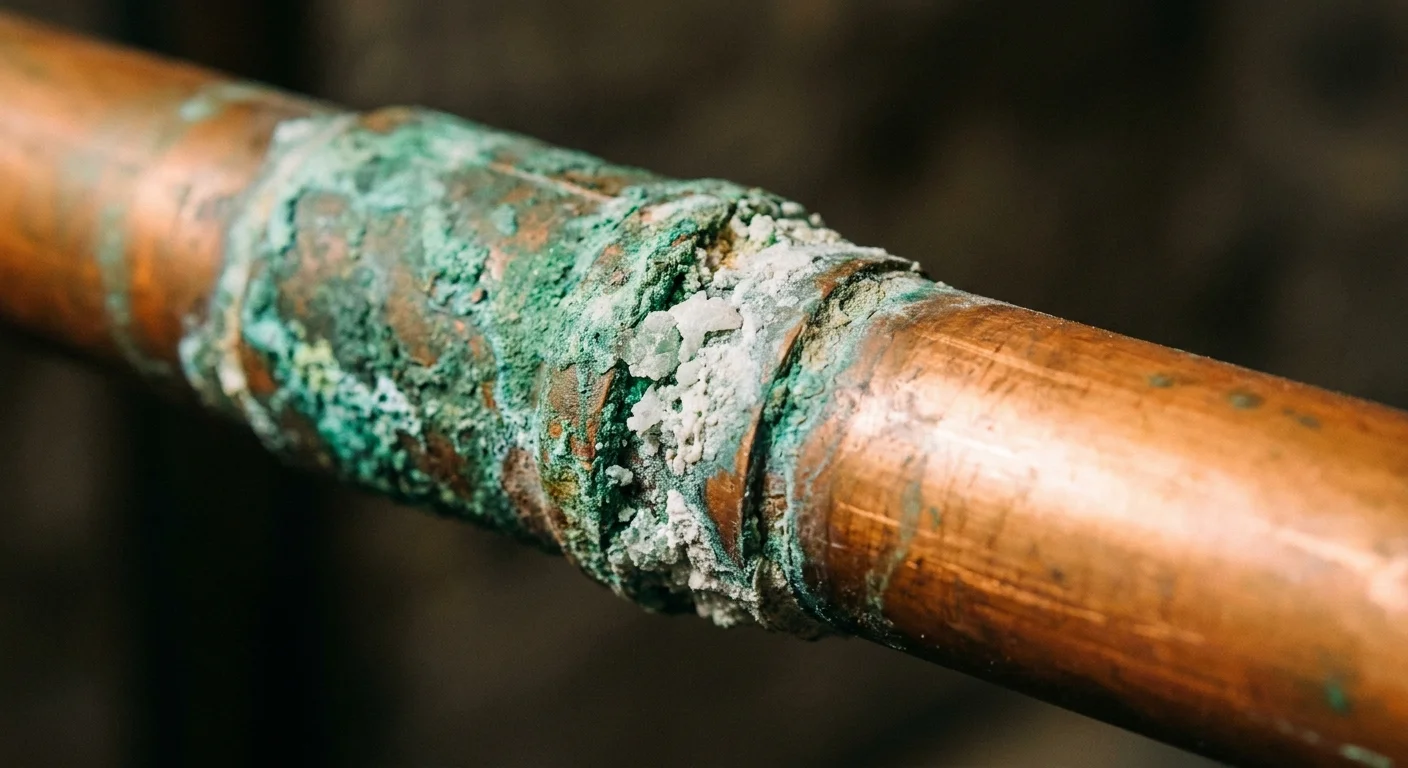
8. Visible Pipe Corrosion or Discoloration
Take a walk through your unfinished basement or utility room and inspect any exposed pipes. Copper pipes should feature a relatively uniform metallic sheen. If you spot chalky green or white oxidation on the copper joints, a tiny leak is occurring, and the metal is reacting to the escaping minerals.
If your home still relies on older galvanized steel pipes, look for rust-colored blisters or flaking metal. Galvanized pipes corrode from the inside out, meaning that by the time you see rust on the exterior, the pipe walls are dangerously thin. Such homeowner plumbing neglect expensive bursts often require total pipe replacement and extensive drywall repair.
“A garden is a grand teacher. It teaches patience and careful watchfulness; it teaches industry and thrift.” — Gertrude Jekyll
Just as a thriving garden requires attentive observation to catch pests before they destroy a crop, maintaining a healthy home requires that same careful watchfulness. Catching a corroded pipe today is an act of thrift that preserves your home’s value tomorrow.
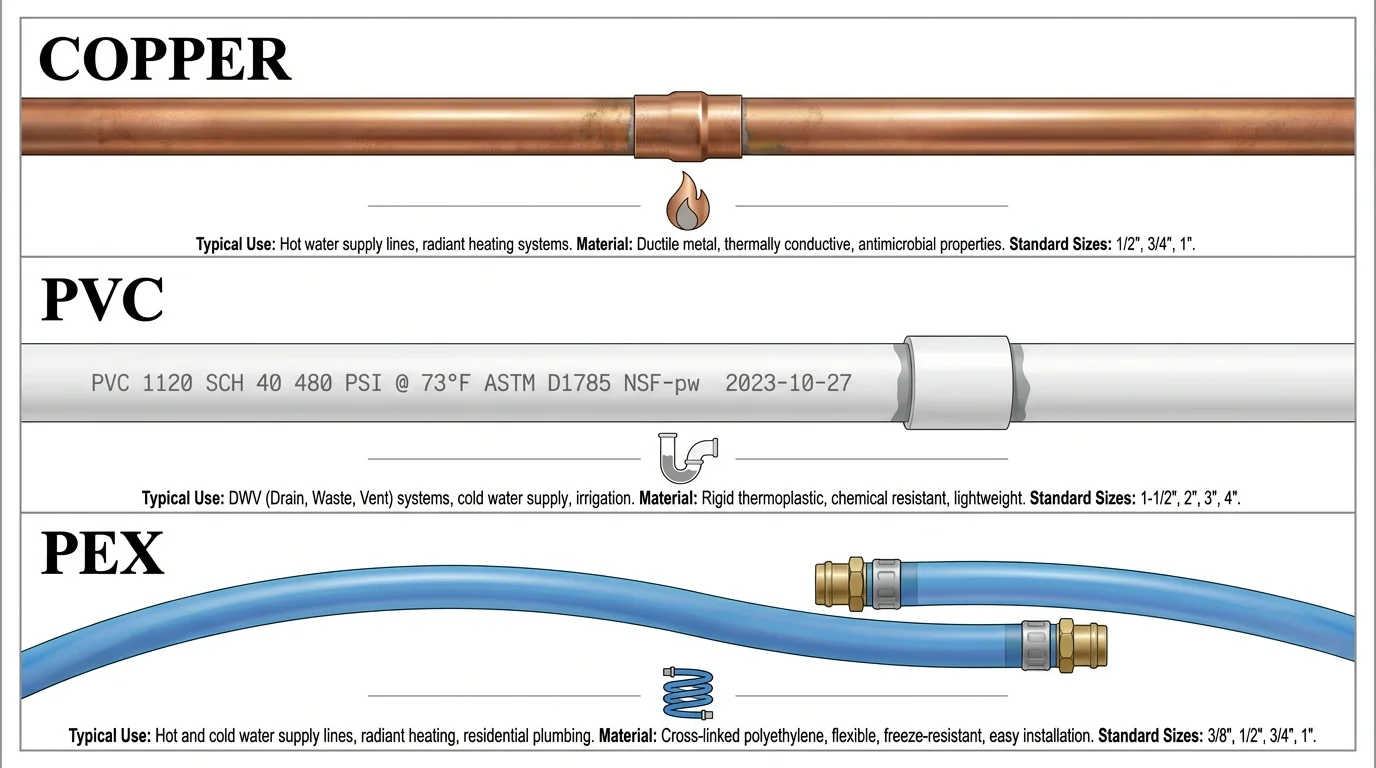
Understanding Your Home’s Plumbing Materials
Different materials present different warning signs. Use this reference table to understand what is hiding behind your walls:
| Pipe Material | Common Usage | Average Lifespan | Failure Warning Signs |
|---|---|---|---|
| Copper | Water supply lines | 50+ years | Green oxidation crust at joints, pinhole leaks, metallic tasting water. |
| Galvanized Steel | Older homes (pre-1960) supply lines | 40–50 years | Rusty water, severe drops in water pressure, visible exterior rust blisters. |
| PVC / ABS | Drain and vent lines | 50–80 years | Sagging pipe sections, brittle cracks, separated glued joints. |
| PEX (Cross-linked Polyethylene) | Modern water supply lines | 40–50 years | Degradation from UV exposure, loose crimp rings at connection points. |
Common Mistakes to Avoid
When attempting minor repairs, enthusiastic homeowners often inadvertently cause more damage. Because plumbing mistakes become costly rapidly, it pays to understand the boundaries of basic maintenance.
- Overtightening Connections: The instinct when fixing a leak is to crank the wrench as hard as possible. This strips the threads on plastic fittings and cracks the nuts on metal pipes. Tighten connections hand-tight, then use a wrench for only an additional quarter-turn.
- Using Pipes as Storage Hangers: Never hang clothes, hangers, or lightweight storage bags from exposed basement pipes. The joints are not engineered to bear lateral weight and will eventually pull apart.
- Mixing Metals Without Dielectric Unions: If you connect a copper pipe directly to a galvanized steel pipe, a chemical reaction called galvanic corrosion occurs, rapidly destroying both pipes. Always use a proper brass dielectric union to bridge the two metals.
- Ignoring Pet and Plant Hazards: If you keep humidity-loving houseplants in your bathroom, ensure their trailing vines do not obscure the shut-off valves or mask water pooling on the floor. Furthermore, if you use chemical cleaners or deal with standing contaminated water, keep pets entirely out of the room. Always cross-reference household chemicals or new plant additions with the ASPCA Animal Poison Control resources.
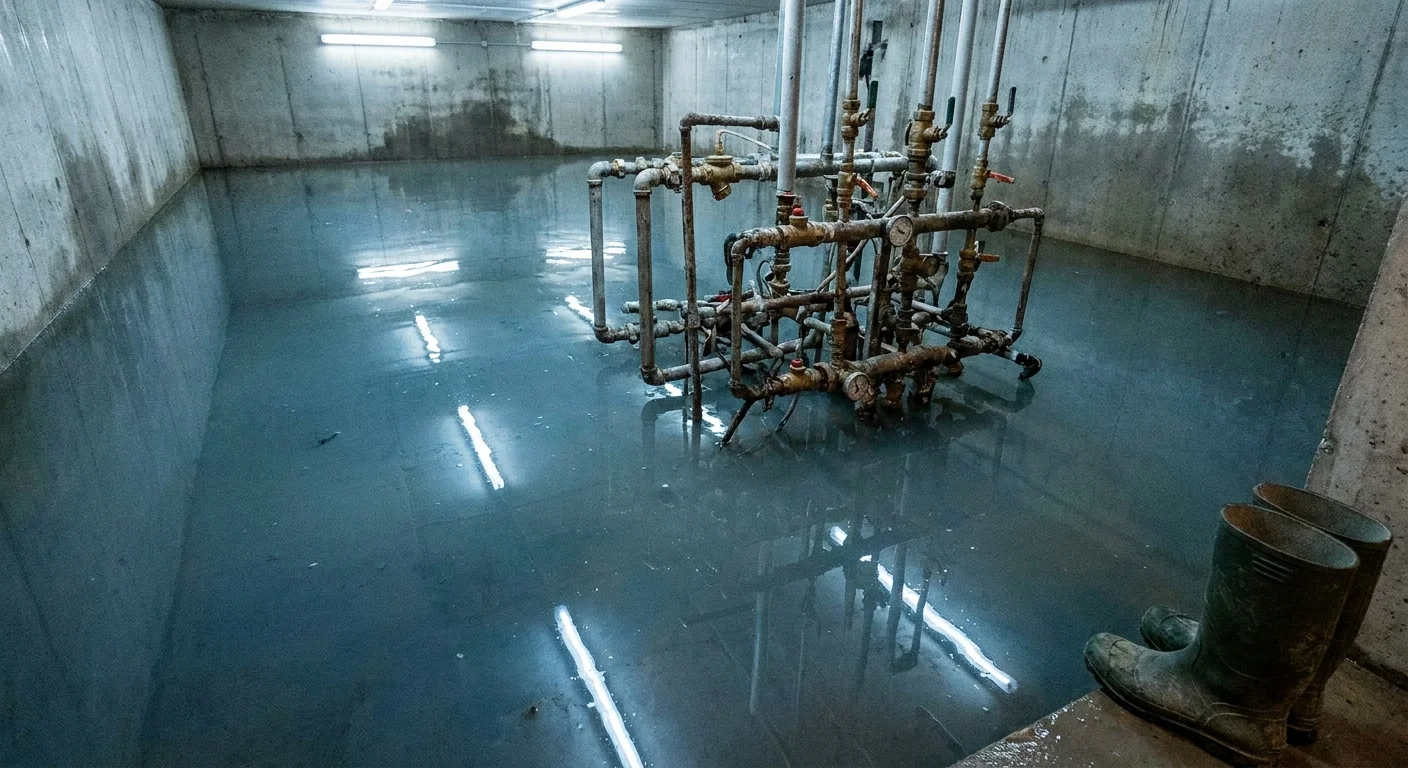
Skip DIY When…
While clearing a P-trap or swapping a showerhead are excellent weekend projects, certain tasks carry severe risks to your safety and your home’s structural integrity. Call licensed professionals for the following scenarios:
Main Sewer Line Issues: If raw sewage is backing up into a bathtub or floor drain, the blockage is deep within the main line. Professional plumbers use motorized augers and high-definition cameras to clear these heavy-duty clogs without breaking the buried pipes.
Moving Plumbing Stacks: Renovating a bathroom and shifting the toilet or shower to a new wall requires re-pitching the drain lines and altering the central vent stack. Improper venting causes dangerous sewer gases to leak into your living space.
Water Heater Replacement: Swapping out a water heater—especially a gas-powered unit—involves handling high-voltage electricity, pressurized water, and combustible natural gas. A poorly ventilated gas water heater introduces lethal carbon monoxide into the home. Leave this installation to the experts and consult guides from This Old House to understand the building codes surrounding these appliances.
Frequently Asked Questions
How often should I proactively inspect my home’s plumbing?
Perform a visual walk-through twice a year. Check under all sinks, inspect the base of your toilets for moisture, look at exposed basement pipes for corrosion, and verify that your water heater is not pooling water. Additionally, test your main water shut-off valve annually to ensure it operates smoothly in an emergency.
Why is my water bill suddenly so high if I don’t see any leaks?
Hidden leaks are the primary culprit. A running toilet can waste hundreds of gallons a day silently. Underground irrigation systems or a leaking main water line buried in your yard can also bleed thousands of gallons without leaving a drop of water inside your house. If your meter spins while all fixtures are off, you have a hidden leak.
Are chemical liquid drain cleaners safe for my pipes?
No. Most plumbers strongly advise against using chemical drain cleaners. They use aggressive thermal reactions that can warp plastic PVC pipes and accelerate corrosion in older metal pipes. Furthermore, if the chemical fails to clear the clog, you are left with a sink full of highly toxic, caustic water that is dangerous to remove.
Protecting Your Home’s Infrastructure
Your plumbing system is a massive, interconnected network that operates under constant pressure. Treating it with respect requires regular observation and swift action at the first sign of trouble. Do not allow a minor drip to lull you into complacency; grab a wrench, replace that faulty washer, and take pride in knowing you just saved yourself a massive headache. Commit to checking your under-sink cabinets this weekend and verify the integrity of your fixtures.
This article is for informational purposes. Individual results vary based on region, light levels, and care consistency. Verify current guidance with local extension services before using pesticides or herbicides.
Last updated: May 2026. Plant care guidance reflects current horticultural best practices—always observe your specific plant’s signals.