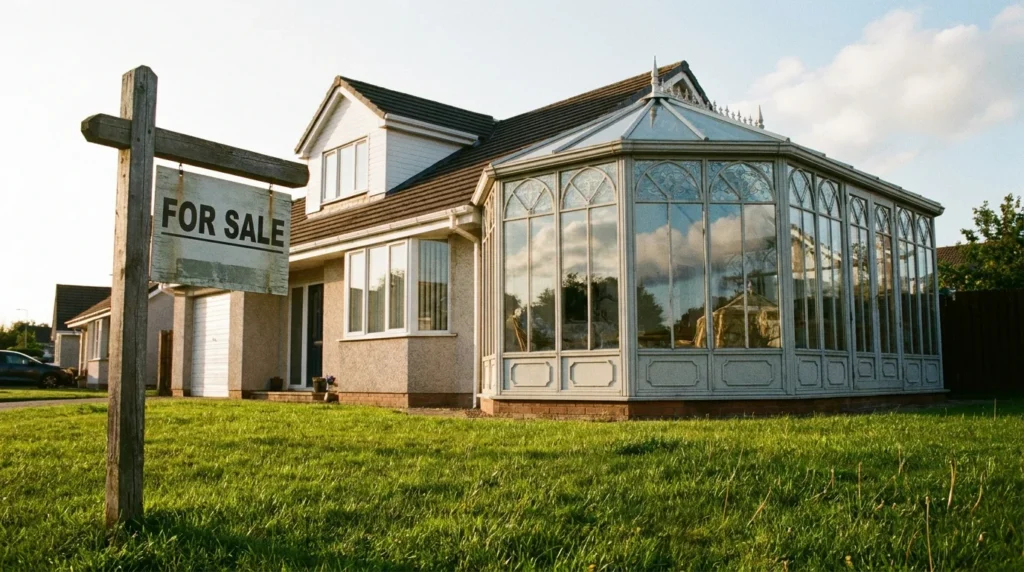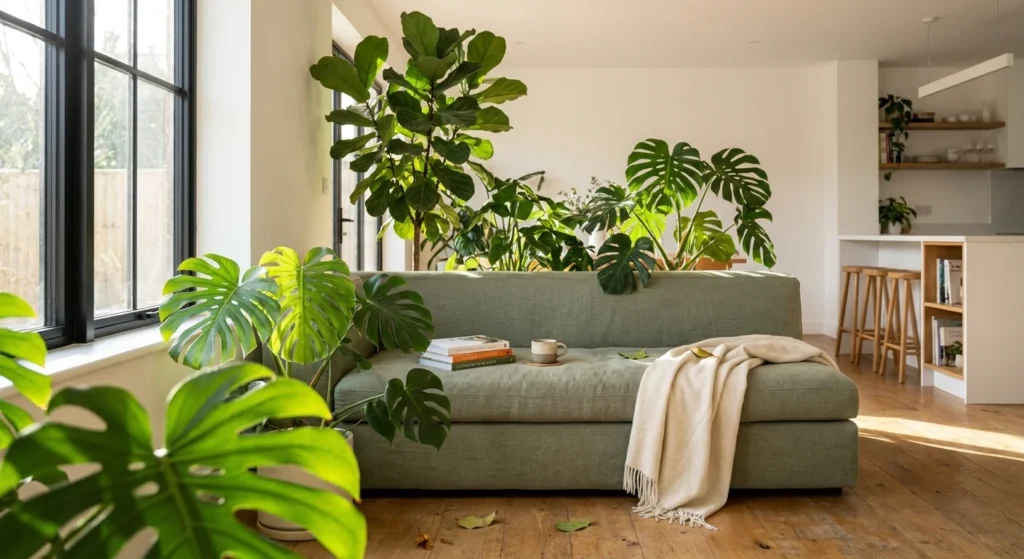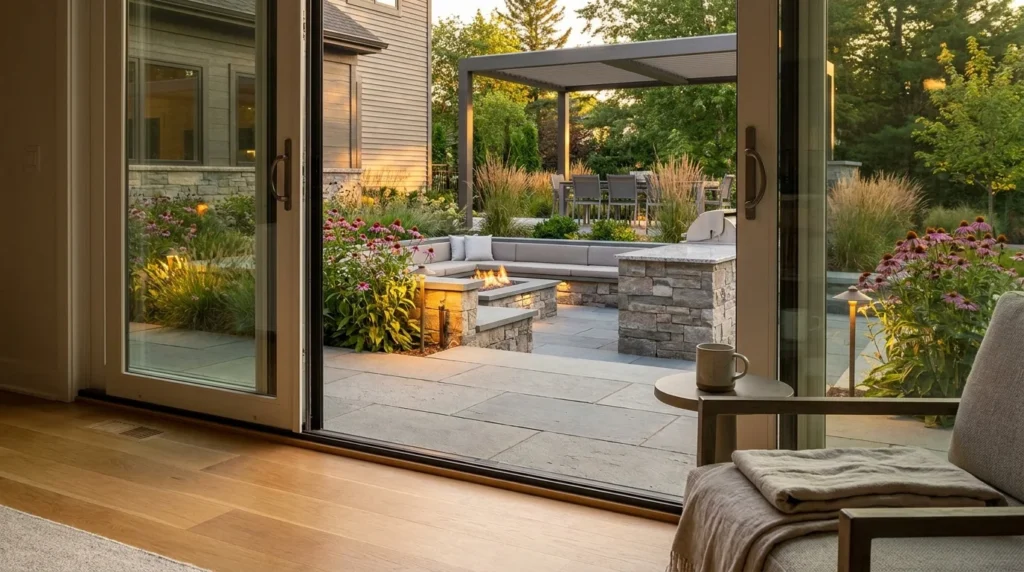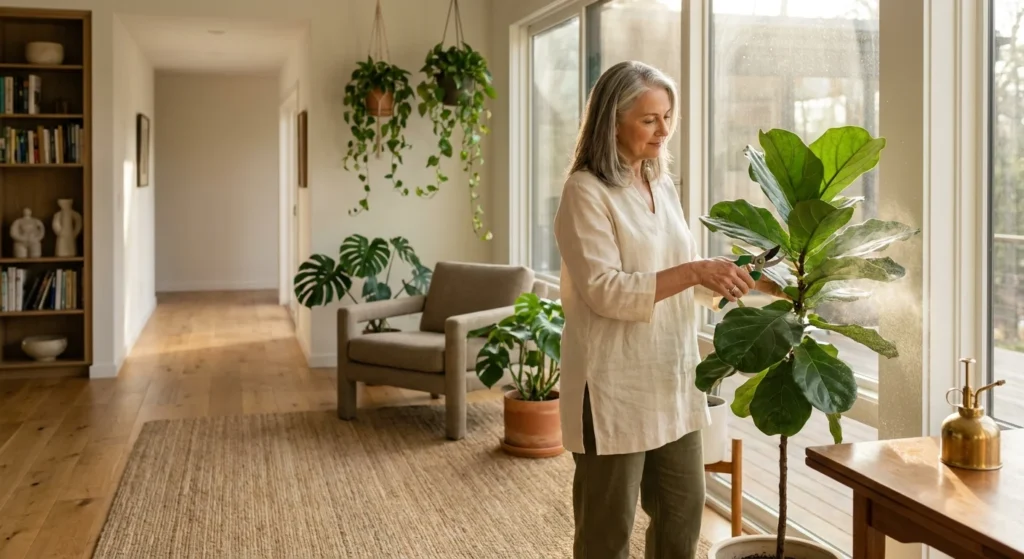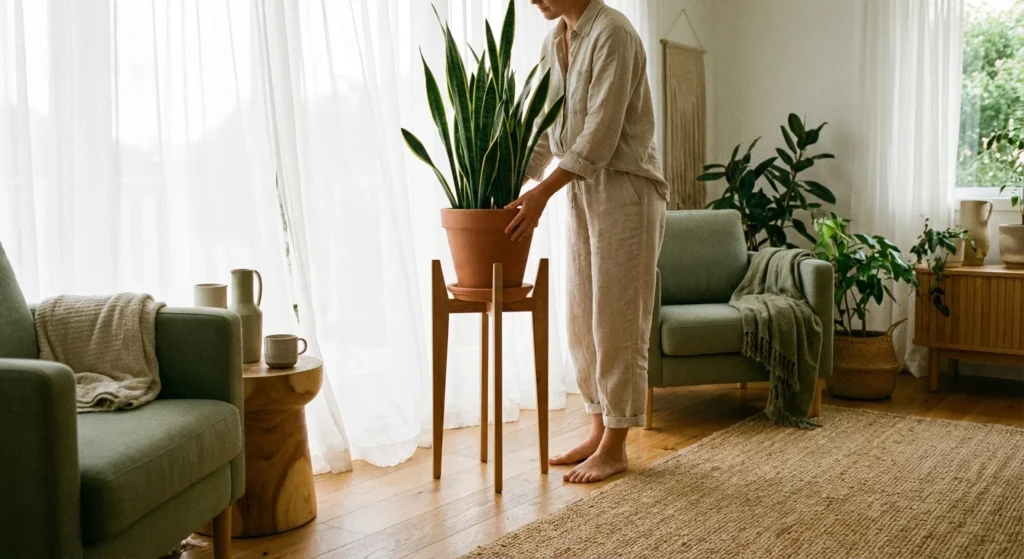
The bold, tactile design elements of the 1970s are experiencing a major revival, trading out sterile modern grays for rich, welcoming textures. You do not need a time machine to appreciate why earthy color palettes, indoor jungles, and organic materials are reclaiming their spot in modern interiors. Bringing these retro features into your living space adds instant warmth and undeniable character without making your home look like a vintage thrift store. Whether you want to introduce an oversized Monstera in a macrame hanger, install warm wood paneling, or embrace the cozy intimacy of a conversation pit, blending nostalgic 70s design with contemporary styling creates a perfectly balanced home.
1. The Indoor Jungle and Statement Houseplants
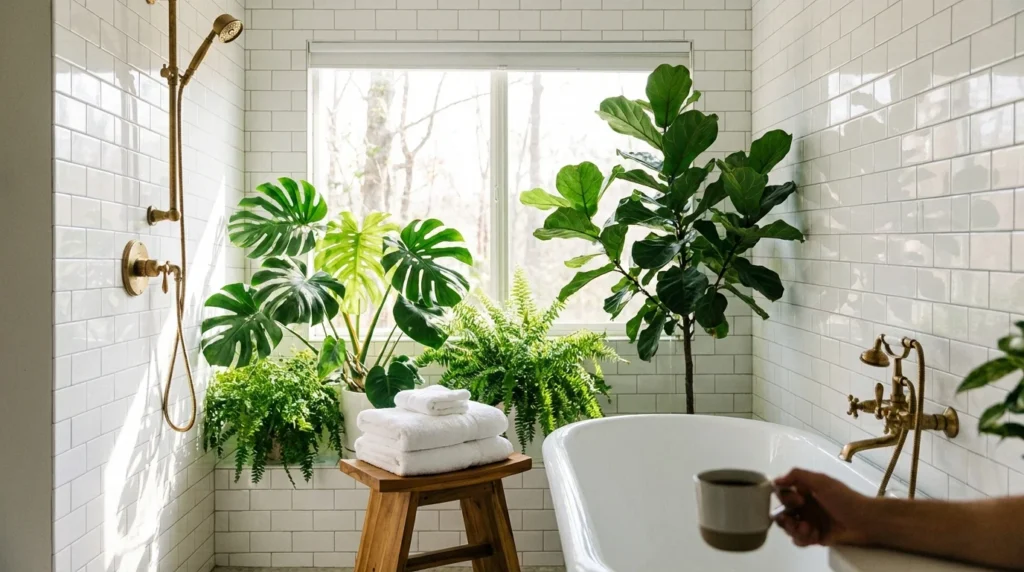
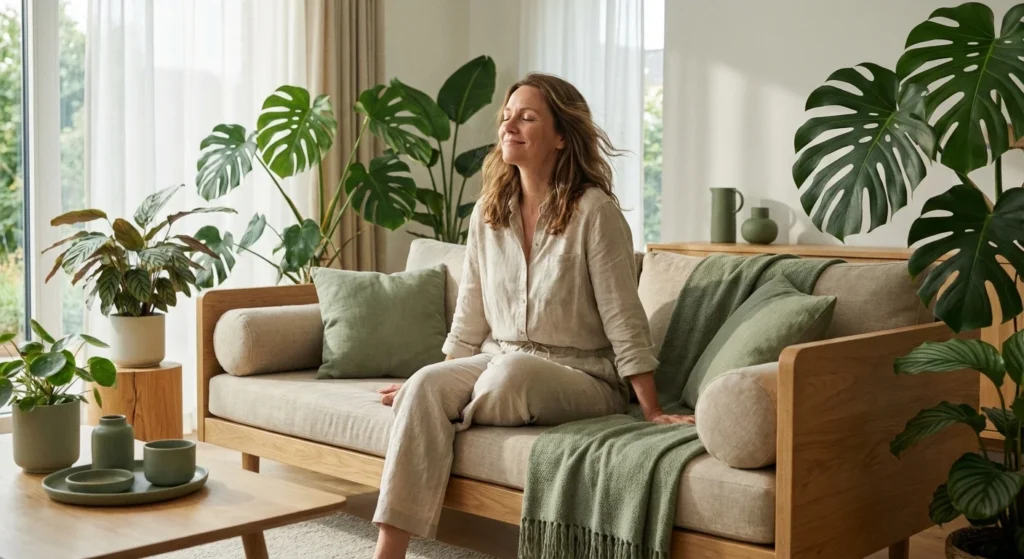
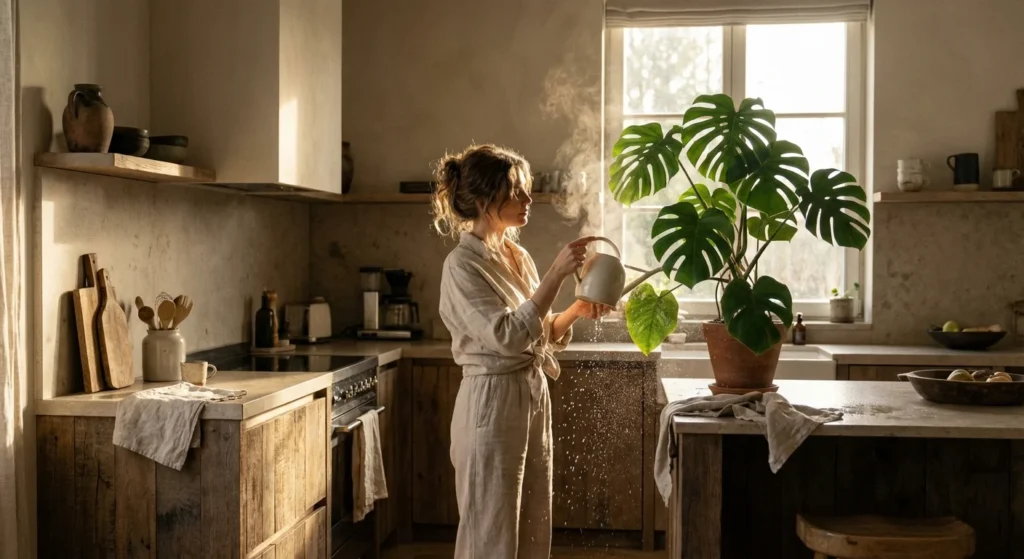
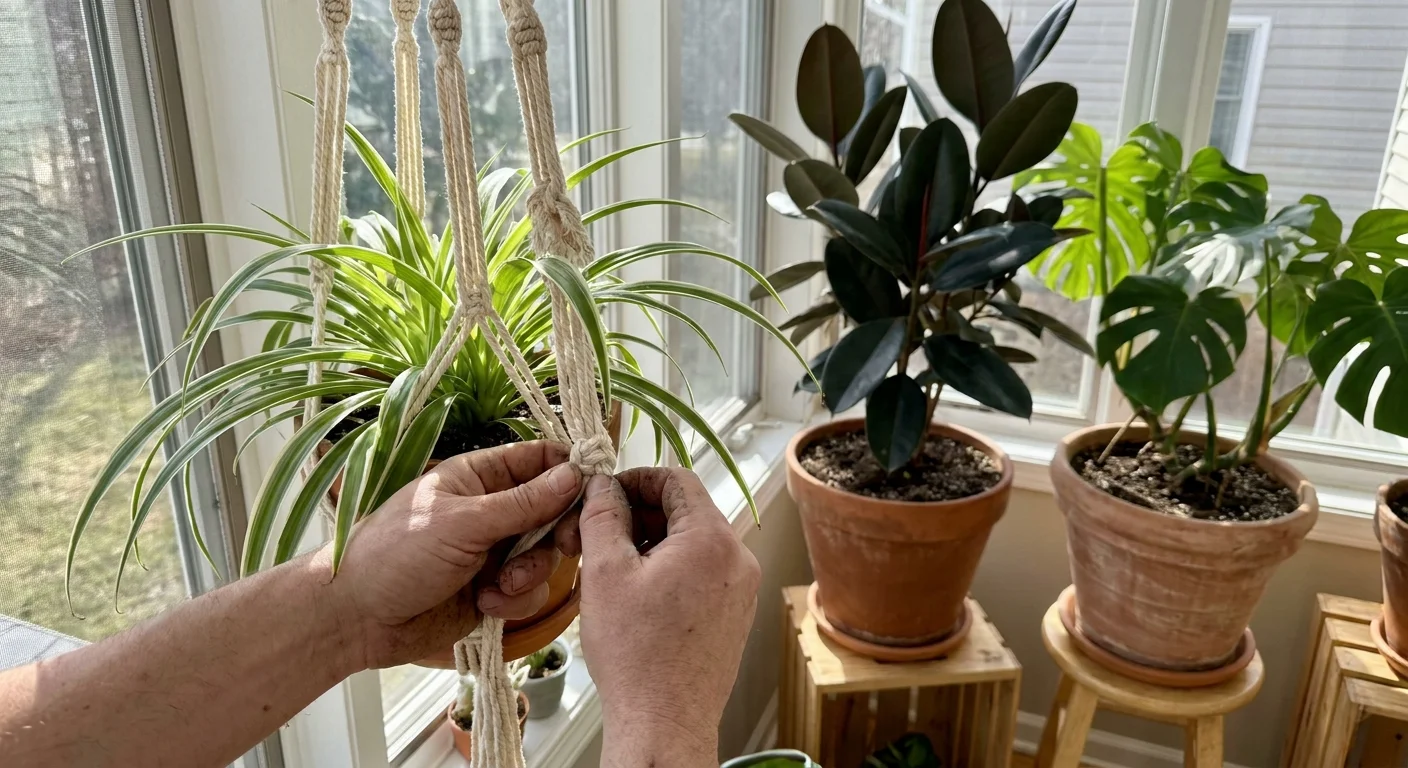
In the 1970s, homes were practically spilling over with greenery. Ferns hung in intricately knotted macrame planters, while massive split-leaf Monsteras dominated living room corners. Today, this intense love for indoor gardening has returned in full force, transforming stark rooms into vibrant, living ecosystems. Cultivating an indoor jungle does more than just fill an empty corner; it actively improves indoor air quality, dampens harsh acoustics, and brings a dynamic, ever-changing element to your interior design.
To recreate this look, focus on layering plants at different heights. Suspend trailing plants like the classic Spider Plant or Golden Pothos from the ceiling. Place towering architectural plants, such as the Ficus elastica (Rubber Tree) or Monstera deliciosa, on the floor in textured terracotta pots. Fill the mid-level gaps with bushy, humidity-loving ferns resting on plant stands.
Pet owners must curate their indoor jungles carefully. While the popular Spider Plant and Boston Fern are completely safe for pets, the iconic Monstera and many other tropicals contain insoluble calcium oxalates. Before bringing a new piece of the 70s into your home, always verify its safety through the ASPCA Animal Poison Control Plant Toxicity list.
“A house is not truly a home unless it contains healthy plants, natural light, and something beautifully growing.” — Paraphrase of classic botanical wisdom
2. Warm, Earthy Color Palettes
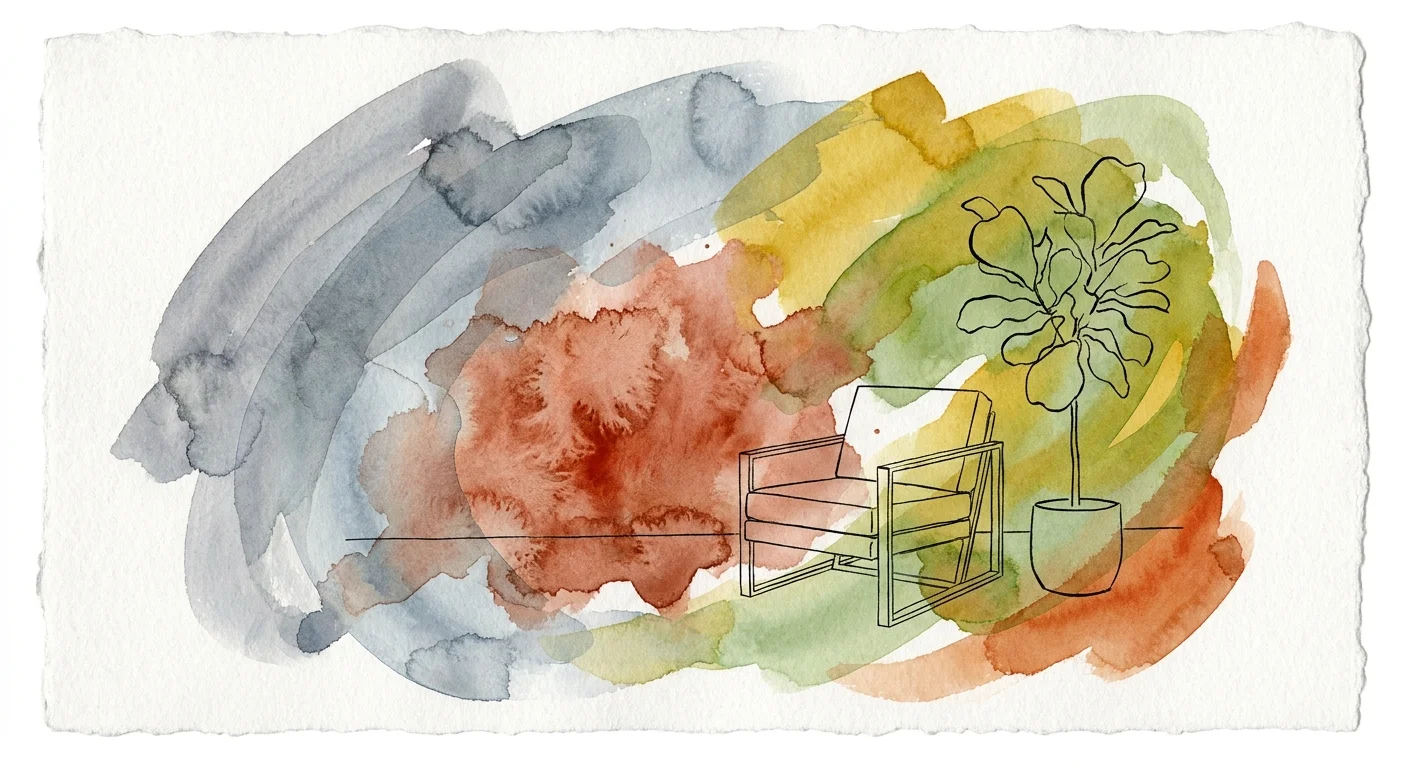
Say goodbye to the all-white kitchens and cool gray living rooms of the 2010s. The defining colors of the 1970s—mustard yellow, avocado green, burnt orange, and rich brown—are back to inject warmth into our living spaces. These earthy tones draw inspiration directly from nature, creating grounded, relaxing environments that feel like a retreat from the digital world.
Modern applications of these colors are slightly more refined than their 70s predecessors. Instead of painting a whole room in vivid harvest gold, you might choose a muted ochre or a deep, moody olive green. Terracotta is currently reigning supreme; it brings the warmth of baked clay to your walls and pairs beautifully with natural wood and abundant greenery. For comprehensive guides on seamlessly blending these rich hues into contemporary spaces, Better Homes & Gardens offers excellent color theory resources and modern palette combinations.
3. Rattan, Wicker, and Bamboo Textures
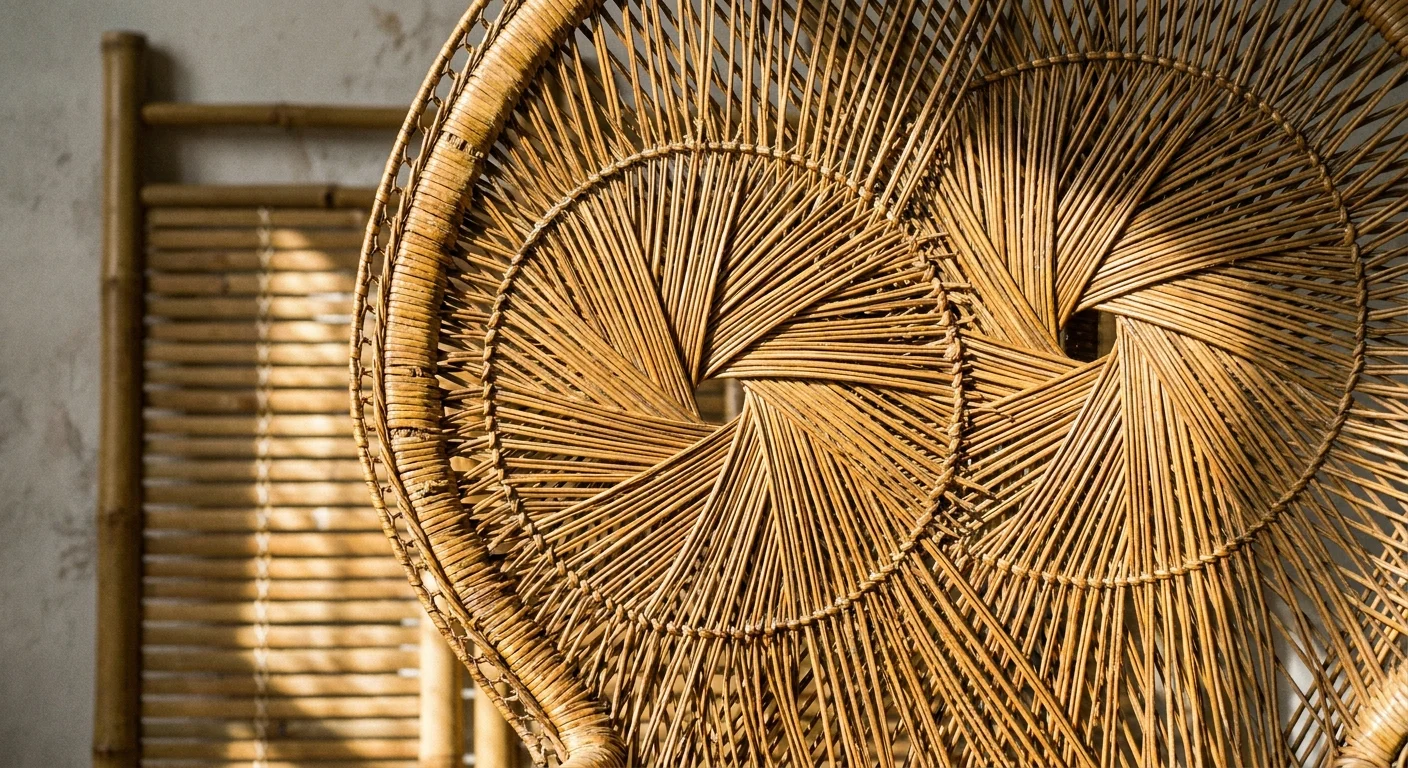
Natural, woven materials were the hallmark of casual 70s elegance. Rattan peacock chairs, bamboo room dividers, and wicker side tables brought an airy, bohemian lightness to heavy, carpeted rooms. Today, these organic materials are prized for their sustainability and the incredible texture they add to a space.
Unlike heavy upholstered furniture, woven pieces have visual transparency—they take up physical space without making a room feel cramped. Incorporate a rattan cane sideboard in your dining room or hang a bamboo pendant light over your kitchen island. To keep these materials looking fresh rather than dated, mix them with sleek metals or smooth marble. Remember that natural rattan needs a bit of humidity to prevent the reeds from becoming brittle and snapping over time; keep them away from direct heat vents.
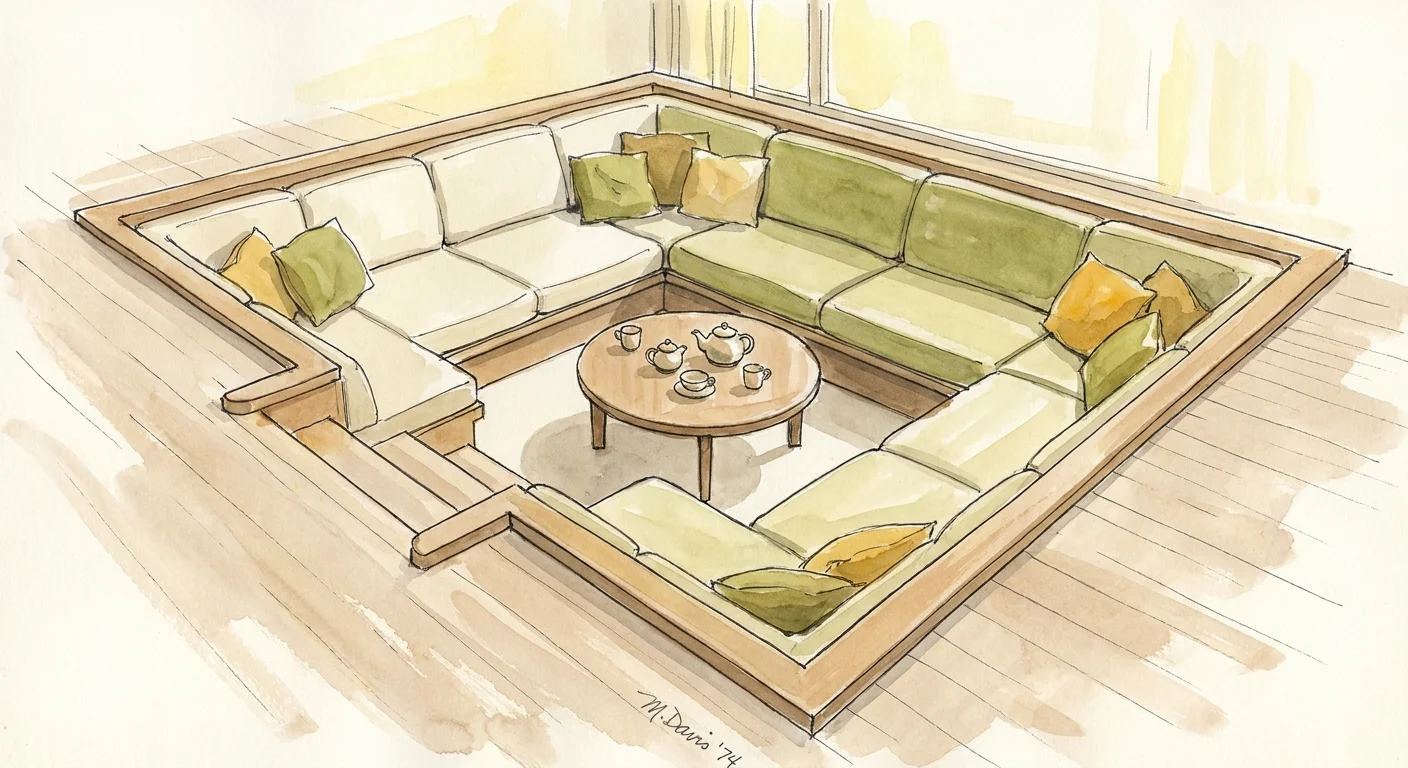
4. Sunken Living Rooms and Conversation Pits
Perhaps the most famous architectural trend of the 1970s, the conversation pit was designed to foster human connection. By stepping down into a recessed lounge area lined with plush, modular seating, guests were encouraged to face one another, unbothered by televisions or outside distractions.
While digging a hole in your living room floor might not be practical for the average renovation, the philosophy behind the conversation pit is highly sought after today. Homeowners are recreating this intimate, low-profile seating arrangement using modular floor cushions, low-slung sectionals, and U-shaped sofa configurations. The goal is to create a distinct, cozy zone dedicated entirely to conversation, reading, and relaxation.
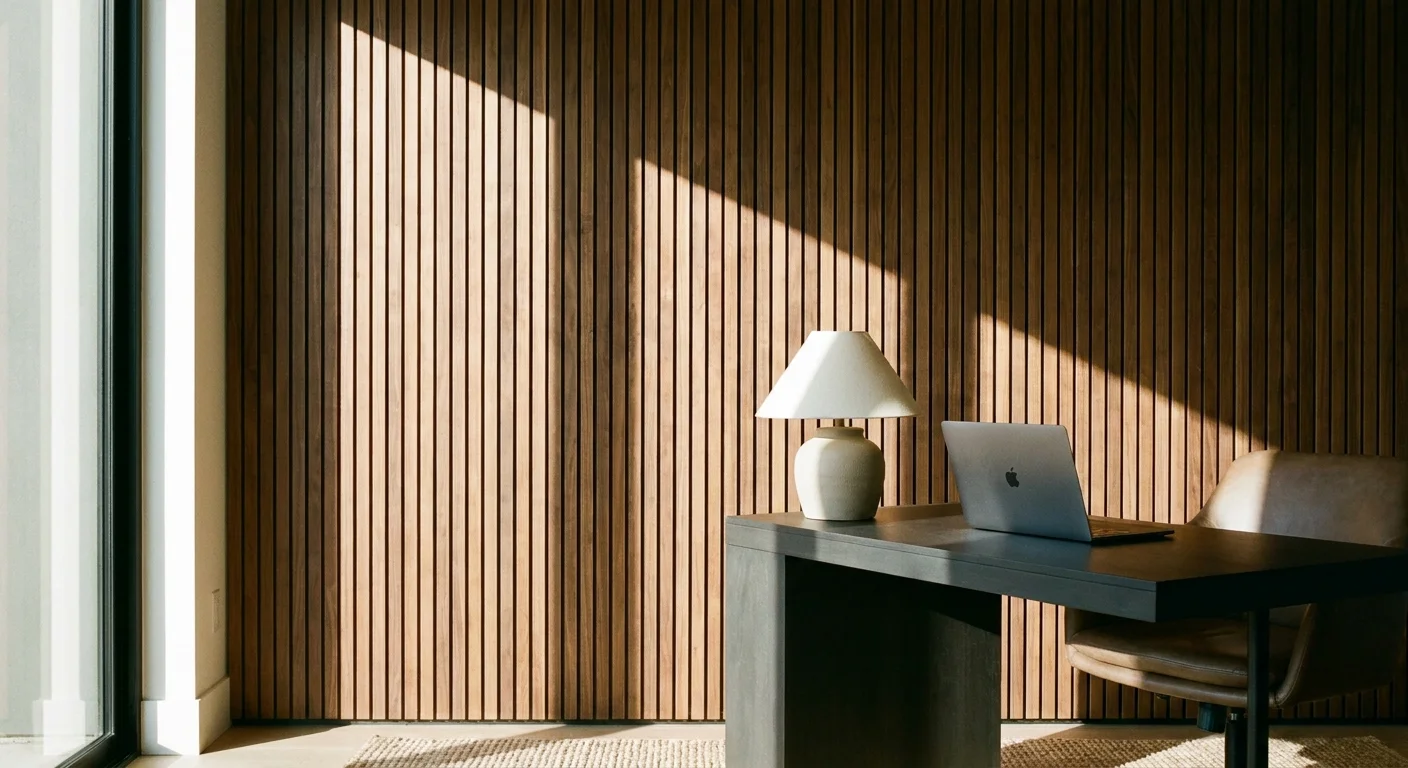
5. Slatted and Fluted Wood Paneling
Forget the dark, cheap faux-wood veneer panels that lined your grandparents’ basement. Wood paneling has returned, but it has undergone a massive glow-up. Modern wood paneling focuses on authentic materials, clean lines, and architectural interest.
The contemporary take relies heavily on vertical wood slats—often made of warm walnut or pale white oak—applied to a single accent wall or wrapped around a kitchen island. These slatted walls often feature acoustic felt backing, providing the dual benefit of striking 70s texture and excellent sound dampening for open-concept homes. For detailed tutorials on planning and installing modern millwork, resources like Bob Vila provide invaluable structural guidance.
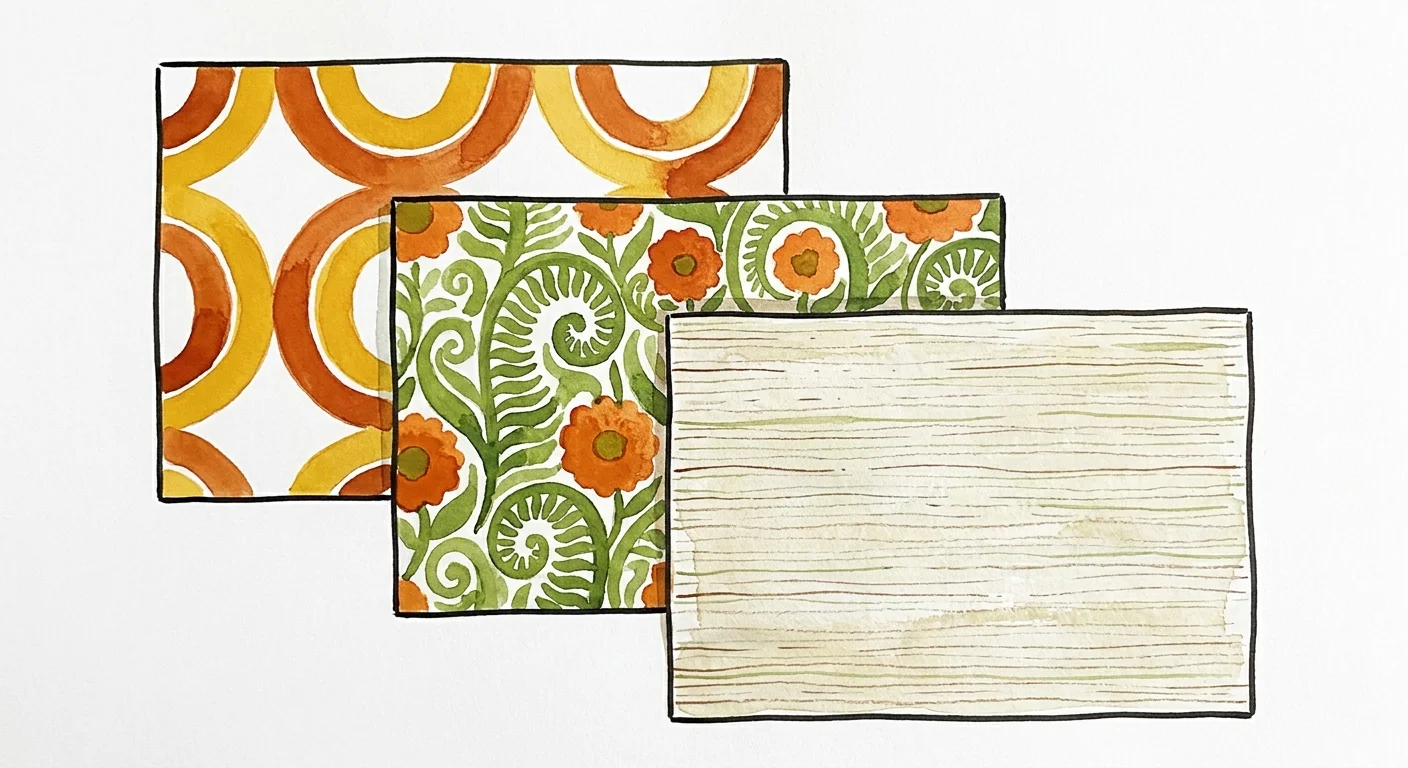
6. Statement Geometric and Botanical Wallpaper
The 1970s never shied away from a bold pattern. Walls were covered in oversized florals, psychedelic swirls, and rigid geometric shapes. After decades of plain painted walls, maximalist wallpaper is experiencing a massive resurgence.
Today’s statement wallpapers utilize the same rich color palettes and dramatic scales but benefit from modern printing technology. You can now find high-quality, peel-and-stick wallpapers that allow you to embrace the 70s aesthetic without the grueling removal process of traditional paste. Try applying a moody, large-scale botanical print to a powder room, or place a metallic geometric pattern on your bedroom ceiling to draw the eye upward.
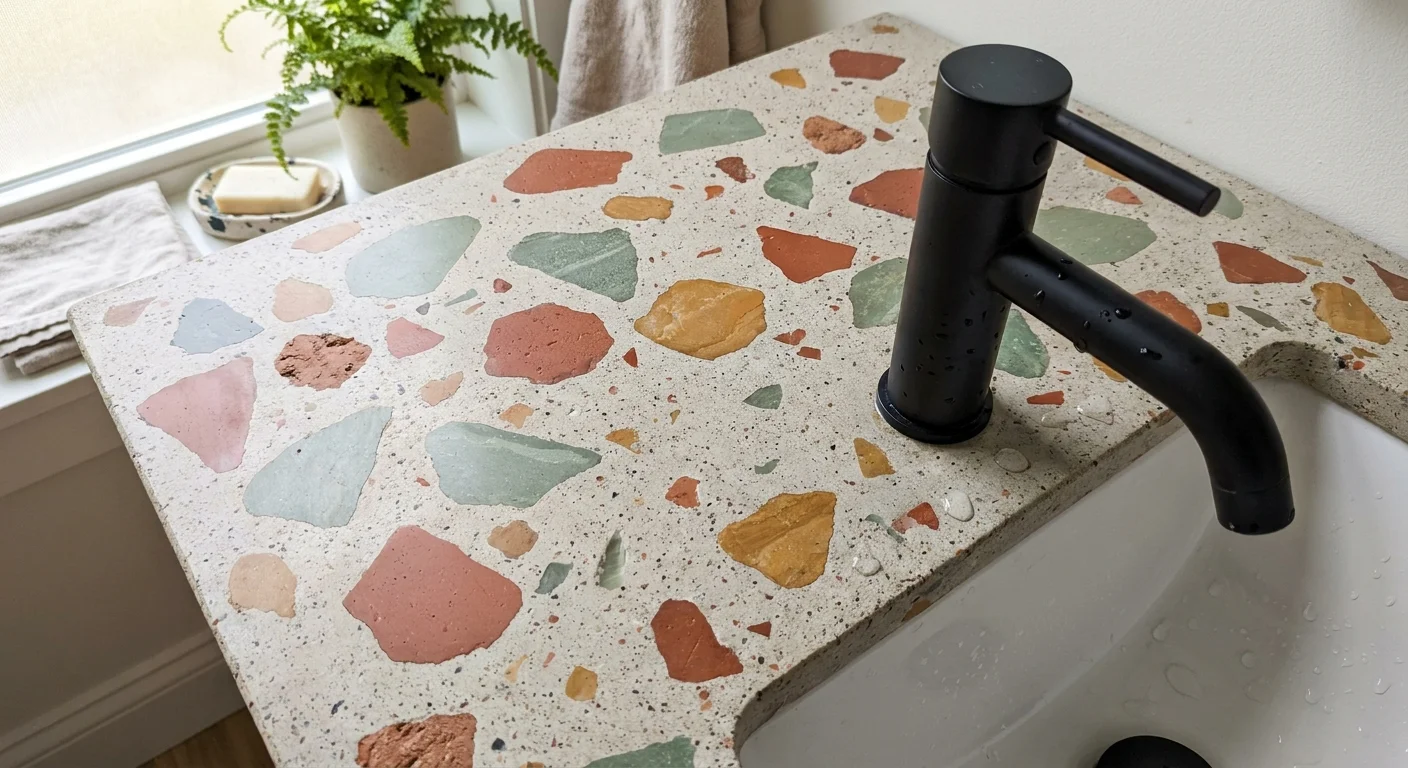
7. Terrazzo Surfaces
Terrazzo—a composite material featuring chips of marble, quartz, glass, or granite set into concrete or epoxy—was the ultimate flooring choice for 1970s homes and commercial spaces. Its speckled, confetti-like appearance adds instant joy and durability to any surface.
The current terrazzo revival extends far beyond flooring. You will find this playful pattern on kitchen backsplashes, bathroom countertops, and even on smaller home goods like plant pots, serving trays, and lamp bases. Because authentic poured terrazzo is incredibly expensive and heavy, many homeowners achieve the look using large-format porcelain tiles printed with high-definition terrazzo patterns.
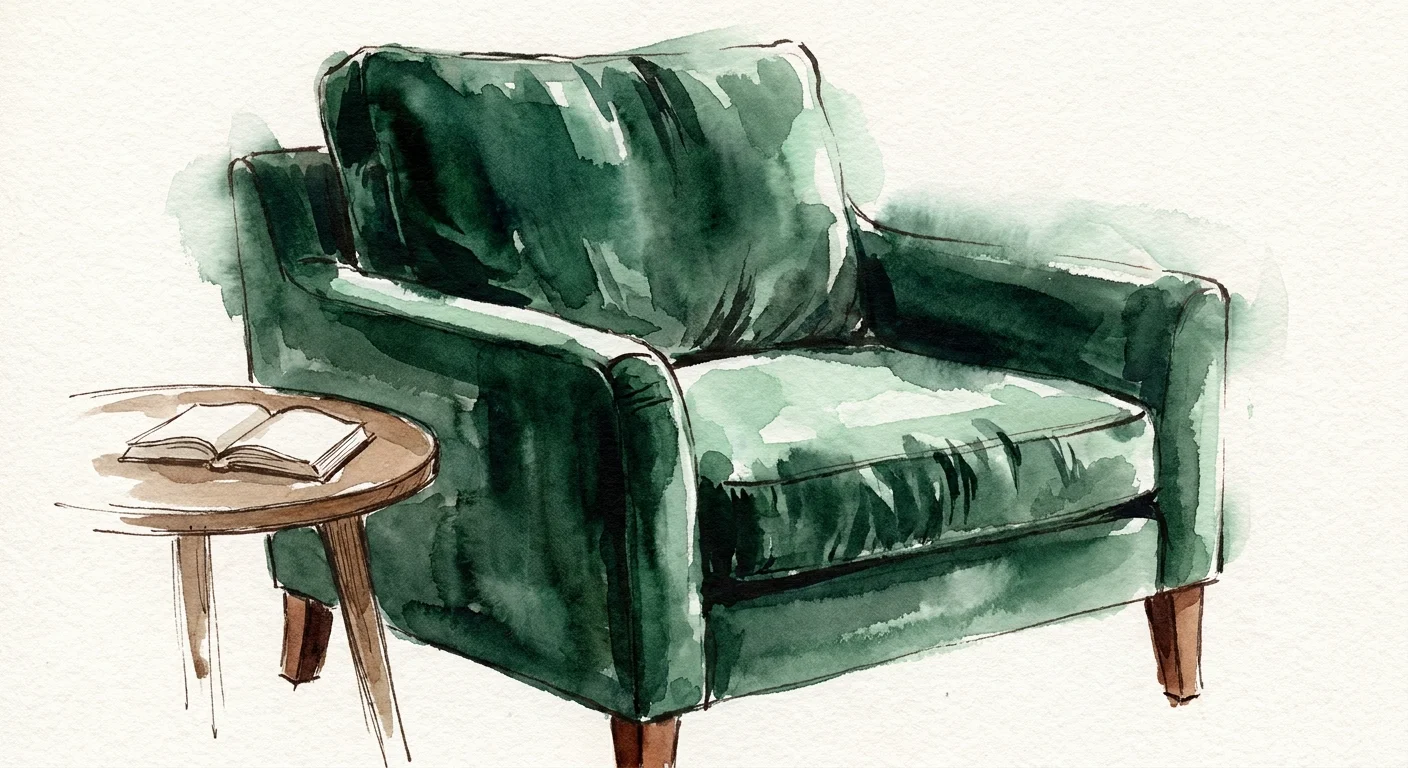
8. Luxurious Velvet Upholstery
Few materials scream 70s glamour quite like velvet. Whether it was a burnt orange sofa or a tufted headboard, velvet added a tactile richness that defined the decade’s plush aesthetic. Today, velvet is the upholstery fabric of choice for statement furniture.
Modern performance velvets are engineered to withstand daily life far better than vintage versions. They are woven tightly to resist stains and repel liquids. For pet owners, velvet is surprisingly practical; the lack of a looped weave means cat claws have nothing to snag on, and pet hair can be easily wiped away with a lint brush or a damp rubber glove.
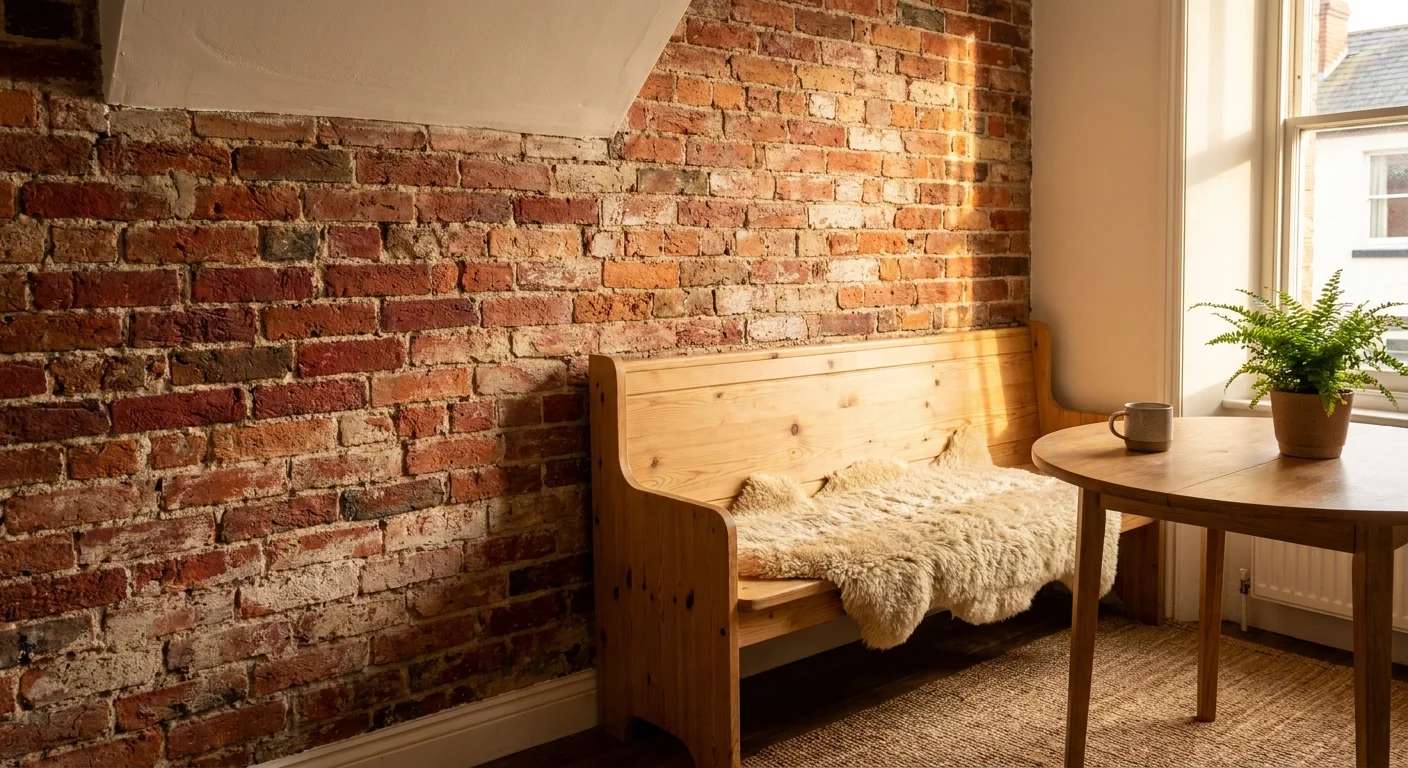
9. Exposed Brick and Natural Stone
The 1970s celebrated raw, unrefined materials. Massive stone fireplaces and exposed brick walls brought the ruggedness of the outdoors directly into the living room. Modern design is once again embracing these raw architectural elements, choosing to highlight them rather than covering them up with drywall.
If you are lucky enough to have original brick in your home, clean it gently with a mild detergent and a stiff bristle brush. Apply a matte, penetrating masonry sealer to prevent the brick from shedding dust into your home. If you lack natural stone, consider applying a high-quality brick veneer to a focal wall to bring that rustic, tactile energy into your space.
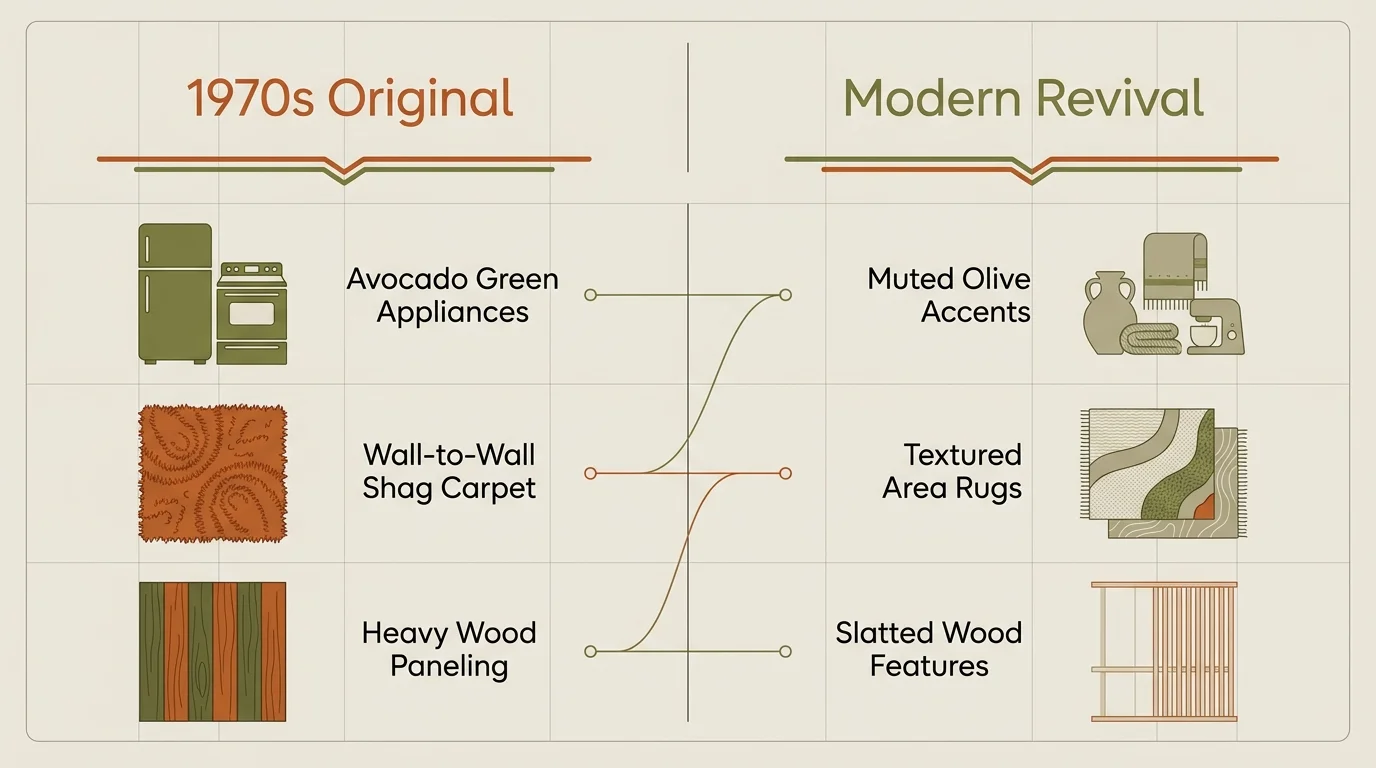
Comparing 1970s Originals to Modern Revivals
To successfully pull off these trends, it helps to understand how they have evolved. Use this comparison to ensure your home feels nostalgically stylish rather than accidentally dated.
| Design Feature | The 1970s Original | The Modern 2026 Revival |
|---|---|---|
| Wood Paneling | Thin, dark, faux-wood veneer covering entire rooms. | Solid oak or walnut vertical slats used as a strategic focal point. |
| Color Palette | Saturated harvest gold and avocado green on appliances and carpets. | Muted terracotta, olive, and ochre applied to walls and textiles. |
| Indoor Plants | Haphazardly placed ferns; plastic pots in macrame. | Curated indoor jungles; structured architectural plants in ceramic planters. |
| Velvet | Delicate, hard-to-clean fabrics prone to crushing. | Durable, stain-resistant performance velvet in jewel tones. |
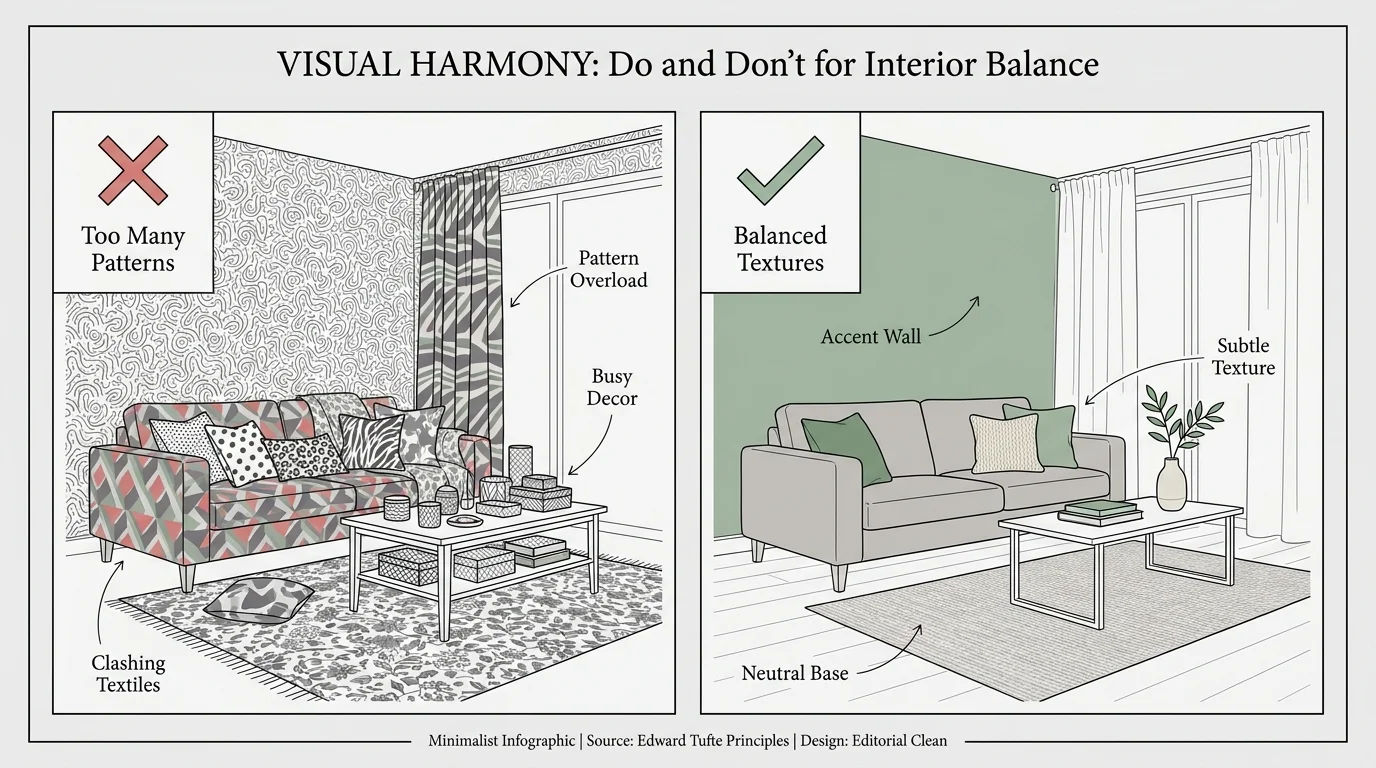
Common Mistakes to Avoid
Embracing retro design requires a careful balancing act. If you lean too hard into the theme, your living room will quickly look like a movie set. Keep these common pitfalls in mind when styling your space:
- Ignoring the lighting: The dark, moody colors and heavy textures of the 70s require ample lighting. If you lack large windows, ensure you layer your artificial lighting with floor lamps, table lamps, and wall sconces to keep the room from feeling like a cave.
- Committing to a time capsule: Do not buy everything from the same era. A vintage 70s rattan chair shines brightest when sitting next to a sleek, modern, minimalist sofa. Contrast is the key to elevated design.
- Overcrowding plants: While an indoor jungle is beautiful, grouping too many plants tightly together restricts airflow and creates the perfect breeding ground for pests like fungus gnats and spider mites. Give your foliage room to breathe.
- Using poor-quality reproductions: If you want terrazzo floors or wood paneling, invest in high-quality materials. Cheap printed vinyl stickers that mimic natural materials will quickly peel and degrade the look of your home.
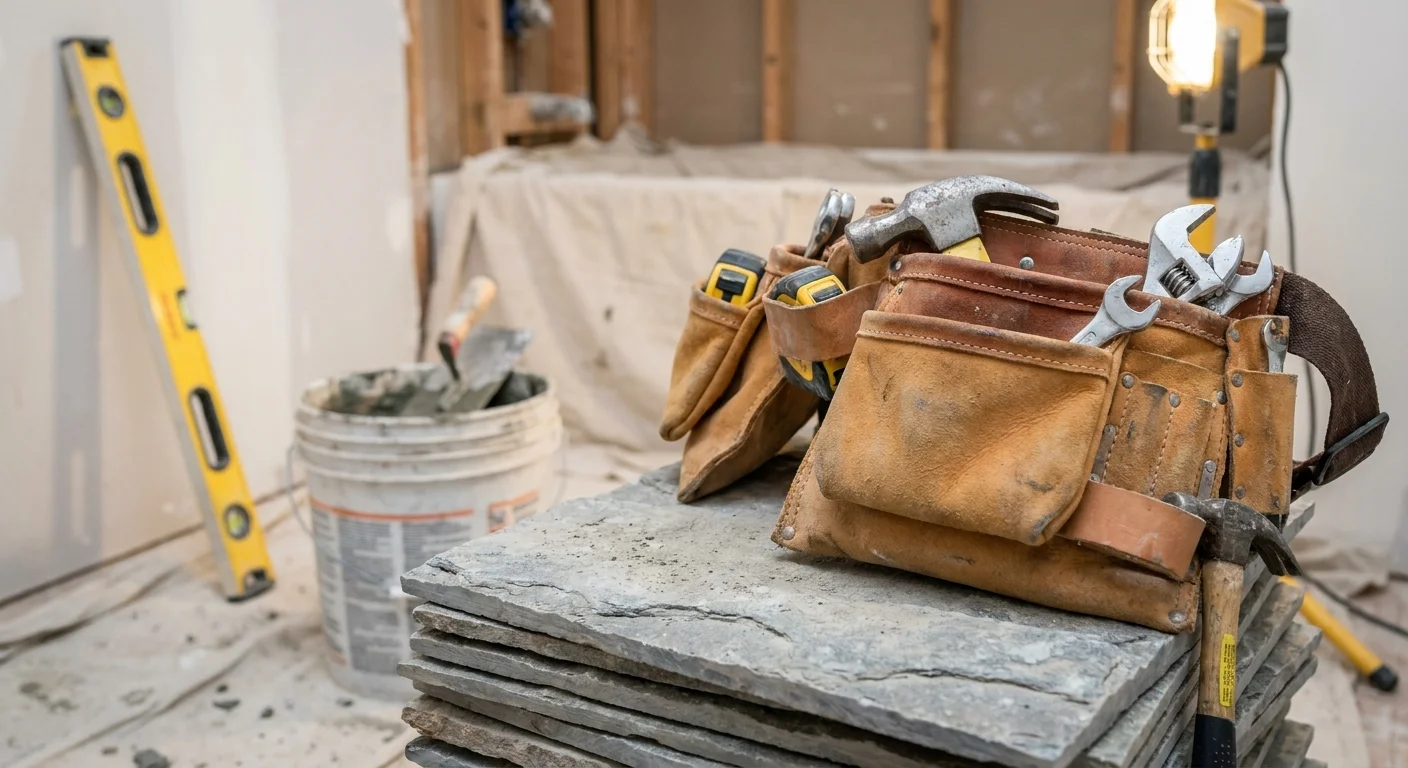
Skip DIY When…
While painting a wall ochre or hanging a macrame planter makes for a perfect weekend project, some 70s revivals require professional intervention. Protect your home and your safety by hiring out the following jobs:
- Excavating for a conversation pit: Never attempt to lower your floor without a structural engineer. Cutting into floor joists or concrete slabs compromises your home’s foundation and structural integrity.
- Rewiring vintage lighting: That authentic 1974 pendant light you found at the flea market likely has degraded, unsafe wiring. Always have an electrician rewire vintage fixtures before hardwiring them into your ceiling.
- Removing old textures: If you are remodeling an authentic 70s home, be incredibly cautious when removing popcorn ceilings, old linoleum flooring, or original wall paneling adhesives. These materials frequently contained asbestos. Have the materials professionally tested before you begin any demolition.
Frequently Asked Questions
How do I mix 70s decor with my modern minimalist furniture?
Start small by introducing textures rather than large pieces of furniture. Add a couple of velvet throw pillows in a rich olive green, place a large Monstera in a terracotta pot next to your media console, or swap out a stark modern rug for one featuring a warm, geometric 70s pattern. The clean lines of your minimalist furniture will actually highlight the retro textures beautifully.
Are hanging macrame plants safe for ceilings?
Yes, provided you anchor them correctly. A large, freshly watered Boston fern hanging in a heavy ceramic pot can easily weigh over 15 pounds. Never hang a plant directly from drywall using just a screw. You must locate a ceiling joist using a stud finder and install a heavy-duty swag hook directly into the wood. Alternatively, use a toggle bolt rated for heavy loads if you absolutely must hang it from the drywall.
What is the best way to clean and maintain vintage rattan?
Rattan collects dust easily in its woven crevices. Use the upholstery brush attachment on your vacuum to gently remove loose debris weekly. Once a month, wipe the rattan down with a cloth barely dampened with a mixture of water and a few drops of dish soap. To keep natural rattan from drying out and snapping, wipe it down lightly with boiled linseed oil once a year, wiping away any excess immediately.
Can I install terrazzo over my existing floor?
Authentic poured terrazzo is heavy and requires a specific subfloor preparation, meaning you usually cannot pour it directly over existing tile or wood. However, you can easily install modern terrazzo-patterned porcelain tiles over properly prepped existing subfloors. Always consult a flooring professional to ensure your joists can handle the added weight of large-format tiles.
Reviving the best design elements of the 1970s allows you to build a home that prioritizes comfort, connection, and a deep appreciation for the natural world. Start by choosing just one element—perhaps replacing a sterile gray accent chair with a plush, rust-colored velvet one, or hanging a lush fern in your sunniest window. Results for DIY projects and plant care depend on your local climate, home conditions, and experience level. When in doubt, consult a licensed professional.
Last updated: May 2026. Plant care guidance reflects current horticultural best practices—always observe your specific plant’s signals.