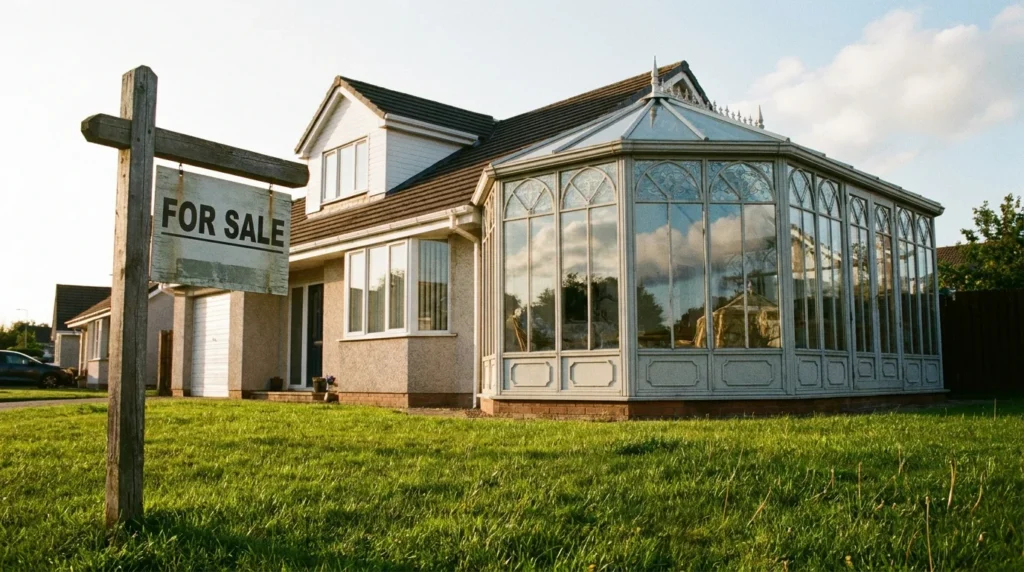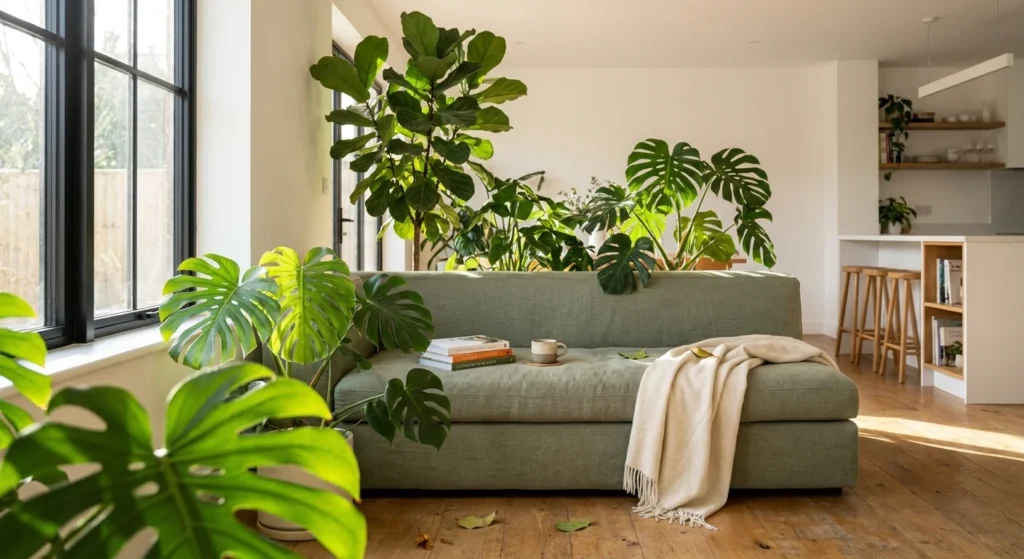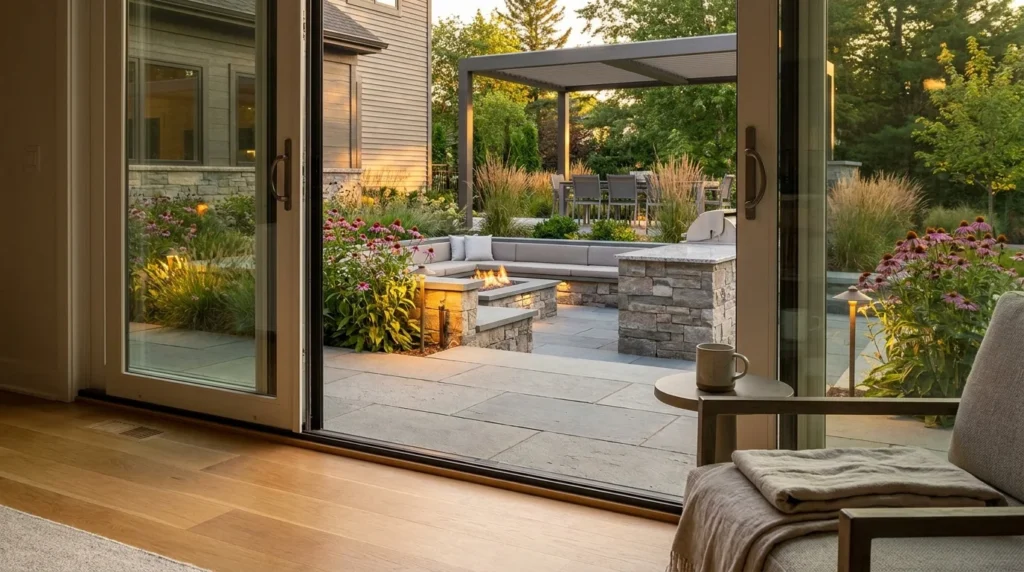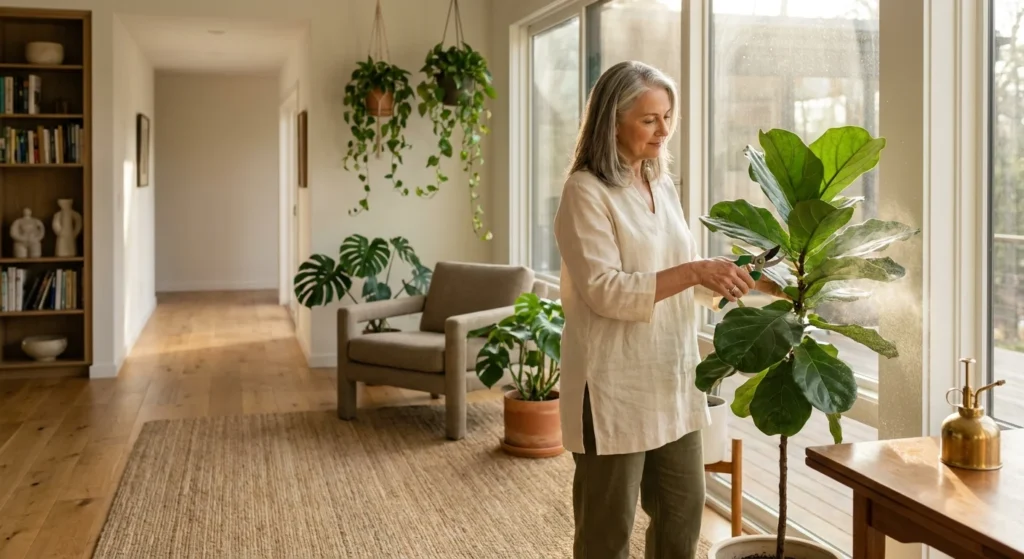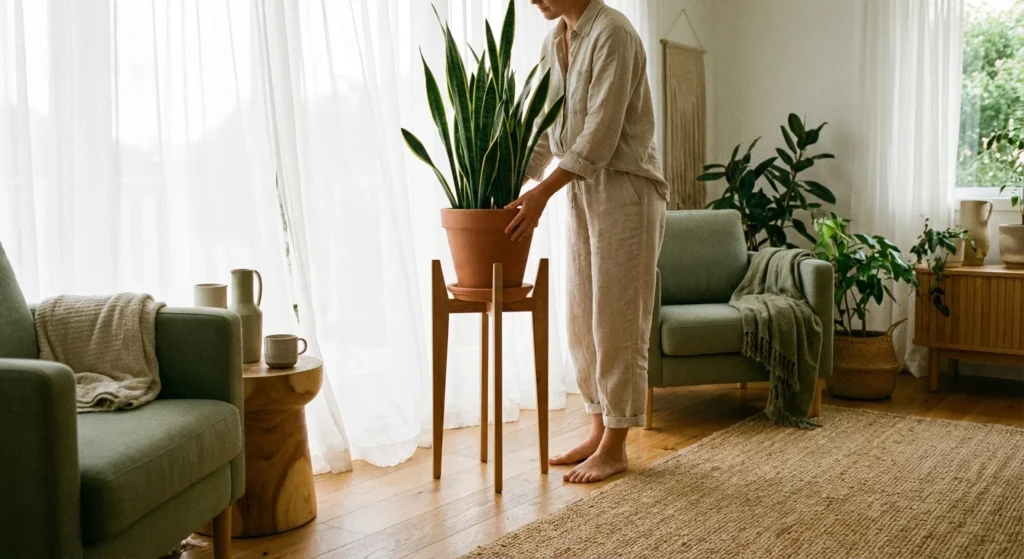
As sustainability takes center stage, the blueprint of the modern home is undergoing a radical transformation. Builders and architects are actively phasing out outdated design elements in favor of flexible, energy-efficient layouts. You no longer need to dedicate square footage to spaces that look good on paper but gather dust in reality. Whether you are planning a custom build, renovating your current space, or analyzing residential architecture trends, understanding these fading features will save you significant time and money. By prioritizing smart technology, drought-tolerant landscaping, and functional living areas, you can future-proof your property. We are shifting toward homes that truly serve our daily lives rather than rigid, decades-old traditions.
1. The Formal Dining Room
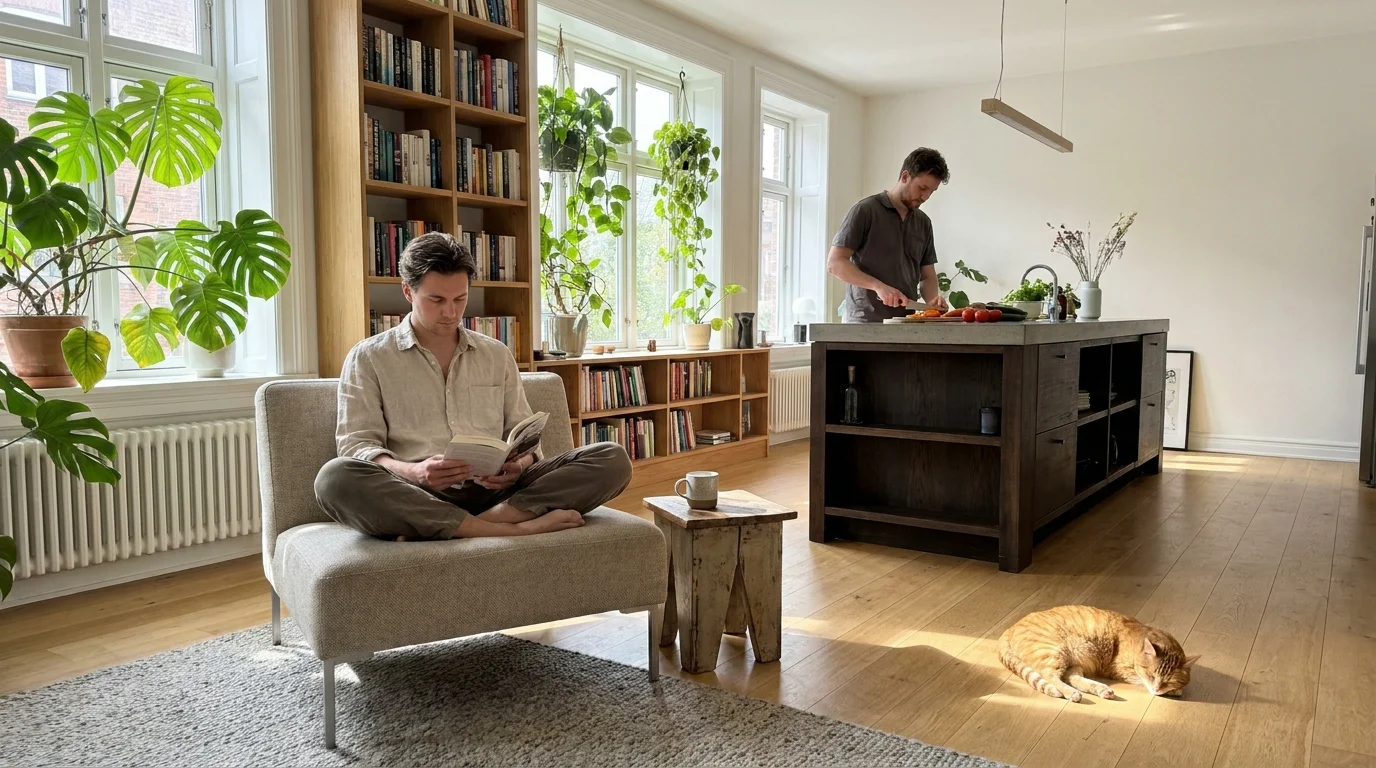
For generations, the formal dining room served as a status symbol—a dedicated space for holiday meals and fancy dinner parties. Today, homeowners are realizing that sacrificing hundreds of square feet for a room used three times a year is an inefficient use of space. Modern architectural plans frequently omit the formal dining room entirely.
Instead, the kitchen island has expanded into a massive, multi-functional gathering hub. When dedicated dining spaces do exist, they are highly integrated into the open floor plan or take the form of cozy, built-in banquettes. The square footage previously reserved for a long mahogany table is now being reallocated to walk-in pantries, sculleries, or expansive sunrooms that receive daily use. If you have an unused formal dining room, consider converting it into a bright, plant-filled reading lounge or a functional library.
2. Wall-to-Wall Carpeting
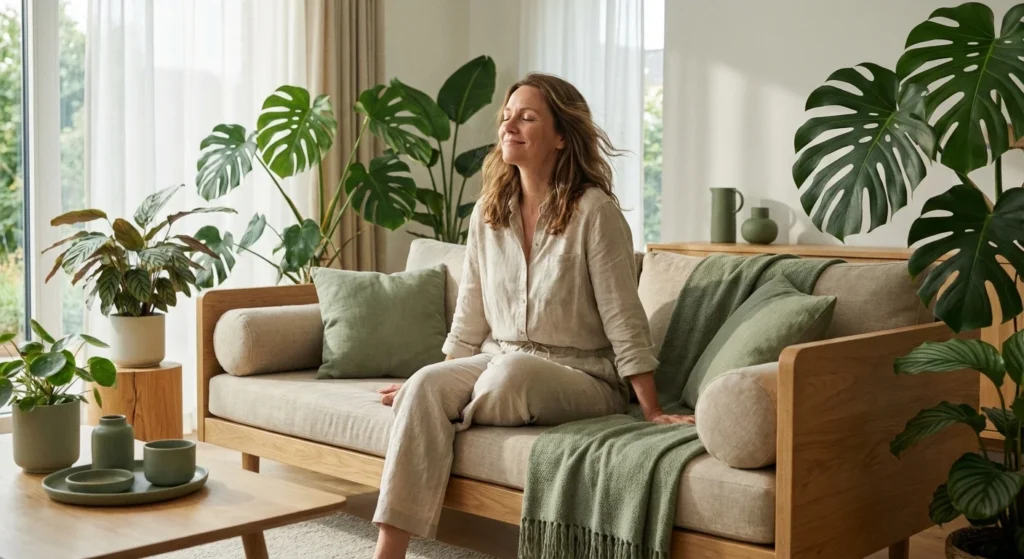
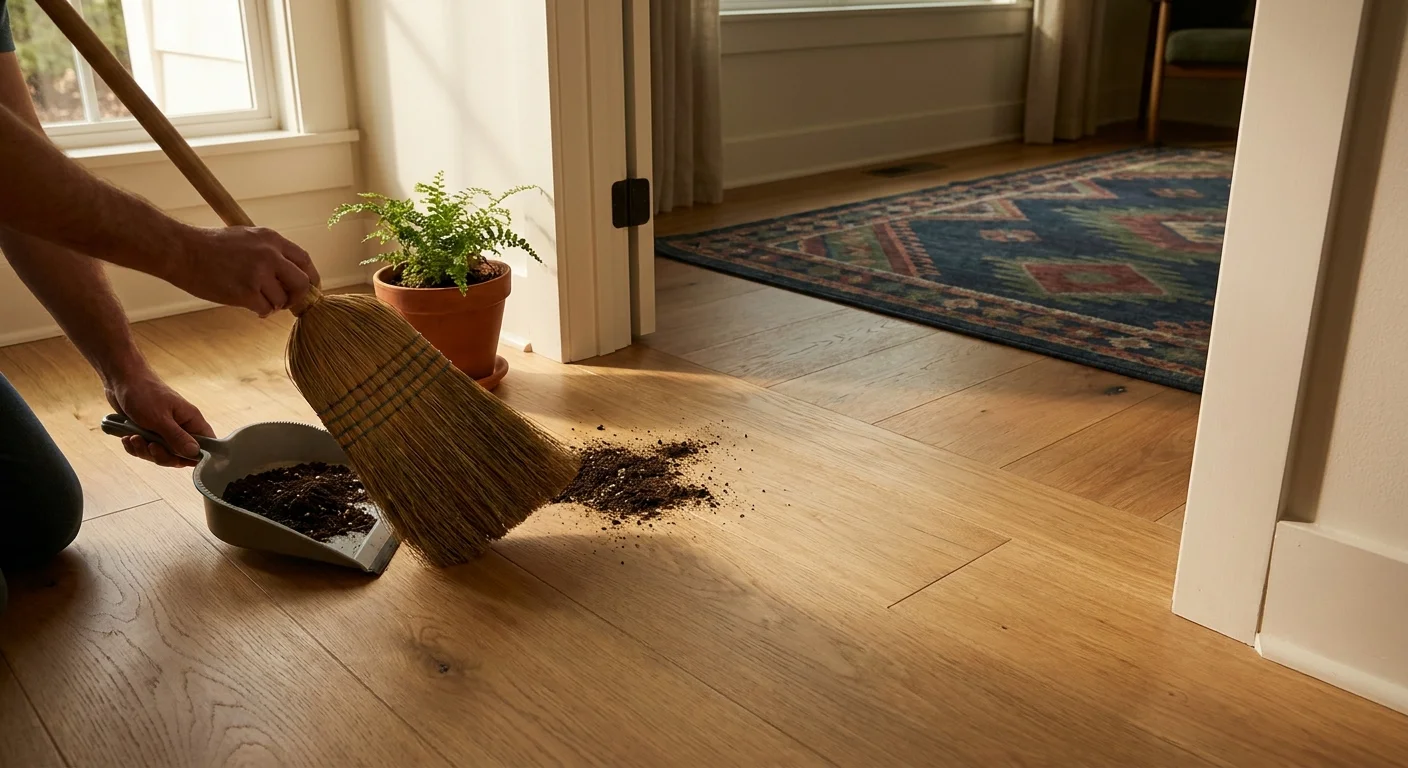
The era of matching your living room carpet to your bedroom carpet is ending rapidly. Wall-to-wall carpeting traps dust, harbors allergens, and requires harsh chemical treatments to maintain. From a practical standpoint—especially if you love indoor gardening, have pets, or host gatherings—carpet is a liability.
Future homes prioritize hard flooring throughout the entire footprint. Engineered hardwood, luxury vinyl plank (LVP), and large-format porcelain tile offer incredible durability and a seamless visual flow from room to room. To maintain warmth and dampen sound, homeowners rely on washable area rugs. This transition drastically improves indoor air quality and makes cleaning up spilled potting soil an effortless sweep rather than a deep-cleaning emergency.

3. Thirsty Turf Grass Lawns
The pristine, uniform green lawn has long been the American ideal; however, the environmental and financial costs of maintaining turf grass are forcing a massive landscaping shift. Traditional lawns require staggering amounts of water, chemical fertilizers, and weekly fossil-fuel-powered maintenance.
Home builders and buyers are pivoting toward eco-friendly alternatives. Native plant meadows, drought-tolerant xeriscaping, and microclover lawns are becoming the new standard. These alternatives require a fraction of the water, enrich the local soil web, and invite crucial pollinators back into residential neighborhoods. When transitioning your outdoor space, verify your plant choices through the ASPCA Animal Poison Control database to ensure your new meadow is safe for foraging pets.
4. Gas Cooktops and Ovens
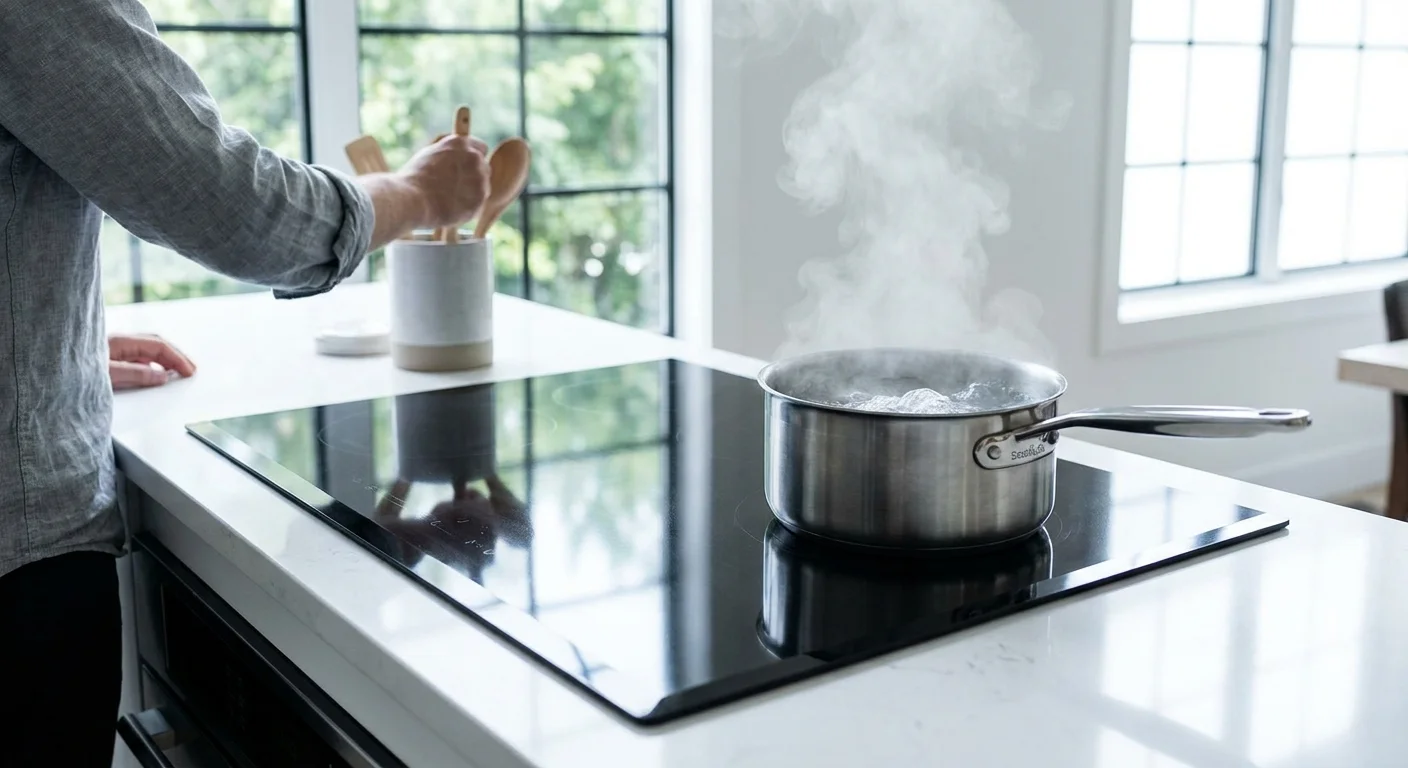
Gas appliances were once the gold standard for home chefs. That perception is changing rapidly due to indoor air quality research and a global push toward electrification. Gas stoves release nitrogen dioxide and particulate matter directly into your living space, compromising the air you breathe.
Induction technology is taking over the modern kitchen. Induction cooktops utilize electromagnetic energy to heat pots and pans directly, resulting in faster boil times, precise temperature control, and a cooking surface that remains cool to the touch. Because they are highly efficient, upgrading to induction often qualifies for ENERGY STAR rebates and tax incentives. As local municipalities begin banning gas hookups in new construction, the induction revolution is cementing its place in the future home.
5. The Solitary Soaking Tub
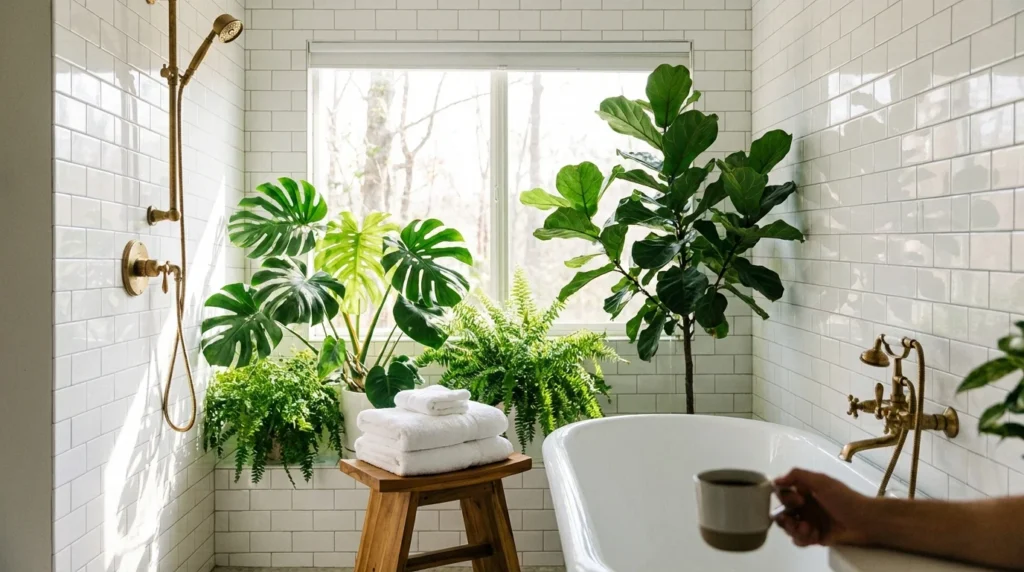
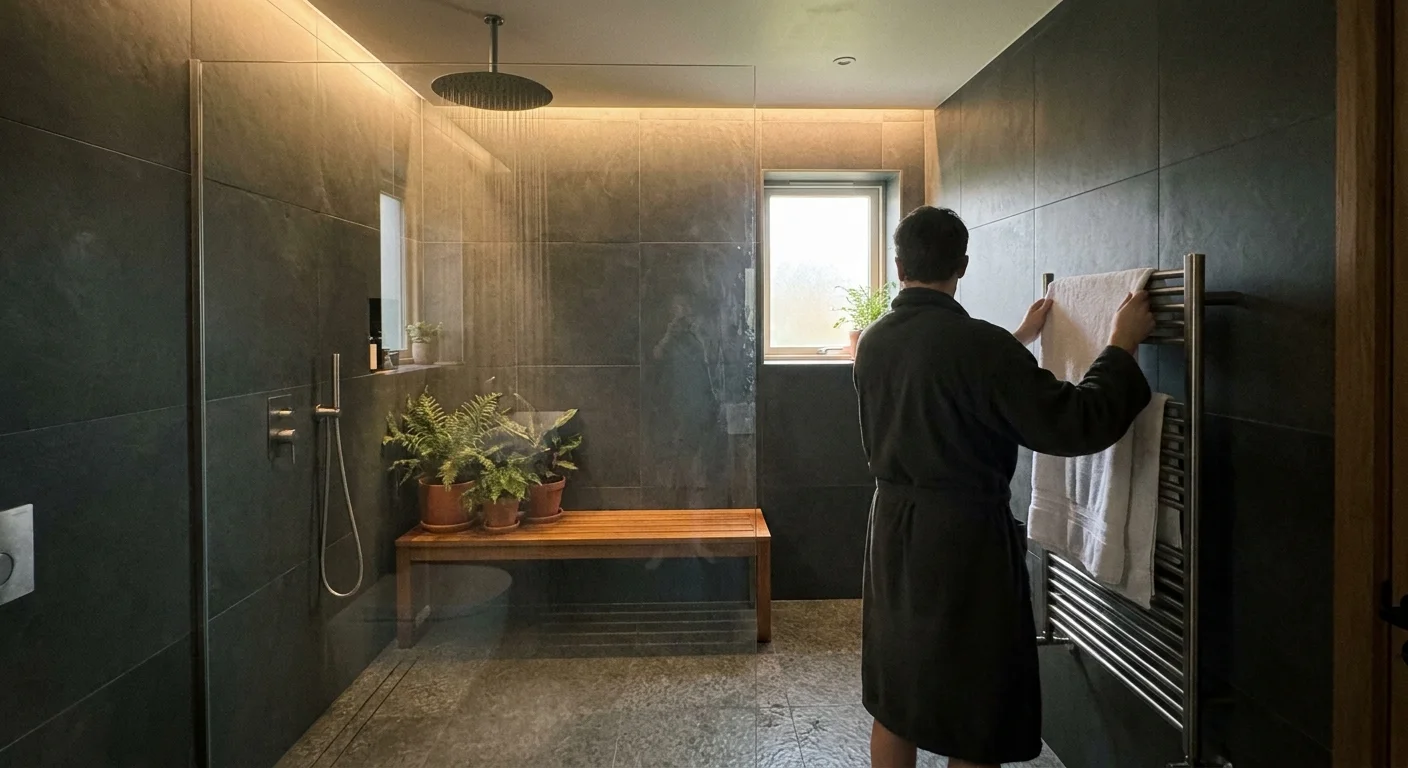
The oversized jacuzzi tub tucked into the corner of the primary bathroom is a relic of 1990s luxury. Homeowners quickly discovered that these massive tubs take too long to fill, waste water, and are rarely used. Consequently, new home builds are frequently skipping the primary bathtub entirely.
The modern luxury bathroom centers around the “mega-shower.” These expansive, curbless walk-in showers feature dual showerheads, built-in benches, steam functionality, and intricate tile work. By removing the bulky tub, architects can design wet rooms that feel like a high-end spa while offering greater accessibility as homeowners age in place.
6. Wood-Burning Fireplaces
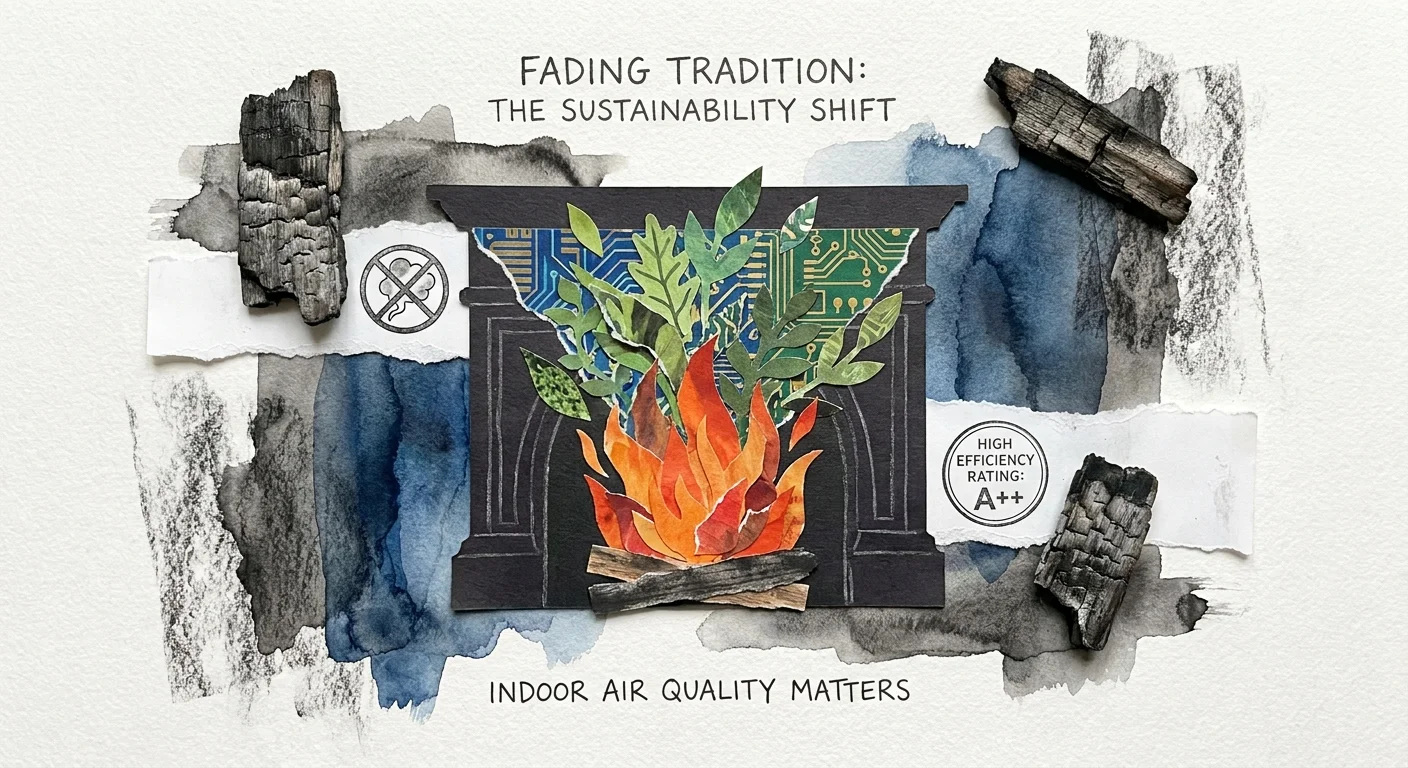
The romance of a crackling wood fire is undeniable, but the reality of owning a wood-burning fireplace involves chimney sweeps, high insurance premiums, and significant heat loss. Drafty masonry chimneys pull your expensive heated air straight out of the house. Furthermore, many cities now restrict wood burning due to air pollution.
Architects are replacing traditional hearths with high-efficiency direct-vent gas inserts or advanced electric fireplaces. Modern electric fireplaces utilize ultrasonic technology and water vapor to create incredibly realistic, cool-to-the-touch flames. These units provide the ambiance of a fire without the structural complexity, carbon footprint, or indoor smoke.
7. Fossil-Fuel Furnaces
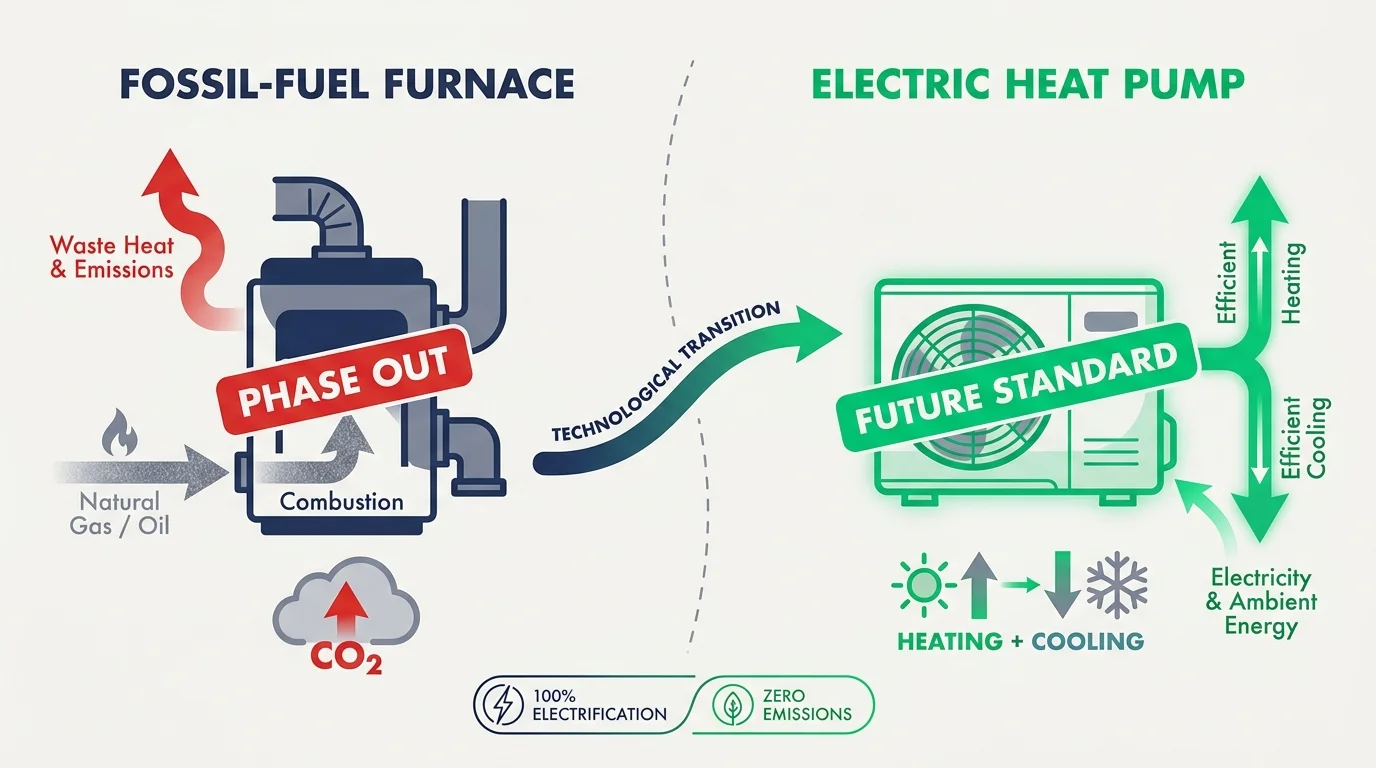
The basement furnace humming away and burning oil or natural gas is being phased out in favor of smarter, cleaner climate control. Air-source heat pumps are the future of residential heating and cooling. Unlike traditional systems that generate heat by burning fuel, heat pumps simply move existing heat from one place to another.
During the winter, they extract ambient heat from the outside air and pump it indoors; in the summer, they reverse the process to act as an air conditioner. Modern cold-climate heat pumps can operate efficiently even when temperatures drop below freezing. Organizations like This Old House frequently highlight how transitioning to a heat pump improves home energy scores and drastically cuts monthly utility bills.
8. Heavy Upper Kitchen Cabinets
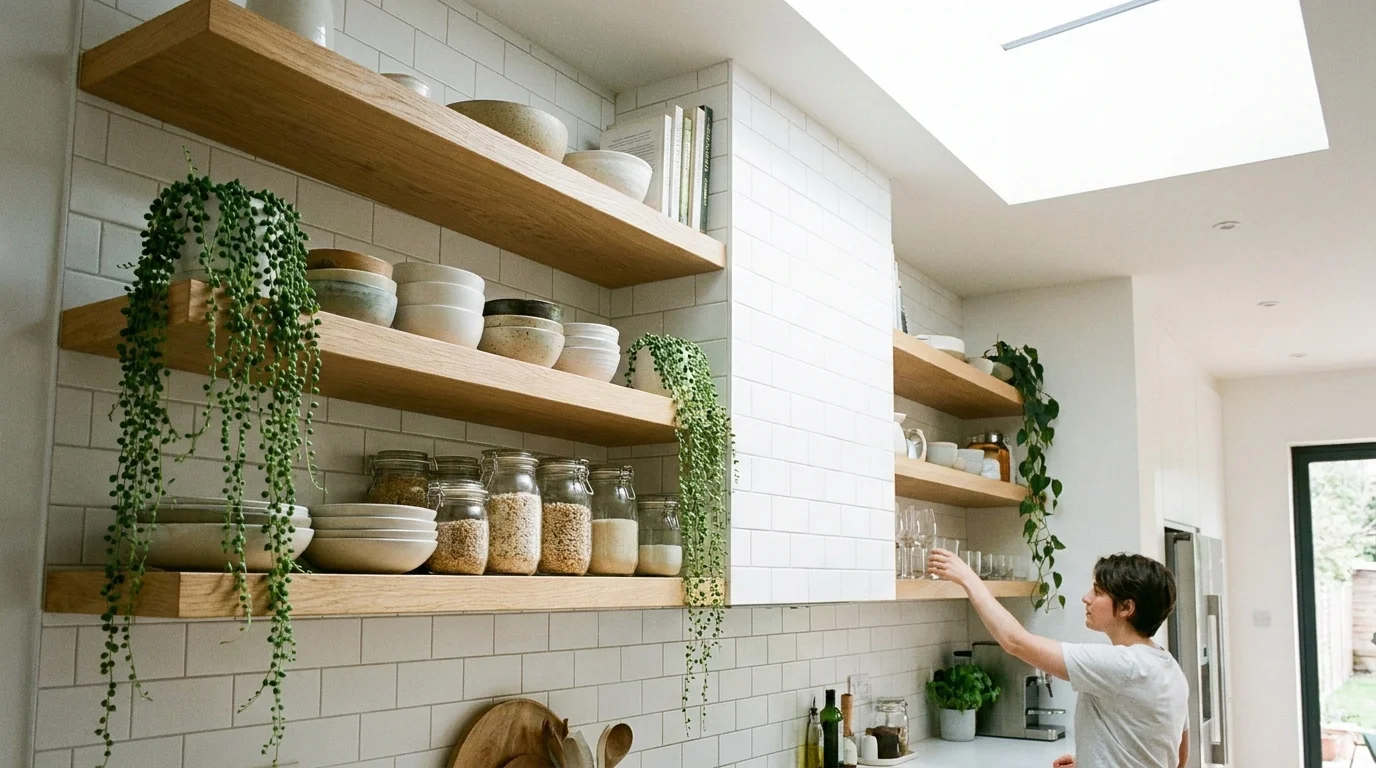
Kitchen design is trending toward lighter, brighter spaces. The standard practice of lining every inch of wall space with heavy upper cabinets is fading. Homeowners often find that upper cabinets create dark shadows over countertops and make the kitchen feel visually cramped.
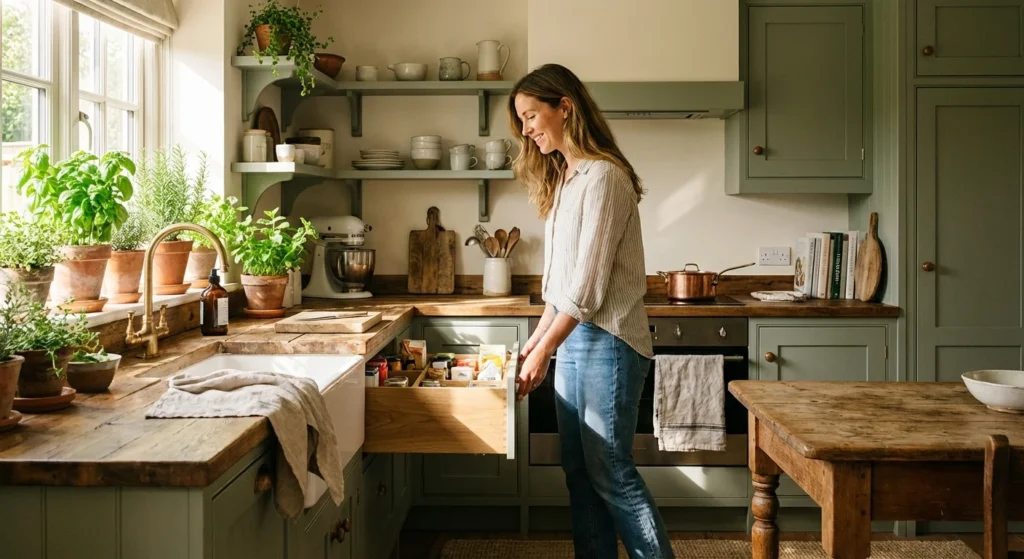
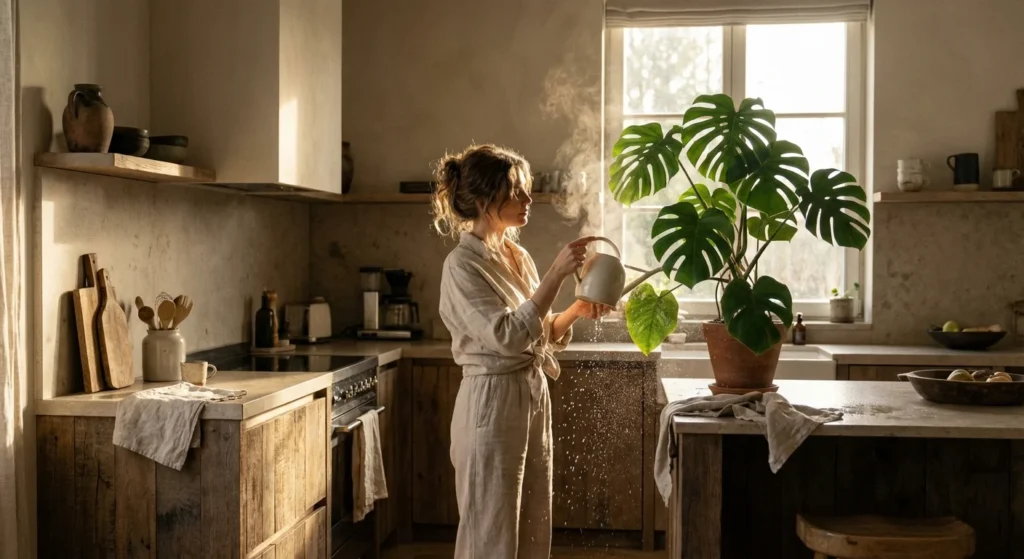
Future kitchens utilize deep lower drawers for ergonomic storage and rely on expansive pantry walls to hide clutter. Removing upper cabinets frees up vertical wall space for large windows, bringing in natural sunlight. This architectural shift creates the perfect environment for a thriving indoor garden. You can install floating shelves layered with trailing pothos, philodendrons, and fresh culinary herbs.
“A house is not a home unless it contains plants, light, and something growing.” — Paraphrased Botanical Proverb
9. Single-Use Guest Rooms
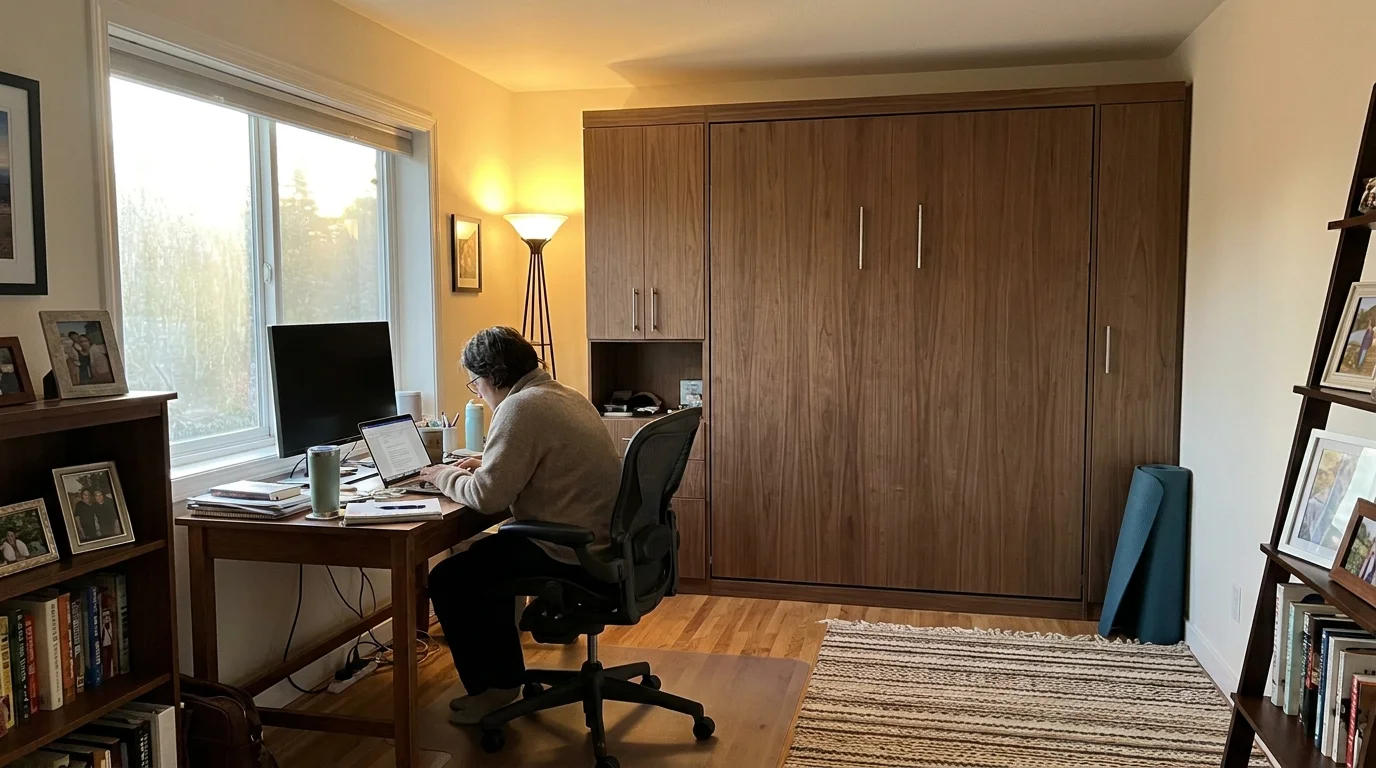
Dedicating an entire bedroom solely to guests who visit twice a year is a luxury many modern floor plans can no longer justify. As the cost per square foot rises, every room must earn its keep through daily utility.
The concept of the “flex room” is replacing the traditional guest room. According to design resources like Better Homes & Gardens, homeowners are opting for spaces that serve as a home office, yoga studio, or hobby room 350 days a year. By incorporating high-quality Murphy beds, hidden room dividers, and modular furniture, a functional daily workspace can seamlessly transform into a comfortable guest suite only when necessary.
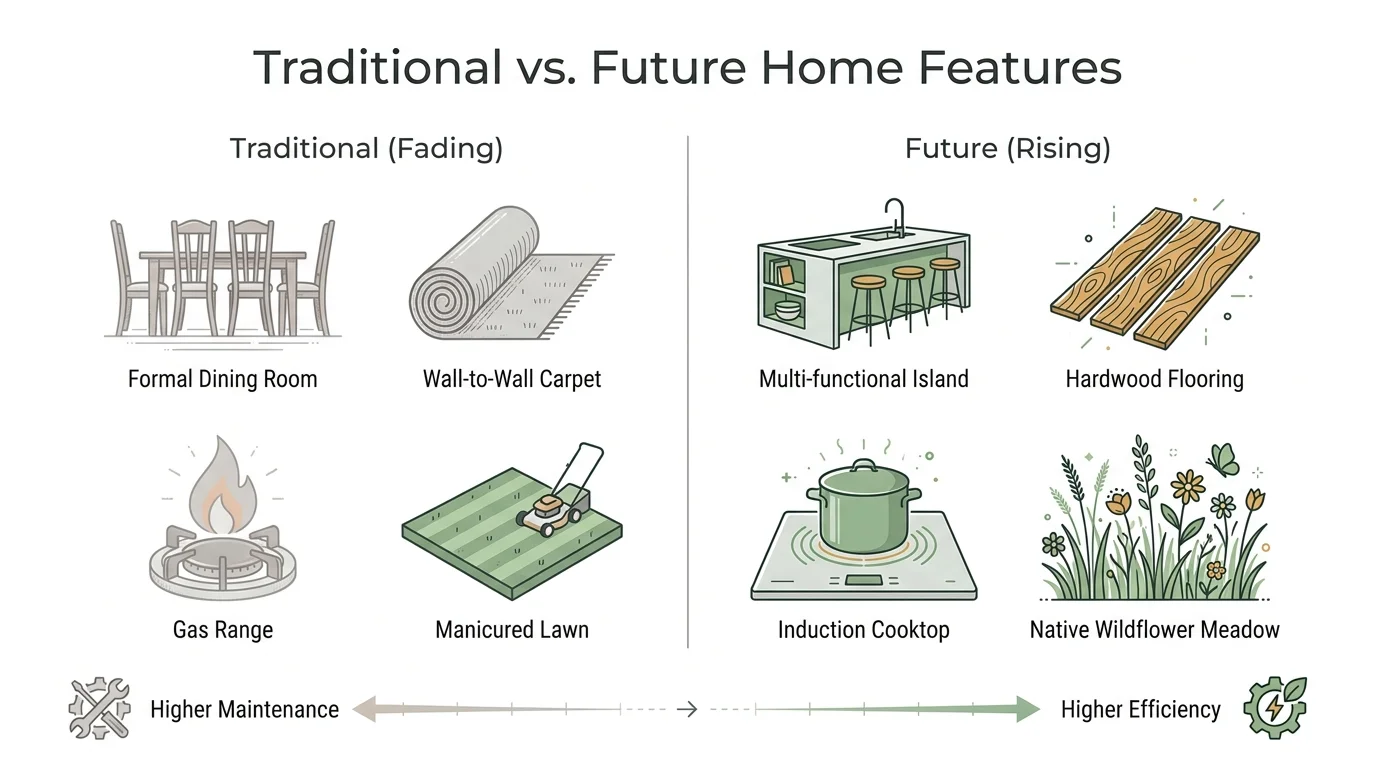
At a Glance: Traditional vs. Future Home Features
To summarize the shifting landscape of residential architecture, here is how standard features are being upgraded for modern living:
| Outdated Feature | Modern Replacement | Primary Benefit |
|---|---|---|
| Wall-to-Wall Carpeting | Hardwood or LVP with Washable Rugs | Improved air quality and easier maintenance. |
| Turf Grass Lawn | Native Landscaping and Microclover | Drought resistance and biodiversity. |
| Gas Cooktop | Induction Cooktop | Faster cooking and elimination of indoor pollutants. |
| Oversized Bathtub | Curbless Walk-in Shower | Water efficiency and long-term accessibility. |
| Formal Dining Room | Expanded Kitchen Hub / Scullery | Maximized daily utility of square footage. |
When It’s Worth the Investment
Upgrading your home to align with future trends requires capital, so you must know where to direct your budget for the best return on investment. If your home still relies on an outdated electrical panel, upgrading your service to 200 or 400 amps is heavily advised. Phasing out gas appliances, installing heat pumps, and integrating smart home technology all require robust electrical infrastructure.
Outdoor investments also yield high returns. Hiring a professional landscape architect to transition your traditional lawn into a drought-tolerant native garden pays for itself through reduced water bills and lower maintenance costs. Focus your budget on structural, electrical, and environmental improvements before tackling purely cosmetic changes.

Don’t Make These Errors
As you update your home to reflect modern standards, avoid these common renovation traps:
- Eliminating all bathtubs: While removing the massive primary tub is trending, you should keep at least one standard bathtub in the house (usually in a shared or family bathroom). Homes without a single bathtub can alienate buyers with young children.
- Tearing out mature trees: When transitioning your landscaping, protect mature, healthy trees. They provide crucial shade, lower your cooling costs, and add significant property value. Build your new drought-tolerant garden around them.
- Ignoring your electrical capacity: Do not purchase an induction stove or an electric vehicle charger without first having an electrician audit your current panel.
- Forcing an open concept: While formal dining rooms are fading, completely removing every interior wall creates noise and heating issues. Embrace “broken plan” living, where wide doorways and visual dividers keep spaces connected but distinctly zoned.
Frequently Asked Questions
Will my house lose value if I remove the formal dining room?
Generally, no. Most modern buyers value large, functional kitchens and flexible living spaces over formal dining rooms. If the renovation improves the flow of the home and adds usable square footage to high-traffic areas, it will likely increase your property value.
Are induction cooktops difficult to use?
Induction cooking comes with a short learning curve because it heats pans much faster than gas or traditional electric coils. You will need to ensure your cookware is magnetic (cast iron and stainless steel work perfectly). Once you adjust to the speed and precision, most home chefs prefer induction.
How do I transition away from a grass lawn without overwhelming my yard?
Start small. You do not need to rip up your entire lawn in one weekend. Begin by expanding your existing garden beds, replacing difficult-to-mow corners with native groundcover, or overseeding your existing grass with microclover to reduce watering needs.
The home of the future is not about cold, sterile technology; it is about creating a responsive environment that supports your health, respects natural resources, and adapts to your changing needs. By phasing out these nine outdated features, you are making room for natural light, cleaner air, and spaces that genuinely bring you joy.
Take a walk through your home today and identify one area that feels stuck in the past. Whether it is researching a heat pump water heater, browsing native plants for your front yard, or sketching out a plan to remove those bulky upper cabinets, your first step toward a future-proof home starts now. Results for DIY projects and plant care depend on your local climate, home conditions, and experience level. When in doubt, consult a licensed professional.
Last updated: February 2026. Plant care guidance reflects current horticultural best practices—always observe your specific plant’s signals.