The moment someone steps through your front door, their brain forms a lasting impression of your entire property within seconds. Capitalize on this reflex by upgrading your entryway to telegraph quality, care, and substantial home value. Interior designers agree that specific foyer enhancements yield disproportionate returns, transforming a basic drop zone into an architectural statement. Instead of treating this transitional space as a place to dump keys and shoes, view it as your home’s most vital staging ground. Upgrading door hardware, optimizing ambient lighting, and introducing vibrant botanicals establish an immediate sense of elevated living. By implementing these nine strategic entryway features, you maximize your property’s perceived worth before visitors even reach the main living room.
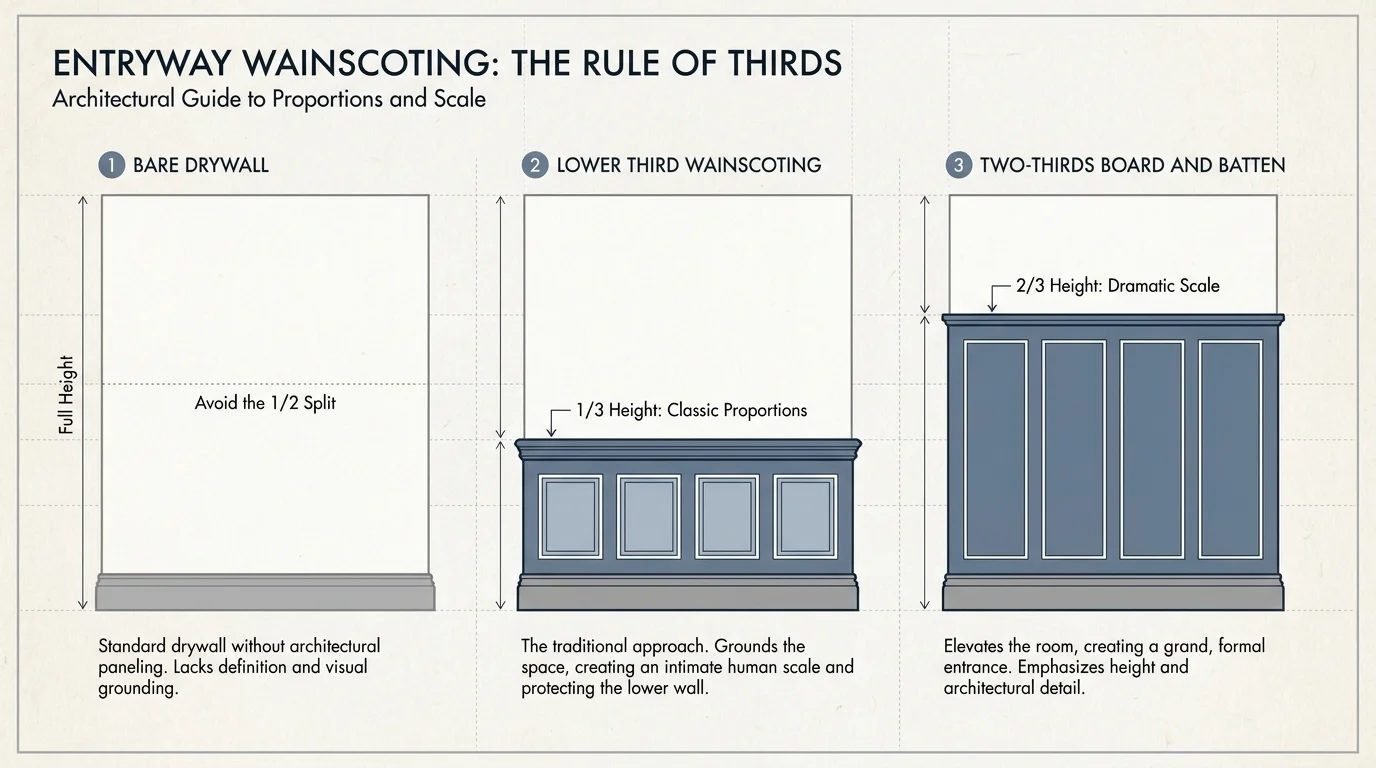
Architectural Millwork and Wainscoting
Bare drywall rarely communicates luxury. Adding dimensional millwork—such as board-and-batten, picture frame molding, or classic beadboard—instantly elevates the architectural integrity of your home. Millwork creates a sense of permanence and history, tricking the eye into perceiving the space as custom-built and highly considered. When you paint these wood features in a rich, saturated hue or a crisp, high-gloss white, you provide an immediate visual anchor for the room.
Wainscoting also serves a highly practical purpose in high-traffic zones. Drywall easily scuffs from rogue shoes, swinging backpacks, and wet umbrellas. Wood paneling capped with a sturdy chair rail protects your walls while looking incredibly sophisticated. If you tackle this upgrade yourself, measure your ceiling height carefully; wainscoting generally looks best when it covers either the lower third or the lower two-thirds of the wall, avoiding the awkward visual halving of the space.
Substantial Solid-Brass Door Hardware
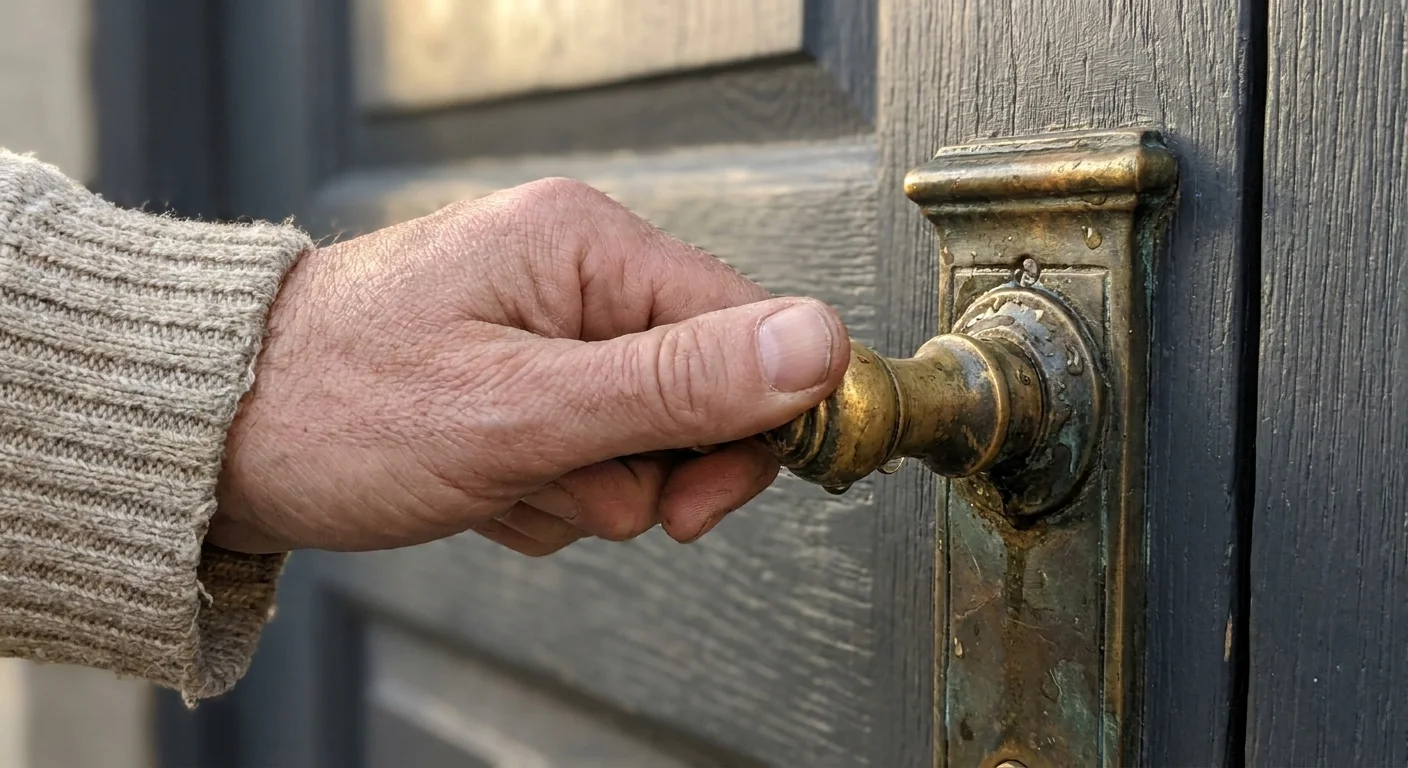
The very first physical interaction anyone has with your home is turning the front doorknob. Hollow, lightweight, or tarnished hardware subtly communicates cheapness, while heavy, solid-brass hardware telegraphs quality and security. Upgrading your entry sets, hinges, and deadbolts is one of the most cost-effective ways to increase perceived value.
Consider the tactile experience of unlatching a heavy mortise lock or grasping a substantial thumb-latch handle. Choose finishes that age gracefully, such as unlacquered brass, which develops a beautiful living patina over time, or matte black for a crisp, contemporary edge. For guidance on selecting hardware that properly fits your door’s cross-bore dimensions and backset, resources like This Old House offer excellent technical walkthroughs. Do not forget to match the interior hinges to your new doorknob for a cohesive, professional finish.
Layered, Statement Lighting
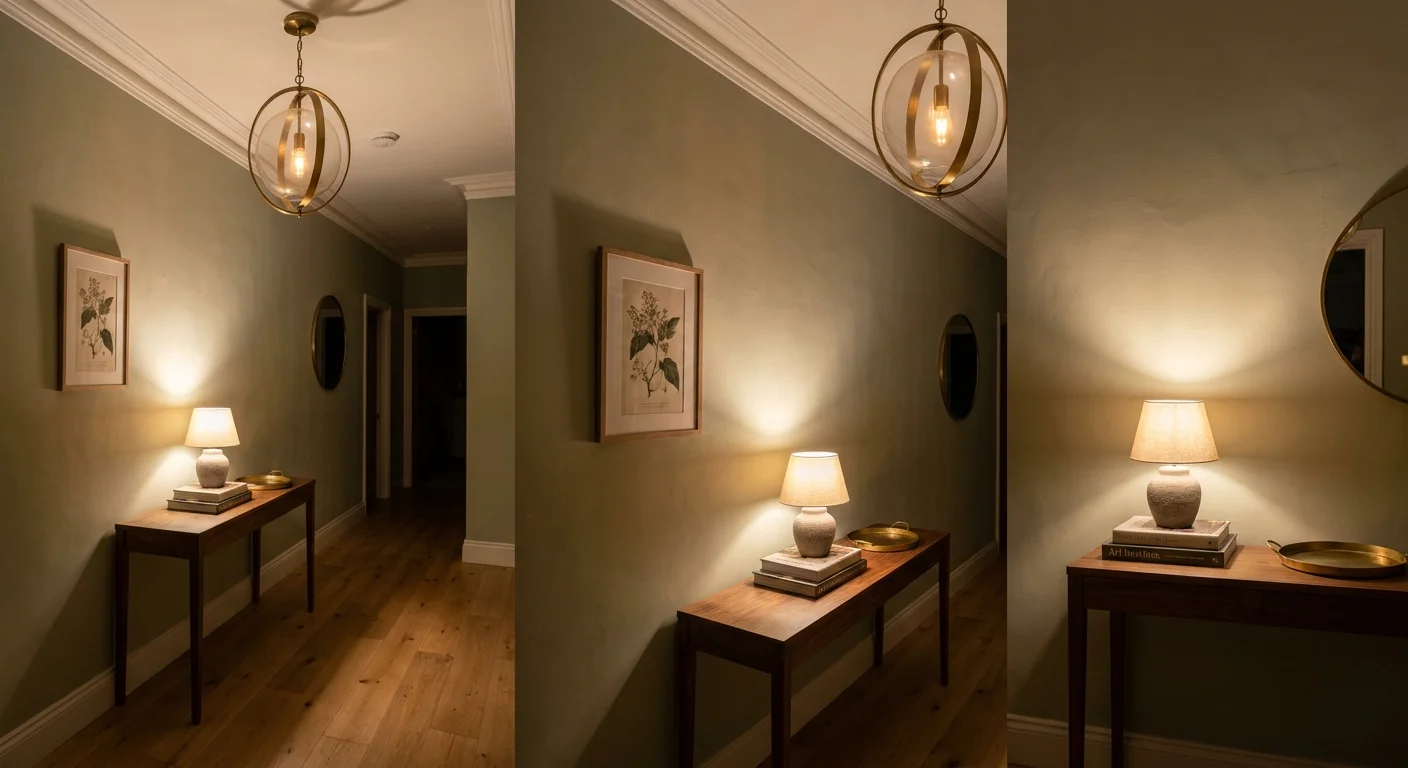
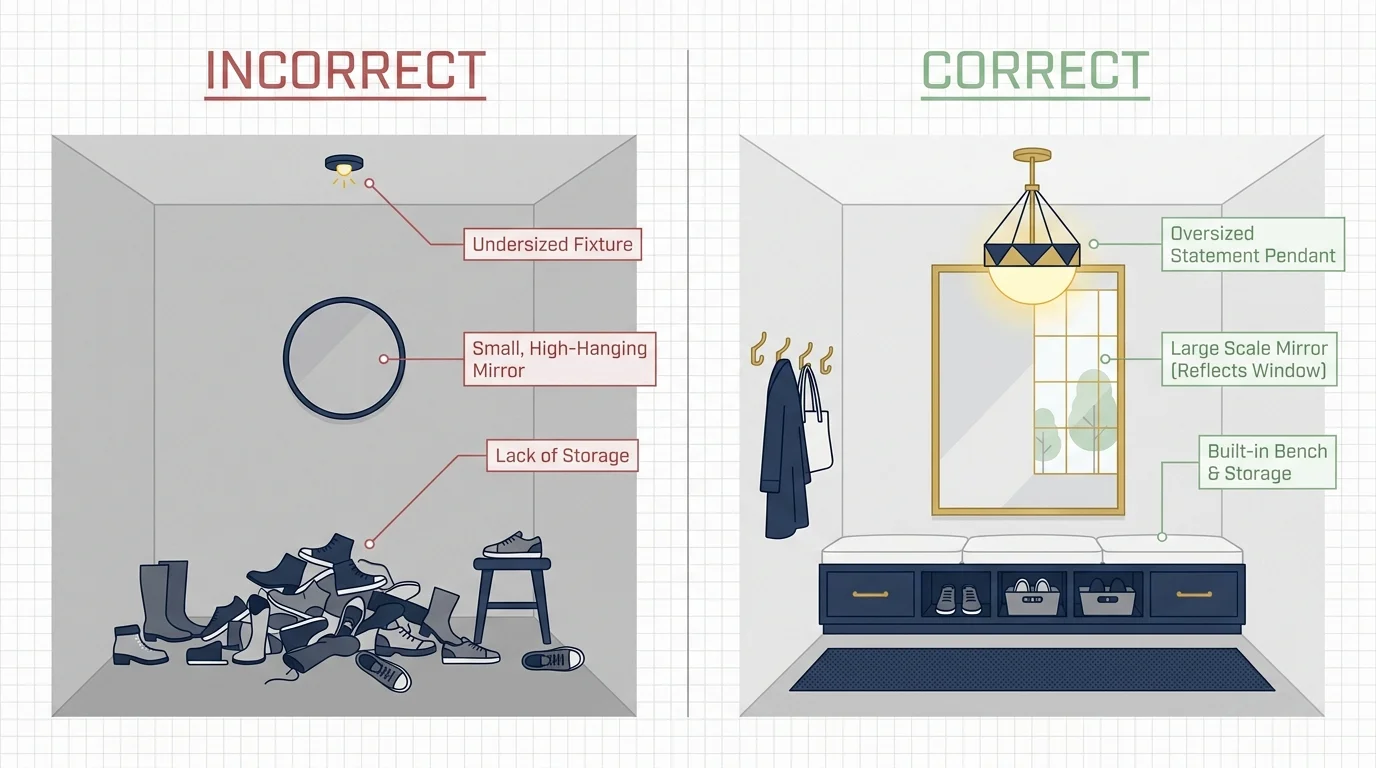
Relying on a single, builder-grade flush mount fixture guarantees a flat, uninviting atmosphere. Valuable homes utilize layered lighting to create warmth, depth, and drama. Your entryway requires at least two light sources: a statement overhead fixture and a soft accent light.
Swap out generic ceiling “boob lights” for oversized pendants, sculptural chandeliers, or high-quality semi-flush mounts that draw the eye upward. Scale is crucial here—most homeowners choose fixtures that are far too small for their entryways. Once your overhead lighting is established, add a table lamp to your console or install wall sconces flanking a mirror. Ensure your bulbs are uniform in color temperature; 2700K to 3000K provides the perfect warm, welcoming glow that flatters skin tones and highlights architectural details.
Large-Scale, Thriving Botanicals
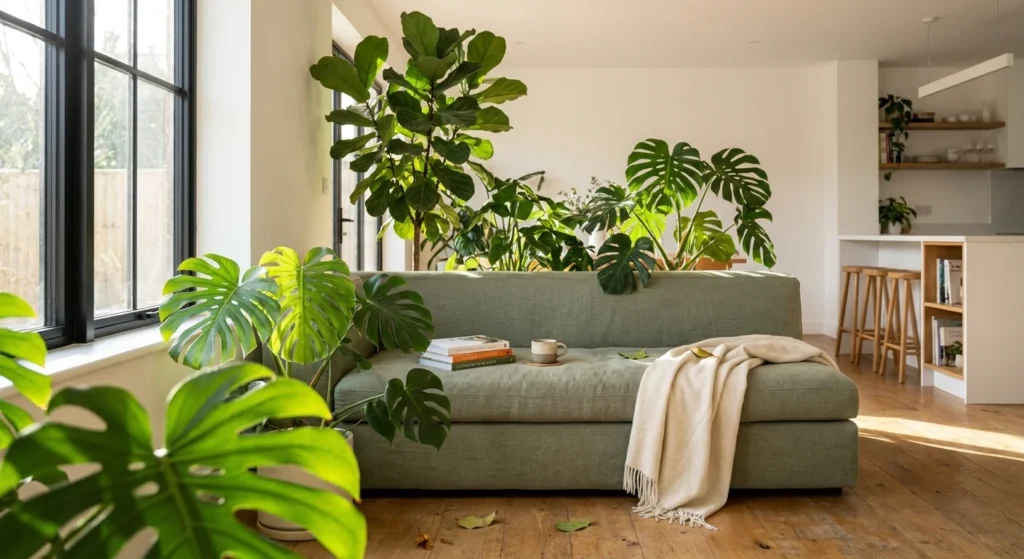
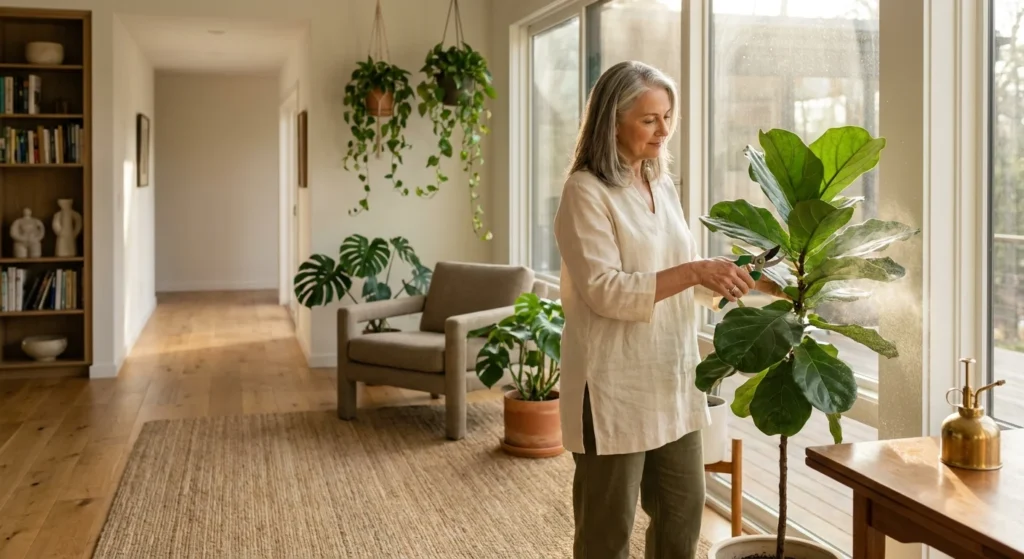
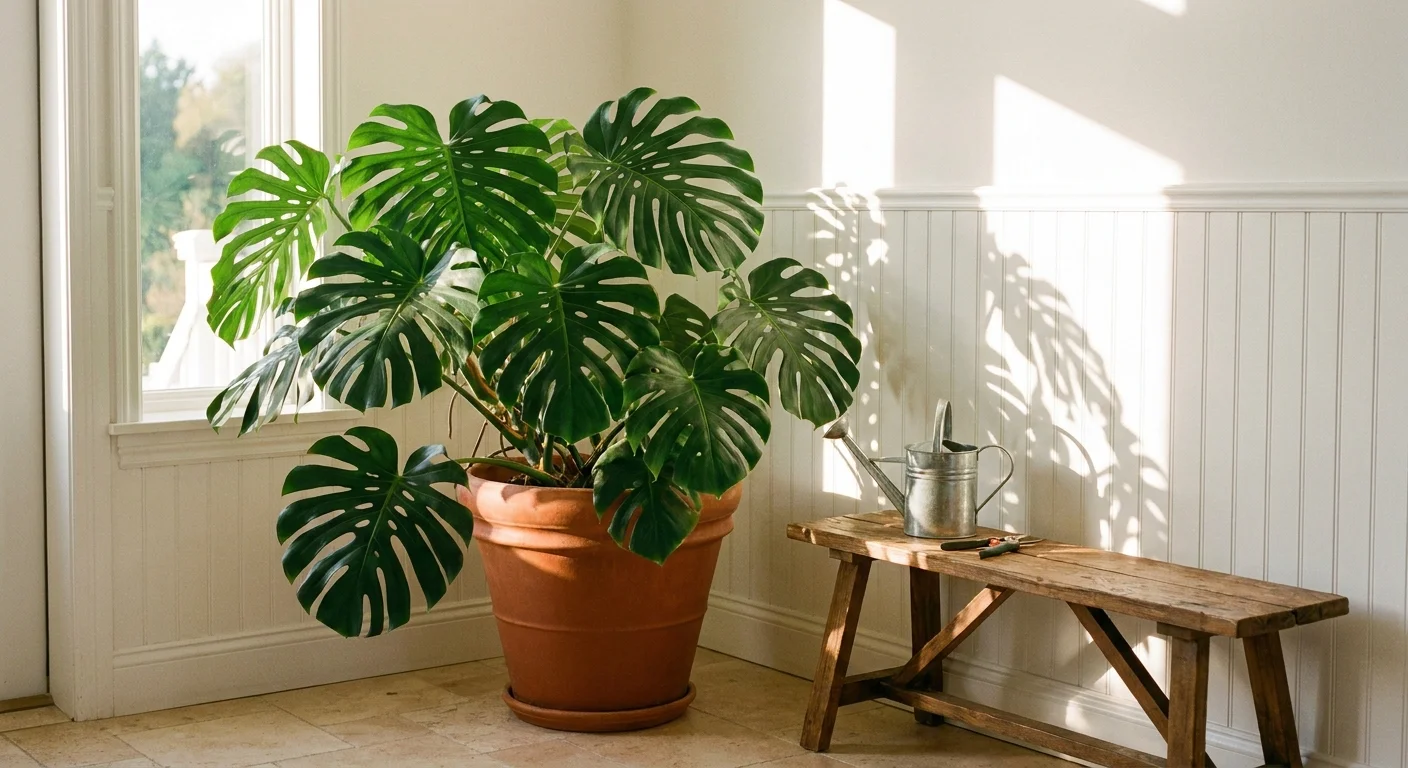
Nothing breathes life into a sterile space quite like vibrant, healthy foliage. Plants soften hard architectural lines and signal that the home is a nurturing, well-cared-for environment. An empty corner in a foyer immediately feels deliberate and luxurious when anchored by a tall, structural houseplant.
“A house is not a home unless it contains plants, light, and something growing.” — Paraphrased Botanical Proverb
When selecting entryway botanicals, focus on species with strong silhouettes that can tolerate the drafty conditions often found near exterior doors. Keep these robust options in mind:
- Ficus elastica (Rubber Tree): Features large, glossy leaves that look incredibly sleek. It handles the variable temperatures of a foyer better than its finicky cousin, the Fiddle Leaf Fig.
- Zamioculcas zamiifolia (ZZ Plant): Perfect for dark, narrow hallways. Its upright, architectural stems thrive on neglect and require very little natural light.
- Dracaena marginata: Offers a spiky, palm-like aesthetic that brings height and drama without taking up too much floor space.
- Strelitzia nicolai (White Bird of Paradise): Ideal for grand, brightly lit entryways with high ceilings. Its massive, paddle-shaped leaves command attention.
Always house your entryway plants in high-quality planters. Fiberglass, terra cotta, or glazed ceramic pots add another layer of texture. If you have curious pets at home, always verify plant safety through the ASPCA Animal Poison Control database, as many popular houseplants can be irritating or toxic if ingested.
Custom or Built-In Storage Solutions
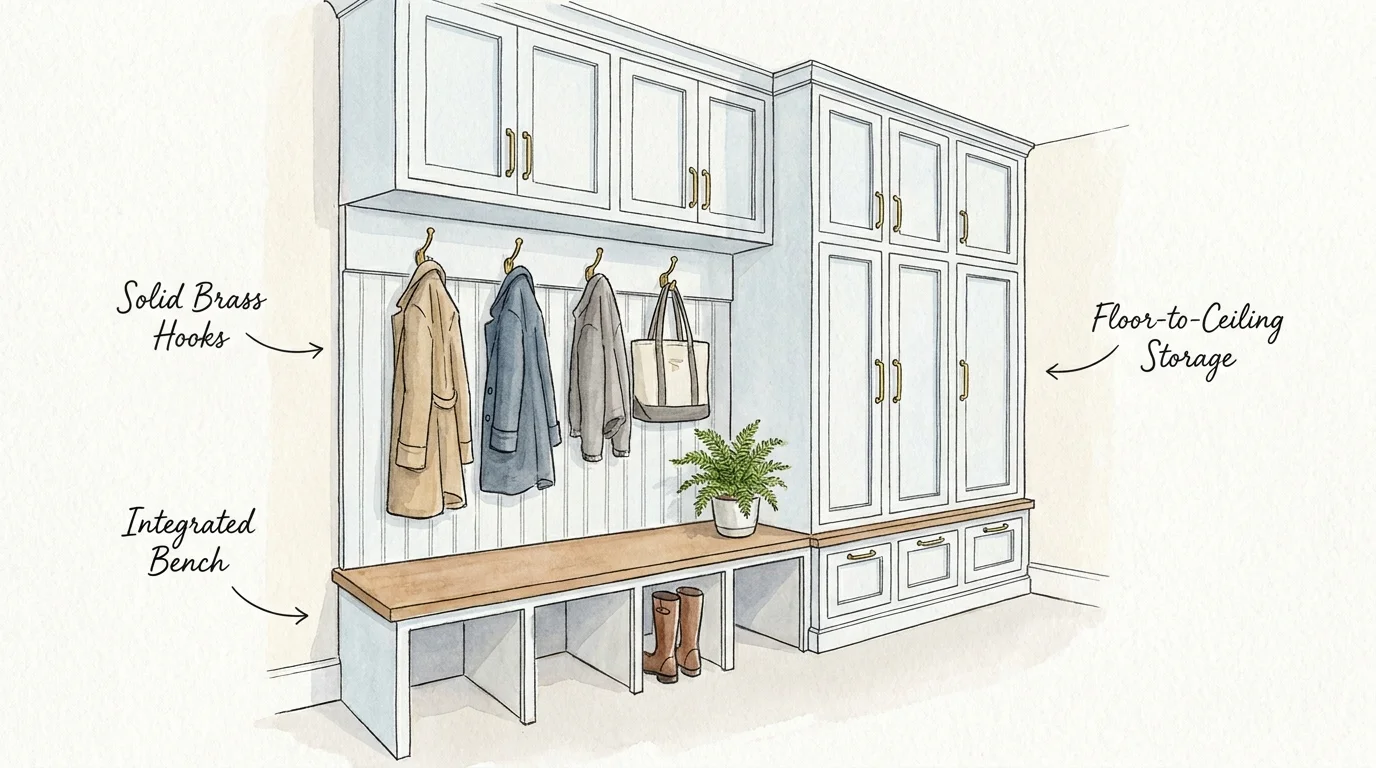
A cluttered entryway instantly creates a feeling of stress and diminishes a home’s perceived value. Piles of shoes and overflowing coat racks signal to buyers or guests that the house lacks adequate storage. Solving this problem with built-in or custom-looking furniture changes the entire narrative of the space.
If your budget allows, commission a custom mudroom bench with closed cabinetry above and pull-out shoe drawers below. If a custom build is out of reach, you can easily hack flat-pack furniture by adding trim, painting it to match your walls, and swapping out the factory hardware for heavy brass pulls. The secret to expensive-looking storage is concealment. Display only a few curated items—a beautiful scarf, a classic umbrella—and hide the everyday chaos of sneakers and junk mail behind closed doors. Design platforms like Houzz consistently report that dedicated, organized entryway storage ranks highly among features that increase home resale appeal.
High-Quality Flooring Foundations
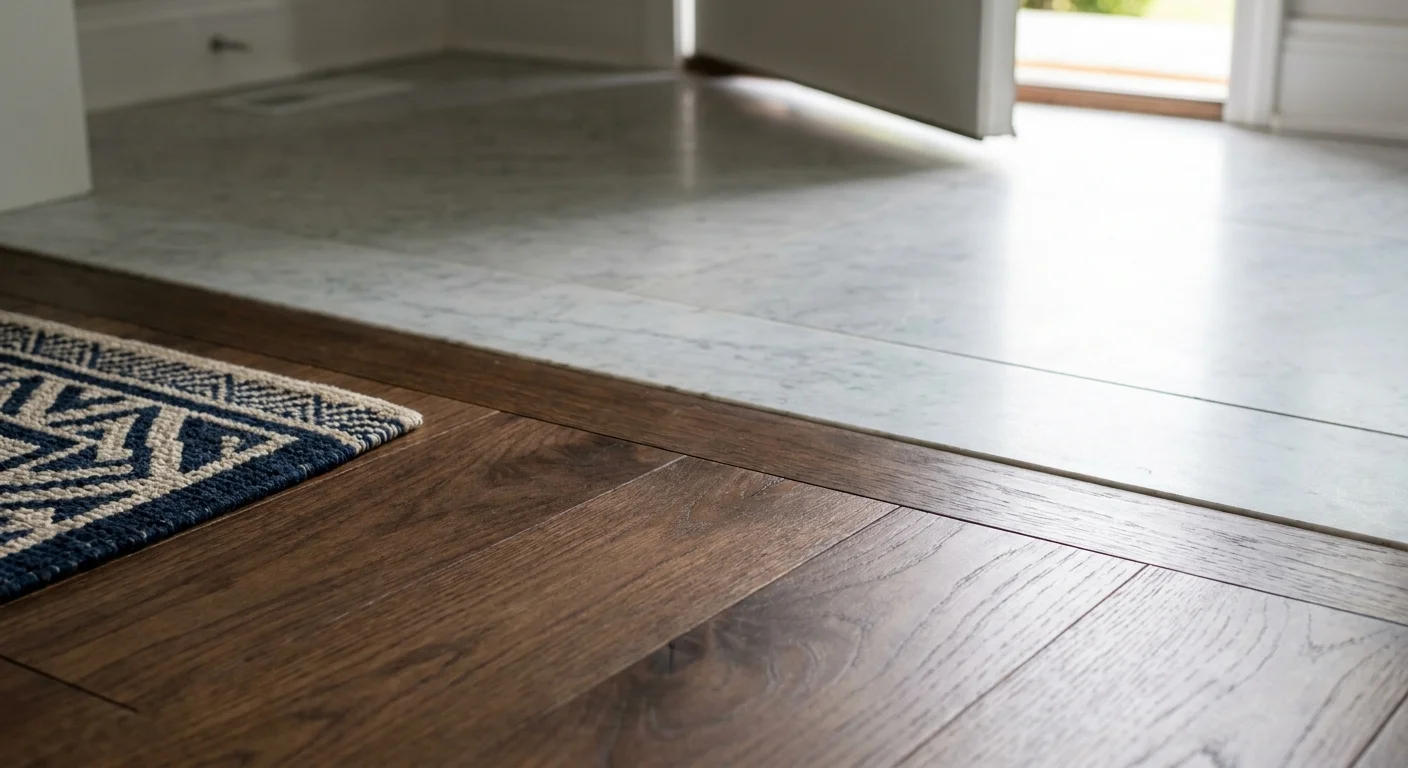
Entryway flooring takes a massive beating from grit, moisture, and heavy foot traffic. Upgrading this small square footage pays massive dividends in how your home is perceived. Transitioning from worn carpet or dated linoleum to a high-quality hard surface instantly grounds the space.
Consider the unique demands of an entryway when selecting materials. Here is how popular high-end flooring options compare:
| Material | Durability | Maintenance Level | Perceived Value |
|---|---|---|---|
| Natural Slate | Extremely High | Low (Requires occasional sealing) | High — Offers a timeless, organic texture perfect for mudrooms. |
| Solid Hardwood | Medium | Medium (Susceptible to water damage and scratches) | Very High — Seamlessly connects the entry to the rest of the home. |
| Porcelain Tile | Very High | Very Low (Impervious to water) | High — Available in large formats that minimize grout lines. |
| Luxury Vinyl Plank (LVP) | High | Extremely Low | Medium — Highly practical, though slightly less luxurious to the touch. |
If replacing the floor is not an option, invest in a substantial, high-quality rug. Vintage Persian rugs or thick wool runners hide dirt exceptionally well and introduce complex patterns that elevate the space. Avoid cheap, thin synthetic mats that curl at the edges—these present a tripping hazard and cheapen the room.
Strategic Oversized Mirrors
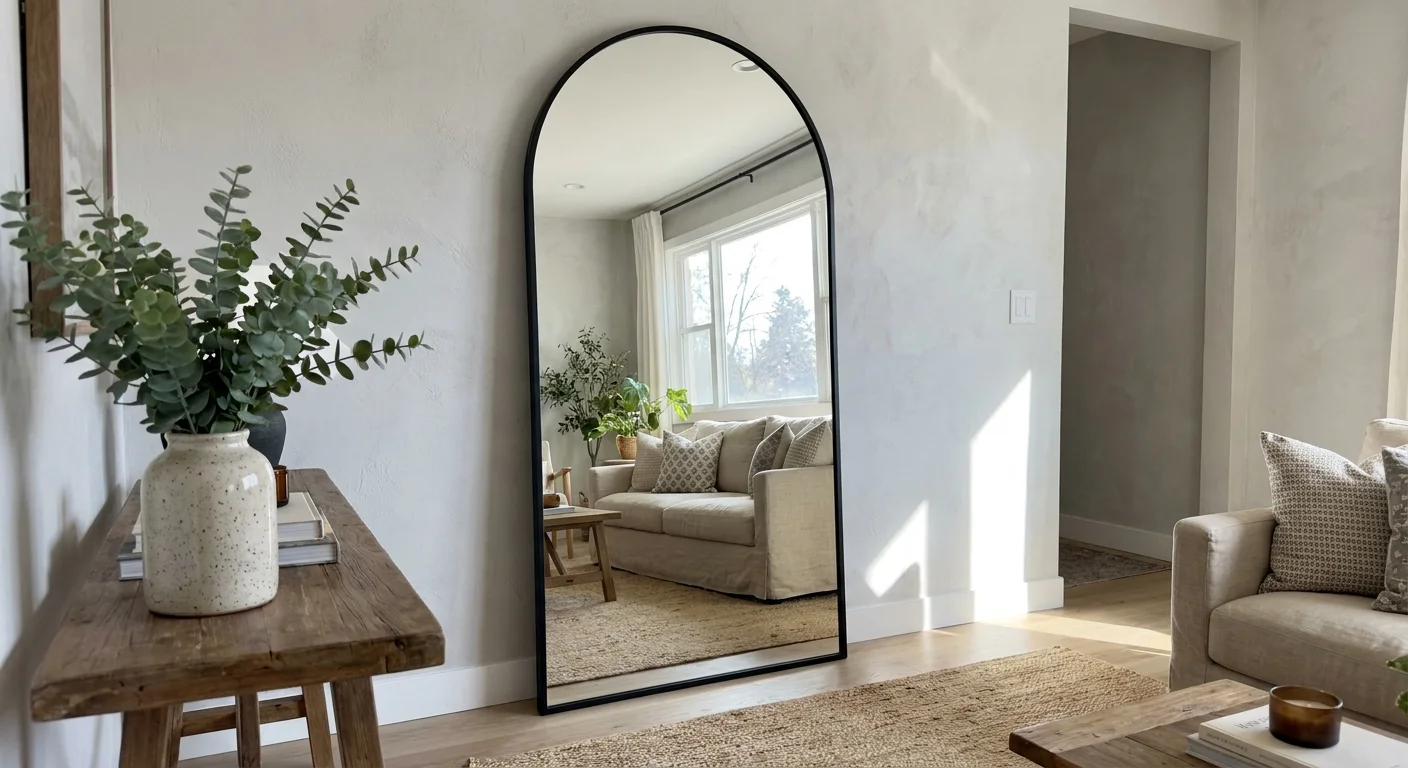
Mirrors are the ultimate utility players in interior design. In an entryway, they perform a dual function: they provide a convenient spot for a final outfit check before walking out the door, and they manipulate light to make the space feel significantly larger. Valued homes rarely feature cramped, dark corridors.
Instead of hanging a modest 8×10 mirror, scale up. Lean a massive floor mirror against the wall, or mount a large round mirror above your console table. Ensure the mirror reflects something beautiful—a piece of art, a stunning light fixture, or a window—rather than a blank wall or a pile of clutter. Lifestyle sites like Apartment Therapy often showcase how a strategically placed oversized mirror can effectively double the visual depth of a narrow foyer.
Distinctive Natural Stone Elements
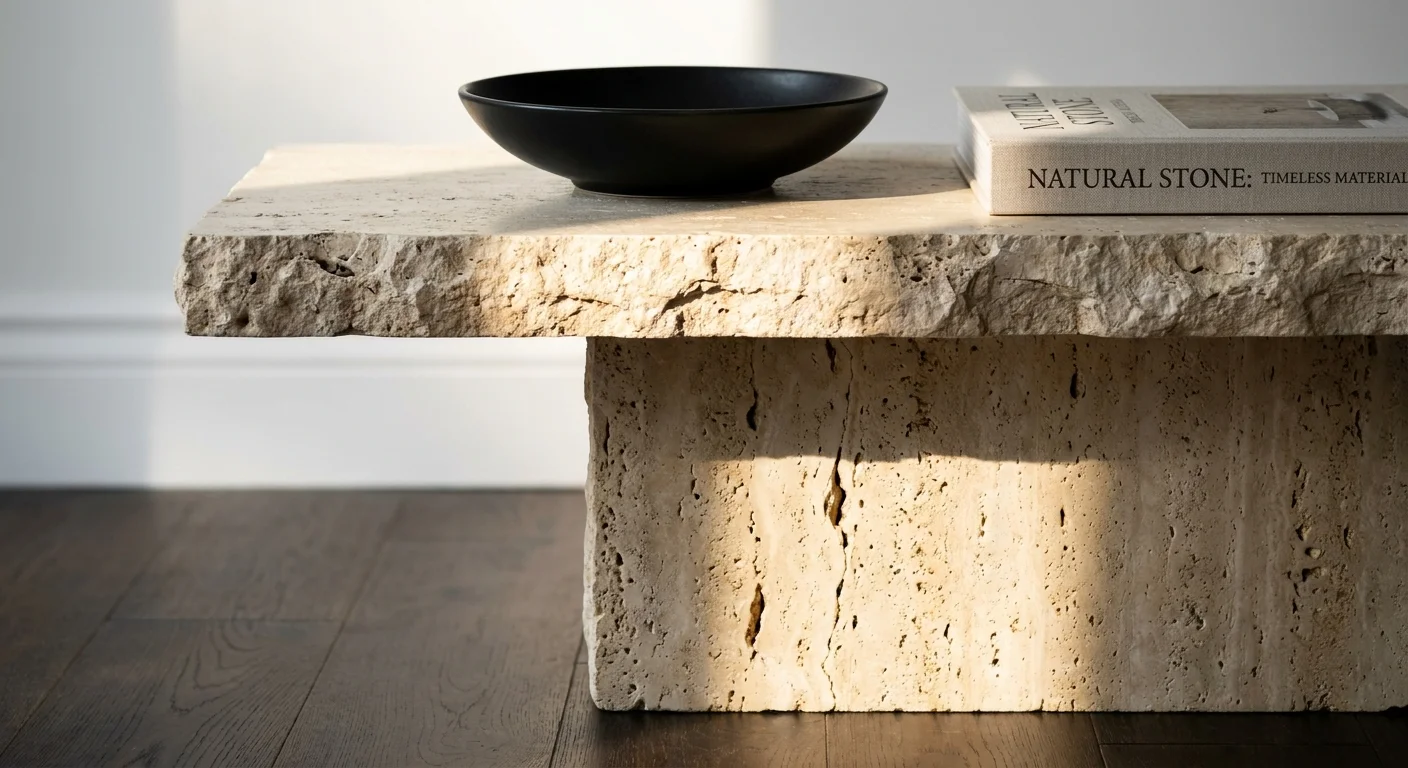
Incorporating natural stone into your entryway design introduces a tactile layer of luxury. Stone carries visual weight and history, instantly anchoring a space. You do not need to install marble floors to achieve this effect; small, deliberate touches work beautifully.
Top a sleek metal console base with a custom remnant of marble, travertine, or soapstone from a local stone yard. Alternatively, place a heavy, carved marble catch-all tray near the door for keys and sunglasses. The cold, smooth touch of natural stone contrasts brilliantly with the warmth of wood floors and the soft texture of botanical leaves, creating a dynamic and highly designed vignette.
Elevated Sightlines with Window Treatments
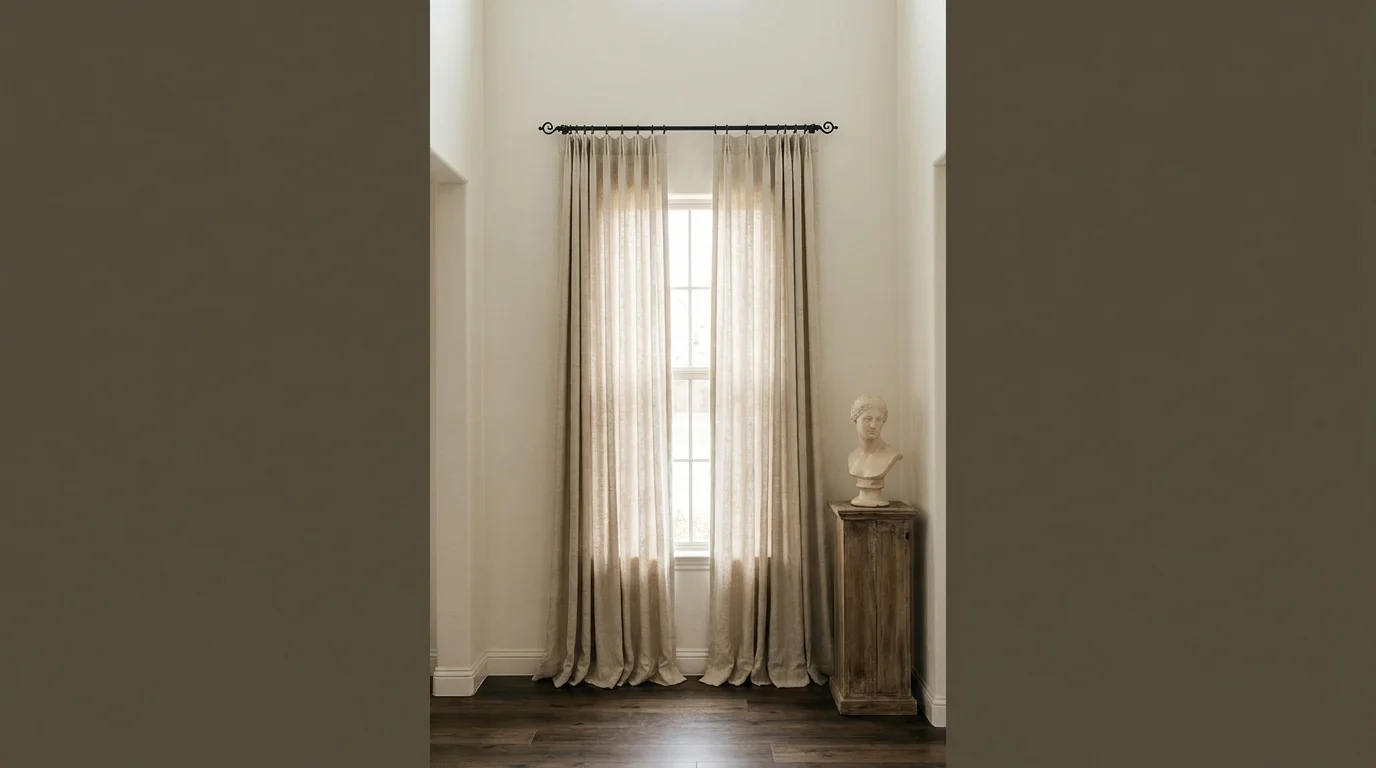
If your entryway features sidelights, a transom window, or a nearby front-facing window, do not overlook the window treatments. Builder-grade plastic blinds or bare, frosted glass can make a home feel unfinished. Well-executed window coverings draw the eye upward, accentuating ceiling height and framing the architecture.
Opt for custom-fit Roman shades in a textured linen or woven wood material. If you have the wall space, hang drapery panels high and wide. Mounting the curtain rod just below the ceiling line—rather than directly above the window frame—tricks the brain into perceiving taller walls and larger windows, a hallmark of luxury real estate.
Where Most People Go Wrong
Even with the right materials, execution matters. Avoid these common entryway pitfalls that inadvertently drag down your home’s perceived value:
- Disrupting the Door Swing: Placing furniture too close to the front door forces guests to squeeze inside. Always ensure the door can open fully to 90 degrees without hitting rugs, benches, or planters.
- Ignoring Scale: A tiny table and a miniature lamp on a large blank wall look timid. Scale your furniture and art up. Fewer, larger pieces always look more expensive than a collection of small trinkets.
- Decorating Clutter: Putting a beautiful bowl on top of a pile of junk mail does not hide the junk mail. You must solve the functional storage problems before you layer in the decorative elements.
- Neglecting Scent: Your entryway defines the olfactory impression of your home. Stale air or harsh chemical fresheners read as cheap. Introduce a subtle, high-quality diffuser or light a naturally scented botanical candle before guests arrive.
When to Call a Professional
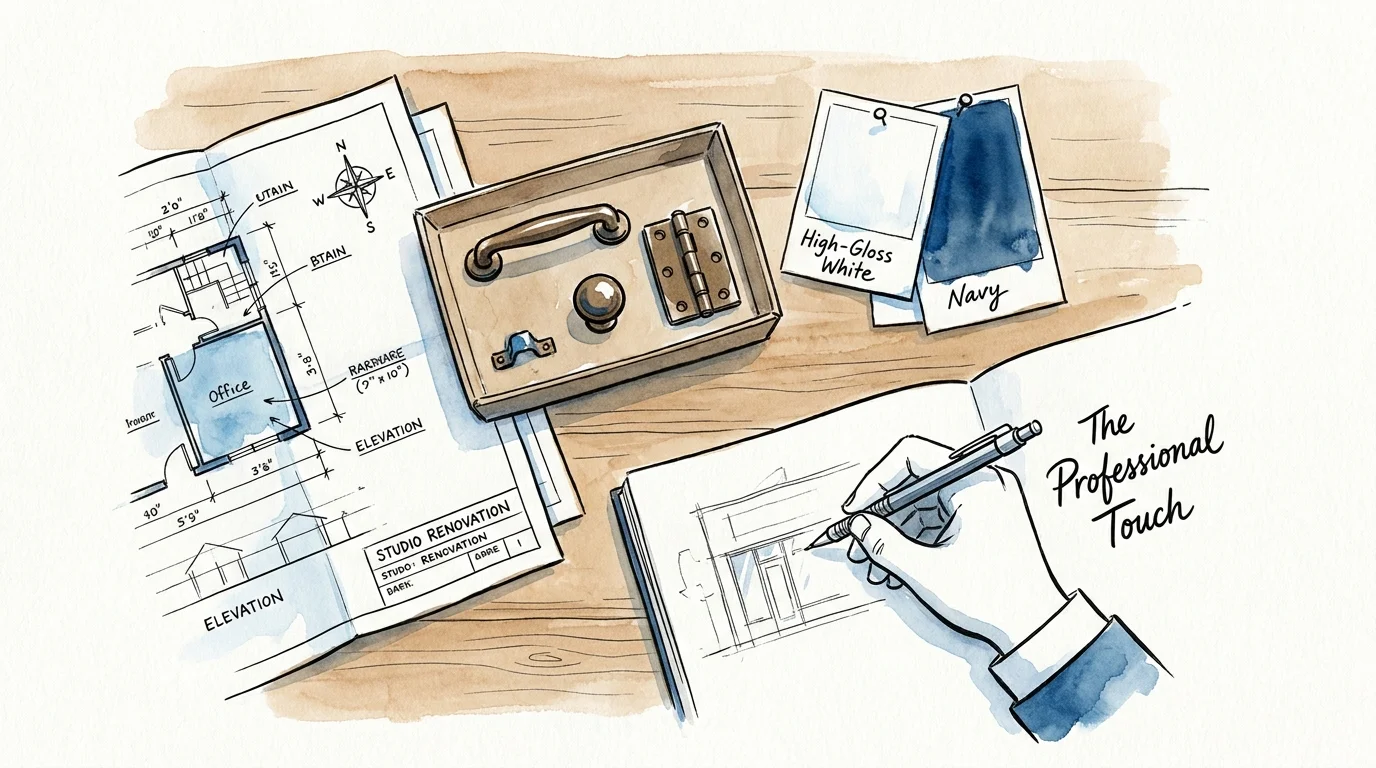
While many entryway upgrades are perfect weekend DIY projects, certain features require professional intervention to maintain safety and home value. Bring in a licensed contractor or specialist in these scenarios:
Electrical Work: If you are moving junction boxes for a new chandelier or hardwiring wall sconces where none previously existed, hire a licensed electrician. Faulty wiring is a massive safety hazard and will instantly flag on a future home inspection.
Structural Door Changes: Swapping a standard front door for a larger architectural door, widening sidelights, or installing a heavier solid wood door often requires reframing and precise balancing. An improperly hung front door compromises your home’s security and energy efficiency.
Custom Built-ins: If your walls are heavily out of plumb or you want floor-to-ceiling millwork that seamlessly integrates with existing crown molding, a finish carpenter will deliver that flawless, built-in look that DIY attempts often miss.
Take Control of Your First Impression
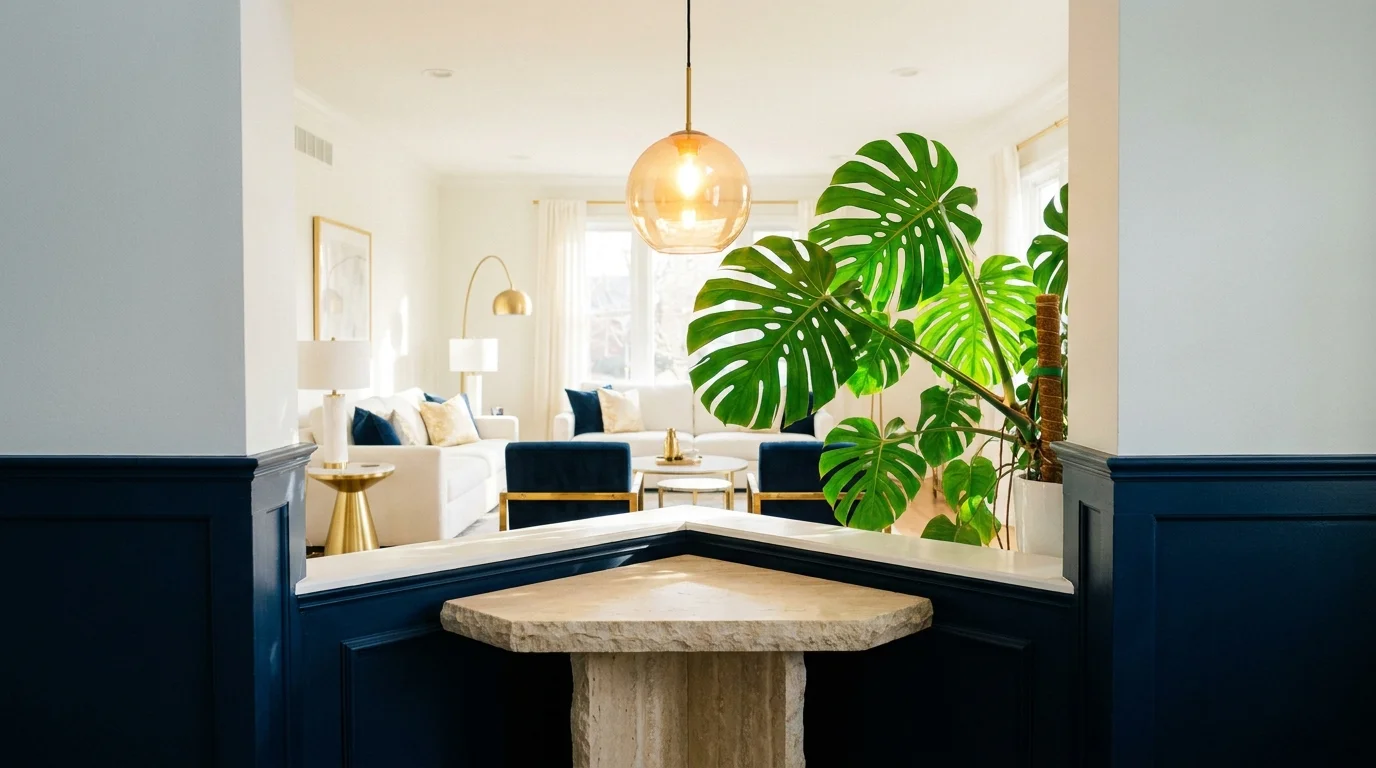
Your entryway sets the tone for everything that follows. You do not need to overhaul the entire space in a single weekend to see a massive shift in how your home feels. Start with the tactile elements—swap out that loose door handle and replace your burnt-out entryway bulbs with warm, inviting lighting. From there, systematically introduce organization, natural stone, and thriving plants.
By treating your foyer as a deliberate design destination rather than a mere thoroughfare, you elevate the daily experience of coming home while simultaneously boosting your property’s overall appeal. Plant care requirements vary by climate, soil, and growing conditions. Always confirm plant toxicity with your veterinarian if you have pets or young children. Now, go assess your drop zone and choose one feature to upgrade today.
Last updated: February 2026. Plant care guidance reflects current horticultural best practices—always observe your specific plant’s signals.