Smart Strategies & Upgrades
1. An Army of Tiny Potted Plants
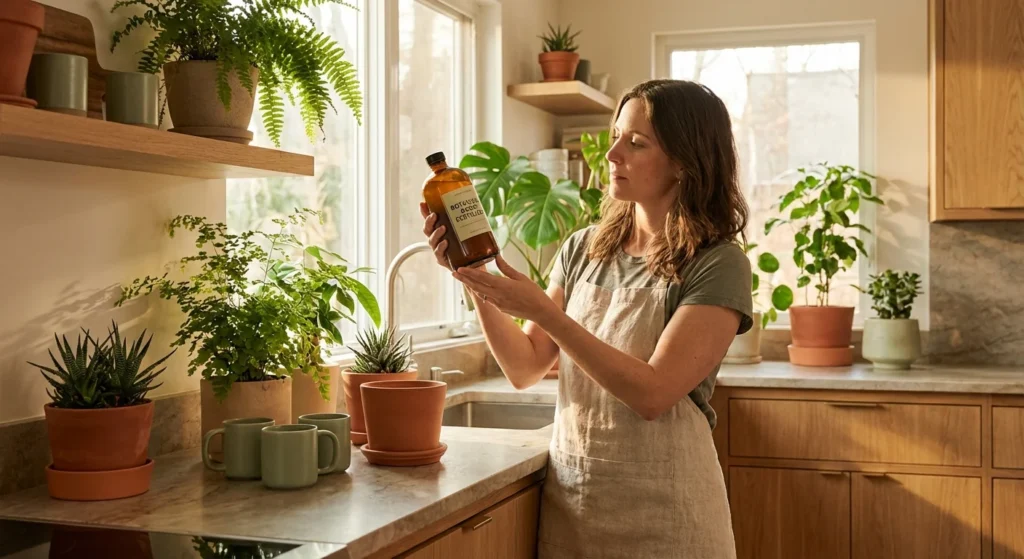
Plant enthusiasts often fall into the trap of accumulating dozens of miniature pots, delicate propagation stations, and tiny starter plants. While nurturing fresh cuttings is a joyful and rewarding pursuit, spreading tiny containers across every available windowsill scatters the eye and makes the room look instantly messy. When your gaze jumps from one tiny object to the next, the brain perceives the arrangement as disorganized clutter rather than an intentional display.
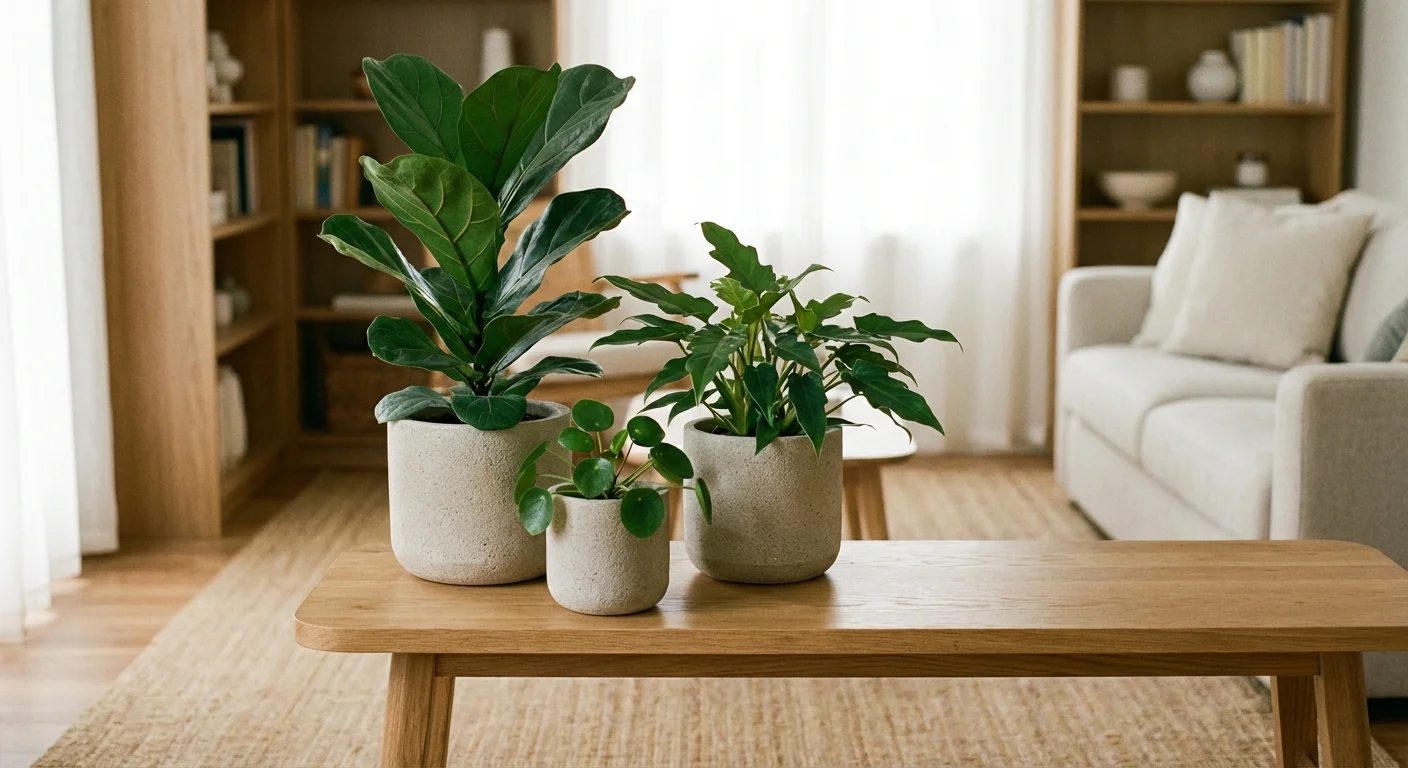
Furthermore, small pots dry out rapidly; this forces you into a demanding, high-frequency watering cadence that leaves little room for error or a weekend getaway. Consolidate your collection to create a much stronger visual impact. Group compatible plants together in larger, statement planters—a widely utilized interior design practice often referred to as indoor container gardening.
When combining different species, ensure they share identical light and moisture requirements. Understanding the proper soil composition is critical here; a well-draining mix containing generous amounts of perlite, orchid bark, and high-quality potting soil prevents dangerous moisture buildup in larger vessels. Choose pet-safe varieties like the vibrant Calathea or the classic Spider Plant (Chlorophytum comosum) if you share your home with inquisitive animals. Larger soil volumes retain moisture far more consistently, supporting robust root systems and drastically reducing your weekly maintenance time.
2. Inconsistent and Mismatched Planters
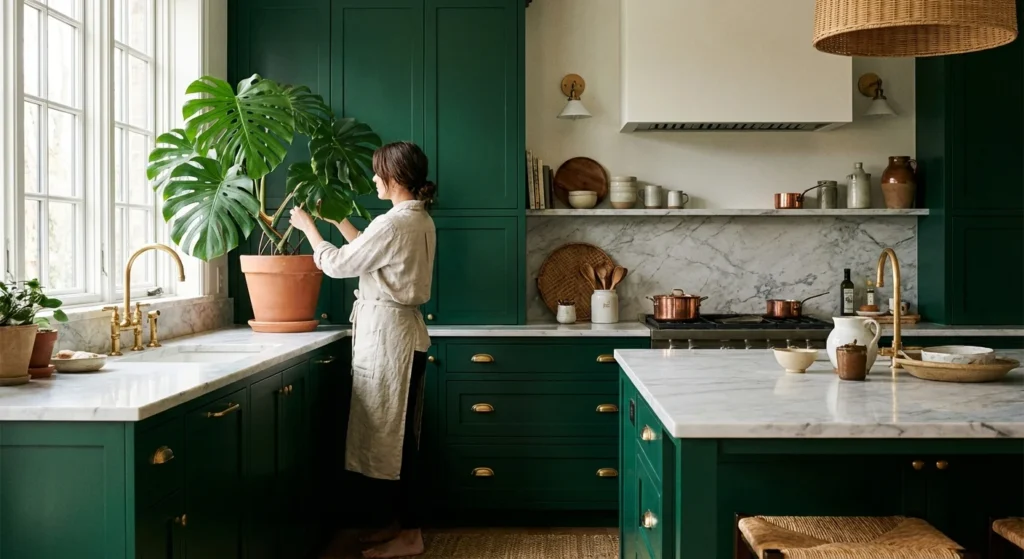
Housing your indoor greenery in a chaotic mix of plastic nursery pots, chipped ceramics, and improvised containers creates severe visual fragmentation. Even the healthiest, most spectacular Monstera deliciosa loses its architectural appeal when overshadowed by a jarring, brightly colored plastic bucket. This total lack of cohesion distracts from the natural beauty of the foliage and directly undermines your broader home organization efforts.
Establish a unified material palette for your plant containers to restore visual harmony. You certainly do not need exactly matching pots in every single room, but sticking to three complementary materials—such as classic unglazed terracotta, matte white ceramic, and woven seagrass—instantly elevates the entire space. This subtle repetition signals intentionality and transforms a haphazard collection into a curated indoor garden.
Always ensure your decorative cachepots feature proper drainage holes, or simply use them to house standard plastic nursery pots elevated on a shallow layer of gravel. This dual-pot approach prevents deadly root rot while maintaining an impeccably tidy home aesthetic. If your home leans toward a Mid-Century Modern aesthetic, utilizing sleek fiberglass or elevated wood-legged planters powerfully reinforces that specific design style while keeping your floor clear.
3. Trailing Cords and Unmanaged Cables
Few things disrupt a beautifully designed living room quite like a tangled bird’s nest of black power cords snaking across the floor or dangling untidily from a media console. Beyond acting as a significant eyesore, loose cables pose a dangerous tripping hazard; this is a critical structural caution to address immediately when optimizing a home for senior living, where secure mobility and perfectly clear walkways remain paramount.
Invest in practical, highly effective cable management solutions to completely hide these necessary but ugly technological lifelines. Use rigid cord covers painted to exactly match your baseboards, secure loose television wires to the backs of your furniture using strong adhesive clips, and corral excess charger lengths inside stylish, minimalist cable management boxes.
You can also use your plants as strategic camouflage. Strategically placing a dense, low-growing plant like a ZZ Plant (Zamioculcas zamiifolia) directly in front of a visible wall outlet provides an organic screen that completely obscures the plugs. If you rely on supplemental grow lights to boost the ambient light levels for your indoor jungle during the dark winter months, route the black or white cords neatly along the structural metal framing of your shelving units. A cord-free visual field immediately makes any room feel significantly larger, brilliantly clean, and professionally designed.
4. Overcrowded Countertops and Tables
Flat horizontal surfaces inevitably act as powerful magnets for daily household detritus. Incoming mail, dropped keys, half-read magazines, and an excessive number of decorative trinkets quickly overwhelm coffee tables, dining room tables, and expansive kitchen counters. When the eye cannot find a clear, empty place to rest, the brain interprets the room as highly stressful and disorderly, making genuine relaxation nearly impossible.
Apply rigorous decluttering tips to all of your horizontal planes today. Strive to leave at least sixty percent of your surface area completely bare. For the remaining forty percent, use the designer’s “rule of three” to group items into purposeful, beautifully balanced vignettes rather than spreading them out evenly across the table.
Anchor your new display with a medium-sized, highly efficient air-purifying plant like a Snake Plant (Sansevieria)—keeping in mind its mild toxicity to pets and placing it well out of reach on a higher shelf if necessary. In the kitchen, consolidate your frequently used cooking utensils into a single, beautiful ceramic crock rather than scattering them across the workspace. Introduce a designated, stylish catch-all tray near the front door for essential daily items like sunglasses and keys. This targeted strategy completely restores functionality and essential visual breathing room to your most high-traffic living areas.
5. Excessive Throw Pillows and Heavy Blankets
While plush textiles add crucial warmth, color, and inviting texture to your living room, piling an excessive number of pillows and chunky knit throws onto your sofa completely obscures the furniture’s structural shape. This common habit not only makes the seating area look perpetually disheveled and unkempt but also introduces significant indoor allergen considerations; heavily layered fabrics naturally trap dust mites, floating pet dander, and seasonal pollen brought indoors on your clothing.
Edit your soft furnishings down to a comfortable, highly functional minimum. Two or three high-quality, generously stuffed pillows equipped with removable, easily washable covers offer plenty of bodily comfort without overwhelming the visual weight of the sofa. When a sofa is buried under cushions, guests often feel they have nowhere to actually sit without moving things around.
Implement a smart seasonal rotation for your cozy textiles. Keep lightweight, breathable linen throws accessible during the warm summer months, and strictly reserve the heavier, voluminous wool blankets for the freezing depths of winter. Store any extra blankets completely out of sight in a chic woven basket or tuck them securely into an upholstered ottoman equipped with hidden interior storage. Streamlining your textiles guarantees a much cleaner breathing environment and easily maintains crisp, inviting lines in all of your seating arrangements.
6. Poorly Scaled Furniture and Blocked Pathways
Shoving massive, oversized sectional sofas into compact living rooms or squeezing far too many accent chairs into a single entertaining space severely restricts physical movement and blocks vital natural light sources. When dense, heavy furniture directly obstructs your windows, it severely diminishes the critical ambient light levels your houseplants absolutely need for proper photosynthesis, inevitably leading to sparse, leggy, and generally unhealthy botanical growth.
Reassess your entire floor plan with comfortable, unhindered circulation firmly in mind. Pull your furniture a few inches away from the exterior walls to create a subtle sense of depth, and actively remove any pieces that chronically impede comfortable navigation. Ensuring wide, completely unobstructed walkways serves as a foundational cornerstone of aging-in-place design and creates a highly functional, universally welcoming atmosphere.
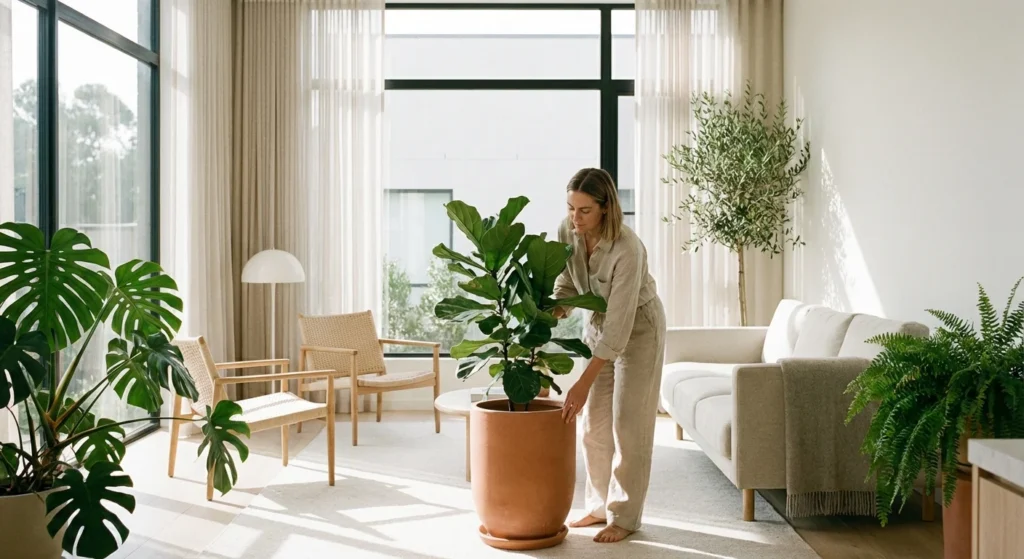
Pay close attention to the scale of your plants relative to your furniture as well. Just as a massive sofa dwarfs a tiny room, a towering Bird of Paradise (Strelitzia nicolai) requires adequate ceiling height and lateral breathing room so its broad, magnificent leaves do not scrape against painted walls or suffer bruising from daily passing foot traffic. By giving your furniture and your plants ample room to breathe, you simultaneously allow life-giving sunlight to penetrate much deeper into the room.
7. Ignoring Vertical Space
Relying solely on the floor and lower tabletop surfaces to display your cherished decor and store everyday items naturally leads to severe spatial overcrowding. When the lower half of your room bears all the visual and physical weight, the entire space feels heavy and visually sinking; this completely disregards the expansive, entirely untapped potential of your blank walls.
Draw the eye upward by creatively utilizing vertical storage and elevated display solutions. Install sturdy, well-anchored floating shelves to elegantly house your cascading plants, curated book collections, and framed family art. This highly effective strategy rapidly clears precious square footage on the floor, vastly simplifying your weekly vacuuming routines and instantly enhancing the illusion of a much larger room.
Incorporate stylish macrame hangers or sleek, minimalist metal ceiling hooks to gracefully suspend trailing botanical varieties like the Heartleaf Philodendron (Philodendron hederaceum) or the delicate String of Hearts (Ceropegia woodii). Ensure any high shelving installations or heavy hanging planters are securely mounted directly to wooden wall studs or structural ceiling joists. This is a vital structural caution that actively prevents unexpected, costly damage to your drywall—especially when the hardware must support the substantial, fluctuating weight of freshly watered plant soil.