Smart Strategies & Upgrades
The Power of Color and Upgraded Hardware
Your front door serves as the architectural anchor of your home exterior, and giving it a fresh coat of paint remains one of the highest-impact transformations you can execute. Color psychology plays a vital role here. Deep navy blues and forest greens communicate grounded stability; vibrant yellows and classic brick reds exude cheerful energy; and sleek charcoal or soft sage tones offer sophisticated modern appeal. When choosing your paint, select an exterior-grade formula designed to withstand UV rays and fluctuating temperatures, ensuring your investment does not fade or peel after a single rigorous season.
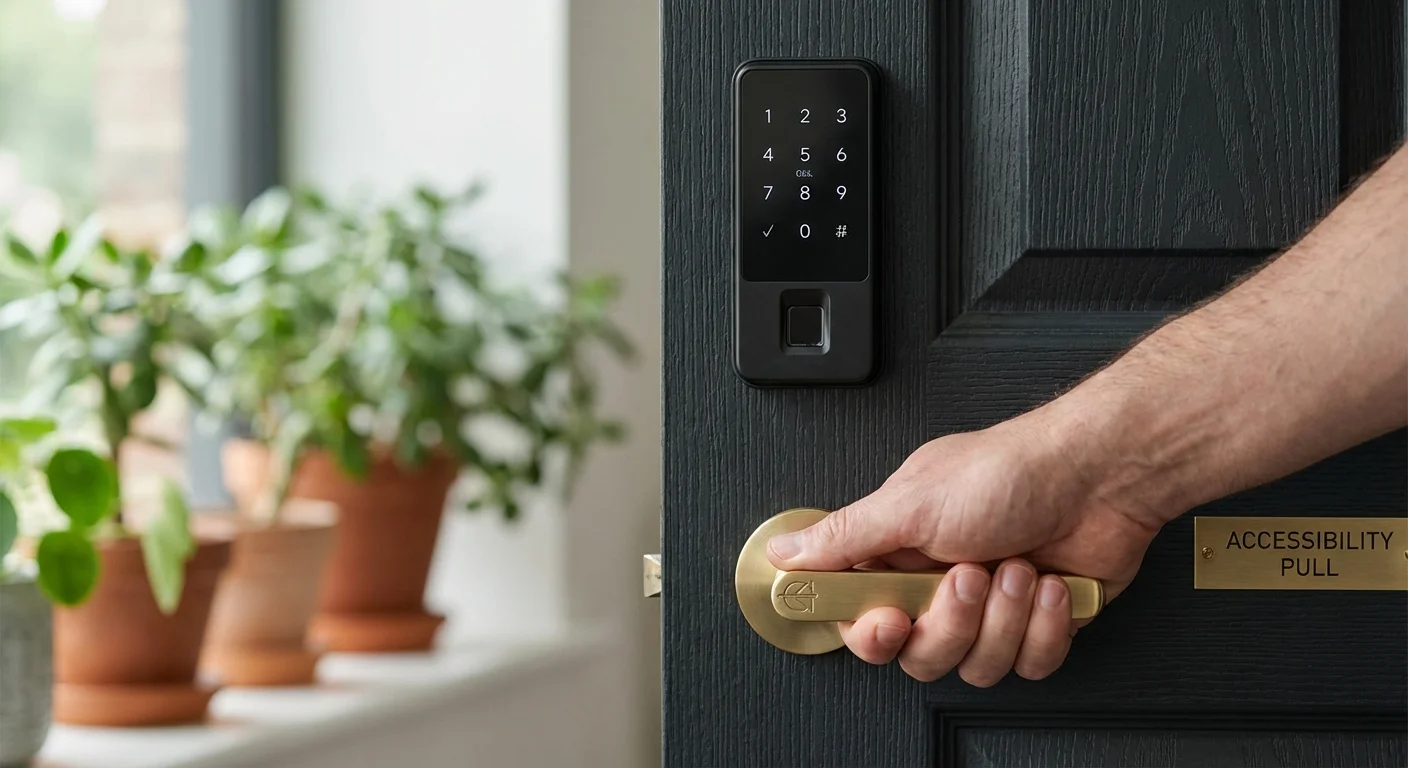
Equally important is the hardware adorning the door. Upgrading an old, tarnished knob to a high-quality handleset instantly elevates the visual weight of the entrance. From a functional standpoint, replacing traditional round knobs with ADA-compliant lever handles is a brilliant aging-in-place upgrade. Lever handles require significantly less grip strength and dexterity to operate, making your home seamlessly accessible for older relatives, young children, or simply anyone trying to get inside while carrying heavy groceries. Pairing this ergonomic hardware with a modern smart lock further enhances your comfort, allowing you to grant access remotely and eliminate the nightly fumble for keys in the dark.
Living Architecture Through Container Gardens
Nothing breathes life into an entryway design quite like thriving, well-curated plants. Container gardening allows you to introduce seasonal color, fascinating textures, and striking structural elements right onto your porch. The secret to a magnificent display lies in the classic “thriller, filler, spiller” technique—pairing a tall focal plant, mid-height mounding plants, and trailing vines that cascade over the edge of the pot. To anchor the space, invest in large, substantial planters flanking the door; oversized containers not only make a bolder visual statement, but they also hold a larger volume of soil, which insulates tender root systems and prevents the pots from blowing over during severe storms.
Success in container gardening hinges entirely on understanding your specific environmental conditions. Before you visit the nursery, monitor the light levels on your porch throughout the day. If your front door faces north or sits beneath a deep, shaded overhang, harsh sun-loving plants will languish. Instead, embrace shade-tolerant marvels like vibrant Heuchera, lush Boston ferns, and trailing variegated ivy. If your entrance bakes in southern or western exposure, lean into heat-resilient selections such as flowering Lantana, architectural ornamental grasses, and cascading sweet potato vines.
Your soil composition and watering cadence are the invisible engines driving plant health. Never use dense garden dirt in your pots; opt for a premium, well-draining potting mix. A reliable formula consists of rich organic matter for nutrition, combined with generous amounts of perlite to ensure vital oxygen reaches the roots and prevents waterlogging. During peak summer heat, porous terracotta pots may require daily watering, whereas heavy-duty resin or self-watering fiberglass planters retain moisture significantly longer. Always stick your finger into the soil to the second knuckle—if it feels dry, it is time to water deeply until moisture escapes the drainage holes.
We must also address the well-being of the animals sharing our spaces. Many popular porch plants pose severe risks to curious pets. If dogs or cats frequent your front steps, carefully research your botanical choices. Avoid highly toxic species such as Sago palms, Oleander, and certain varieties of lilies; instead, opt for pet-safe beauties like African violets, spider plants, or colorful snapdragons.
Framing the Walkway and Ensuring Safe Navigation
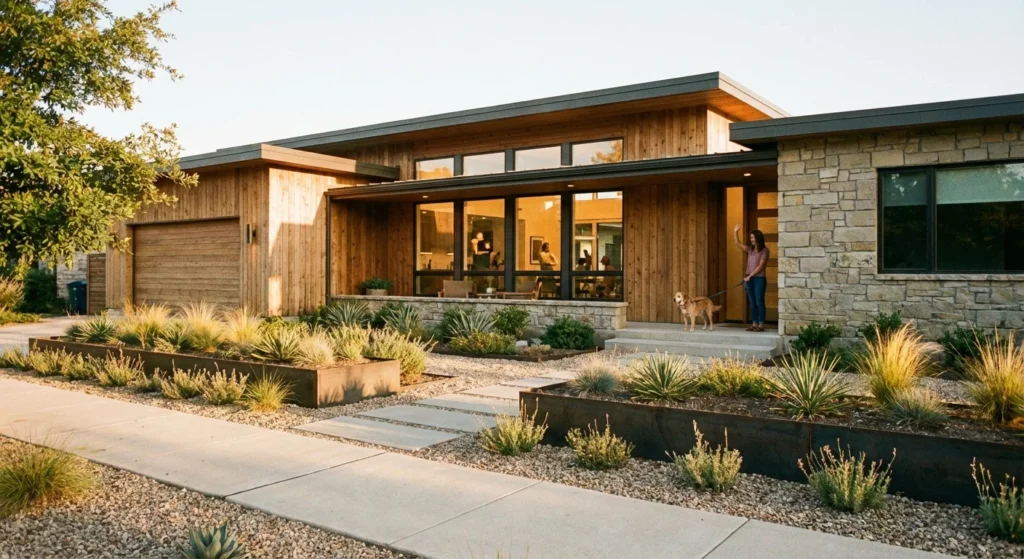
The experience of your home exterior begins the moment someone steps off the sidewalk. Framing the transition from driveway to door with intentional landscaping softens harsh architectural lines and guides the eye upward. When selecting foundation plants to border your walkway, prioritize species with non-aggressive root systems to avoid structural damage to your concrete pathways or home foundation. Additionally, consider airborne allergens; avoid heavy pollen producers like male ash trees or certain junipers, favoring low-allergen options like Hydrangea or Viburnum to ensure arriving guests are not greeted with a sneezing fit.
Lighting is the final, critical layer of your entryway design. A single, harsh overhead bulb casts unappealing shadows and creates dangerous blind spots. Instead, focus on layered illumination. Install warm-toned sconces on either side of the door—preferably with 2700K LED bulbs that mimic the welcoming glow of traditional incandescent lights. Complement these with low-voltage pathway lights to clearly define the edges of the walkway. Proper illumination reduces tripping hazards, aids aging eyes in depth perception, and beautifully highlights your carefully tended foliage after the sun goes down.