Smart Strategies & Upgrades
Transforming your environment requires a mix of aesthetic updates and living additions. These eleven actionable strategies will elevate your home, making it look polished and feel exceptionally welcoming.
1. Revitalize Your Entryway for Instant Curb Appeal
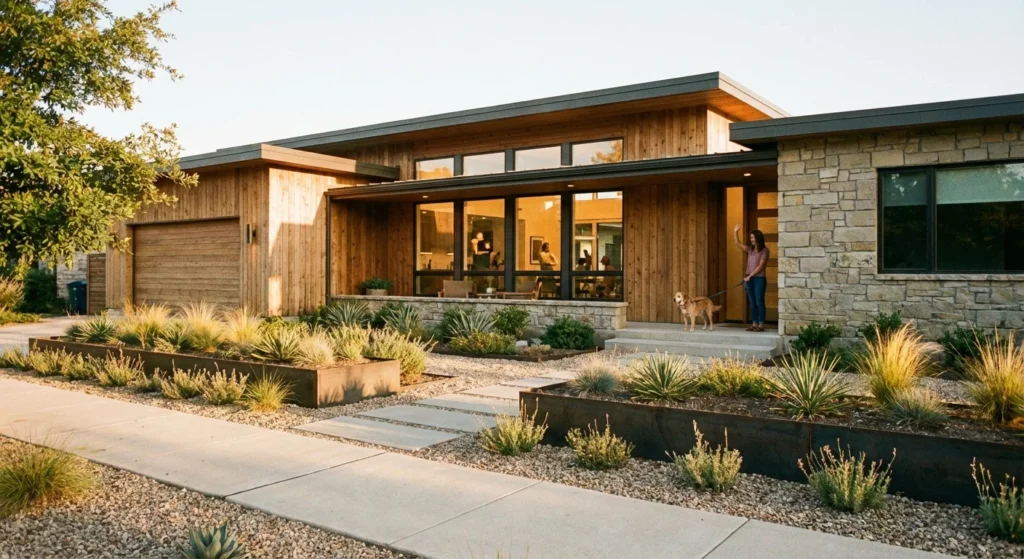
Your front door serves as the visual handshake of your property. Faded paint, tarnished hardware, and a barren porch immediately age your house. You can instantly boost your curb appeal by applying a fresh coat of exterior-grade paint to your front door in a striking, contrasting color—think deep navy, forest green, or a warm terracotta. Follow this up by flanking the entryway with large, welcoming planters.
For an elegant, low-maintenance botanical presentation, pot a pair of cold-hardy evergreens like Boxwoods or Japanese Yews, provided your climate allows. If you live in a warmer zone, consider a majestic structural plant like the Sago Palm. Always ensure your planters feature adequate drainage holes to prevent root rot during heavy rains. Caution: When updating your porch, inspect the wooden floorboards and structural supports for signs of rot or insect damage before placing heavy, water-filled ceramic pots on them.
2. Swap Out Outdated Cabinet Hardware
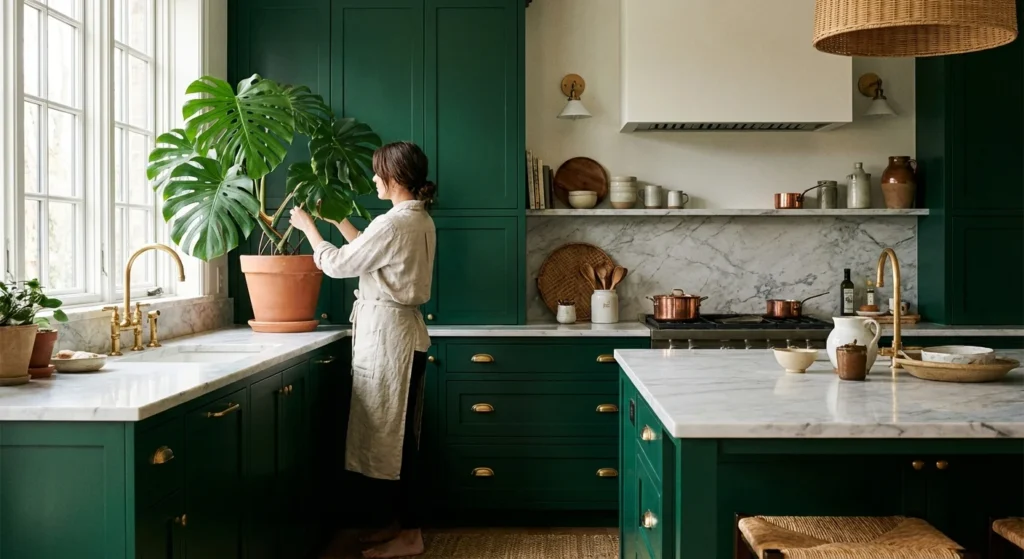
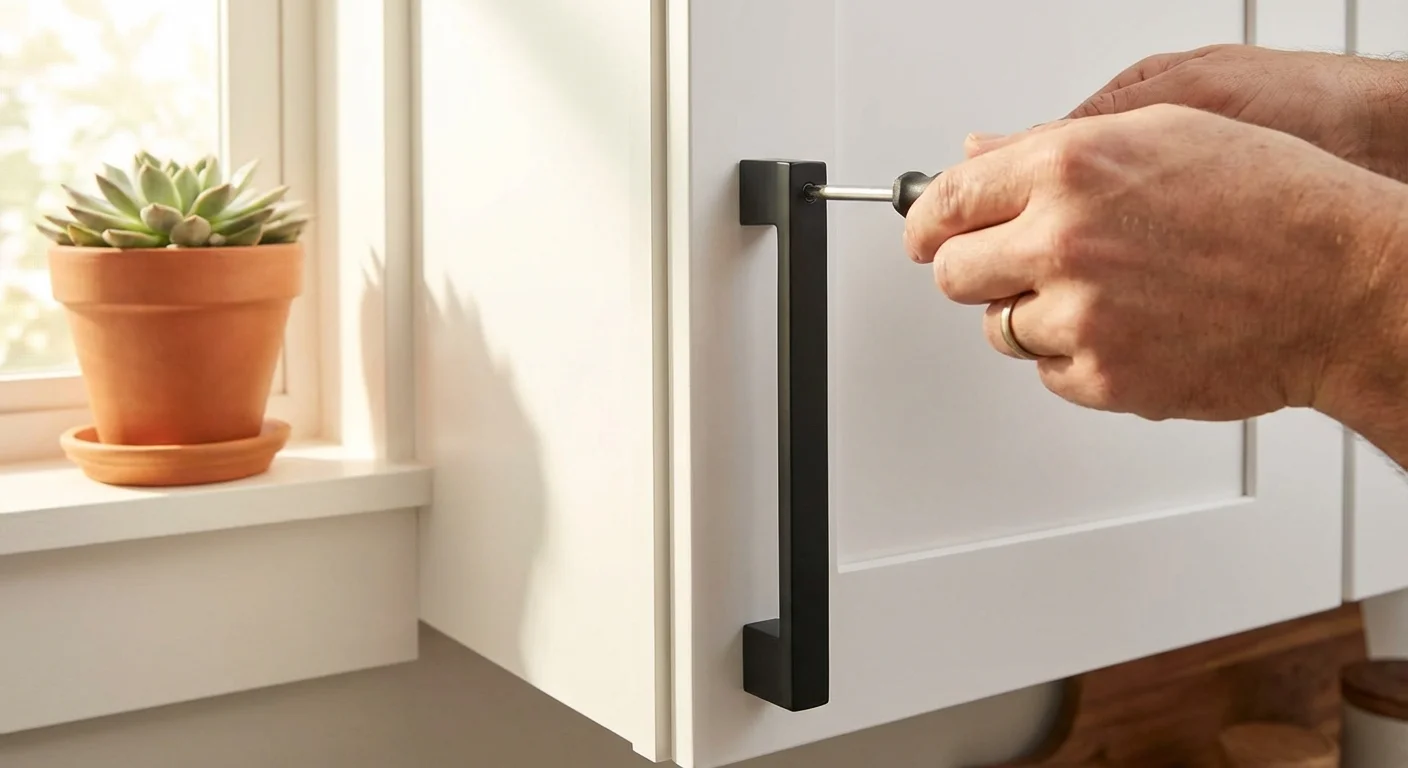
Kitchens and bathrooms often look dated simply because they still sport builder-grade hardware from a decade ago. You can execute one of the most effective DIY fixes by replacing old, brassy knobs and drawer pulls with modern matte black, brushed nickel, or unlacquered brass alternatives. This single weekend project requires nothing more than a screwdriver and a tape measure.
Beyond aesthetics, this upgrade presents an excellent opportunity to incorporate aging-in-place ideas. If you currently have small, round knobs, replace them with D-shaped pulls or lever-style handles. Lever hardware requires significantly less grip strength and dexterity to operate, making your kitchen far more accessible and comfortable for everyone, regardless of age or physical ability.
3. Introduce High-Impact, Pet-Safe Houseplants
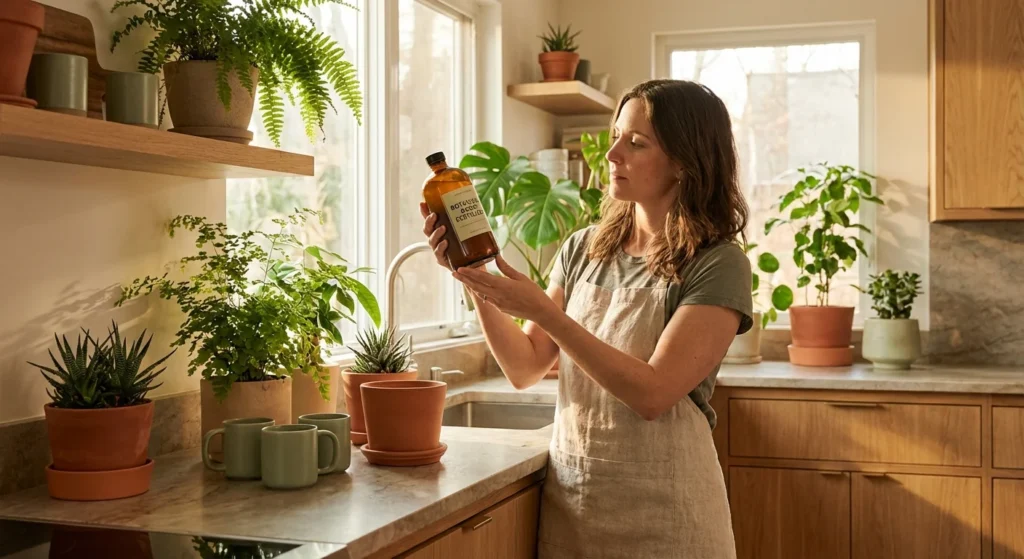
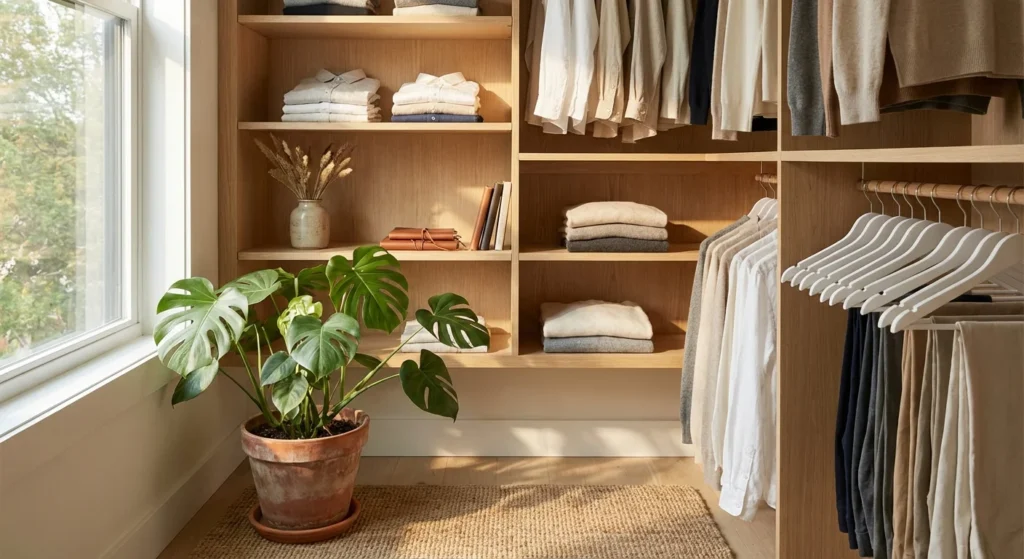
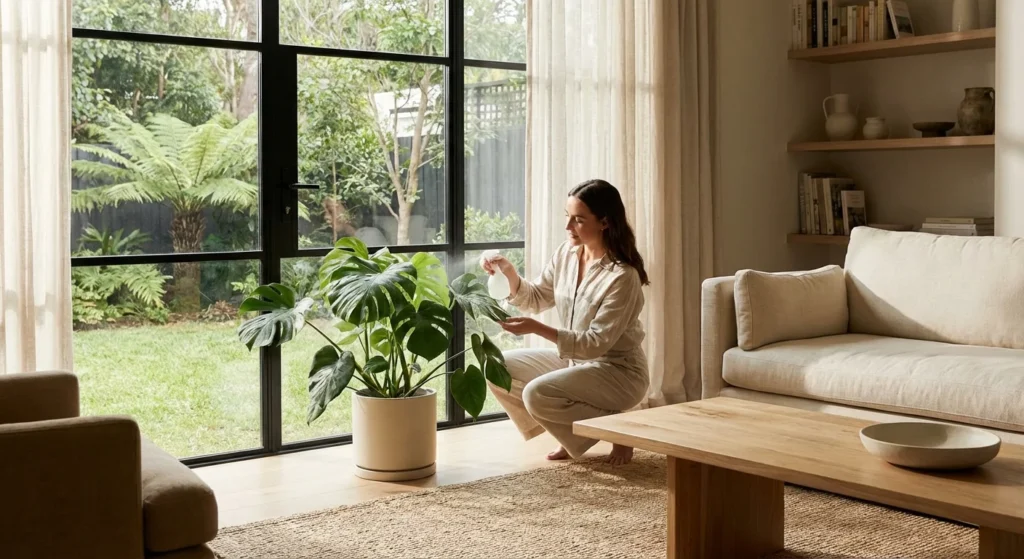
Nothing breathes life into a stagnant corner quite like lush, vibrant foliage. However, when selecting greenery for a home refresh, you must prioritize the safety of your furry companions. Many popular houseplants—like Monstera deliciosa and various Philodendrons—contain insoluble calcium oxalates that cause severe mouth irritation and digestive distress in cats and dogs.
Instead, choose dramatic, pet-safe alternatives. The Calathea genus offers stunning, patterned leaves that fold up at night, providing a dynamic visual element. To keep them thriving, pot them in a well-draining soil composition; a mix of two parts standard potting soil, one part perlite, and one part orchid bark provides excellent aeration. Keep their soil consistently moist but never soggy, and provide them with bright, indirect light. Another fantastic, safe option is the Parlor Palm, which adds feathery texture and thrives even in moderate light conditions.
4. Maximize Natural Light with Sheer Window Treatments
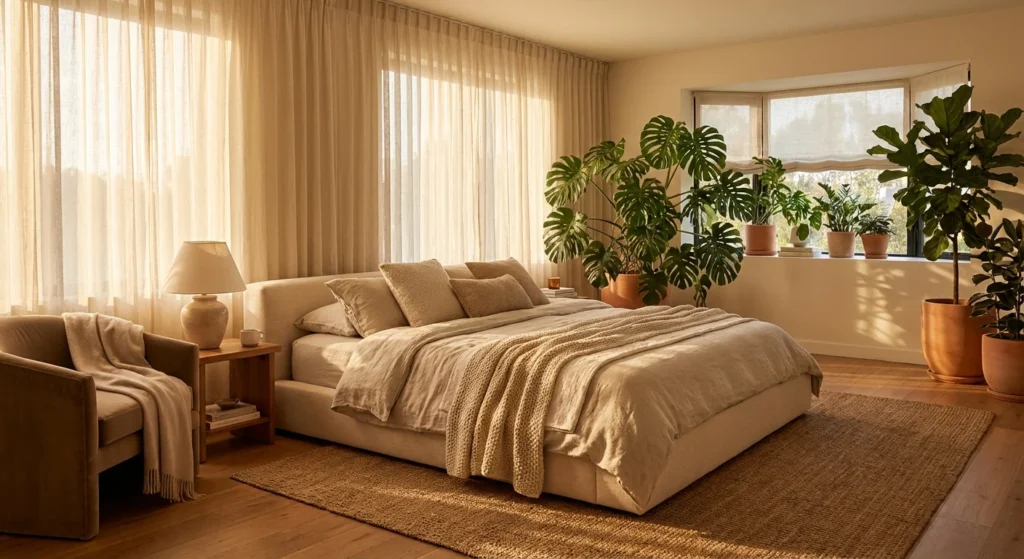
Heavy, dark drapery traps dust, harbors indoor allergens, and blocks the vital sunlight your home needs to feel spacious. Removing heavy textiles and replacing them with light-filtering linen or cotton sheers instantly modernizes your windows. This straightforward interior improvement makes your ceilings appear higher and your rooms look vastly more expansive.
Your houseplants will also thank you for this change. Most indoor tropicals rely on bright, indirect sunlight to perform photosynthesis efficiently. Heavy blinds or thick curtains often starve them of the light spectrum they need, leading to leggy growth and pale leaves. Sheer curtains diffuse harsh, direct afternoon sun—which can scorch delicate foliage—while still bathing your room in the ambient foot-candles required for robust plant health.
5. Install Smart, Layered Lighting
When the sun goes down, improper lighting makes a home look dingy and small. Relying solely on a single overhead fixture casts harsh shadows and creates an uninviting atmosphere. To fix this, you need to implement a layered lighting strategy using ambient, task, and accent lights.
Incorporate smart LED bulbs into floor and table lamps; these allow you to adjust the color temperature from a cool, energizing daylight hue during work hours to a warm, relaxing amber in the evening. From an aging-in-place perspective, installing motion-sensor baseboard lighting in hallways and bathrooms prevents nighttime falls. Furthermore, if you have plants in windowless corners, consider integrating full-spectrum LED grow bulbs into standard decorative light fixtures. These bulbs emit the specific red and blue light wavelengths plants require, allowing you to showcase greenery anywhere in your house.
6. Refresh Grout and Re-caulk Wet Areas
Discolored grout and peeling caulk age a bathroom or kitchen faster than almost anything else. Over time, moisture breeds mildew, which not only looks terrible but also acts as a potent respiratory allergen. Spending a Saturday digging out old caulk and applying a fresh, bright white line of silicone sealant around your tub, sink, and backsplash yields a massive visual return on investment.
You can also apply a liquid grout colorant and sealer to your tile floors. This product paints right over stained grout lines, making them look factory-new while protecting them from future spills. These budget upgrades require patience and a steady hand, but they cost very little and completely eradicate the dingy, neglected feeling in your home’s most essential spaces.
7. Anchor the Room with an Indoor Tree
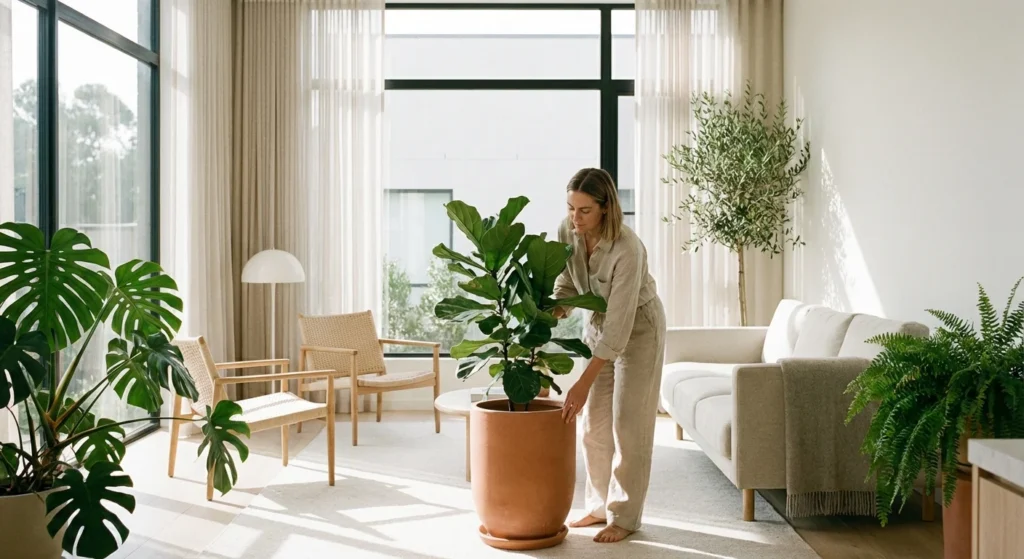
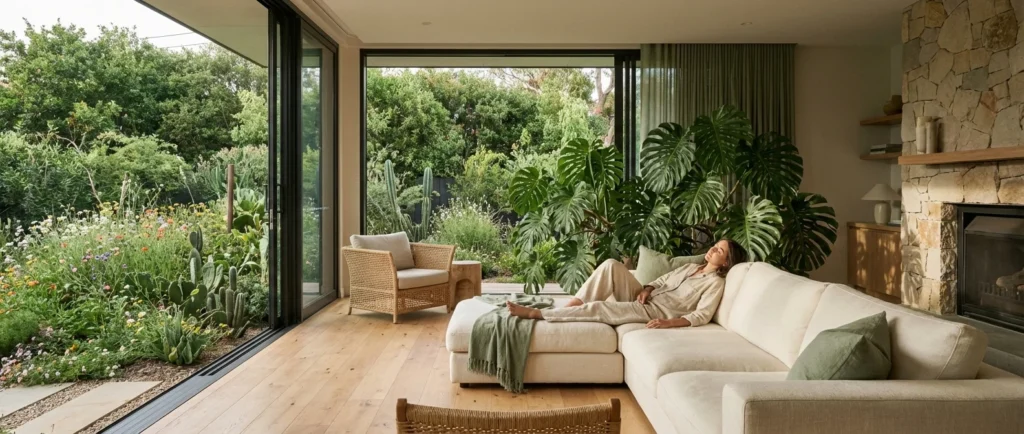
Interior designers frequently use the concept of scale to make rooms feel intentional and professionally styled. Instead of cluttering your surfaces with dozens of tiny pots, create a compelling focal point by investing in one large indoor tree. A mature Ficus lyrata (Fiddle Leaf Fig) or Ficus elastica (Rubber Tree) provides dramatic architectural structure and draws the eye upward.
Because these trees represent a larger financial investment, you must nail their watering cadence and environment. Ficus species prefer their soil to dry out about two inches down before you water them again; overwatering leads rapidly to root rot, characterized by yellowing, dropping leaves. Place your tree near an east- or south-facing window. Caution: Ficus plants are toxic to pets. If you need a large, pet-safe tree, look for a mature Money Tree (Pachira aquatica) or a large Bamboo Palm, both of which provide excellent height without the toxicity risks.
8. Upgrade Walkways and Exterior Lighting
The journey to your front door sets the tone for your entire home. Cracked, uneven concrete pathways or sunken pavers look unkempt and create dangerous trip hazards. Fixing these pathways significantly improves your exterior aesthetics while addressing crucial safety concerns.
You can level sunken pavers by lifting them, adding leveling sand, and tamping them back into place. Once the walking surface is secure, install solar-powered path lights to illuminate the borders. Proper pathway lighting is a fundamental aging-in-place modification that guarantees you and your guests can safely navigate the property after dark. Keep nearby shrubbery neatly pruned so branches do not obstruct the walkway or block the light fixtures.
9. Paint Strategic Accent Features
While painting an entire house takes weeks, painting specific, strategic elements takes only a few hours. A fresh coat of paint on your baseboards, window trim, and interior doors removes scuff marks and makes the whole house feel cleaner. For a bolder interior improvement, select a single accent wall in your living room or bedroom and paint it a rich, grounding color like sage green or charcoal blue.
When selecting paint, always opt for Low-VOC or Zero-VOC (Volatile Organic Compounds) formulas. Standard paints off-gas chemicals into your home for months, which can aggravate asthma and diminish your indoor air quality. Low-VOC options provide excellent coverage without the lingering chemical odor, keeping your environment healthy for you, your pets, and your plants.
10. Build a Dedicated, Safe Plant Display
If you have accumulated a collection of plants, spreading them haphazardly across every available flat surface can make your home look cluttered rather than curated. Organizing them onto a dedicated display unit—like a sleek metal shelving rack or sturdy floating wood shelves—transforms a messy collection into a striking vertical garden.
When creating vertical displays, you must consider structural safety. Water-saturated potting soil is incredibly heavy. A medium-sized ceramic pot right after watering can easily weigh ten to fifteen pounds. Structural Caution: Never hang floating shelves using only drywall anchors if you plan to put heavy plants on them. Always use a stud finder and drive heavy-duty screws directly into the wooden wall studs to prevent the shelf from collapsing and damaging your walls or injuring a pet below.
11. Upgrade Doorknobs and Door Hinges
We touch our interior doors dozens of times a day, yet we rarely notice the hardware unless it malfunctions. Squeaky hinges and scratched, brass-plated round knobs subtly downgrade the feel of your home. By replacing the hinges and doorknobs on your interior doors, you create a cohesive, updated look that ties the whole house together.
Match your new door hardware to the finish you chose for your kitchen and bathroom cabinets to establish a unified design language throughout the property. Once again, selecting lever-style handles instead of traditional round knobs provides a massive boost to the ergonomic comfort of your home, allowing you to open doors easily even when your hands are full of groceries or watering cans.