Frequently Asked Questions
What are the best plants to keep in a bathroom without natural windows?
Bathrooms entirely lacking windows present a remarkably severe biological challenge for plants because absolutely all greenery requires some specific spectrum of light to effectively photosynthesize. You cannot realistically rely on standard, low-wattage overhead bulbs. If your room lacks bright natural light, you must install dedicated full-spectrum LED grow lights and purposefully leave them running for twelve to fourteen hours a day. Alternatively, you can successfully rotate highly resilient, low-light tolerant plants—like the hardy ZZ plant or the architectural Snake plant—between the dark bathroom and a significantly brighter room every few weeks. Always allow the top two inches of the soil composition to dry out completely before initiating your watering routine, as poorly ventilated, windowless rooms invariably experience significantly lower moisture evaporation rates.
How can I improve bathroom air quality while actively managing pet allergen considerations?
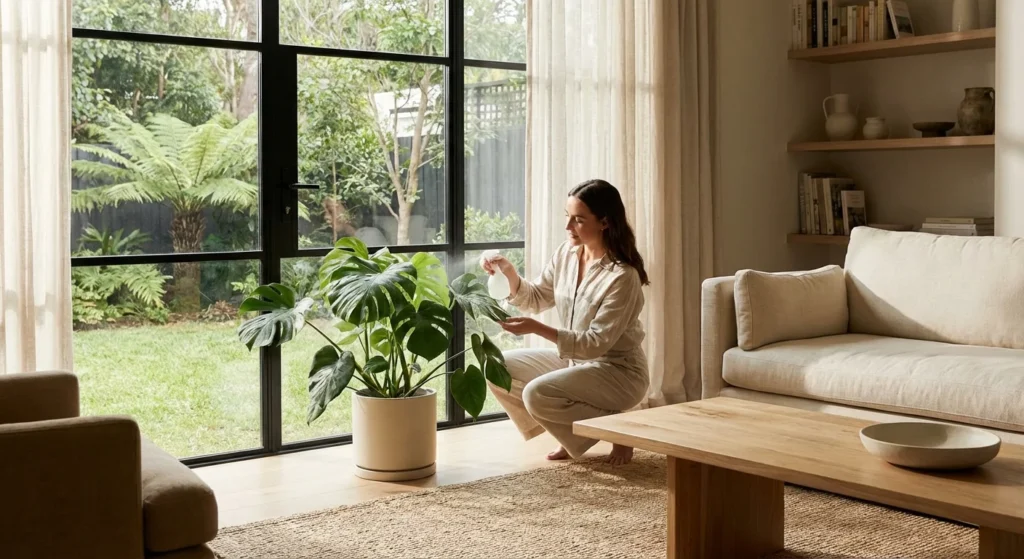
Pristine air quality relies extremely heavily on excellent mechanical ventilation and rigorous, consistent surface cleaning. You must consciously run your bathroom exhaust fan during and for at least thirty minutes after every single shower to aggressively eliminate the lingering dampness that enthusiastically encourages dangerous mold spores. If you or your frequent guests chronically suffer from environmental allergies, you should completely avoid introducing pollen-heavy blooming plants into the enclosed space. Instead, purposefully focus on broad-leafed tropical foliage plants that naturally capture airborne dust; diligently wipe their glossy leaves down with a soft, damp microfiber cloth on a bi-weekly basis. Furthermore, you must always aggressively verify that any new botanical specimen you bring home remains completely non-toxic to cats and dogs to enthusiastically ensure comprehensive pet safety throughout your household.
Can I replace my bathroom faucet myself, or do I absolutely need to hire a plumber?
Replacing a standard bathroom faucet enthusiastically stands out as a highly manageable, highly rewarding DIY interior update for a motivated homeowner. Most modern vanity faucets arrive with highly comprehensive, step-by-step instructions and typically require only fundamental hand tools, such as an adjustable crescent wrench and standard white plumber’s tape. However, before you even begin the physical dismantling process, you absolutely must locate the primary water shut-off valves directly under the sink and rigorously verify they function correctly. If your aging valves appear heavily corroded, feel exceptionally stiff, or refuse to turn smoothly, you should immediately call a fully licensed, experienced plumber to handle the complex upgrade and safely avoid a catastrophic, highly expensive accidental flooding event.
How do I establish the correct watering cadence for high-humidity bathroom plants?
Establishing a successful watering cadence demands close, highly observant attention to the unique environmental conditions of your specific bathroom. Because the frequent, heavy use of hot showers drastically raises the ambient humidity, the nutrient-rich soil composition within your plant pots will inevitably dry out much more slowly than it would in a dry, drafty living room. You must completely abandon strict calendar-based watering schedules. Instead, routinely test the moisture level by inserting your finger deeply into the potting mix. You should only provide a thorough, deep watering when the top several inches feel genuinely dry to the touch. This highly disciplined, observant approach aggressively prevents devastating root rot and guarantees your prized tropical plants remain vibrant, deeply healthy, and beautifully lush all year round.