Smart Strategies & Upgrades
Creating a healthier living environment begins with auditing the bottles hiding beneath your sink and inside your utility closets. You can immediately elevate your home air quality by eliminating the following ten products and replacing them with natural, effective alternatives.
1. Aerosol Air Fresheners
Aerosol room sprays promise the scent of a spring meadow, but they actually deliver a heavy payload of phthalates and synthetic fragrances. You inhale these fine mists directly, which can trigger headaches and exacerbate asthma symptoms—a significant concern when managing senior health and respiratory wellness.
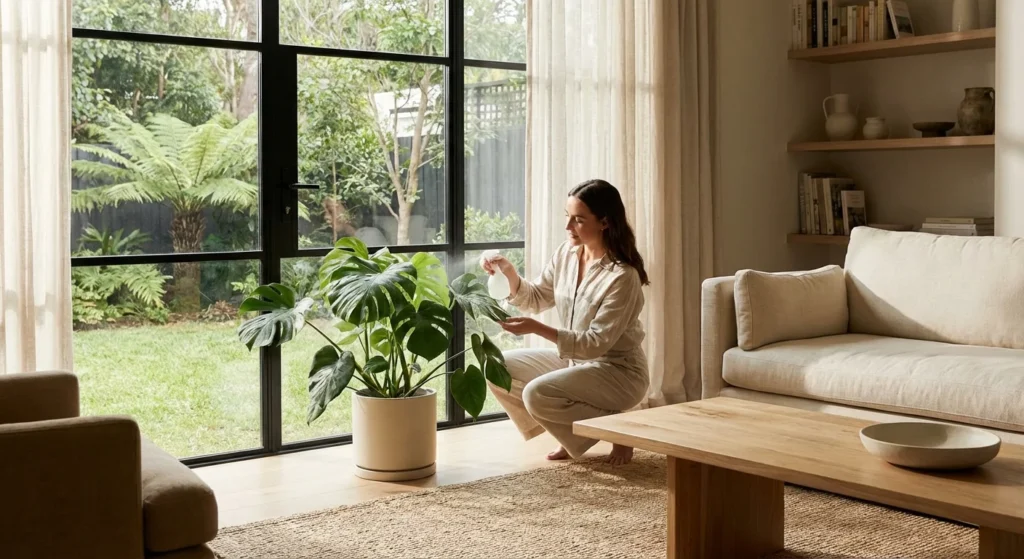
Beyond human health, these aerosolized droplets drift through your rooms and inevitably land on your houseplants. The chemical residue coats the leaves of your beloved fiddle leaf fig or pothos, physically blocking their stomata and preventing vital transpiration. Instead of spraying toxic products to mask odors, upgrade your routine by simmering water with real citrus peels, rosemary sprigs, and a dash of vanilla extract. This fragrant household hack clears the air safely while protecting the structural integrity of your indoor foliage.
2. Chlorine Bleach
Chlorine bleach is a traditional cleaning staple that commands respect due to its incredibly harsh and corrosive nature. When you apply bleach in enclosed spaces like shower stalls or small bathrooms, the resulting toxic fumes burn the mucous membranes in your nose and throat. Older adults aging in place are particularly vulnerable to these aggressive respiratory irritants.
Furthermore, ambient bleach fumes cause rapid leaf drop and cellular necrosis in sensitive humidity-loving plants like ferns and calatheas that typically reside in bathrooms. You can achieve excellent sanitization by swapping bleach for a standard three-percent hydrogen peroxide solution. Hydrogen peroxide oxidizes organic matter effectively and rapidly breaks down into completely harmless oxygen and water; it leaves zero dangerous residue behind.
3. Ammonia-Based Glass Cleaners
You likely associate the sharp, pungent smell of ammonia with streak-free windows and mirrors. Unfortunately, ammonia acts as a severe irritant to both human skin and the respiratory tract. When you spray these bright blue liquids onto your windowsills, the overspray frequently hits the plants sunbathing on the ledge, causing immediate chemical burns on their foliage.
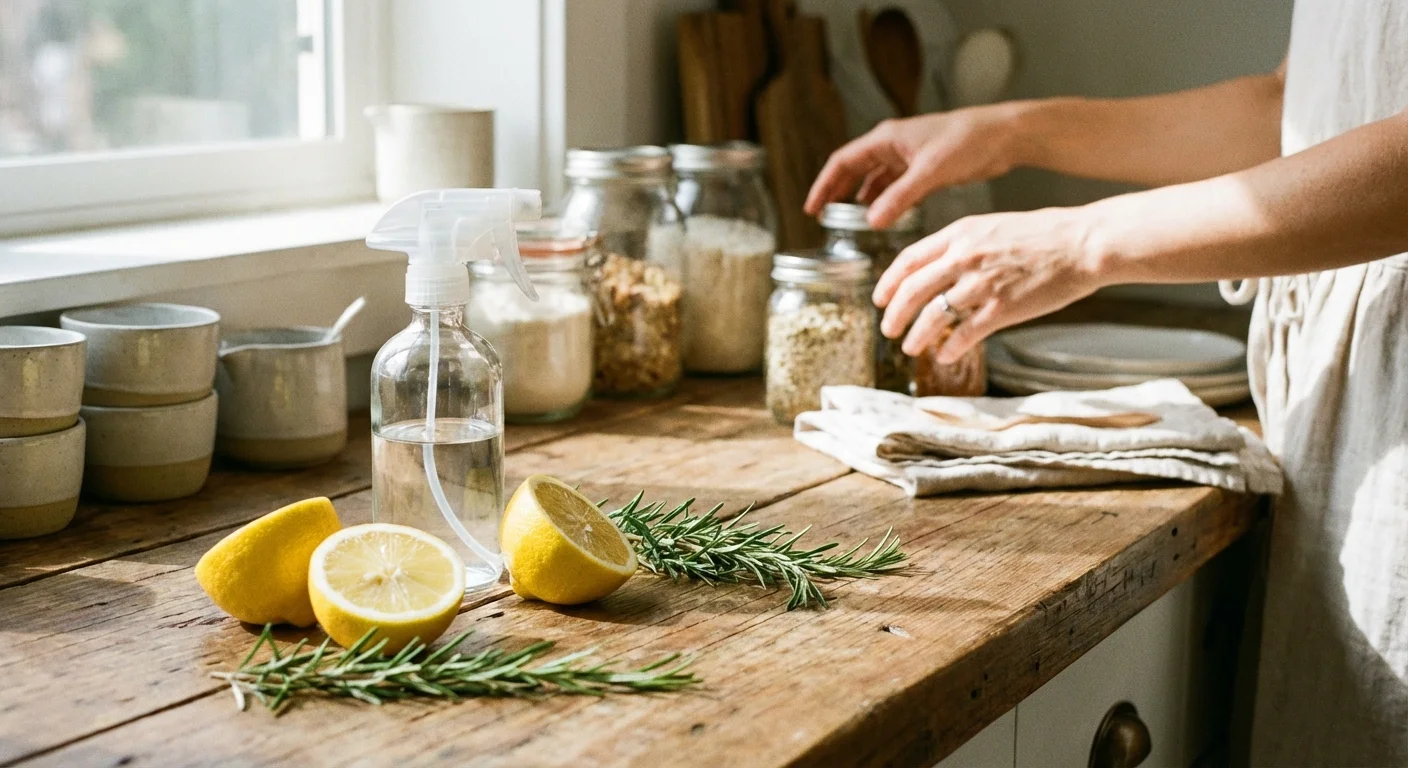
You can achieve perfectly transparent, streak-free glass without compromising your safe home environment. Combine equal parts distilled white vinegar and distilled water in a spray bottle. The acetic acid cuts through greasy fingerprints and hard water spots instantly. Wipe the glass with a clean microfiber cloth to leave your windows brilliantly clear, ensuring your sun-loving succulents receive maximum light without chemical interference.
4. Synthetic Carpet Cleaners and Deodorizers
Sprinkling scented powders or using heavy chemical shampoos on your area rugs embeds synthetic compounds deep into the fibers. Pets and barefoot family members pick up these residues on their skin, while the off-gassing chemicals slowly degrade your indoor air quality over weeks and months.
For individuals focused on senior health, reducing exposure to lingering synthetic compounds on the floor is a major step toward long-term wellness. Instead of commercial carpet powders, liberally sprinkle plain baking soda over your rugs, let it sit for twenty minutes to absorb odors, and vacuum thoroughly. For deeper stain removal, utilize a steam cleaner with hot water; the intense heat naturally lifts grime without introducing toxic products into the spaces where your pets sleep.
5. Caustic Drain Cleaners
Liquid drain openers rely on extremely aggressive chemicals like sodium hydroxide or sulfuric acid to melt away blockages. These liquids are highly dangerous to handle, emitting fumes that burn your lungs, and they pose a massive risk for chemical burns to your eyes and skin. Over time, these corrosive liquids also degrade your home plumbing infrastructure.
Protect your pipes and your personal safety by switching to mechanical tools and natural household hacks. You can clear most common sink clogs using a simple, flexible drain snake to pull out hair and debris. For regular maintenance and odor control, pour half a cup of baking soda down the drain followed by half a cup of white vinegar. Cover the drain while the mixture vigorously bubbles, then flush the pipes completely with a kettle full of boiling water.
6. Conventional Oven Cleaners
The inside of an oven gets incredibly greasy, prompting many homeowners to reach for heavy-duty aerosol oven cleaners. These cans spray lye and butane, creating a toxic cloud in the heart of your kitchen. The lingering chemical residue can even taint the flavor of your food during subsequent baking sessions.
You can bypass these harsh hazards entirely with a bit of patience and pantry staples. Create a thick paste using baking soda, water, and a few drops of liquid castile soap. Coat the interior of your cold oven with the paste and let it sit overnight. The alkaline baking soda gently saponifies the baked-on grease, allowing you to easily wipe away the grime the next morning with a damp sponge. This method requires significantly less elbow grease and eliminates toxic fumes from your culinary workspace.
7. Antibacterial Soaps with Quaternary Ammonium Compounds
Marketing campaigns have convinced us that every surface requires intense antibacterial treatment, leading to the overuse of cleaners containing quaternary ammonium compounds, or “quats.” These chemicals contribute to the rise of antibiotic-resistant bacteria and frequently cause contact dermatitis on sensitive aging skin.
If you utilize greywater systems to hydrate your outdoor or indoor gardens, quats will actively poison your soil biome, destroying the beneficial microbes your plants need to absorb nutrients. Plain castile soap and warm water reliably lift and wash away dirt, viruses, and bacteria without leaving persistent toxic residues. Save the heavy sanitizers for raw meat spills and use gentle, biodegradable soap for your daily household cleaning tips.
8. Petroleum-Based Furniture Polishes
Wooden furniture brings beautiful, grounding natural textures into your home design. However, maintaining that wood with commercial aerosol polishes introduces flammable petroleum distillates and artificial silicones into your living space. These sprays create an artificial shine that attracts dust while releasing persistent airborne pollutants.
You can nourish your wooden antiques and mid-century modern credenzas with safe, pantry-friendly ingredients. Whisk together two parts olive oil and one part fresh lemon juice to create a deeply conditioning wood rub. The oil penetrates the wood grain to prevent cracking, while the mild acidity of the lemon juice gently removes surface smudges. This simple upgrade keeps your furniture looking brilliant and maintains a truly safe home.
9. Chemical Toilet Bowl Cleaners
Thick, clinging toilet bowl gels often rely on hydrochloric acid and strong synthetic dyes. These formulations are hazardous if accidentally splashed on the skin and fatal to household pets who might drink from the bowl. The strong chlorine or acid fumes also make cleaning the bathroom a thoroughly unpleasant, breath-holding experience.
You can leverage the power of natural acids to dissolve hard water rings without the danger. Pour one cup of plain white vinegar into the toilet bowl and let it sit for ten minutes. Sprinkle a heavy layer of baking soda directly onto your toilet brush and scrub the bowl vigorously. The fizzing reaction powers through stains, leaving porcelain gleaming and your bathroom smelling entirely neutral.
10. Synthetic Dusting Sprays
Many people reach for a can of dusting spray before wiping down shelves and baseboards. These sprays contain silicones that build up over time, creating a sticky layer that actually traps more dust, pet dander, and pollen. For aging individuals managing respiratory allergies, reducing indoor particulate matter is a daily priority.
Ditch the aerosol cans and invest in high-quality, reusable microfiber cloths. When slightly dampened with plain water, the microscopic fibers trap and hold dust perfectly without requiring a single drop of chemical assistance. Simply toss the cloths into your washing machine when you finish. This elegant, low-waste solution ensures the air surrounding your indoor plants remains clean and breathable.