Smart Strategies & Upgrades
1. Scratched Plastic Cutting Boards
Plastic cutting boards endure relentless punishment, accumulating deep knife grooves over months of heavy meal prep. These microscopic canyons trap moisture and raw organic matter, creating the ultimate breeding ground for dangerous foodborne pathogens like Salmonella and E. coli. Even the most rigorous sanitizing cycle in a modern, high-temperature dishwasher cannot reliably scrub these deep crevices clean. Inspect your boards under bright overhead lighting; if the surface feels rough, catches your fingernail, and appears heavily scored, you must retire the board immediately. You do not have to send it straight to the landfill. Thoroughly scrub the old plastic board and repurpose it as a heavy-duty, waterproof saucer beneath large potted indoor trees—like a massive Monstera or a rubber tree—to protect your beautiful hardwood floors from accidental overwatering.
2. Water Filtration Cartridges
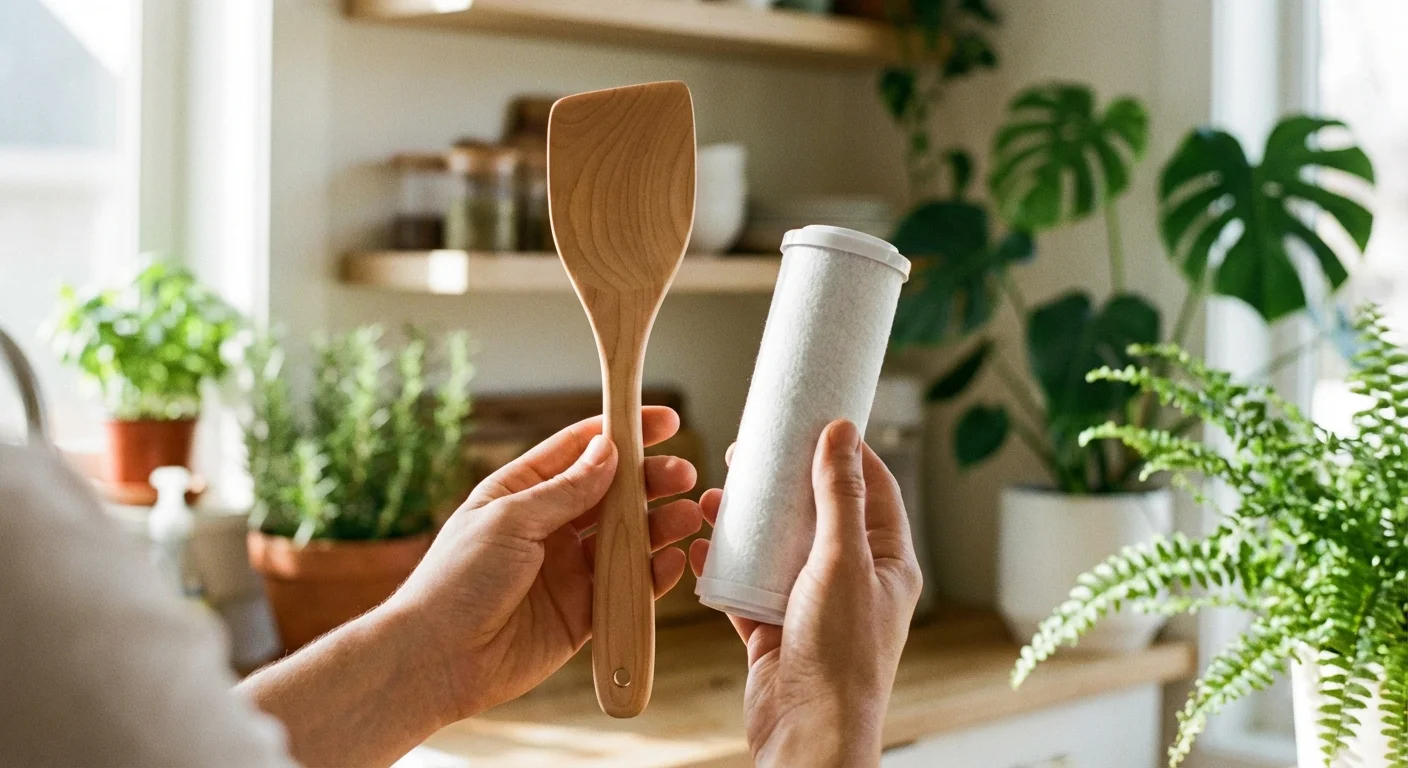
Pristine, chemical-free water forms the critical foundation of excellent cooking, healthy hydration, and thriving houseplants. Whether you utilize a heavy-duty under-sink reverse osmosis system, a convenient refrigerator dispenser, or a simple countertop pitcher, the activated carbon inside these filters features a strictly finite capacity. Once the carbon absorbs its maximum chemical load of heavy metals, municipal chlorine, and harsh fluorides, tap water simply passes through entirely untreated. Furthermore, exhausted filters develop slimy, invisible bacterial biofilms over time. Swap your filtration cartridges annually at the absolute minimum to maintain water integrity. Removing harsh chlorine and fluoride from your tap water drastically improves the flavor of your morning artisan coffee while simultaneously preventing those frustrating, crispy brown tips on your sensitive Calatheas, spider plants, and delicate ferns.
3. Splintered Wooden Cooking Utensils
Wooden spoons and spatulas bring a warm, inviting organic aesthetic to your countertop utensil crock, but they withstand immense daily stress. Repeated exposure to boiling soups, highly acidic tomato sauces, and the intense, stripping heat of a dishwasher destroys the wood’s natural protective oils. This aggressive cycle of rapid swelling and shrinking inevitably causes the wood grain to splinter, warp, and crack. Micro-fissures in the porous wood fiber harbor aggressive bacteria that effortlessly transfer to your next home-cooked meal. Audit your wooden tools carefully every twelve months. Discard any spoons showing dark mold stains, deep structural cracks, or fuzzy edges. If you hate throwing natural materials away, repurpose structurally sound but permanently stained wooden spoon handles as excellent, sturdy support stakes for leaning pothos vines or heavy Philodendron stems.
4. Damaged Non-Stick Cookware
Non-stick skillets make weekend pancake breakfasts beautifully effortless, but their delicate synthetic chemical coatings possess a surprisingly short lifespan. Once you notice visible surface scratches, peeling metallic flakes, or a general loss of surface slickness, the pan becomes an active, dangerous health hazard. Cooking on damaged Teflon or similar synthetic surfaces heavily leaches microplastics and chemical compounds directly into your family meals. More importantly, overheating a compromised non-stick pan releases toxic polymer fumes into the surrounding air. These invisible fumes severely degrade your indoor air quality and prove rapidly fatal to sensitive pet birds—a vital safety consideration for many pet-loving households. Invest in a fresh non-stick pan yearly for delicate tasks, or transition entirely to durable, lifetime alternatives like enameled cast iron or seasoned carbon steel for superior kitchen longevity.
5. Ground Spices and Dried Botanical Herbs
Vibrant, unforgettable culinary flavors rely entirely on the volatile organic compounds trapped securely within dried botanicals. Ground spices like smoked paprika, earthy cumin, and sweet cinnamon lose their aromatic potency remarkably fast through basic oxidation, degrading into flavorless, dusty powder after twelve months in a warm, humid kitchen environment. Hanging onto an expired, five-year-old jar of oregano merely wastes valuable pantry space and guarantees a lackluster dinner experience. Empty your entire spice cabinet annually to evaluate your botanical inventory ruthlessly. You can easily compost most expired organic matter to naturally enrich your outdoor garden soil. Alternatively, generously sprinkle expired cinnamon powder across the topsoil of your indoor potted plants; cinnamon acts as a fantastic, mild natural fungicide that safely deters frustrating fungus gnat infestations from taking root in damp soil.
6. Refrigerator Deodorizing Baking Soda
Countless households keep an open, familiar orange box of baking soda tucked into the dark back corner of the refrigerator to capture lingering food odors. Sodium bicarbonate works absolute wonders by chemically neutralizing strong acidic and basic odor molecules, but its absorbent capacity completely taps out after just a few months. Leaving the exact same box in your fridge for multiple years achieves absolutely nothing for your home hygiene or appliance freshness. Replace this vital odor absorber every single year to maintain a pristine, fresh-smelling refrigerator environment. Take that exhausted, clumped box of baking soda and move it directly to your kitchen sink; it serves as an excellent, gentle abrasive paste for scrubbing stubborn hard water mineral stains off your ceramic plant pots without scratching the delicate, painted glaze.
7. Scratched Plastic Food Storage Containers
Plastic storage containers completely dominate many kitchen cabinets, but they physically degrade remarkably fast under normal, daily household conditions. Constant microwaving, deep freezing, and abrasive washing permanently warp the plastic, while highly acidic foods etch stubborn stains into the molecular structure of the material. As the plastic structurally breaks down over a year of heavy use, it leaches potentially harmful endocrine-disrupting chemicals directly into your heated leftover meals. Retire any cloudy, deeply stained, or physically deformed plastic containers immediately. Upgrading to sleek, tempered glass containers dramatically elevates the visual aesthetic of your refrigerator organization and provides a much safer, inert vessel for reheating food. You can easily clean and relegate those retired plastic tubs to your gardening station; they make brilliant miniature propagation greenhouses for germinating finicky seeds or rooting fragile begonia leaf cuttings in damp sphagnum moss.
8. Dish Towels and Microfiber Cloths
Kitchen textiles endure a brutal, unglamorous daily routine of wiping up sticky spills, drying clean hands, and grabbing dangerously hot cast iron pans. Over a year of aggressive washing in scalding hot water and harsh detergents, the actual cotton or synthetic fibers begin to fundamentally break down. Degraded towels completely lose their vital absorbency, simply pushing moisture uselessly across your countertops rather than rapidly soaking it up. Furthermore, microscopic food particles and residual grease embed deep within compromised fibers, causing a permanent, sour mildew odor that actively transfers back to your clean hands. Rotate fresh, highly absorbent towels into your kitchen annually to maintain sanitary drying habits. Shift the retired textiles into a designated utility rag bin for dirty household chores, such as gently wiping accumulated dust off broad-leaf tropical houseplants to ensure their leaves photosynthesize efficiently.
9. Nylon Kitchen Scrub Brushes
While conventional cellulose sponges require replacement every single week to avoid catastrophic, smelly bacterial growth, heavy-duty nylon scrub brushes boast a significantly longer functional lifespan. However, even the most robust scrub brush reaches its absolute sanitary limit at the one-year mark. Nylon bristles become heavily frayed, permanently bent, and deeply discolored from aggressively scrubbing baked-on grease. More concerningly, the dense base where the bristles physically meet the plastic handle develops a thick, invisible layer of bacterial biofilm that standard dish soap cannot penetrate or destroy. A fresh brush ensures you actively clean your dishes rather than merely smearing old, microscopic contaminants across your dinner plates. Keep the old, sanitized brush for heavy-duty outdoor scrubbing tasks, like cleaning muddy terra cotta planters, scrubbing garden trowels, or detailing patio furniture.
10. Pantry Pest Traps and Shelf Liners
Maintaining a deeply hygienic pantry requires much more than just visually organizing your canned goods into neat rows. Pheromone-based pest traps designed to catch invasive Indian meal moths and destructive grain beetles rely entirely on volatile chemical attractants that slowly dissipate over time. Once the pheromones fully evaporate, the traps become completely useless, leaving your expensive dry goods entirely vulnerable to a frustrating, fast-spreading infestation. Pantry pests happily lay their microscopic eggs in forgotten bags of baking flour, specialty rice, and even organic indoor plant fertilizers like bone meal or specialty seed-starting soil mixes stored nearby. Replace your pest traps annually and aggressively wipe down your protective shelf liners to ensure your vital food storage areas remain sanitary, highly secure, and entirely free from destructive insect activity.