Smart Strategies & Upgrades
1. Slip-Resistant Hardscaping and Zero-Step Patios
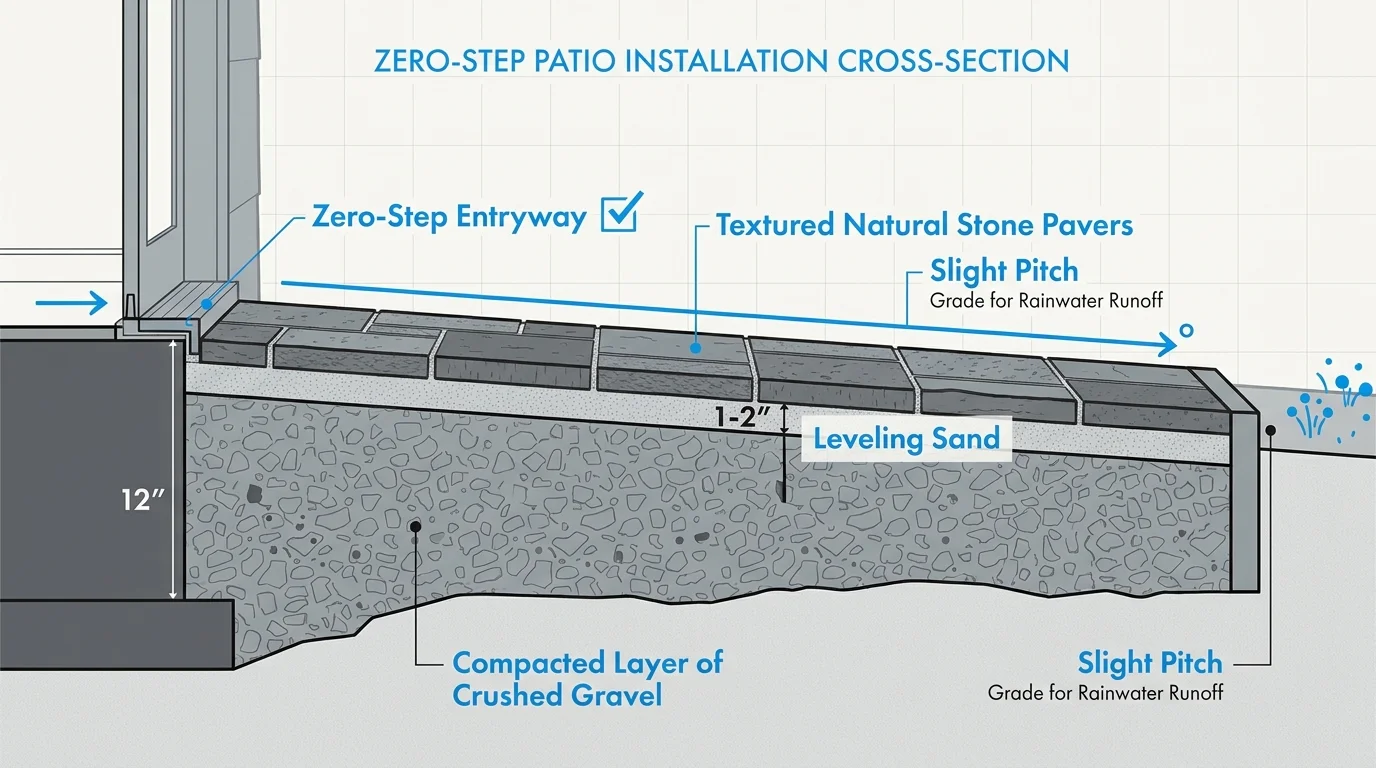
Establishing a stable, level foundation anchors your entire outdoor design. Replacing cracked, uneven concrete with high-quality composite decking or textured natural stone pavers immediately elevates the space. Composite materials resist rot, repel insect damage, and eliminate splinter hazards, making them exceptionally safe for bare feet and pet paws. When planning these outdoor upgrades, integrate zero-step entryways where the patio meets the back door. Eliminating dramatic step-downs creates a seamless visual flow and provides crucial accessibility for individuals utilizing walkers or wheelchairs. Ensure your contractors establish a proper sub-base—typically a compacted layer of crushed gravel topped with leveling sand—and grade the patio with a slight pitch to direct rainwater away from your home’s foundation.
2. Native Plant Sanctuaries and Drought-Tolerant Beds
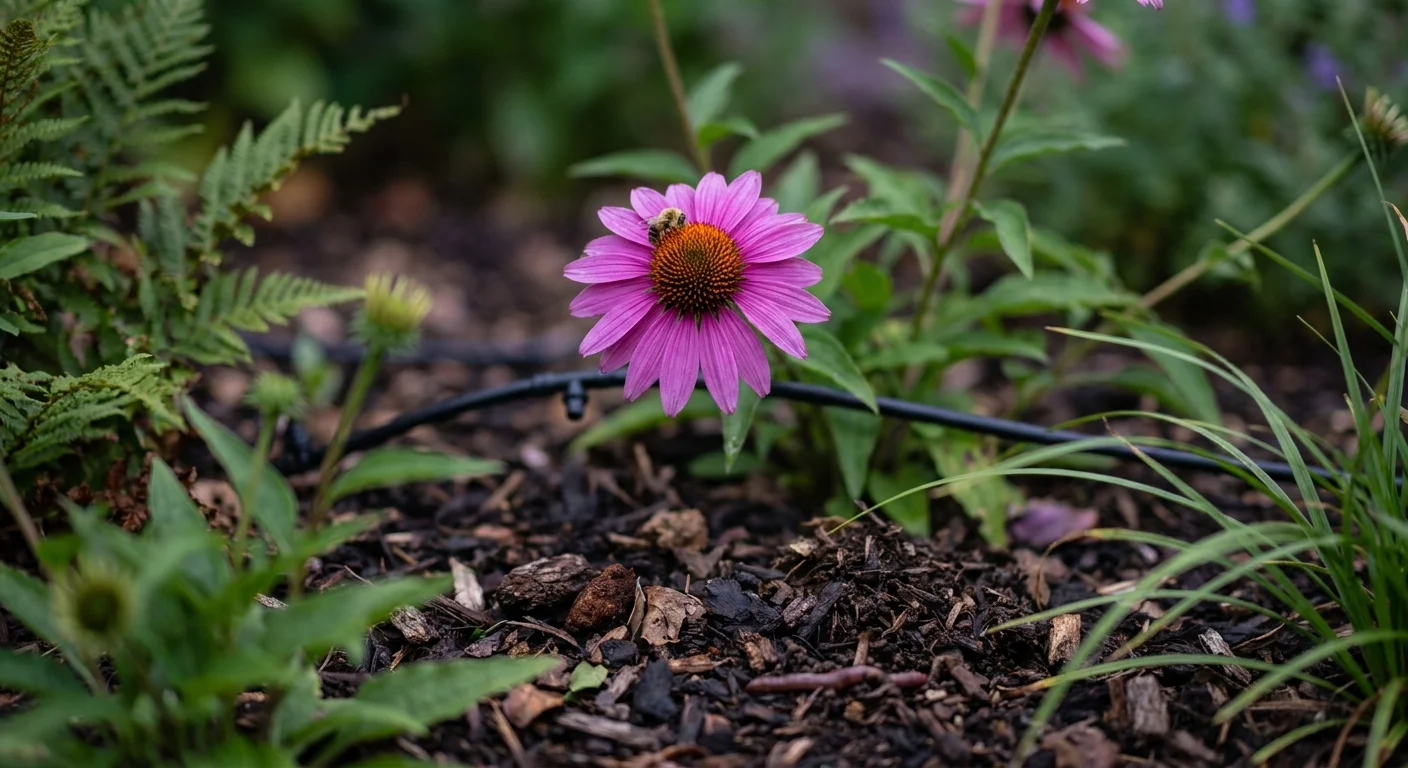
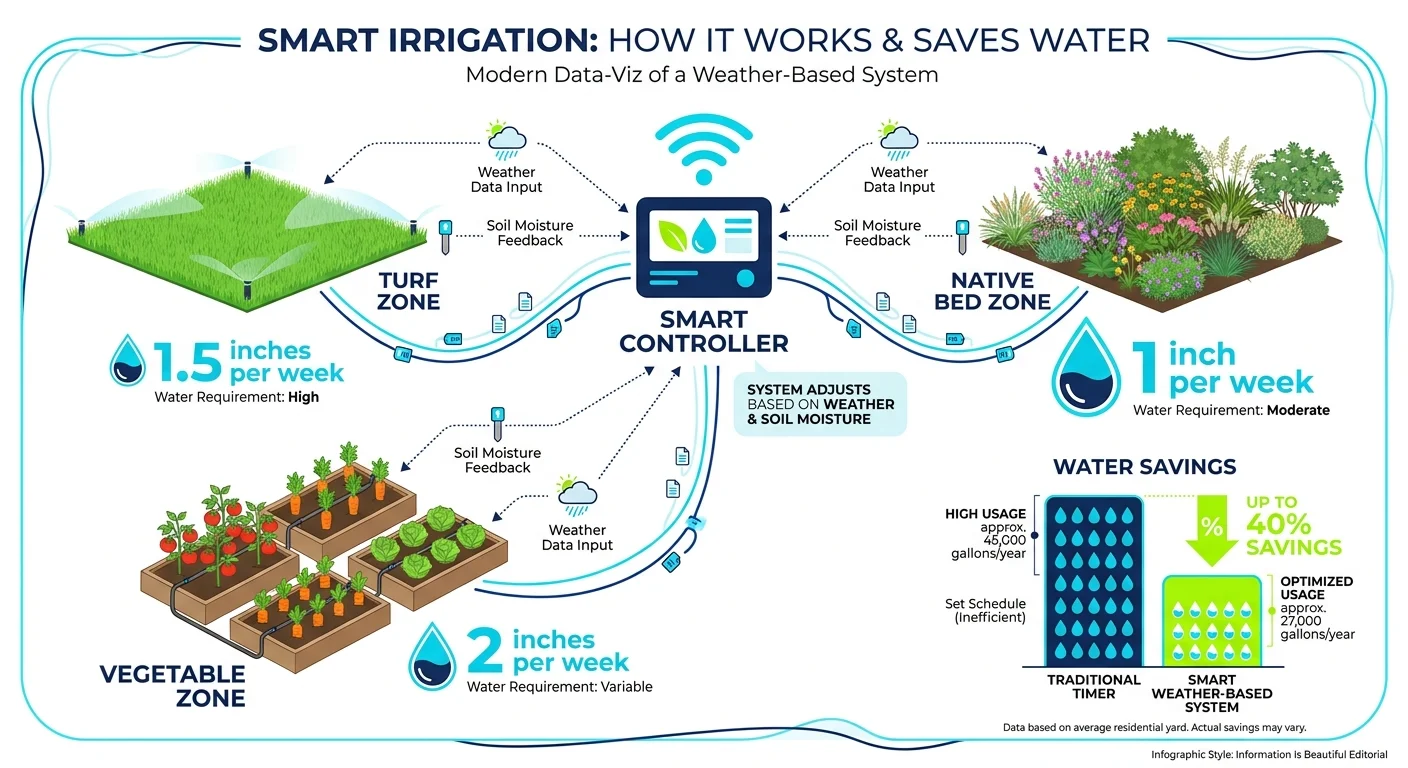
Lush, resilient garden beds provide incredible curb appeal ideas for your backyard oasis. Transitioning away from thirsty turfgrass toward native plant sanctuaries lowers your water bill and attracts beneficial pollinators. Native perennials develop deep root systems that easily withstand local temperature fluctuations and periodic droughts. Before planting, test your soil pH and amend the earth with organic compost to improve aeration and moisture retention. Establish a deep, infrequent watering cadence—aiming for roughly one inch of water per week applied directly to the root zone—to encourage robust root expansion. Always verify plant toxicity if you share your home with animals; bypass hazardous species like sago palms, oleander, or foxgloves in favor of pet-safe alternatives like creeping thyme, coral bells, and coneflowers.
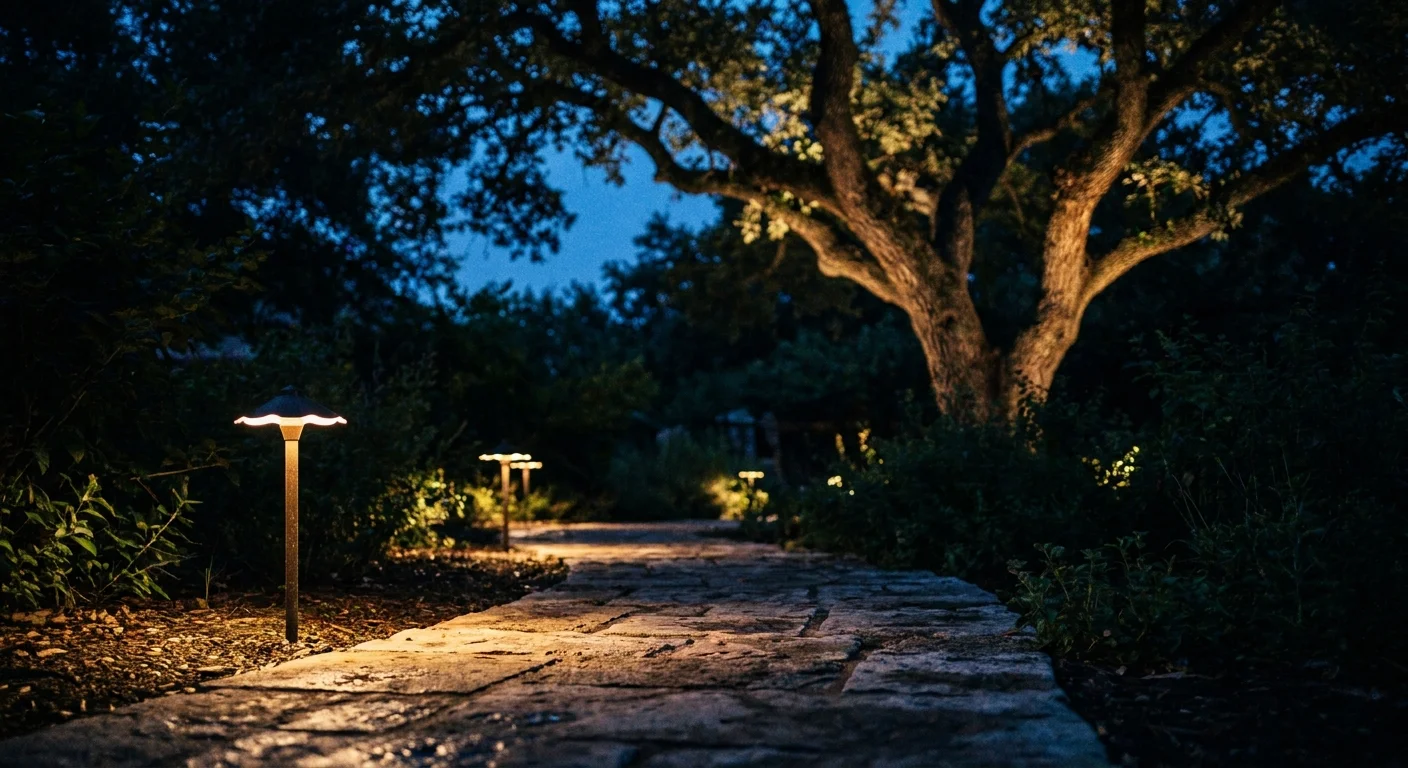
3. Architectural and Botanical Lighting
Strategic illumination completely transforms how you utilize your backyard after dusk. High-quality landscape lighting deters intruders, prevents tripping hazards, and highlights your most impressive horticultural features. Install low-voltage LED pathway lights along your primary walkways to support safe, aging-in-place mobility. Utilize warm-toned uplighting—ideally between 2700K and 3000K—to accentuate the architectural branching of specimen trees like Japanese Maples or Crape Myrtles. Avoid excessively bright, cool-toned floodlights, as they create harsh shadows and disrupt the natural navigation patterns of local nocturnal insects and migrating birds. A thoughtfully mapped lighting scheme highlights your home value upgrades while creating a warm, inviting evening ambiance.
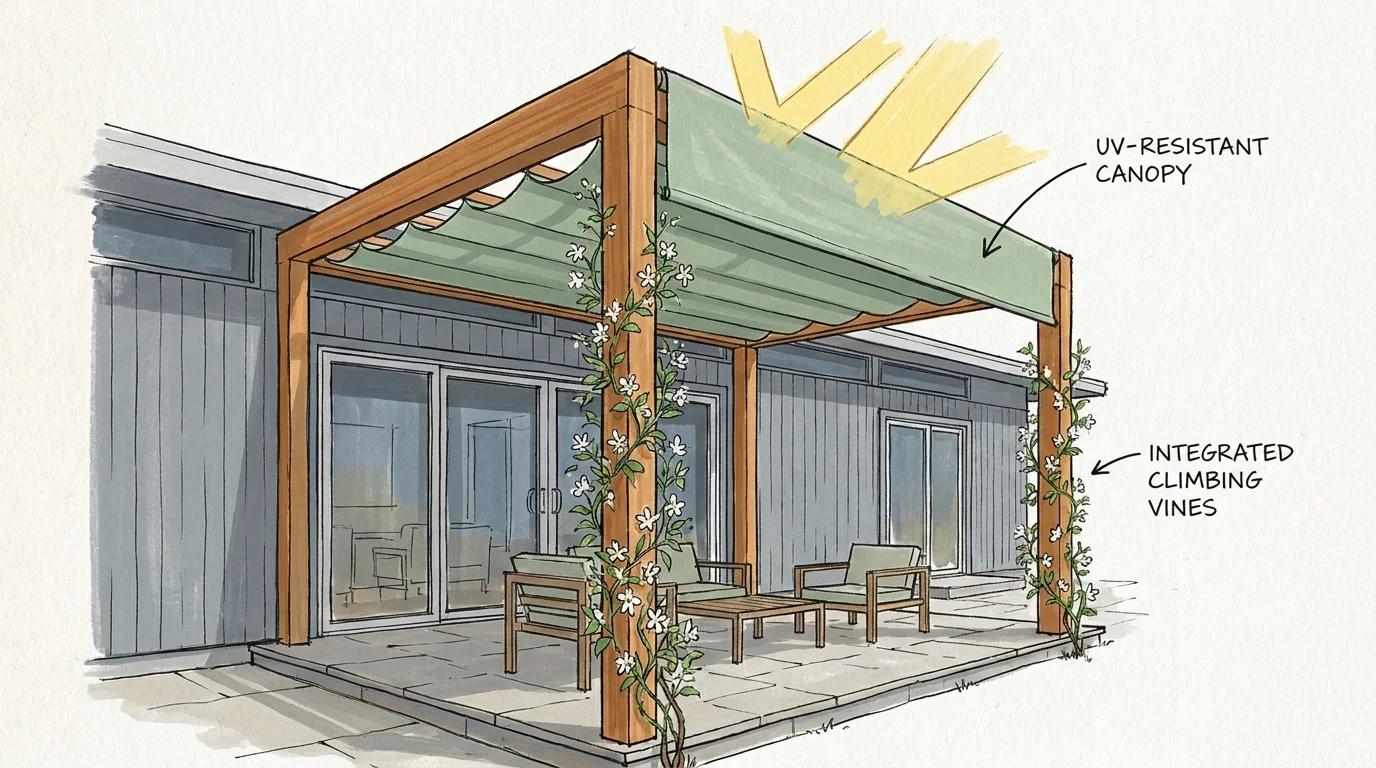
4. Climate-Controlled Shade Structures
Prolonged sun exposure quickly drives people indoors, rendering an unshaded patio useless during peak summer hours. Constructing a sturdy pergola, gazebo, or custom shade sail structure instantly reclaims that lost square footage. These shade structures also provide an excellent framework for vertical gardening. If you plan to train vigorous climbing vines like wisteria or trumpet creeper over your pergola, you must over-engineer the structure. Heavy, woody vines easily crush flimsy vinyl or thin wooden trellises; rely on thick cedar beams or reinforced steel to support the mature weight of the plant. A well-built, vine-draped pergola cools the seating area significantly and serves as a breathtaking focal point for your backyard renovation.
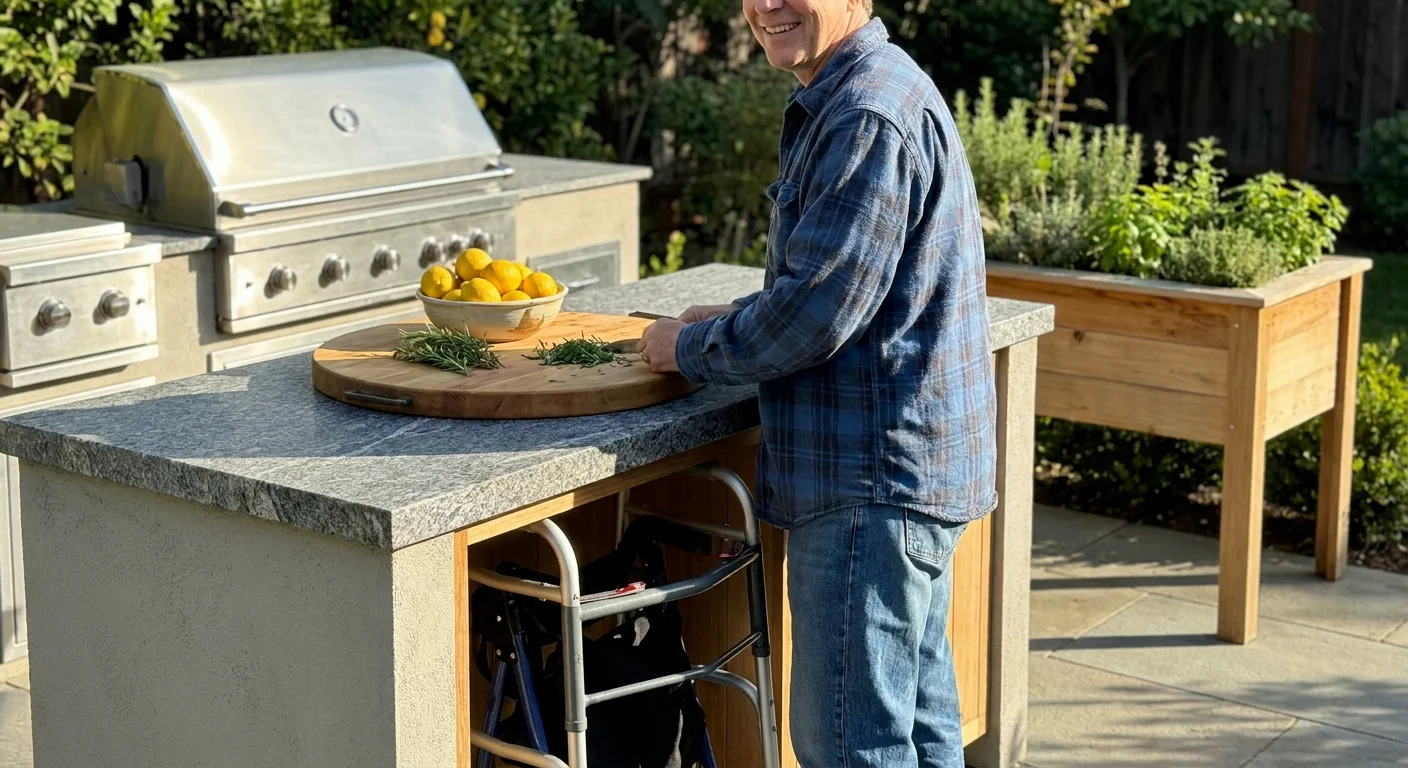
5. Accessible Outdoor Kitchens and Prep Stations
Shifting your cooking and dining activities outside represents one of the most highly sought-after comfort improvements in modern real estate. You do not need a massive, commercial-grade setup to see a strong return on investment; a functional built-in grill station with durable stone countertops and weather-resistant cabinetry suffices. Design the prep surfaces at accessible heights—typically 34 to 36 inches—to accommodate all chefs comfortably. Position the cooking zone safely away from low-hanging tree branches and high-traffic play areas. By incorporating a dedicated outdoor cooking space, you keep the heat and food odors out of your main house during the summer while creating an interactive hub for entertaining guests.
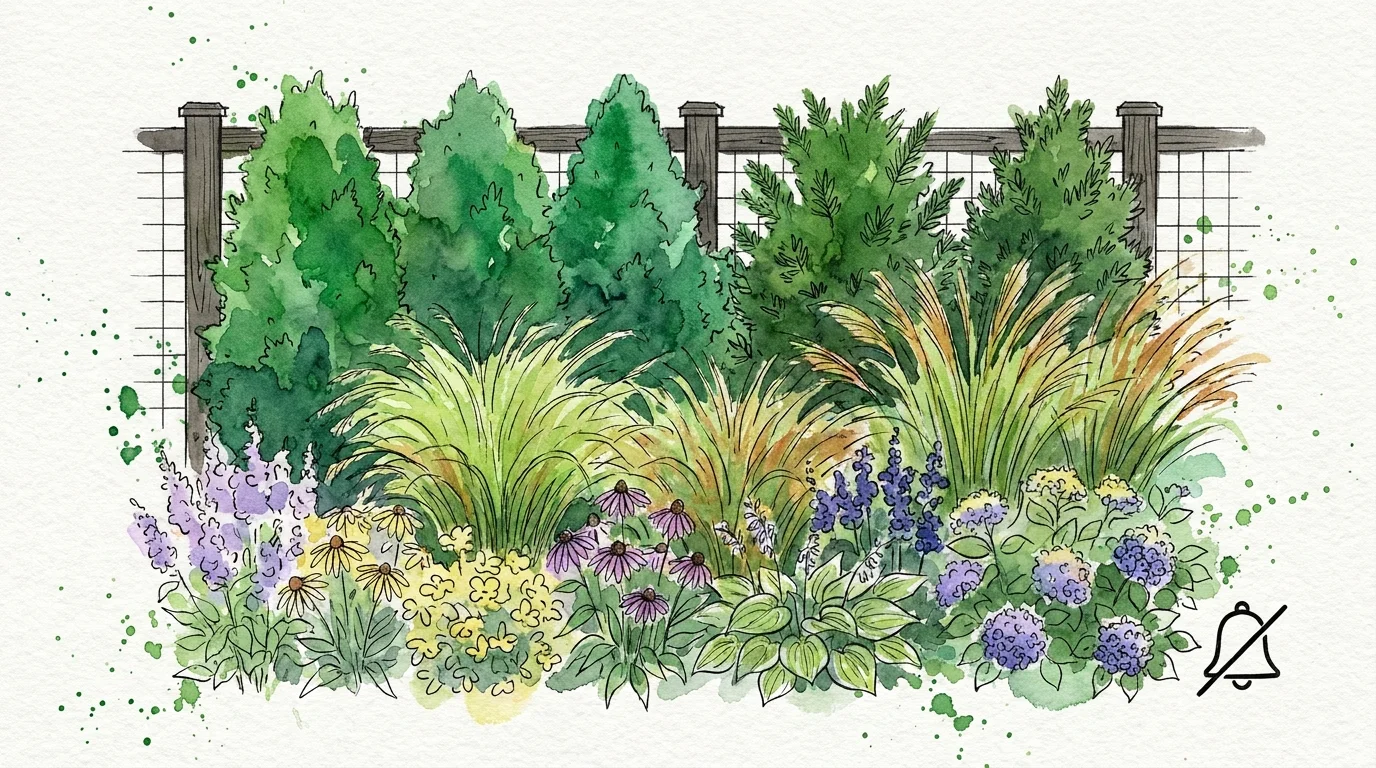
6. Living Privacy Screens and Hedging
Standard wooden fences degrade over time, requiring constant staining and eventual replacement. Living privacy screens offer a dynamic, self-renewing alternative that improves local air quality and absorbs neighborhood noise. Fast-growing evergreens—such as American Arborvitae, upright hollies, or Hicks Yew—create dense visual barriers year-round. When installing a living screen, space the root balls appropriately to allow for mature width, usually planting them three to four feet apart. Dig the planting holes twice as wide as the nursery pot, and never bury the root flare, as smothering the trunk base invites fungal diseases. If allergens concern your family, research pollen-producing timelines and select female shrub varieties that produce berries rather than airborne pollen.
7. Automated Smart Irrigation Systems
Hand-watering a sprawling landscape consumes hours of your week and often results in uneven moisture distribution. Installing an automated, multi-zone irrigation system protects your landscaping investment while offering ultimate convenience. Opt for drip irrigation lines in your garden beds rather than traditional overhead sprinklers. Drip emitters deliver water directly to the soil, drastically reducing evaporative waste and keeping the plant foliage dry—a critical step in preventing common fungal diseases like powdery mildew and black spot. Modern smart controllers connect to local weather station data, automatically pausing scheduled watering sessions during heavy rain events to prevent root rot and save money.
8. Integrated Fire Features with Safe Seating Zones
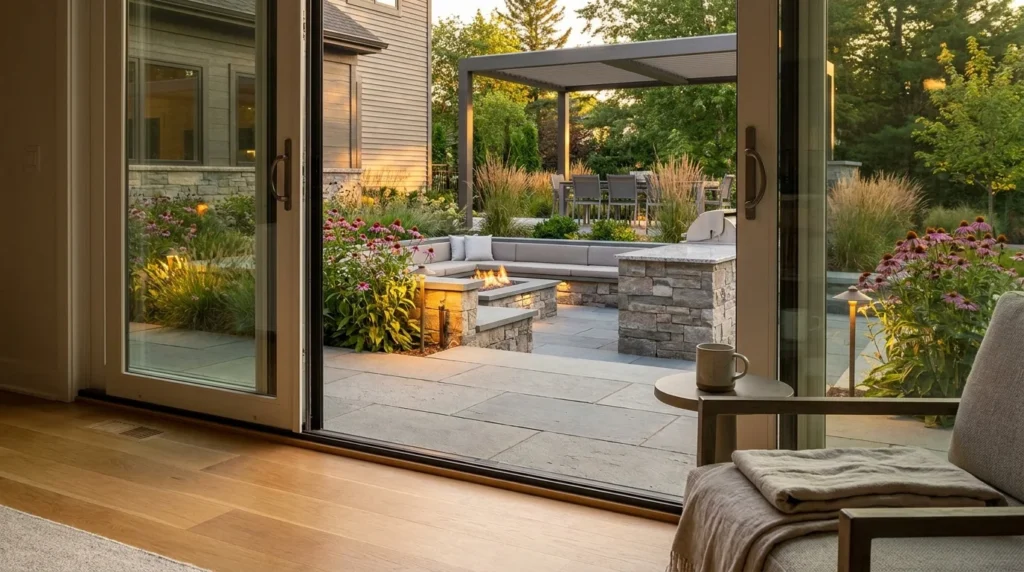
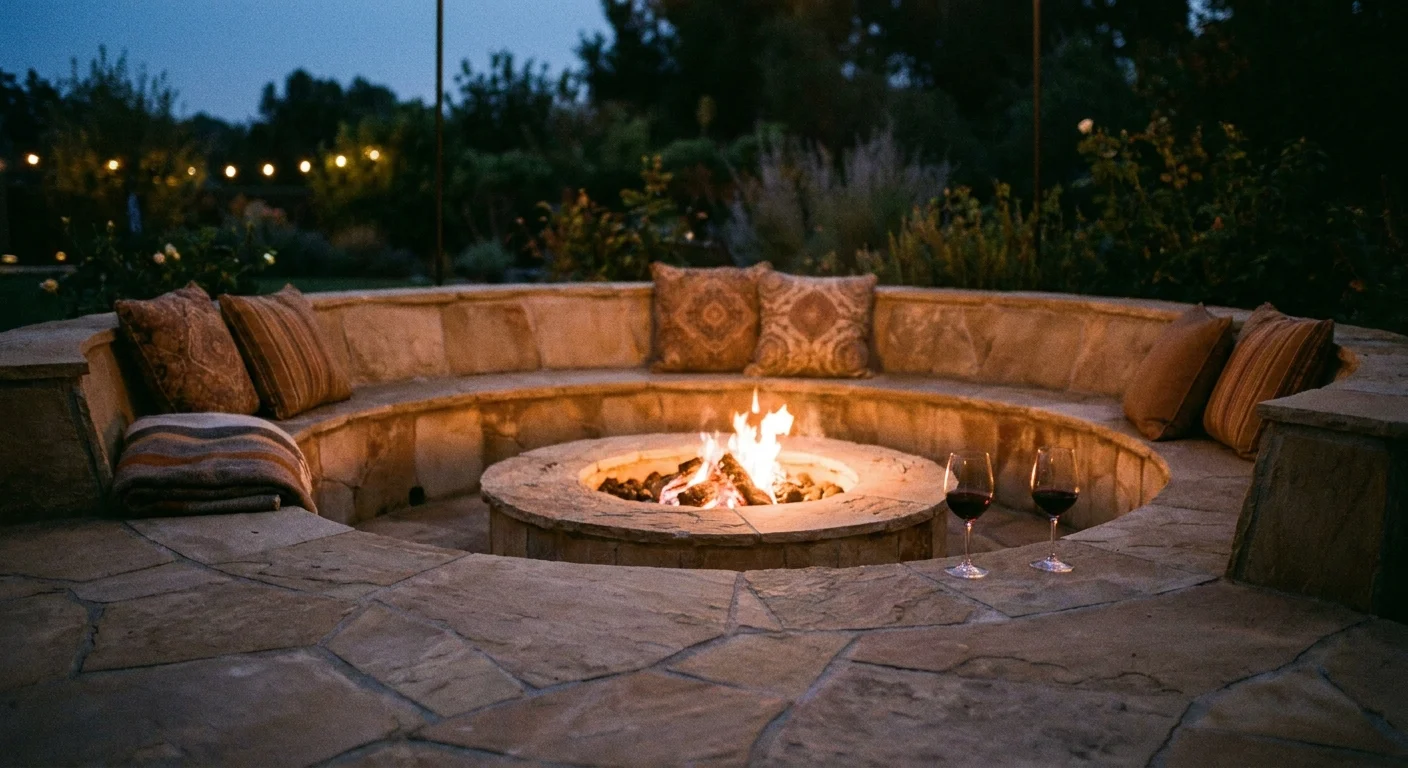
A built-in fire pit or outdoor fireplace extends the usability of your backyard deep into the crisp autumn and winter months. Whether you select a smokeless wood-burning basin or a sleek, gas-powered fire table, this upgrade acts as a natural gathering space. Safety dictates the placement of any fire feature; locate the pit a minimum of 15 feet away from your home, wooden fences, and overhanging tree canopies. Surround the fire element with non-combustible hardscaping like crushed granite, flagstone, or poured concrete. Arrange your seating to allow ample room for people to walk behind the chairs without stepping dangerously close to the flames.