
Smart Strategies & Upgrades
Executing a dramatic transformation on a tight budget requires you to direct your energy toward projects that offer the highest visual return on investment. The following strategies combine basic maintenance with clever horticultural choices to maximize your property’s potential.
The Power of Paint and Hardware
Replacing a front door can cost thousands of dollars; painting one costs less than fifty. A fresh coat of exterior-grade acrylic latex paint acts as an instant facelift for your entire home. First, evaluate your home’s fixed colors—the brick, the siding, and the roof shingles. Choose a front door color that complements these elements while providing a cheerful pop of contrast. Deep navy blues, sage greens, and classic gloss blacks offer sophisticated elegance, while bold ochre or sunny yellow injects playful energy.
Always prepare the surface properly before opening your paint can. Scrape away flaking spots, lightly sand the entire door to provide a mechanical grip for the new primer, and wipe away all dust with a damp cloth. Apply a high-quality bonding primer followed by two coats of exterior paint. For the best finish, paint during mild weather when temperatures range between 50 and 85 degrees Fahrenheit with low humidity.
While the door dries, evaluate your hardware. Tarnished, mismatched house numbers and flimsy mailboxes subtly degrade the overall aesthetic. Swap out faded brass numbers for modern matte black or brushed nickel floating numerals. This simple hardware exchange represents one of the most effective and easy front yard upgrades available. Ensure you mount the new numbers near a light source so emergency services and delivery drivers can easily identify your property at night.
High-Impact Container Gardening
If your front yard suffers from compacted, nutrient-poor soil, container gardening allows you to bypass the ground entirely. Large, strategically placed planters frame your entryway, adding vertical interest and vibrant color exactly where you need it. When selecting containers, choose lightweight resin or fiberglass pots; they mimic the look of heavy terracotta or concrete but remain easy to move if you decide to change your layout.
Thriving container plants require the right soil composition. Never use ordinary topsoil or garden dirt in a pot; it compacts too easily and suffocates the plant roots. Instead, purchase a high-quality potting mix enriched with compost for organic nutrients and perlite for crucial drainage. To create a professional-looking arrangement, employ the classic “thriller, filler, spiller” design method.
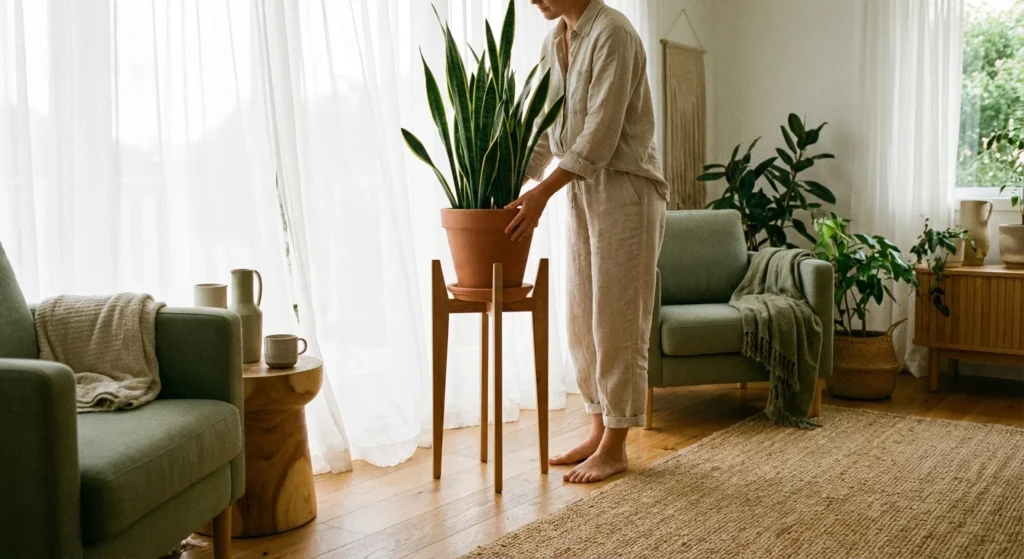
Plant a tall, striking focal point in the center—such as a purple fountain grass or a majestic snake plant—to serve as the thriller. Surround the base with mounding filler plants like vibrant coleus, sun-loving zinnias, or petunias. Finally, tuck trailing plants around the edges to cascade over the sides. Creeping Jenny, sweet potato vine, or trailing lobelia serve as excellent spillers.
Always tailor your plant selection to your specific light levels. A north-facing porch enveloped in deep shade will quickly kill sun-worshipping geraniums. For shady spots, rely on the lush foliage of hostas, the delicate blooms of astilbe, or the vibrant leaves of caladiums. Conversely, a south-facing driveway bakes in the afternoon sun; drought-tolerant succulents, lantana, and portulaca will thrive in this harsh microclimate.
Keep watering cadence in mind. Containers dry out much faster than ground-level beds, particularly during windy spring days. Check the soil moisture daily by inserting your index finger two inches into the potting mix. If it feels dry to the touch, water deeply until moisture runs out of the bottom drainage holes. Shallow, frequent watering encourages weak surface roots; deep, thorough soaking promotes robust, drought-resistant root systems.
Allergen Considerations and Pet Safety
A welcoming home should be safe for everyone who visits, including the four-legged guests. Many popular landscape plants pose severe toxic threats to dogs and cats. True lilies, for instance, are highly toxic to felines; ingesting even a small amount of pollen can cause acute kidney failure. Sago palms, azaleas, and oleander also harbor dangerous toxins. If neighborhood pets frequent your yard, populate your beds with pet-safe alternatives like snapdragons, marigolds, sunflowers, and Boston ferns.
Furthermore, spring breezes often carry a heavy load of pollen, turning a beautiful garden into an allergy sufferer’s nightmare. Limit wind-pollinated plants like certain ornamental grasses, junipers, and birch trees near your entryway. Instead, select insect-pollinated species with heavy, sticky pollen that stays inside the blossom. Hydrangeas, hostas, roses, and pansies provide gorgeous visual interest without triggering relentless sneezing fits.
Illumination and Pathway Accessibility
Safety and beauty intersect directly on your front walkway. Navigating a dark, uneven path at night presents a significant hazard. Upgrading your exterior lighting completely alters the nighttime profile of your house while simultaneously reducing the risk of a twisted ankle. You do not need to hire an electrician to trench new wiring; modern solar-powered LED landscape lights offer remarkable brightness and reliability.
Stake solar path lights along the edges of your walkway, spacing them adequately so the light pools overlap slightly, eliminating dark shadows. Choose fixtures that cast a warm white light—around 2700K to 3000K on the color temperature scale. This warm glow feels inviting and natural, whereas cool white or blue-tinted lights often make a home look like a harsh commercial parking lot.
Inspect your hardscaping for trip hazards. Over the winter, the freeze-thaw cycle frequently heaves concrete pavers and flagstones out of alignment. Lift any sunken stones, pour a leveling base of coarse sand and crushed gravel beneath them, and tap them back into place with a rubber mallet. A smooth, well-lit pathway demonstrates care and provides an accessible route for visitors using canes, walkers, or strollers.
The Magic of Mulch and Edging
Nothing neatens a chaotic garden bed faster than a sharp edge and a fresh layer of mulch. Use a heavy-duty half-moon edging tool to cut a distinct, V-shaped trench between your lawn and your planting beds. This physical barrier stops invasive turf grass from creeping into your flowers and gives the landscape a professionally manicured appearance.
Once you define the borders, pull any lingering winter weeds and apply a two-to-three-inch layer of organic shredded bark mulch. Mulch acts as a protective blanket for your soil. It suppresses weed germination by blocking sunlight, regulates soil temperature to protect delicate surface roots, and retains vital soil moisture during sudden spring heatwaves. As the organic material slowly breaks down, it feeds the beneficial microbes in the dirt, improving your soil structure over time.
Exercise structural caution when mulching around mature trees and foundational shrubs. Never pile mulch up against the trunk in a “volcano” shape. This common landscaping mistake traps moisture against the bark, encouraging fungal diseases, crown rot, and destructive insect infestations. Always pull the mulch back a few inches from the base of the plant, allowing the root flare to breathe.