Smart Strategies & Upgrades
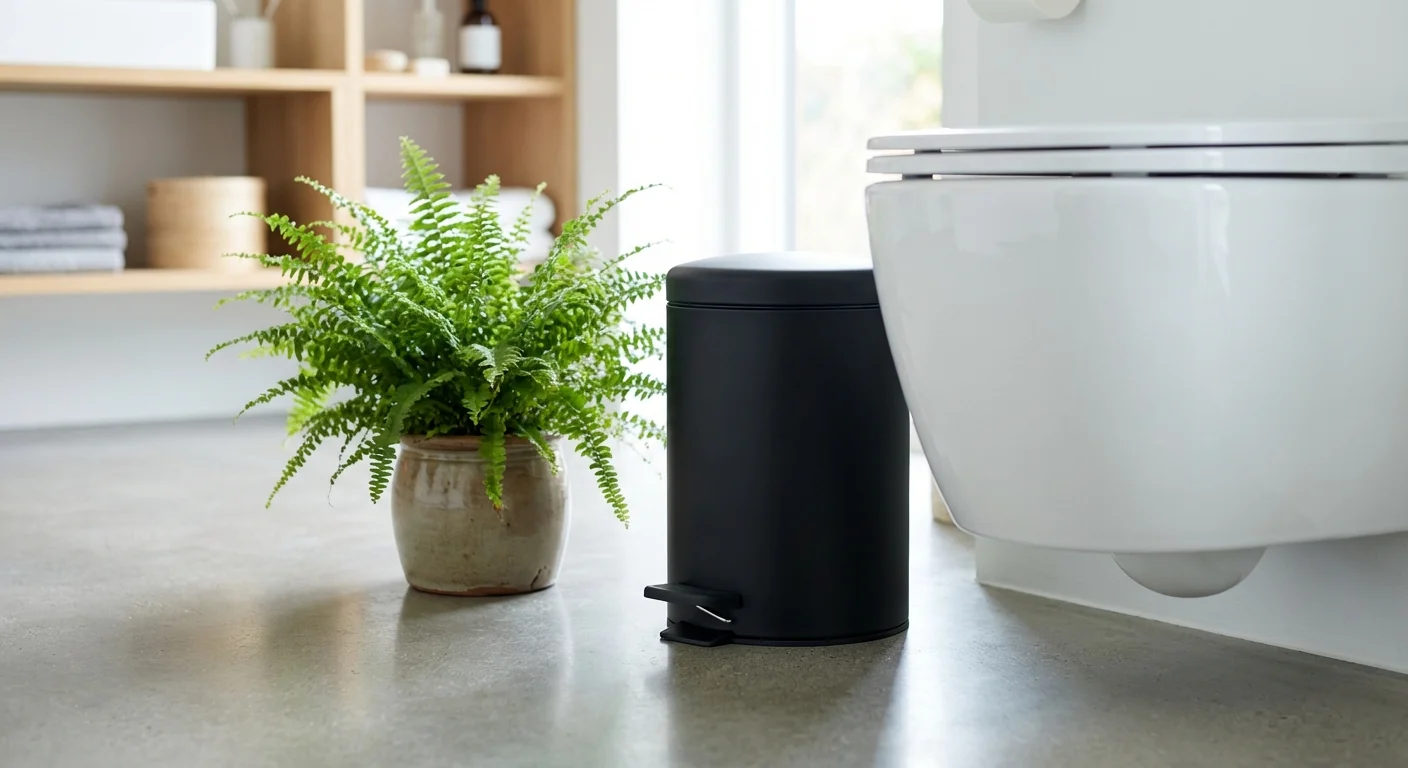
Protecting your pipes requires a proactive approach. The simplest and most effective upgrade you can make to your bathroom involves placing a stylish, pedal-operated trash can right next to the toilet. This visible reminder encourages everyone in your household to dispose of waste properly. Here are the nine items you must absolutely ban from your toilet bowl to prevent clogs and safeguard your home.
1. “Flushable” Wipes
Manufacturers boldly label personal hygiene wipes as flushable, but plumbing experts universally disagree. Traditional toilet paper dissolves entirely within minutes of hitting the water. Conversely, personal wipes contain synthetic fibers designed to retain their structural integrity when wet. When you flush these durable cloths, they snag on minor pipe imperfections and accumulate into massive blockages. Municipalities spend hundreds of millions of dollars annually fighting “fatbergs”—giant, concrete-like masses of congealed wipes and household fats that completely choke city sewer mains. Always toss your wipes in the trash bin.
2. Houseplant Soil and Potting Mix
When you repot a root-bound philodendron in your bathroom to contain the mess, you might feel tempted to wash the leftover soil straight down the drain. Resist this urge completely. High-quality potting soil contains a mix of peat moss, perlite, vermiculite, and clay. Peat moss aggressively absorbs water and expands dramatically inside your pipes. Perlite floats and accumulates in the upper curves of your plumbing, while heavy clay components sink and cement themselves to the bottom of your P-trap. Sweep up your spilled soil and return it to your garden or compost bin to maintain optimal bathroom care.
3. Dead Leaves and Plant Clippings
Pruning your bathroom ferns encourages healthy new growth and better air circulation. However, flushing the dead leaves introduces fibrous, stringy organic matter into your plumbing. Unlike human waste, plant stems possess high tensile strength and do not break down rapidly in water. These tough fibers wrap around other debris in the pipes, creating a dense net that catches toilet paper and solid waste. Gather your dead plant material and add it to your outdoor compost pile, where it can safely degrade into nutrient-rich humus for your spring garden.
4. Chemical Fertilizers and Synthetic Pesticides
Treating a spider mite infestation on your favorite indoor palm often requires targeted sprays. If you have leftover synthetic pesticides or concentrated liquid fertilizers, never pour them down the toilet. Flushing harsh chemicals destroys the fragile ecosystem within your plumbing. If you rely on a private septic system, these chemicals annihilate the beneficial bacteria necessary to break down solid waste, leading to a total system failure. Environmentally, flushing synthetic fertilizers sends high concentrations of nitrogen and phosphorus into local waterways, triggering toxic algae blooms that devastate aquatic life.
5. Paper Towels and Facial Tissues
You might assume that paper towels and facial tissues behave exactly like toilet paper. The manufacturing processes for these products tell a different story. Engineers design paper towels to absorb massive amounts of liquid without tearing, making them incredibly robust. Facial tissues utilize lotion-infused binders to remain soft and strong against your skin. Neither product disintegrates rapidly in water. Flushing just two or three thick paper towels can instantly wedge inside your toilet’s trapway, requiring a professional auger to dislodge.
6. Dental Floss
A tiny string of dental floss looks harmless, but it represents one of the most insidious threats to home maintenance. Nylon and Teflon-coated floss boast incredible durability and zero biodegradability. When you flush floss, it acts like a garrote inside your pipes. It catches on tree roots that may have infiltrated your exterior sewer line and forms a web that snares hair, wipes, and waste. Over time, these strings create impenetrable knots that demand costly professional intervention. Keep your floss in the trash, far away from your drains.
7. Leftover and Expired Medications
Responsible home organization involves regularly cleaning out your medicine cabinet. Flushing old pills or liquid medications once served as standard advice, but modern water scientists sternly warn against this practice. Water treatment plants lack the specialized filtration technology required to remove pharmaceuticals from the water supply. When you flush antibiotics or hormones, these drugs re-enter the environment, harming local wildlife and contaminating drinking water sources. Mix old medications with undesirable substances like used coffee grounds or kitty litter, seal them in a plastic bag, and place them in your household trash.
8. Cotton Swabs and Cotton Balls
Cotton naturally excels at absorbing moisture. When you drop a cotton ball or swab into the toilet bowl, it immediately swells to several times its original size. The rigid plastic or tightly wound paper sticks of cotton swabs easily wedge themselves sideways across narrow pipe junctions. Once a swab anchors itself in place, the swollen cotton ends catch passing debris. This combination quickly builds a stubborn dam that blocks all wastewater flow. Dispose of all cotton-based beauty and hygiene products in your wastebasket.
9. DIY Pest Sprays containing Neem Oil or Soap
Organic pest control recipes often call for mixtures of liquid castile soap and horticultural oils like neem oil. After treating your indoor plants in the shower stall, you must manage the leftover mixture carefully. Neem oil remains a natural fat; when exposed to cold pipe temperatures below ground, fats and oils solidify rapidly. They coat the interior walls of your plumbing, slowly reducing the diameter of the pipe until water can no longer pass through. Wipe up oily residues with a disposable rag rather than washing heavy concentrations down the drain.