Smart Strategies & Upgrades
Creating a home that buyers crave requires a mix of aesthetic appeal and grounded practicality. The following nine features represent the pinnacle of modern home design, seamlessly blending structural innovation with optimal conditions for a lush, thriving environment.
1. Biophilic Sunrooms and Conservatories
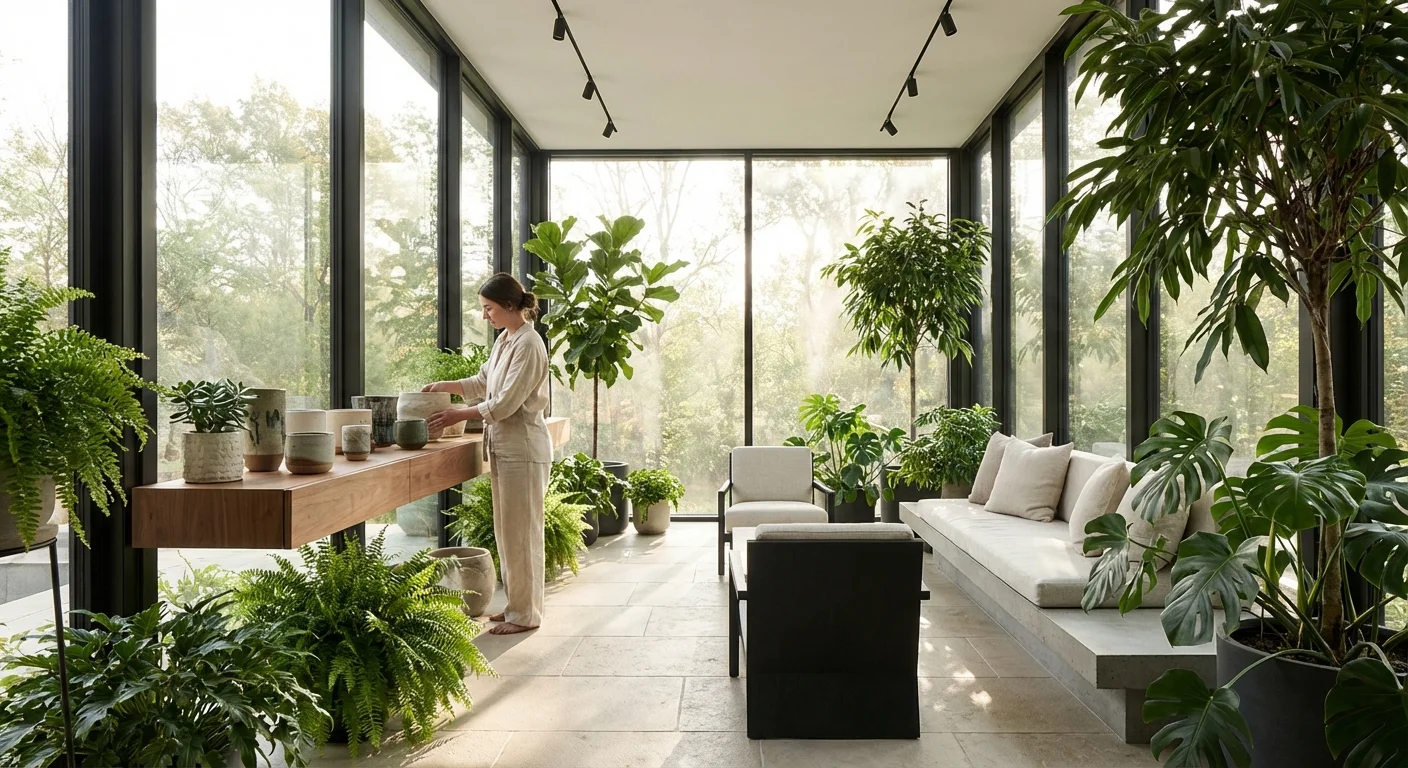
Dedicated plant spaces have transitioned from luxury additions to highly requested standard features. A well-designed sunroom acts as a buffer zone between the harsh outdoors and your climate-controlled interior. Buyers look for south-facing or east-facing exposures that offer bright, indirect light—the holy grail for tropical houseplants like Monsteras, Ficus trees, and delicate ferns. Structurally, these rooms require upgraded floor joists to handle the immense weight of large ceramic planters and saturated soil. You should install waterproof flooring, such as luxury vinyl plank or sealed natural stone, to withstand inevitable spills. When curating plants for this space, utilize a soil composition of equal parts potting loam, chunky orchid bark, and perlite to guarantee excellent drainage and prevent root rot during the cooler months.
2. Zero-Step Indoor-Outdoor Living Spaces
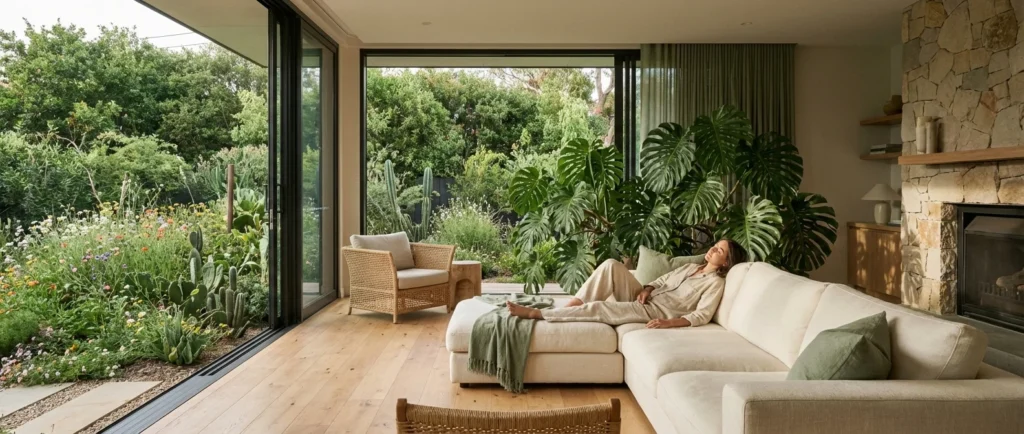
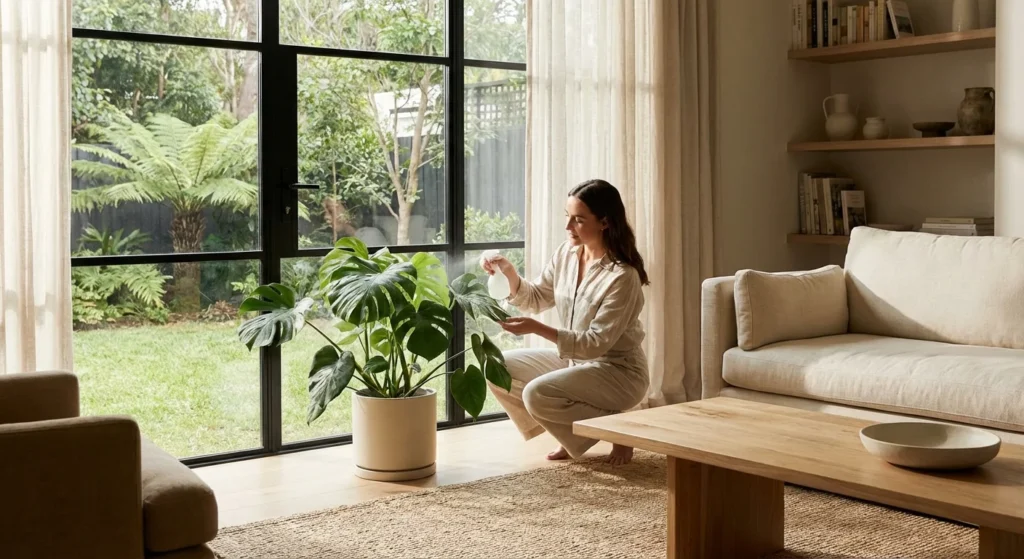
Seamless transitions between the living room and the patio are a major draw, particularly for senior homeowners planning to age in place. Large sliding or folding glass doors mounted on flush tracks eliminate tripping hazards and create an unbroken visual line into the garden. From a structural standpoint, you must ensure your exterior patio slopes slightly away from the foundation to prevent rainwater from pooling against the door thresholds. This transition zone is perfect for rolling container gardens. Cultivate dramatic, pet-safe palms like the Parlor Palm or Kentia Palm in lightweight fiberglass pots. Establish a watering cadence where you soak the containers thoroughly only when the top three inches of soil feel dry to the touch, ensuring your indoor-outdoor oasis remains vibrant without becoming waterlogged.
3. Native Plant Landscaping and Drought-Tolerant Yards
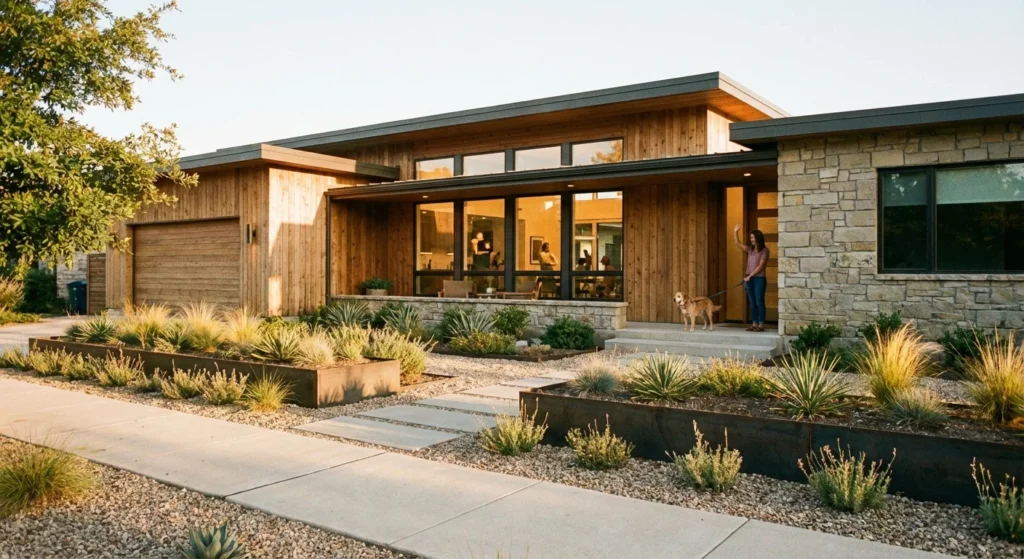
The pristine, thirsty lawn is a relic of the past. Today, property investment focuses on sustainability and reduced maintenance. Replacing traditional turf with native perennials, ornamental grasses, and drought-tolerant shrubs significantly boosts curb appeal while slashing water bills. Native plants naturally resist local pests and require zero synthetic fertilizers, making them a safe choice for local wildlife and your foraging pets. Incorporate species like purple coneflower, switchgrass, and creeping thyme. These resilient plants thrive in unamended native soils; simply loosen the earth and add a light layer of organic compost. Once established, shift your watering cadence to deep, infrequent soaks—perhaps once every two weeks—to encourage deep root systems that withstand intense summer heat.
4. Advanced Climate Control and Dedicated Grow Zones
Smart home technology now extends directly into horticultural care. Buyers are actively seeking homes with zoned HVAC systems equipped with whole-house humidifiers and programmable thermostats. Maintaining a consistent ambient humidity of 50 to 60 percent keeps respiratory allergens at bay for humans while providing an ideal environment for moisture-loving plants like Calatheas and Marantas. You can designate specific alcoves as “grow zones,” outfitting them with discreet, full-spectrum LED lighting integrated into the ceiling or shelving. This allows you to cultivate light-hungry succulents or propagate delicate cuttings in windowless hallways or dark corners, instantly elevating the aesthetic and home value without requiring expensive structural additions.
5. Walk-In Spa Showers with Greenery Integration
Bathrooms have evolved into personal wellness retreats. Oversized, zero-entry showers equipped with skylights or frosted transom windows flood the space with diffused natural light while maintaining privacy. This high-humidity environment mimics a tropical rainforest canopy, offering the perfect microclimate for epiphytes like Staghorn ferns, Tillandsia (air plants), and Phalaenopsis orchids. When designing a green bathroom, exercise structural caution by using high-grade, mold-resistant drywall and ensuring proper waterproof membranes are installed behind the tile. Mount your epiphytes on cedar or cork bark boards rather than planting them in soil, and simply let the ambient shower steam provide their daily hydration, supplementing with a direct misting only if the fronds begin to curl.
6. Mudrooms with Pet and Plant Washing Stations
A dedicated utility space is one of the most effective resale tips for 2026. A fully equipped mudroom keeps the mess of gardening and pet ownership out of your primary living spaces. Install an elevated, deep utility sink or a floor-level wash station featuring a handheld sprayer. This makes rinsing off muddy golden retrievers or giving your oversized Bird of Paradise its quarterly pest-prevention shower incredibly easy. Always install a heavy-duty soil trap in the plumbing drain to prevent potting mix, perlite, and pet hair from clogging your pipes. Keep this space safe by strictly avoiding toxic plants—such as lilies, sago palms, or pothos—at ground level, opting instead for pet-safe varieties like the Spider Plant or Boston Fern suspended safely in macrame hangers.
7. Accessible Raised Garden Beds and Tiered Planters
Outdoor accessibility is a vital feature for lifelong homes. Raised garden beds built to a height of 24 to 30 inches eliminate the need for deep bending and kneeling, making gardening an effortless joy rather than a physical strain. Construct these beds from naturally rot-resistant woods like cedar or redwood, avoiding chemically treated lumber if you plan to grow edible crops. Fill the beds with a nutrient-dense soil composition: 50 percent high-quality topsoil, 30 percent organic compost, and 20 percent vermiculite for moisture retention. Because raised beds drain faster than ground-level gardens, you will need to adjust your watering cadence, checking the soil moisture daily during the peak of summer to ensure your heirloom tomatoes and culinary herbs remain perfectly hydrated.
8. Energy-Efficient, High-Transmittance Windows
Window upgrades offer some of the highest returns on investment. Modern buyers look for triple-pane glass with specialized low-emissivity (Low-E) coatings. However, as a plant enthusiast, you must select windows with high visible transmittance (VT) ratings. This ensures that while harmful UV rays and excess heat are blocked, the specific spectrums of light necessary for photosynthesis still flood your living spaces. Upgrading your fenestration improves energy efficiency, protects your hardwood floors from fading, and guarantees your indoor jungle receives the fuel it needs. Pair these windows with custom, top-down-bottom-up cellular shades so you can precisely modulate the light levels hitting your delicate understory plants throughout the day.
9. Multi-Generational ADUs with Garden Views
Accessory Dwelling Units (ADUs) are fundamentally reshaping residential real estate. Whether used for aging parents, boomerang children, or as a passive income stream, a well-appointed ADU significantly increases property appeal. Position the structure to take advantage of mature shade trees, reducing cooling costs in the summer. Give the ADU its own private patio bordered by pollinator-friendly shrubs and raised planters. This offers occupants a sense of autonomy and a direct connection to nature. Frame the windows to capture views of your native landscaping, ensuring that every glance outside reinforces the tranquility and security of the property.