Smart Strategies & Upgrades
1. Watering Houseplants on a Strict Calendar Schedule
Many plant enthusiasts adopt a strict weekly watering routine, but this habit frequently leads to overwatering, root rot, and wasted resources. A plant’s hydration needs fluctuate based on seasonal light levels, ambient temperature, and specific soil composition. A Monstera sitting in a bright, warm sunroom requires a vastly different watering cadence than a snake plant tucked into a shaded hallway corner.
Instead of pouring water on a fixed schedule, assess the soil moisture manually. Push your finger two inches into the potting mix; if it feels damp, wait a few days. Upgrading to a well-aerated soil composition—rich in perlite, pumice, and chunky orchid bark—ensures that the water you do provide reaches the roots efficiently without pooling at the bottom of the pot. This mindful approach saves gallons of water over the year and keeps your indoor jungle robust.
2. Letting the Tap Run While Prepping Cuttings
When you stand at the sink rinsing fresh produce, washing gardening tools, or prepping newly propagated plant cuttings, leaving the tap running wastes a staggering amount of water. A standard kitchen faucet dispenses over two gallons of water per minute. Letting the water flow for just five minutes while you scrub clay pots sends ten gallons of clean water straight into the municipal sewer system.
You can easily capture and repurpose this water. Place a simple wash basin or a stylish mixing bowl in your sink to catch the runoff while you rinse vegetables or wash your hands without soap. You can then use this nutrient-tinged water to hydrate your outdoor planters or indoor tropicals. It is an effortless cost cutting strategy that gives a second life to water that would otherwise disappear.
3. Ignoring Minor Leaks and Dripping Faucets
That subtle drip in the guest bathroom or the constantly running toilet might seem like a minor annoyance, but ignoring these issues is one of the most destructive habits for your water bill. A constantly running toilet can waste up to 200 gallons of water in a single day. Beyond the financial impact, persistent moisture from unchecked plumbing issues presents severe structural cautions; water seeping into floorboards or drywall causes expensive rot and encourages mold growth.
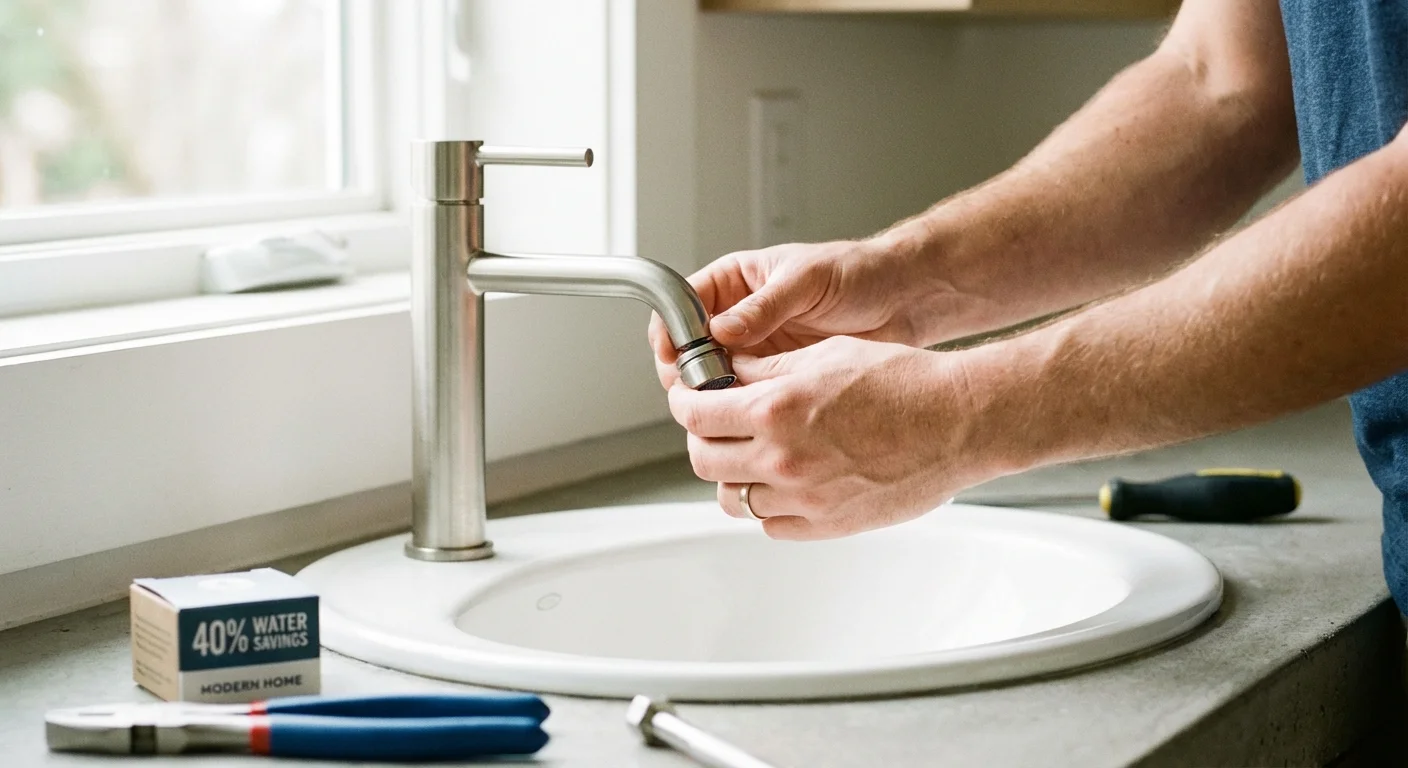
Applying basic plumbing tips can resolve most of these minor leaks. Test your toilet by adding a few drops of food coloring to the tank; if the color seeps into the bowl without flushing, you need a new flapper valve. Replacing old washers in dripping faucets is a quick, inexpensive DIY project that yields immediate utility savings.
4. Over-Misting Indoor Tropical Plants
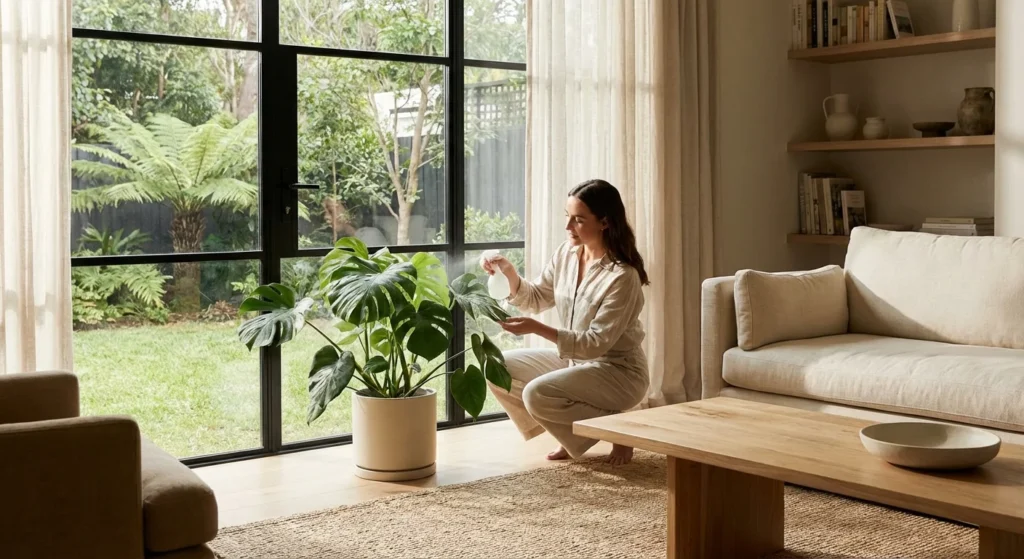
Misting houseplants with a spray bottle is a popular habit, but it is highly inefficient for raising humidity and wastes purified water. The moisture evaporates within minutes, offering virtually no long-term benefit to humidity-loving plants like Calatheas or Ferns. Worse, leaving standing water on foliage—especially in homes with poor air circulation—encourages powdery mildew and fungal infections, bringing unwanted allergen considerations into your living space.
For a smarter upgrade, utilize pebble trays filled with water directly beneath your plant pots. As the water evaporates, it creates a localized microclimate of high humidity right where the foliage needs it. Alternatively, invest in a cool-mist humidifier. Modern, design-forward humidifiers use water far more efficiently than daily misting and dramatically improve the comfort of your indoor environment.
5. Using Inefficient Outdoor Sprinklers
Running oscillating sprinklers during the heat of the day is a rapid way to waste water. High temperatures and midday sunlight cause a significant portion of the water to evaporate before it ever permeates the soil. Additionally, high-spray sprinklers often water your driveway, sidewalks, and the side of your house rather than your actual landscape.
Transition to a smart irrigation system or install simple drip lines in your garden beds. Drip irrigation delivers water directly to the base of the plant, minimizing evaporation and ensuring deep root saturation. Always schedule your watering cadence for the early morning hours when light levels and temperatures are at their lowest. This upgrade saves thousands of gallons of water per season while deeply nourishing your greenery.
6. Running Half-Empty Appliances
Starting the dishwasher after a single meal or running the washing machine for a handful of towels forces your home to use the same amount of water it would for a maximum load. Older washing machines can use up to 40 gallons of water per cycle. When you consistently run partial loads, you severely impact your household utility savings.
Cultivate the habit of waiting until your appliances are completely full before pressing start. If you are upgrading your kitchen or laundry room, prioritize High-Efficiency (HE) appliances. These modern machines automatically sense the weight and soil level of the load, adjusting the water output precisely to match the need.
7. Waiting for Hot Water with an Open Tap
Turning on the shower or the kitchen sink and stepping away while you wait for the water to heat up sends gallons of perfectly clean, cold water down the drain. This delay happens because the water sitting in the pipes between your water heater and your faucet cools down over time.
To eliminate this waste, consider installing a hot water recirculating pump. This comfort improvement ensures that hot water is instantly available at your taps. It is an incredibly popular aging-in-place idea, as it provides immediate access to warm water without the physical strain of waiting or wasting resources. If a pump is not in the budget, simply collect that initial cold water in a watering can and use it to hydrate your container garden.
8. Leaving Garden Soil Bare
Whether in your outdoor landscape or your indoor potted plants, leaving the soil surface completely exposed accelerates water evaporation. Bare dirt requires much more frequent watering to keep the root systems hydrated. Furthermore, heavy rains or aggressive watering can wash bare soil away, degrading the overall soil composition over time.
Applying a thick layer of organic mulch—such as shredded bark, pine needles, or compost—acts as a protective blanket. It regulates the soil temperature and locks in moisture, drastically reducing your required watering cadence. When selecting mulch, always keep pet safety in mind; cocoa hull mulch smells delightful but is highly toxic to dogs. Opt for safe alternatives like cedar or untreated pine.
9. Using the Hose as a Broom
Sweeping your driveway, patio, or walkways with a high-pressure hose is a quick way to clear debris, but it consumes an exorbitant amount of water. A standard garden hose blasts through roughly ten gallons of water every minute. Spending ten minutes “sweeping” your driveway with water wastes 100 gallons of a vital resource.
Invest in a high-quality push broom for your hardscaping. Sweeping by hand is highly effective, keeps your outdoor spaces looking pristine, and completely eliminates this unnecessary water waste. If you encounter stubborn grime or moss on your patio, use a targeted pressure washer rather than an open hose; pressure washers mix air with a lower volume of water to clean aggressively while actually using less liquid.
10. Drowning Plants in Poorly Draining Pots
Selecting beautiful ceramic planters often means dealing with cachepots that lack drainage holes. Pouring water directly into these closed systems requires guesswork; you either underwater the plant to avoid a puddle, or you overwater it, creating a swamp at the bottom of the pot. When a plant drowns in a poorly draining pot, the water is entirely wasted, and the plant will quickly succumb to root rot.
Always keep your plants in their original plastic nursery pots—which feature excellent drainage—and slip them inside your decorative cachepots. When it is time to water, remove the nursery pot, water the plant thoroughly in the sink, allow it to drain completely, and then return it to its stylish container. This bottom-watering and draining method ensures your plants get exactly what they need while preventing stagnant water from damaging your floors or furniture.