Smart Strategies & Upgrades
Evaluating the health of your roof requires a keen eye and a willingness to look closely at the details. You do not need to climb a steep pitch to spot trouble; many of these warning signs are visible from the ground or from the safety of your attic. Treating this evaluation as part of your regular home inspection routine empowers you to protect the people, pets, and plants living beneath the rafters.
1. The Age of Your Roofing Materials
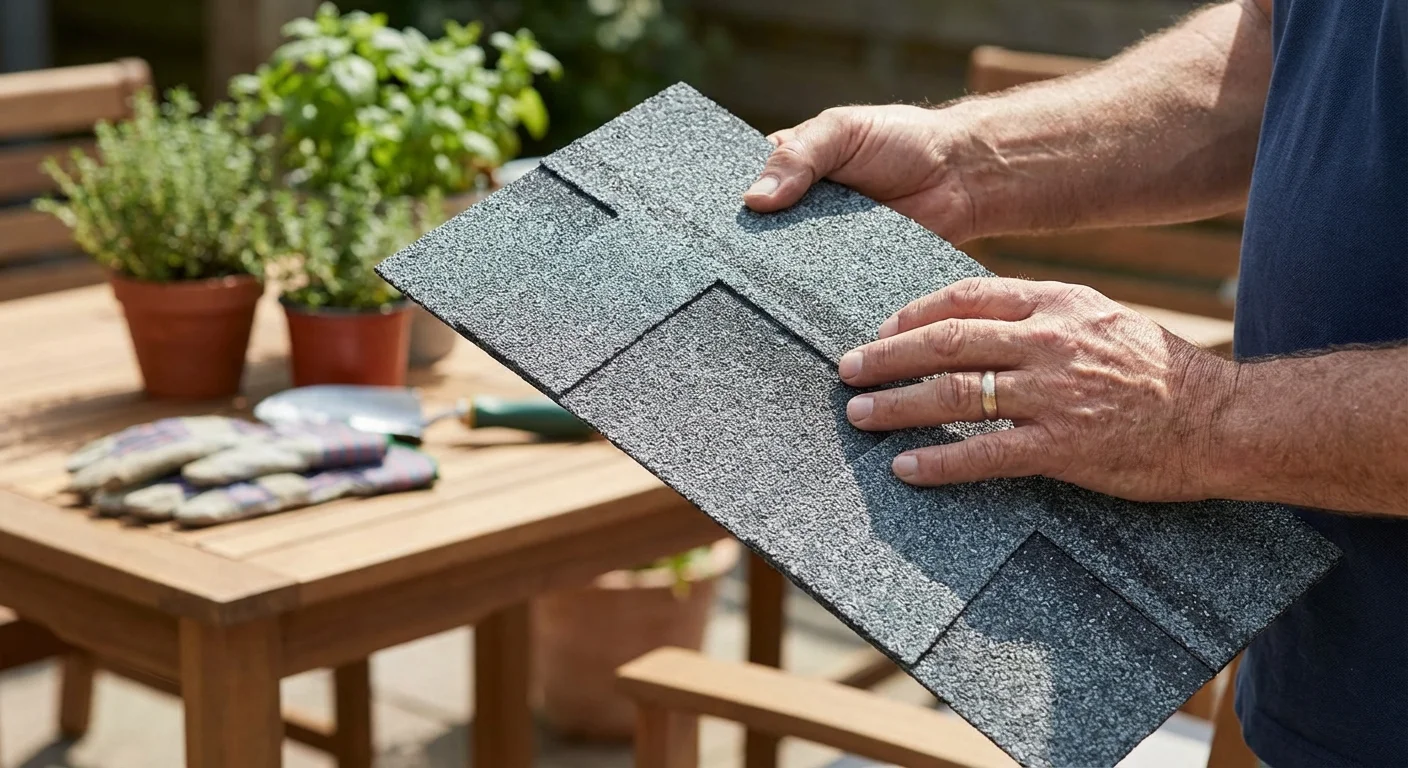
Just like the lifecycle of a perennial plant, building materials have a distinct lifespan. Traditional asphalt shingles—the most common roofing material in North America—typically last between 20 and 25 years. If your roof was installed more than two decades ago, it is entering its twilight years. Even if the shingles look relatively intact from the driveway, decades of expanding and contracting under the hot summer sun and freezing winter temperatures degrade their structural integrity. When upgrading, consider modern architectural shingles or metal roofing; these options offer exceptional longevity and can significantly boost your property value.
2. Curling, Buckling, or Missing Shingles
Your shingles are designed to lay completely flat, creating a seamless barrier against wind and rain. When you notice the edges curling upward—a condition known as cupping—or the middles bowing outward, your roof is signaling distress. This deformation often occurs when poor attic ventilation traps intense heat, essentially baking the shingles from the underneath. Missing shingles are an even more urgent structural caution. Every gap in your roof’s armor invites water to rot the underlying decking. If you spot bare patches after a strong storm, immediate roof repair is necessary to prevent cascading interior damage.
3. An Accumulation of Granules in Your Gutters
Asphalt shingles are coated in tiny, crushed stone granules that serve a vital purpose. These granules protect the volatile oils in the asphalt from the sun’s destructive ultraviolet rays and provide a crucial layer of fire resistance. As shingles age, they naturally shed these granules. If you clean your gutters in the spring and find a thick, sandy sludge resembling black gravel, your roof is losing its sunblock. Without this protective layer, the shingles will rapidly become brittle, crack, and eventually fail to repel moisture.
4. Moss and Algae Takeover
As a plant enthusiast, you likely appreciate the velvety green texture of moss in a woodland garden or a beautifully structured terrarium. On your roof, however, bryophytes and algae are destructive pests. Moss thrives in damp, shaded environments, particularly on north-facing roof slopes sheltered by large tree canopies. Because moss lacks a traditional root system, it uses tiny appendages called rhizoids to anchor itself into the porous surface of your shingles.
These rhizoids lift the edges of the shingles, while the dense body of the moss acts like a sponge, holding rainwater against the roof deck long after the storm has passed. Over time, this constant moisture accelerates rot and compromises the structural integrity of your home. Managing the shade provided by your beloved trees through selective pruning is a practical way to balance exterior landscaping with roof longevity.
For authoritative guidance, refer to cooperative extension resources like the PennState Extension and the Clemson Home & Garden Information Center. Botanical gardens and university horticulture programs are also excellent references.
5. A Sagging Roof Deck
A healthy roof features crisp, straight lines. If you step back to the edge of your yard and notice the ridge of your roof swaying, or if the planes of the roof look wavy and depressed, you are observing a severe structural caution. Sagging indicates that moisture has bypassed the shingles and saturated the wooden decking or the supporting trusses underneath. Over time, this moisture causes the wood to warp and rot under the heavy load of the roofing materials. This is not merely an aesthetic issue; it is a profound safety hazard that requires immediate professional intervention before a partial collapse occurs.
6. Interior Water Stains and Shifting Indoor Humidity
Sometimes, the most obvious warning signs manifest inside your home. Take a flashlight into your attic during a bright afternoon. If you see daylight piercing through the roof boards, water can easily follow the same path. Check the underside of the roof deck for dark water streaks or a musty smell. In your living spaces, unexplained brown rings on your ceiling or peeling paint near the top of your walls indicate active leaks.
These breaches dramatically alter your indoor environment. Excess moisture trapped in wall cavities creates a breeding ground for mold, presenting serious allergen considerations for your family and pet safety risks for your furry companions. Furthermore, the draftiness associated with a compromised roof makes it nearly impossible to maintain consistent temperature and humidity levels. Your prized collection of humidity-loving Alocasias and Calatheas will be the first to show signs of stress when your home’s climate control fails due to a leaky roof.